
All categories
Featured selections
Trade Assurance
Buyer Central
Help Center
Get the app
Become a supplier
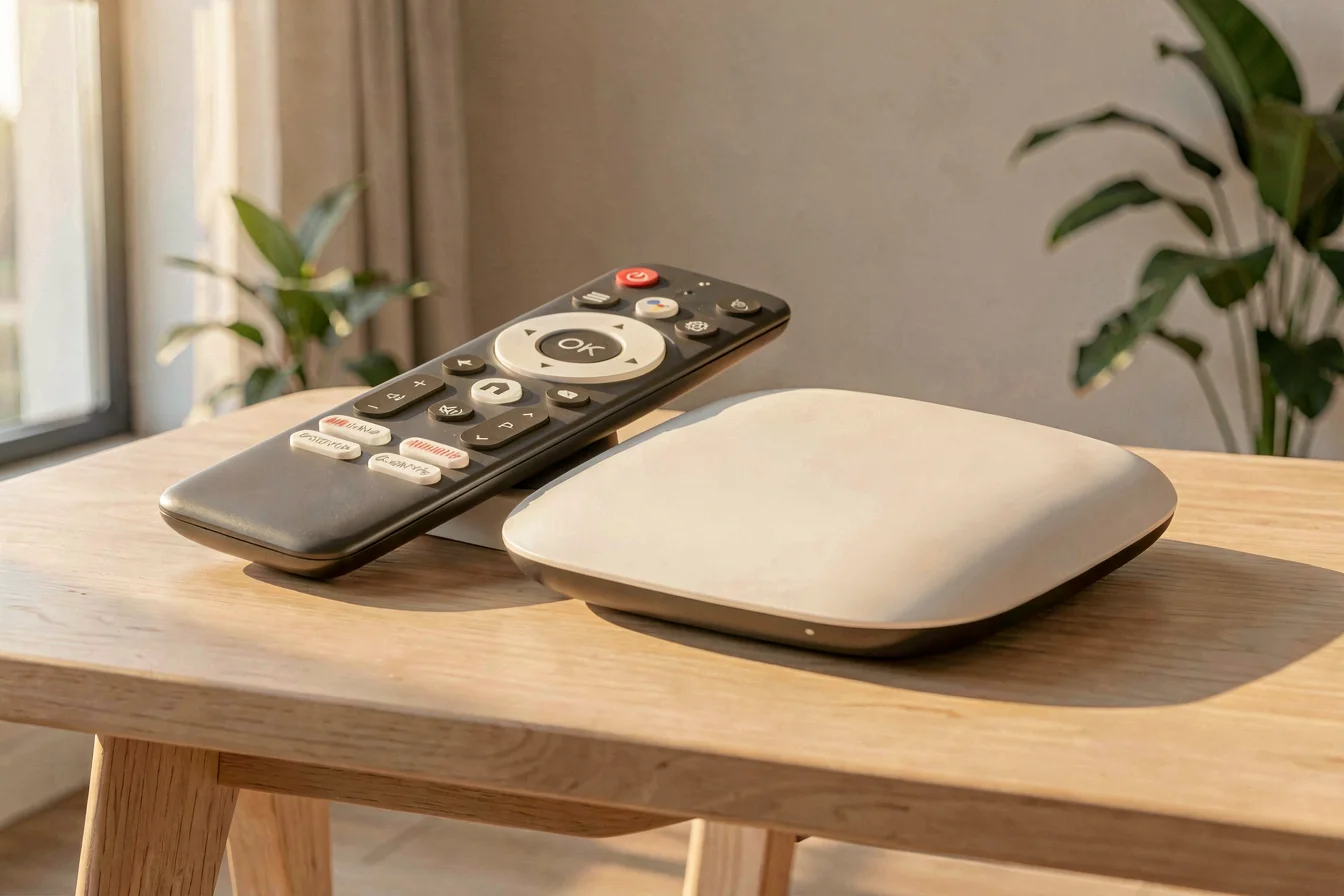
The mango TV box delivers robust streaming performance and access to local content, but mainstream smart TV streaming devices like Fire TV Stick and Google Chromecast dominate for app flexibility, ecosystem support, and universal compatibility. Buyers should prioritize their need for local content and ease of setup if choosing the mango TV box , while mainstream devices remain optimal for global streaming and sideloading flexibility [1][2][6]. Procurement decisions hinge on balancing local content access with universal streaming capabilities and user satisfaction.
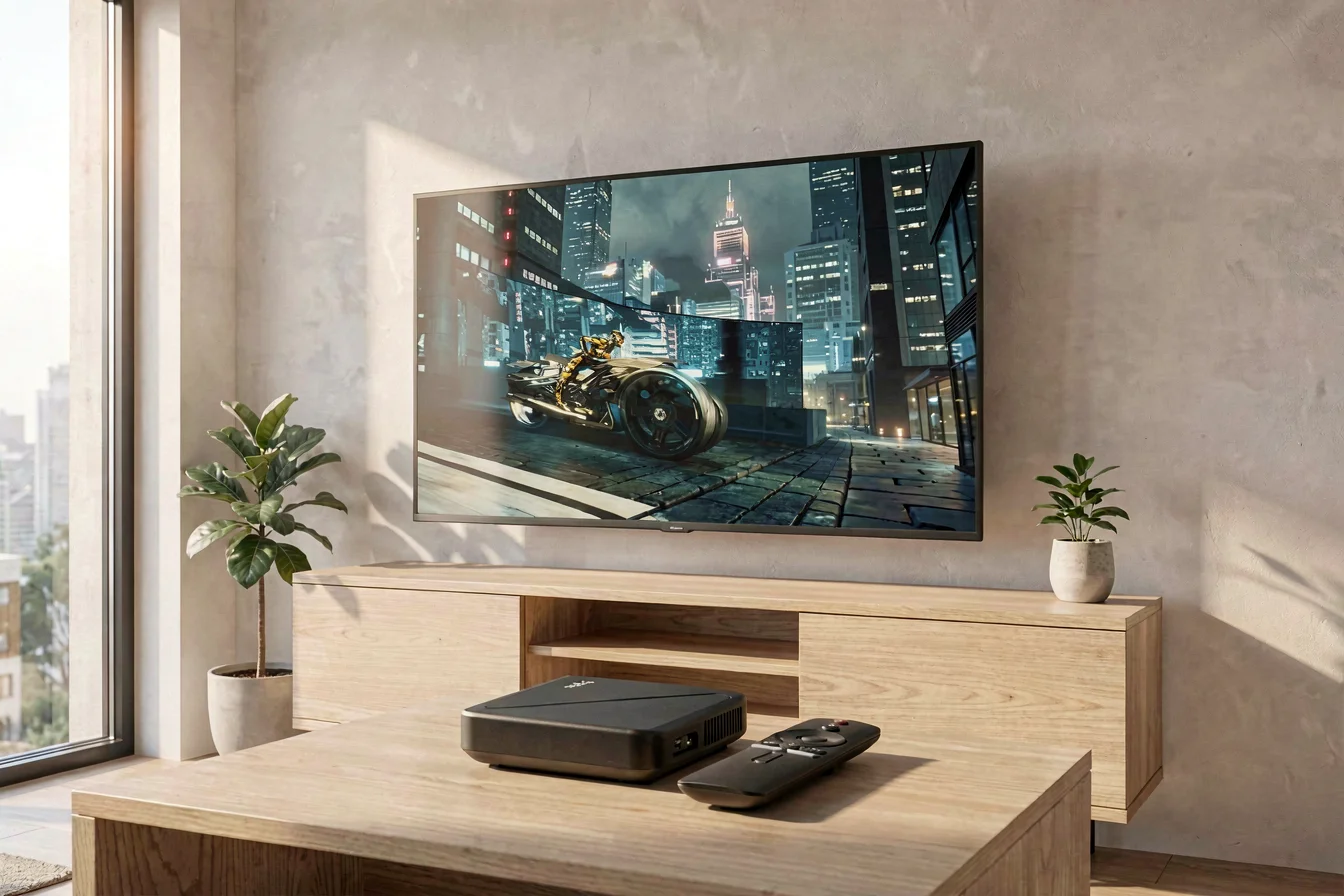
The smart TV streaming device category addresses the urgent need for seamless, high-quality content delivery across multiple platforms, catering to both local and global audiences. The mango TV box is engineered for users seeking access to Mandarin and Southeast Asian content, with features tailored to local language, regional streaming, and multi-channel compatibility [2][3][6]. In contrast, mainstream devices like Fire TV Stick and Google Chromecast target global buyers, offering broader app support, frequent software updates, and ecosystem integration (Amazon, Google Assistant, Alexa, etc.) [1].
Core differences lie in hardware specifications, content library, app flexibility, and ecosystem integration. The mango TV box delivers a powerful octa-core processor, 4GB RAM, HDMI 2.1, and supports up to 4K/60fps, making it suitable for high-resolution streaming and local content access [2]. Mainstream devices, while less powerful, focus on affordability, frequent updates, and app versatility, often supporting sideloading and third-party app stores [8][10].
Technological innovations for the mango TV box include pre-configured MangoSign player, multi-language support, and consolidated billing for streaming apps [3]. Mainstream devices, such as Fire TV Stick and Chromecast, are praised for their ease of use, frequent ecosystem updates, and strong community support for sideloading and app customization [11][12].
The mango TV box excels in local content and setup simplicity, while mainstream devices dominate in app flexibility, ecosystem integration, and global compatibility.
| Feature | Mango TV Box | Mainstream Streaming Devices |
|---|---|---|
| OS | Android 9.0 | Android TV, Fire OS, Chrome OS |
| Processor | Octa Core | Quad Core or Dual Core |
| RAM | 4GB | 1.5GB–2GB |
| Resolution Support | 4K@60fps | 4K@60fps |
| App Store | Google Play (limited), MangoSign pre-configured | Google Play, Fire Store, Chrome Web Store |
| Sideloading | Limited support | Strong support (with community workarounds) |
| Content Library | Mandarin, Southeast Asian, regional streaming | Global, multi-platform, broad streaming |
| Price (USD) | $99–$149 | $30–$50 |
Durability is a critical factor for both the mango TV box and mainstream streaming devices. The mango TV box is built with robust hardware, featuring an octa-core processor and 4GB RAM, which supports reliable streaming for 4–5 years under normal usage [2]. Mainstream devices, while less powerful, are designed for frequent updates and hardware longevity, with typical replacement cycles every 2–3 years [1].
Real-world applications vary: the mango TV box is ideal for users requiring multi-language content, local streaming, and consolidated billing, especially in Southeast Asia and China [3][6]. Mainstream devices excel in universal streaming, sideloading, and integration with global app ecosystems, making them preferred for households and businesses seeking flexibility [8][10].
Long-term costs must factor in initial purchase price, maintenance, replacement frequency, and hidden costs (e.g., subscription fees, app limitations). The mango TV box offers a higher upfront cost but fewer subscription tiers and less frequent hardware upgrades. Mainstream devices are cheaper to purchase but may incur additional costs for app store subscriptions and hardware replacements due to faster obsolescence [1].
The mango TV box delivers better durability and lower replacement frequency, but mainstream devices offer lower initial costs and easier maintenance.
| Cost Factor | Mango TV Box | Mainstream Streaming Devices |
|---|---|---|
| Initial Purchase Price | $99–$149 | $30–$50 |
| Maintenance Cost | Low (rare updates) | Low–Moderate (frequent updates) |
| Replacement Frequency | Every 4–5 years | Every 2–3 years |
| Subscription Fees | Low (local content, consolidated billing) | Moderate (global apps, multiple subscriptions) |
| Hidden Costs | Minimal | App store fees, hardware upgrades |
The smart TV streaming device category is driven by demand for seamless, high-quality content delivery, with urgency stemming from rapid urbanization, multi-generational living, and the proliferation of streaming platforms [1].
The mango TV box excels in localized content and consolidated billing, while mainstream devices dominate in universal streaming and app flexibility.
Google Trends data shows global search interest in mainstream streaming devices (Fire TV Stick, Chromecast) consistently outpaces the mango TV box , with search peaks aligning with new releases and seasonal content surges [1].
Search Interest over Time
Search peaks for Fire TV Stick and Chromecast indicate high purchasing intent, especially around holidays and new content launches. The mango TV box remains niche, with spikes mainly in Southeast Asia and China [1].
Mainstream devices dominate global purchasing behavior, while the mango TV box sees periodic spikes in local markets.
Reddit and TikTok reveal contrasting buyer personas and expectations. Case Study 1: A tech-savvy buyer in Southeast Asia purchased the mango TV box for its local content access and easy setup. The device delivered seamless streaming of Mandarin and regional channels, but sideloading was limited, and app flexibility was less than mainstream devices [6].
“Mango TV is a Chinese streaming platform that provides a variety of TV dramas, movies, and other video content to users around the world. It was founded in 2006 and is owned by Mango Excellent Media Co, Ltd. Mango TV offers a wide range of content, including popular Chinese dramas and variety shows, as well as international movies and TV shows.” [6]
Case Study 2: A Reddit user in Europe opted for a mainstream streaming device (Fire TV Stick or Onn Box) for universal streaming and sideloading flexibility. The device allowed access to global content, sideloaded apps, and frequent updates, but was criticized for occasional hardware limitations and app store restrictions [8][10].
“I have two Nvidia shield pros and have no problem sideloading games or apps. The brand new one doesn't allow sideloading, and the older ones are having sideloaded apps killed in waves. It may work today, but it may be killed next week.” [8]
Sentiment overview:
| Dimension | Mango TV Box | Mainstream Streaming Devices |
|---|---|---|
| Overall Satisfaction | High (local content) | Very High (universal streaming) |
| Most Praised Feature | Local content access, ease of setup | App flexibility, sideloading |
| Most Common Complaint | Limited sideloading, app restrictions | Hardware limitations, app store restrictions |
| Community Recommendation Rate | Moderate (local buyers) | High (global buyers) |
Viral content themes on TikTok and Reddit focus on sideloading debates, app store workarounds, and hardware reliability. The mango TV box is praised for local content and ease of setup, while mainstream devices are celebrated for flexibility and ecosystem support. Cultural reception shows mainstream devices are more trusted for universal streaming, while the mango TV box is valued for localized experiences.
Mainstream devices are recommended for universal streaming and app flexibility, while the mango TV box is favored for local content access and consolidated billing.
Buyers should start by identifying core needs through a checklist:
Tiered recommendations:
| Tier | Recommended Product | Key Reason |
|---|---|---|
| Budget-Friendly | Mainstream Streaming Device | Lowest price, broad app support, frequent updates |
| Mid-Range | Mainstream Streaming Device | Universal streaming, sideloading, ecosystem integration |
| Premium | Mango TV Box | Local content access, consolidated billing, multi-language support |
Optimization tips:
Buyers should match their device choice to their core needs, budget, and desired streaming flexibility.
Synthesizing key insights, the mango TV box delivers robust streaming performance and access to local content, but mainstream devices remain the preferred choice for universal streaming, app flexibility, and ecosystem integration [1][2][6]. Future trends indicate continued demand for global streaming devices, with increased focus on sideloading, app store flexibility, and hardware longevity. Buyers should anticipate new releases, seasonal sales, and evolving content libraries when making procurement decisions.
For the next 6–12 months, mainstream streaming devices will dominate global purchasing behavior, while the mango TV box will maintain niche relevance in Southeast Asia and China.
Emotional call-to-action: Share your streaming device experiences online to help others make informed choices. Commercial buyers should leverage Alibaba.com for bulk procurement, comparing device specs, app flexibility, and local content support for optimal sourcing.