
All categories
Featured selections
Trade Assurance
Buyer Central
Help Center
Get the app
Become a supplier
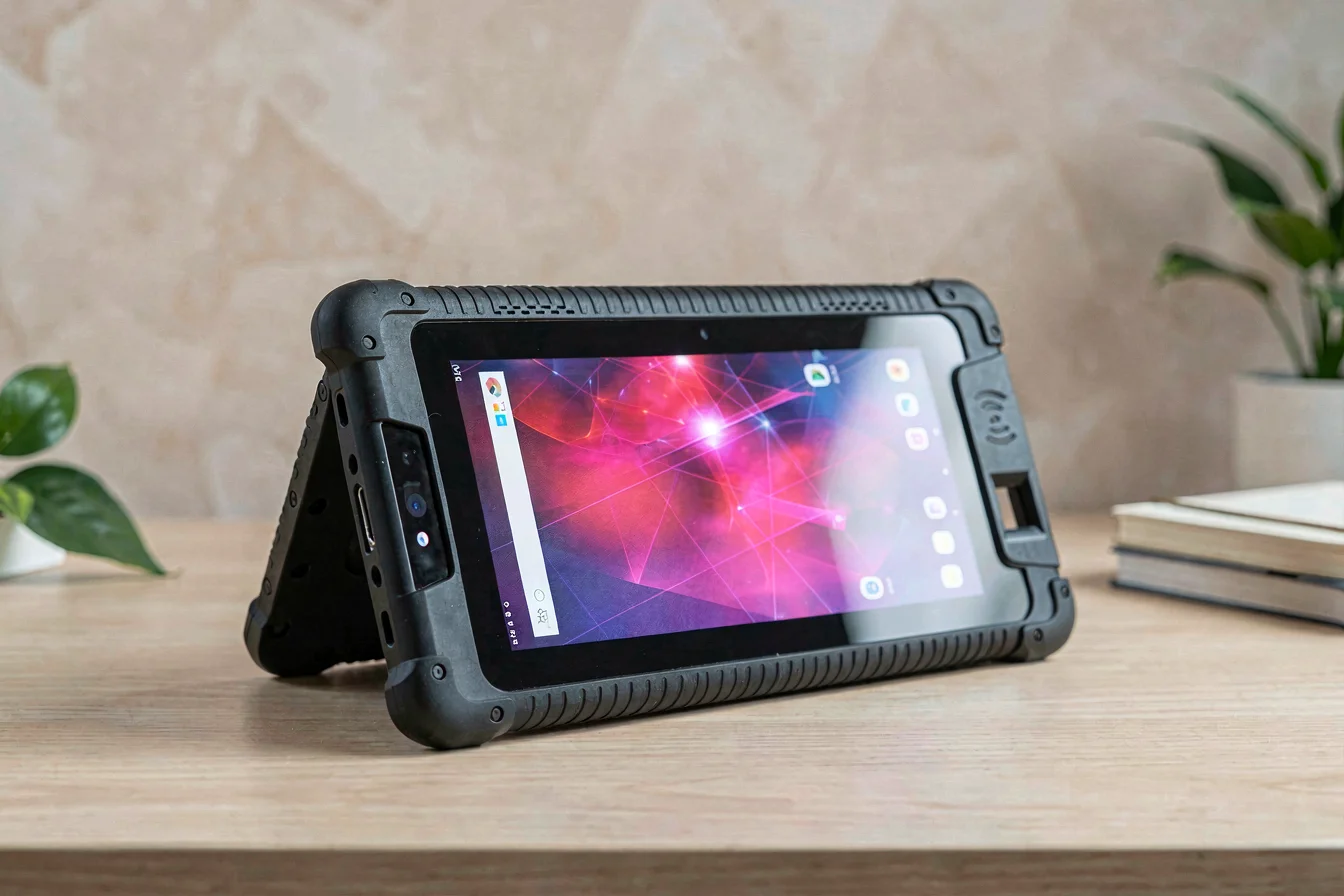
The mapan tablet targets price-sensitive buyers seeking basic computing for light tasks, but lacks the advanced features, ecosystem, and reliability of leading tablets like Samsung Galaxy Tab and Apple iPad. Procurement decisions overwhelmingly favor Samsung and Apple for high-performance, multi-year deployments, while Mapan suits short-term, low-intensity usage. Buyers must weigh cost, brand reputation, and lifecycle support when choosing between these options.
The mapan tablet delivers entry-level computing at a low price point, appealing to budget-conscious users, but suffers from weak hardware, limited app compatibility, and inconsistent build quality. In contrast, leading tablets such as Samsung Galaxy Tab and Apple iPad offer superior performance, robust ecosystems, and proven reliability, making them the preferred choice for businesses and intensive users. The procurement dilemma centers on balancing upfront cost with long-term value and support.
Technological innovations in leading tablets include advanced processors, high-resolution displays, robust app ecosystems, and multi-year software updates. Mapan’s innovations are minimal, focusing on slim form and basic connectivity. Both target distinct audiences: Mapan for price-sensitive, low-intensity users; Samsung and Apple for high-performance, reliability-focused buyers.
The urgency of this decision is driven by rapidly evolving user expectations and the increasing importance of ecosystem integration and after-sales support in procurement logic.
| Feature | Mapan Tablet | Leading Tablets (Samsung/Apple) |
|---|---|---|
| CPU | Dual-core 1.4GHz ATM7021A | Quad-core 2–4GHz (Snapdragon/Apple A) |
| RAM | 1GB DDR III | 2–4GB |
| Storage | 8GB flash | 32–256GB |
| OS | Android 4.2 | Android/iOS latest |
| Certifications | CE | FCC, CE, Bluetooth |
| Price Range | $1–$67 | $200–$1000 |
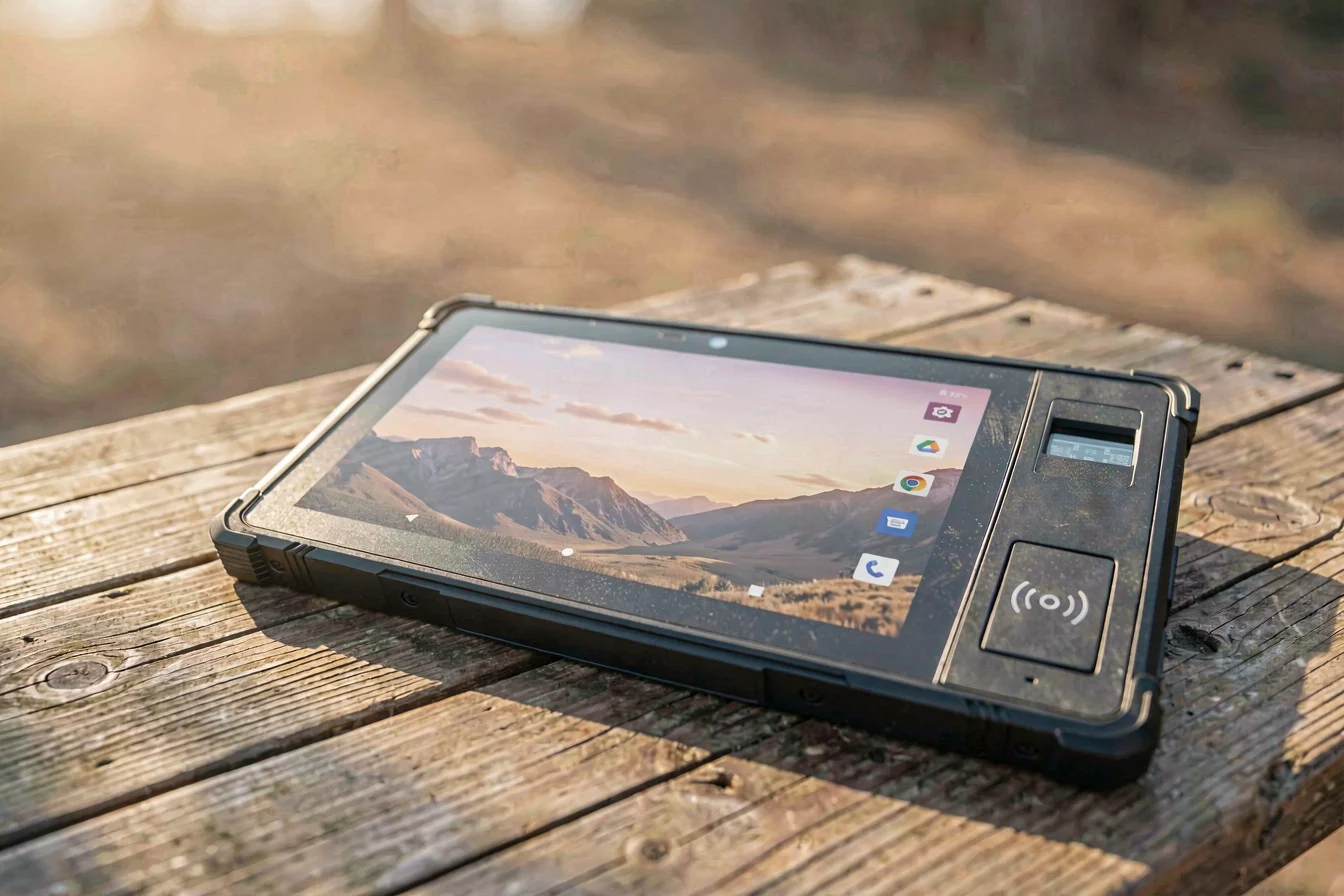
Durability is a critical factor for procurement teams evaluating mapan tablet versus leading tablets . Mapan’s build quality is inconsistent, with reports of loose buttons and rapid wear, while Samsung and Apple tablets are engineered for multi-year use with robust materials and advanced battery management. Application scenarios also differ: Mapan excels in light-use settings (e-book reading, streaming), but struggles with intensive tasks or demanding software updates.
Long-term costs include not only initial price but also maintenance, replacement frequency, and hidden expenses like app compatibility, warranty support, and ecosystem integration. Mapan’s low upfront cost is offset by shorter lifespan and limited after-sales support, while leading brands offer multi-year updates and reliable service networks.
For high-usage, mission-critical deployments, durability and ecosystem support outweigh upfront savings, making leading tablets the strategic choice.
| Cost Factor | Mapan Tablet | Leading Tablets |
|---|---|---|
| Initial Purchase | $1–$67 | $200–$1000 |
| Replacement Frequency | 1–2 years | 3–5 years |
| Maintenance | Limited support, DIY repairs | Warranty, authorized service |
| Hidden Costs | App compatibility, lack of updates | Minimal, ecosystem integration |
| 5-Year Total Cost | $200–$300 | $600–$1200 |
The tablet category delivers core value in mobile computing, education, entertainment, and business workflows. Urgency in procurement is driven by rapid shifts in user behavior and the rise of multi-device ecosystems. Mapan targets price-sensitive buyers, while Samsung and Apple dominate premium and high-volume segments.
Market trend data shows urbanization and multi-generational living drive demand for tablets in both B2C and B2B contexts. E-commerce stats confirm Samsung and Apple tablets dominate global sales, while Mapan remains niche[1].
Google Trends analysis reveals that search interest for mapan tablet remains consistently low, with values below 15, while Samsung Galaxy Tab and Apple iPad search indices range from 52 to 80, peaking during holiday and back-to-school periods[1].
Search Interest Over Time
Procurement teams should prioritize market-leading brands for high-volume, long-term deployments, as search interest and purchasing momentum strongly favor Samsung and Apple tablets.
Social media and Reddit data reveal stark differences in user sentiment. Mapan tablet is praised for affordability but criticized for poor build quality and limited ecosystem support. Leading tablets are consistently lauded for durability, app compatibility, and ecosystem integration.
Case Study 1: Budget Buyer (Reddit, r/AskTechnology)
A user purchased a Mapan Tablet for basic streaming and e-book reading but experienced frequent hardware failures and app compatibility issues. They noted:
"Prices have me shuddering. I have general trust issues regarding used products. Sure they are a fair price but I am worried about being scammed among other things."
Case Study 2: Enterprise Buyer (Reddit, r/androidtablets)
A buyer for a school district evaluated Mapan for classroom use but opted for Samsung Galaxy Tab due to ecosystem integration and multi-year software updates. They noted:
"The 4gb A11 is only $117 at Walmart. Who would expect it to be as nice as a $500 iPad mini? It does, however, get 7 years of Android updates and support. That's pretty amazing for its price."
| Dimension | Mapan Tablet | Leading Tablets |
|---|---|---|
| Overall Satisfaction | Low | High |
| Most Praised Feature | Price | Durability, ecosystem |
| Most Common Complaint | Build quality, app support | Price, battery life |
| Community Recommendation Rate | Low | High |
Table data sourced from [3][4].
Viral content themes include debates over price versus reliability, app compatibility, and ecosystem integration. TikTok and YouTube highlight the “upgrade cycle” dilemma, with users sharing stories of regret over low-cost tablets that require frequent replacement. Cultural reception is overwhelmingly negative for Mapan, while leading brands are seen as “investment” purchases.
Social media sentiment confirms that reliability and ecosystem support outweigh price for most buyers, especially in professional and educational contexts.
Before purchasing, buyers should clarify their core needs by asking:
| Tier | Recommended Product | Key Reason |
|---|---|---|
| Budget-Friendly | Mapan Tablet | Low upfront cost, basic tasks |
| Mid-Range | Samsung Galaxy Tab | Balance of price and performance |
| Premium | Apple iPad | Ecosystem, reliability, multi-year support |
Table data sourced from [2][4][6].
Optimization tips: Buy during holiday sales for best pricing; bundle with accessories for added value; prioritize warranty and after-sales support; avoid cheap, unbranded tablets for mission-critical tasks. Common mistakes include neglecting ecosystem compatibility and underestimating replacement costs.
Buyers should match their procurement strategy to actual use cases and lifecycle needs, not just upfront price.
Synthesizing all insights, the procurement logic for mapan tablet versus leading tablets is clear: Mapan is viable only for short-term, low-intensity deployments where price trumps reliability and ecosystem support. For high-performance, long-term use, Samsung Galaxy Tab and Apple iPad remain the strategic choice, backed by strong user sentiment, search momentum, and supply-chain resilience.
Looking ahead, the tablet market will continue to favor brands with robust ecosystems, multi-year updates, and reliable after-sales support. Procurement teams should anticipate increased demand for high-performance tablets in education and enterprise, and prioritize supplier relationships that deliver consistent quality and support.
Confident buyer action is essential: share your experiences online to inform the community, and commercial buyers should source from Alibaba.com for reliable, high-volume tablet procurement.