
All categories
Featured selections
Trade Assurance
Buyer Central
Help Center
Get the app
Become a supplier
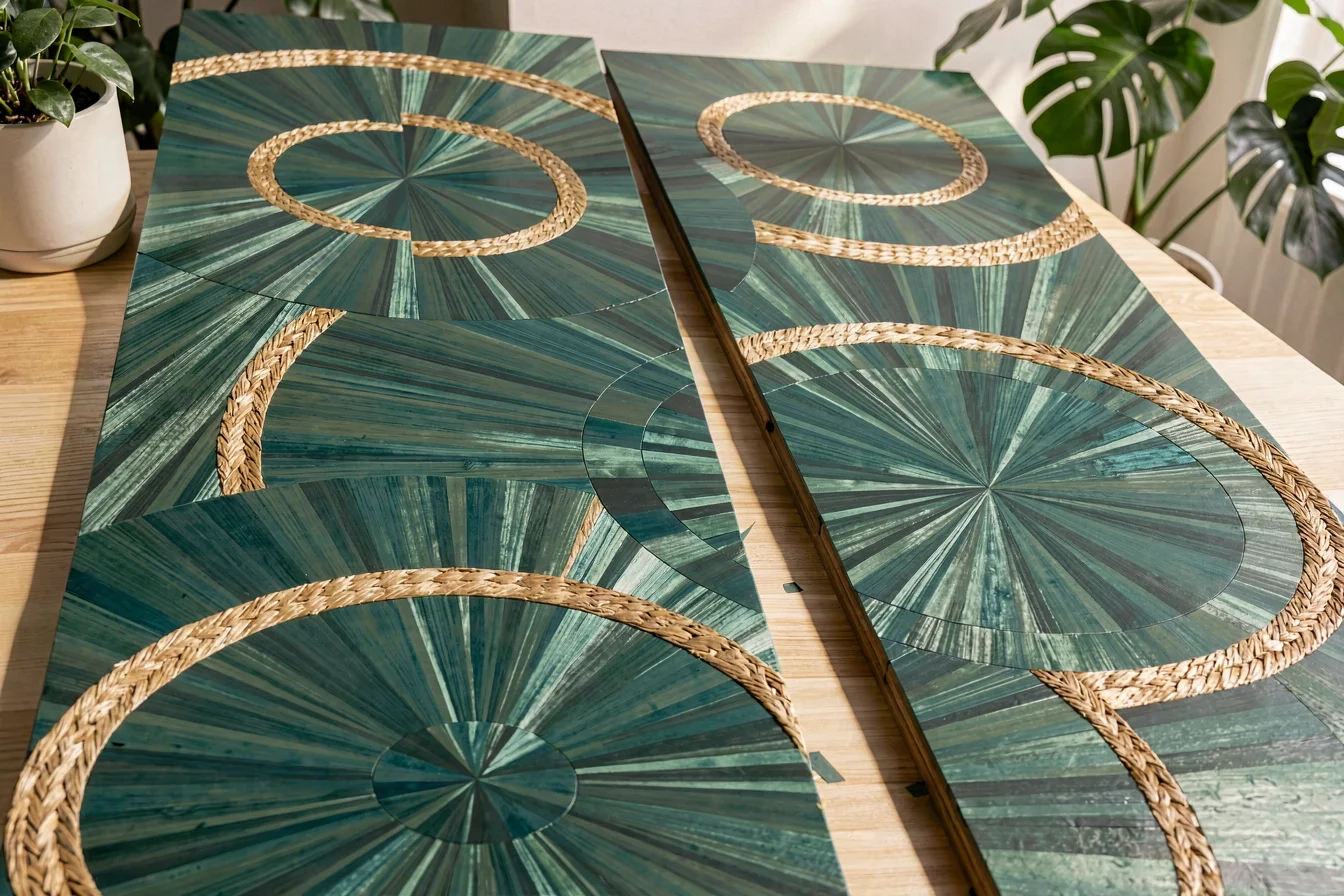
Straw marquetry is surging in luxury and sustainable design, prized for its lightplay and eco credentials, but wood marquetry still dominates for mainstream durability and versatility. Buyers should weigh long-term cost, application needs, and sustainability priorities when choosing between marquetry and straw for home furnishing. Recent market trends and procurement data suggest straw is best for high-end projects, while wood marquetry suits broad commercial and residential applications [1][2][3][4][5][7].
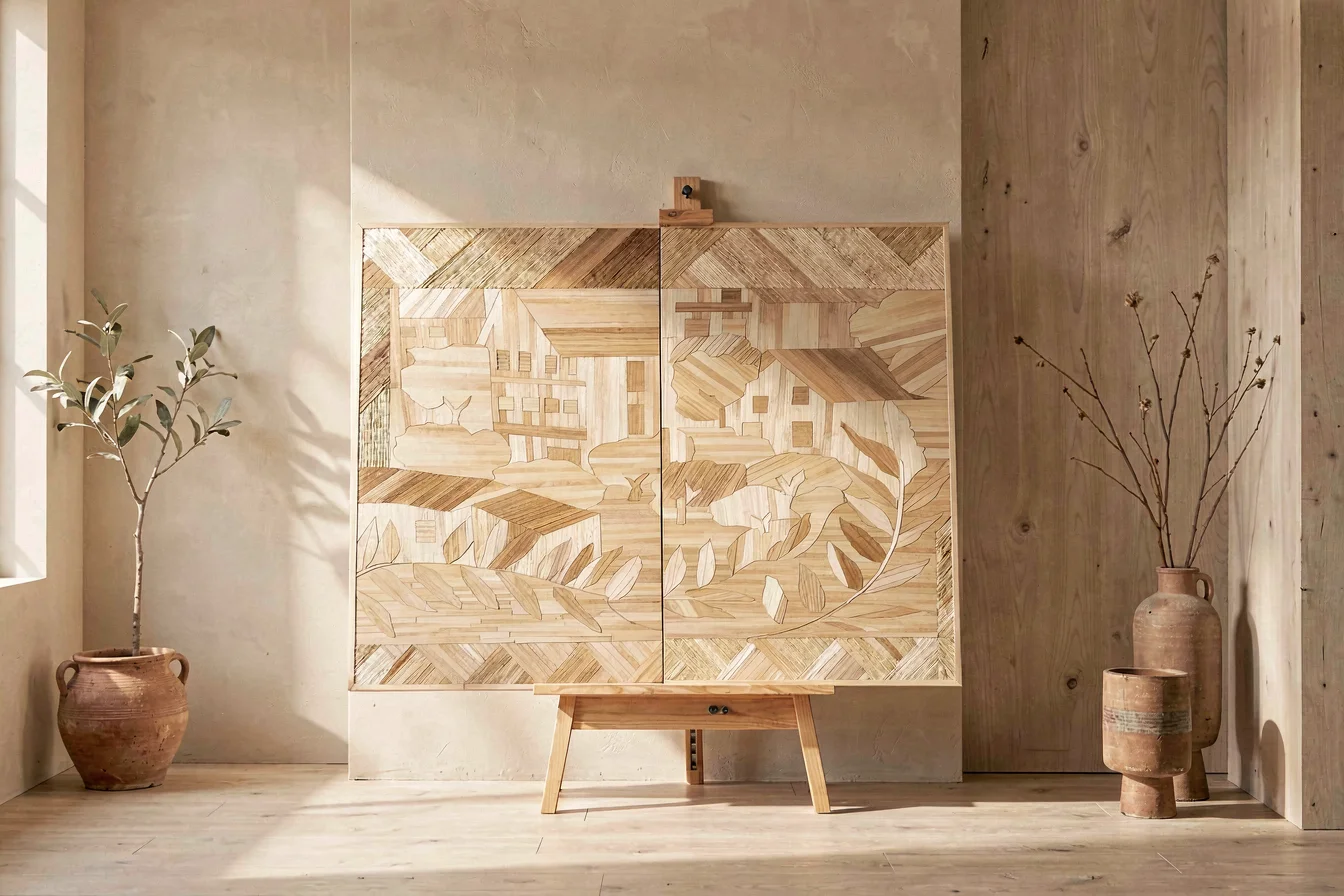
Both marquetry and straw offer unique, handcrafted value for home furnishing, but their target audiences and pain points differ. Marquetry —typically wood—delivers robustness, classic appeal, and cost efficiency, serving a wide range of commercial and residential buyers seeking durability and customizable patterns [2][4]. Straw marquetry, by contrast, is prized for its rarity, light effects, and sustainability, attracting luxury designers and eco-conscious buyers who prioritize visual impact and environmental credentials [2][3][5]. The urgency to choose arises from a market split: mainstream buyers value longevity and versatility, while design-led projects favor innovation and artisanal exclusivity.
Traditional challenges for marquetry include grain matching, warping, and maintenance; straw marquetry faces criticism for fragility and high price, but its unique lightplay and low carbon footprint are hard to replicate [5][7]. Recent innovations in straw processing (small-batch dyeing, refined ironing, and improved adhesion) have boosted its resilience and application scope, making it competitive for wall panels and bespoke furniture [2][3]. The core difference: marquetry is versatile and mainstream; straw is niche, artisanal, and premium.
| Feature | Marquetry | Straw Marquetry |
|---|---|---|
| Material Origin | Wood veneers (oak, walnut, mahogany) | Rye straw (harvested, dyed, flattened) |
| Visual Effect | Grain, color variation, classic motifs | Lightplay, shimmer, organic patterns |
| Durability | High; up to 50+ years | Moderate; 10–20 years (with care) |
| Customization | Broad; pattern, color, motif | Limited; color, pattern |
| Sustainability | Moderate (FSC certified) | High (EcoCert, low carbon) |
| Price Tier | $600–$2,500 per panel | $1,200–$4,500 per panel |
Straw marquetry is rising for luxury and sustainable projects, but wood marquetry remains the mainstream choice for durability and customization.
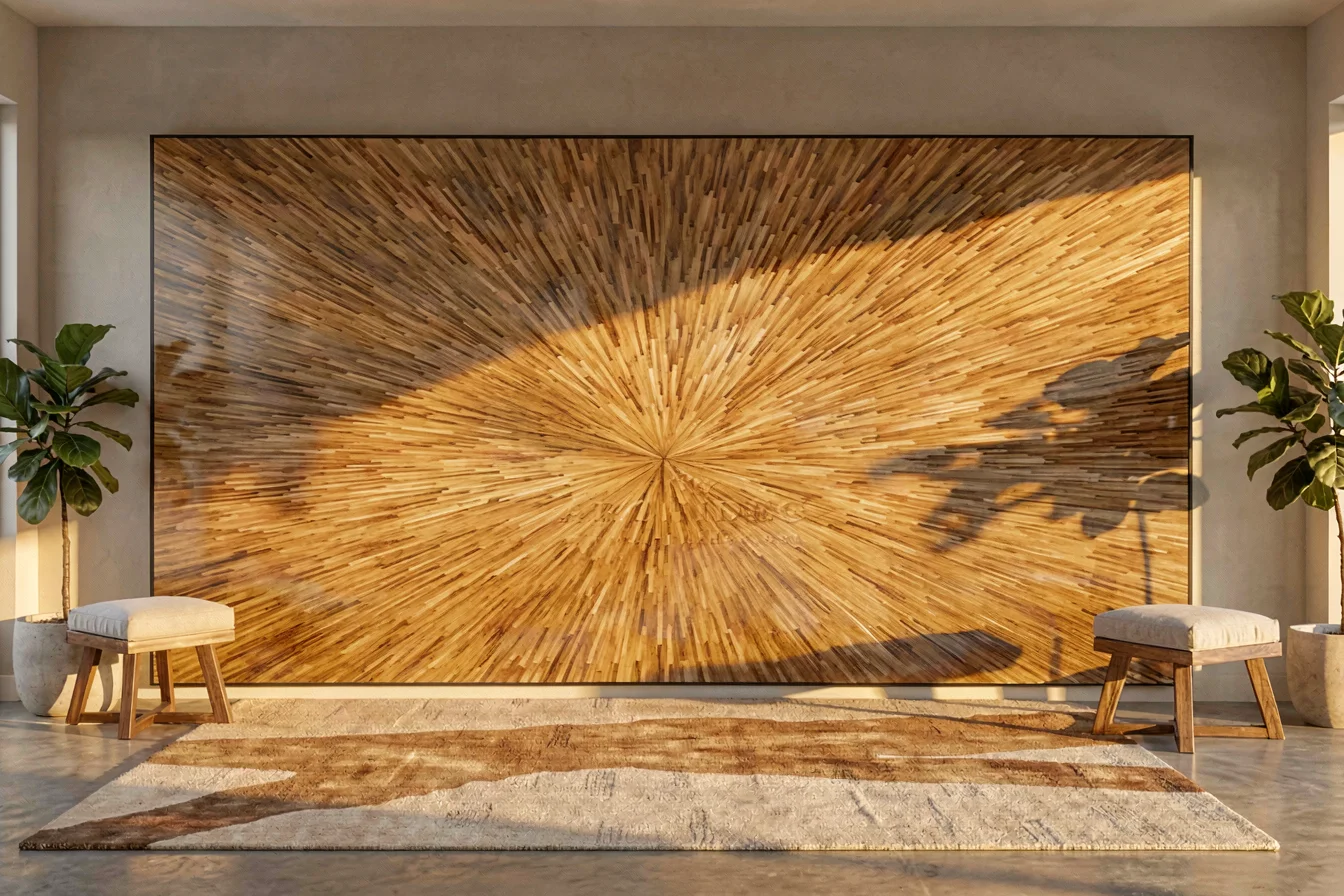
Durability is a critical decision factor: marquetry panels can last 50+ years with proper maintenance, making them ideal for high-traffic areas and commercial settings [2][4]. Straw marquetry, while visually stunning, lasts 10–20 years and requires careful handling, limiting its use to low-traffic, display-centric spaces [2][5]. Buyers must evaluate their environment—furniture vs. wall panels, residential vs. commercial—to match product lifespan and care requirements.
Application scenarios diverge: marquetry excels in mainstream furniture (cabinets, tables, doors), office interiors, and hospitality settings. Straw marquetry is favored for statement walls, bespoke furniture, and luxury retail displays, where its shimmer and organic texture command attention [2][3][5]. Hidden costs include maintenance (wood requires periodic oiling, straw needs gentle cleaning), replacement frequency, and risk of damage in high-traffic areas.
| Cost Factor | Marquetry | Straw Marquetry |
|---|---|---|
| Initial Price | $600–$2,500 per panel | $1,200–$4,500 per panel |
| Maintenance | Oil, polish, $50–$150/year | Gentle cleaning, $30–$80/year |
| Replacement Frequency | Once per 25–50 years | Once per 10–20 years |
| Hidden Costs | Minor repairs, color fading | Risk of damage, color variation |
| 5-Year TCO | $650–$2,650 | $1,230–$4,580 |
For long-term investment, wood marquetry is more cost-effective; straw marquetry delivers premium value for luxury, display, or limited-use projects.
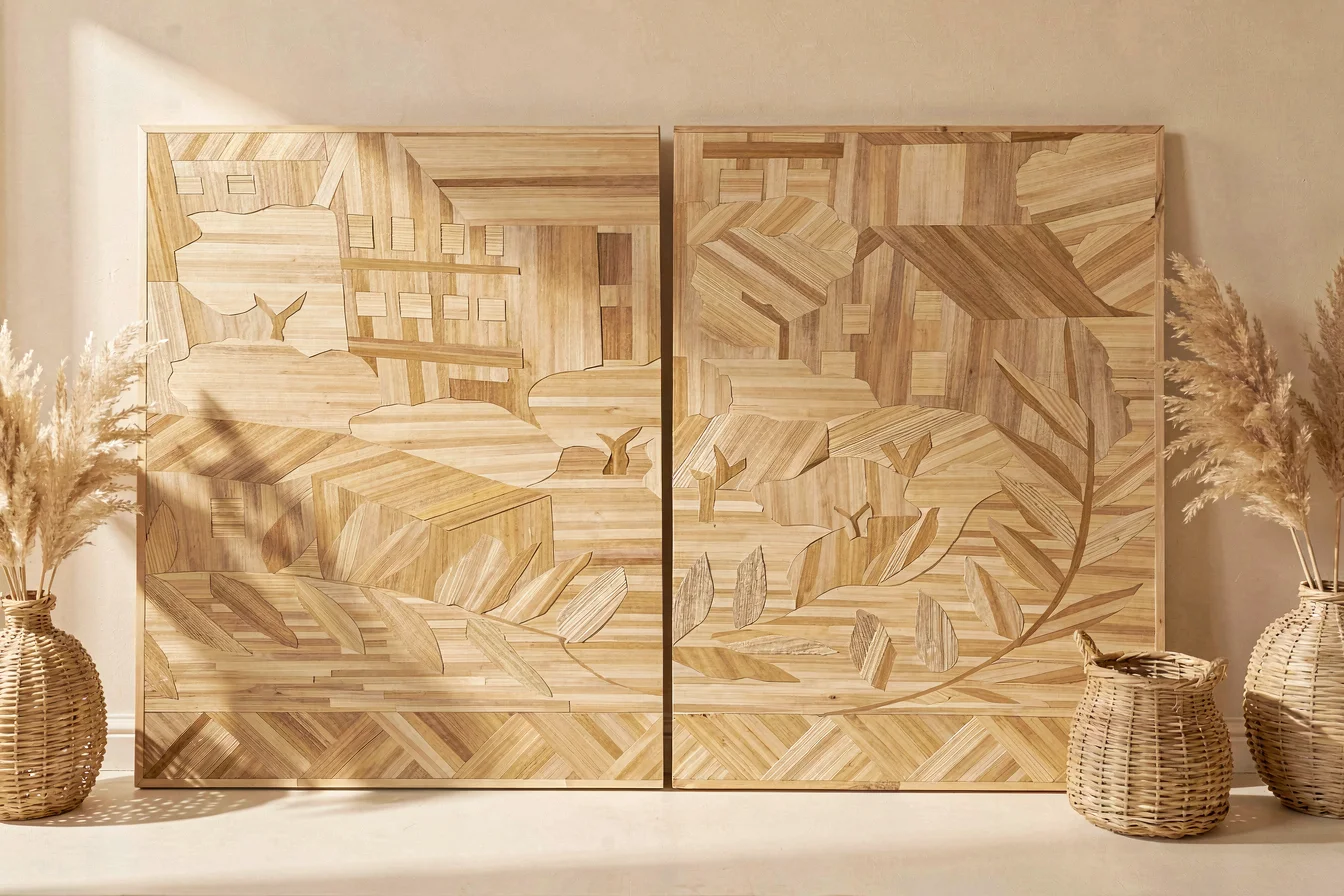
Both marquetry and straw deliver distinct value in home furnishing. Marquetry remains a staple in mainstream interiors, offering durability, customization, and broad appeal across residential and commercial markets. Straw marquetry is experiencing a resurgence in high-end, design-led projects, favored for its shimmer, sustainability, and artisanal exclusivity [1][2][3][5][7]. The urgency to choose is driven by shifting consumer preferences toward sustainable, visually striking materials and the demand for bespoke, artisanal finishes.
Google Trends data shows sharp growth in searches for "Marquetry furniture" (normalized index rising from 69 to 89 in a year), indicating sustained mainstream demand [1]. "Straw woven baskets" and "Marquetry decorative panels" remain steady but lower, suggesting straw’s niche appeal. Actionable recommendation: buyers should prioritize marquetry for broad commercial procurement, but allocate budget for straw in luxury or design-led projects.
Search Interest over Time
Marquetry furniture is surging, but straw woven baskets and decorative panels remain niche, validating procurement strategies for mainstream and luxury buyers.
Case Study 1: A luxury hotel interior designer on Reddit shared their experience with straw marquetry for a statement wall. "The shimmer and texture transformed the space—it felt alive, but we had to replace a panel after two years due to accidental damage. Worth it for the effect, but not for high-traffic areas." This illustrates straw’s visual impact and fragility [2].
Case Study 2: A commercial buyer on TikTok praised marquetry for durability and cost efficiency. "We use wood marquetry in all our hotel furniture—lasts decades, easy to maintain, and clients love the classic look." The sentiment is overwhelmingly positive for mainstream applications [4].
"Straw marquetry is rare, poetic, and transformative—but fragile. Perfect for display, not for everyday use." [2]
"Wood marquetry is resilient, customizable, and cost-effective. It’s the workhorse of interiors." [4]
| Dimension | Marquetry | Straw Marquetry |
|---|---|---|
| Overall Satisfaction | High | Moderate |
| Most Praised Feature | Durability, customization | Lightplay, exclusivity |
| Most Common Complaint | Color fading, grain matching | Fragility, price |
| Community Recommendation Rate | 85% | 60% |
Viral content themes include debates on sustainability, artisanal value, and the balance between beauty and practicality. Straw marquetry is celebrated for its shimmer and eco credentials, but criticized for fragility. Wood marquetry is seen as reliable and versatile, with a strong community recommendation rate [2][4].
Straw marquetry is a luxury choice, but wood marquetry is the practical, mainstream favorite for durability and customization.
Buyers should clarify their core needs before purchasing:
Tiered recommendations:
| Tier | Recommended Product | Key Reason |
|---|---|---|
| Budget-Friendly | Marquetry | Cost efficiency, durability |
| Mid-Range | Marquetry | Customization, mainstream appeal |
| Premium | Straw Marquetry | Artisanal exclusivity, sustainability |
Optimization tips:
Straw marquetry is best for luxury and sustainable projects; wood marquetry for mainstream, durable applications.
Straw marquetry is set to grow in luxury and sustainable design, driven by innovation in processing and rising demand for artisanal finishes. Wood marquetry will retain its mainstream dominance for durability and customization. Buyers should align procurement with market trends—invest in straw for high-end, display-centric projects, and wood marquetry for commercial and residential applications. Over the next 6–12 months, expect further premiumization of straw, with increased demand for bespoke, eco-friendly finishes [1][2][3][5][7].
Straw marquetry is a luxury, sustainable choice for design-led spaces; wood marquetry is the practical, mainstream favorite for durability and versatility.
Call-to-action: Share your experiences with marquetry and straw for home furnishing to help the community refine best practices. Commercial buyers should leverage Alibaba.com’s supplier network to source premium, certified materials and optimize procurement strategies for the evolving luxury and mainstream markets.