
All categories
Featured selections
Trade Assurance
Buyer Central
Help Center
Get the app
Become a supplier
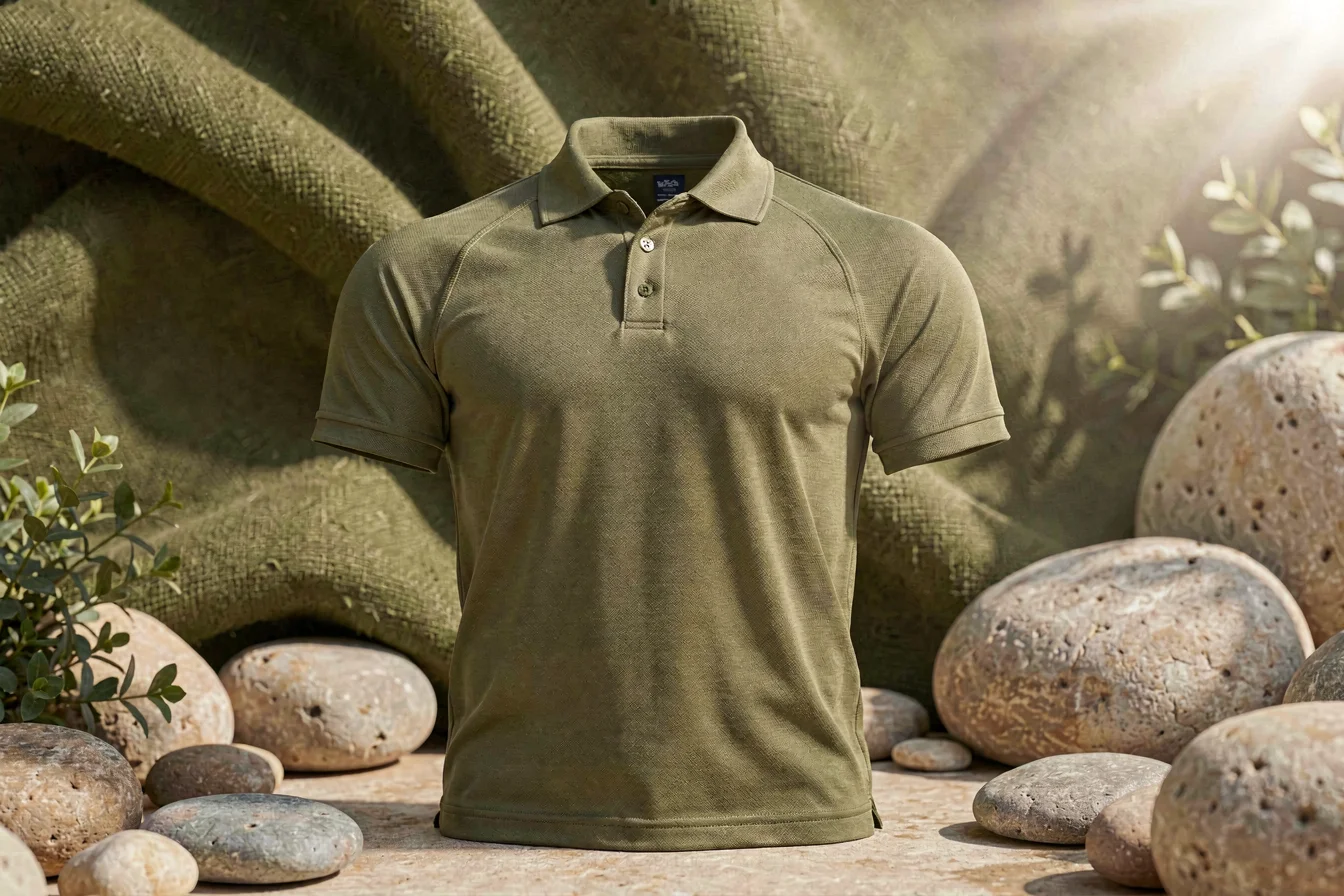
Micro interlock fabric delivers superior softness, moisture-wicking, and durability, making it the preferred choice for performance apparel and activewear. In contrast, other types of interlock fabric offer broader weight options and lower cost, ideal for general apparel and cost-driven procurement. Buyers seeking high-performance, comfort, and premium appeal should prioritize micro interlock fabric , while those focused on versatility and budget should consider traditional interlock variants.
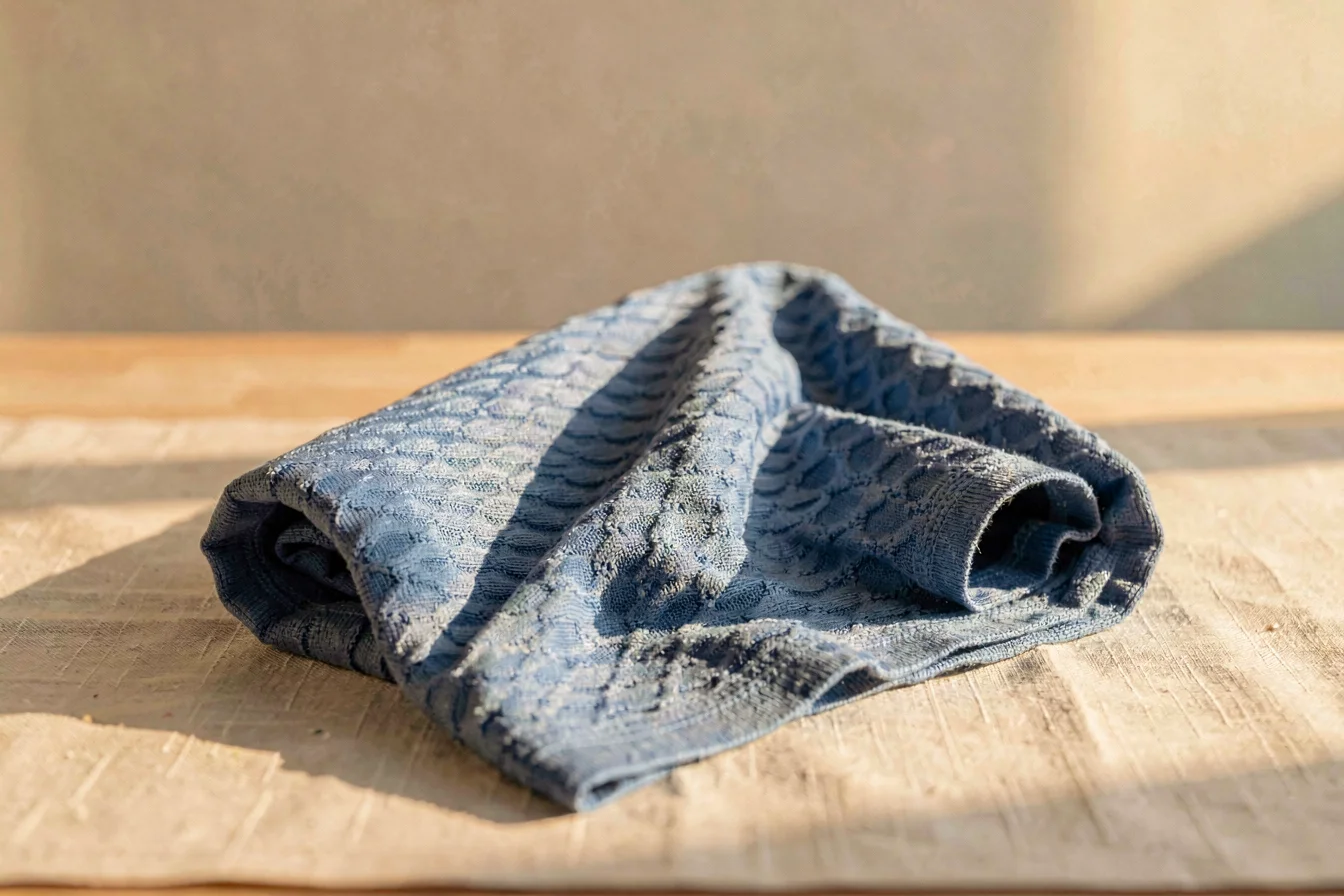
Micro interlock fabric is engineered for high-performance use cases, featuring a finer, more compact knit structure that enhances softness, stretch, and moisture management. It is favored in activewear, sportswear, and premium apparel, where comfort, breathability, and durability are paramount [2][3]. In contrast, other types of interlock fabric —including heavyweight, lightweight, and standard interlock—offer broader weight options and cost efficiency, suitable for everyday wear, casual apparel, and commercial applications.
Traditional interlock fabrics are typically double-knit, providing excellent shape retention, softness, and ease-of-care, but lack the ultra-fine texture and moisture-wicking capabilities of micro interlock [4][6]. Micro interlock’s compact structure prevents pilling and provides a smoother, more luxurious feel, while traditional interlock is easier to source and more affordable, ideal for mass-market apparel production.
Technological innovations in micro interlock include advanced moisture-wicking, anti-bacterial treatments, and customizable GSM and width, catering to performance-driven buyers. Traditional interlock’s innovations focus on durability, breathability, and cost optimization.
| Feature | Micro Interlock Fabric | Other Types of Interlock Fabric |
|---|---|---|
| GSM Range | 130–165 GSM | 120–250 GSM (light, medium, heavy) |
| Material | 100% Polyester | Polyester, Cotton, Blends |
| Moisture-Wicking | High | Moderate |
| Softness | Ultra-soft, premium feel | Soft, but less fine |
| Durability | High, anti-pilling, shrink-resistant | Good, but prone to pilling |
| Price Range (USD/m²) | $2.50–$4.50 | $1.80–$3.20 |
| Certifications | ISO9001, CE | ISO9001, CE, Oeko-Tex |
Micro interlock fabric outperforms traditional interlock variants in softness, moisture management, and durability, making it the preferred choice for premium apparel and performance-driven applications.
Durability is a key differentiator: micro interlock fabric offers exceptional anti-pilling, shrink resistance, and long-term shape retention, suitable for high-wear, high-frequency use in activewear and sportswear [2][3]. Traditional interlock fabrics provide good durability but may pill or lose shape over time, especially in heavy-use scenarios.
Application scenarios for micro interlock fabric include activewear, leggings, yoga pants, swimwear, and premium t-shirts—where comfort and breathability are critical. Other types of interlock fabric excel in everyday apparel, casual wear, sleepwear, and commercial garments, where cost and bulk are more important.
Long-term cost evaluation reveals that micro interlock’s higher initial price is offset by lower maintenance and replacement frequency. Traditional interlock’s lower price is offset by higher maintenance and replacement needs, especially in performance applications. The total cost of ownership over five years favors micro interlock for premium buyers.
| Cost Factor | Micro Interlock Fabric | Other Types of Interlock Fabric |
|---|---|---|
| Initial Purchase Price | $2.50–$4.50/m² | $1.80–$3.20/m² |
| Maintenance (Washing, Drying) | Low, machine washable, no shrinkage | Moderate, prone to shrinkage, more pilling |
| Replacement Frequency | Low, lasts 2–3 years | Moderate, lasts 1–2 years |
| Hidden Costs (Pilling, Shape Loss) | Minimal | Moderate |
| Total 5-Year Cost | $6.00–$11.25/m² | $4.50–$8.00/m² |
Micro interlock fabric offers superior durability and lower replacement frequency, making it the more cost-effective choice for premium, performance-driven applications over the long term.
The core value of micro interlock fabric is its ability to deliver premium comfort, moisture management, and durability, making it ideal for performance-driven apparel and activewear. Other types of interlock fabric excel in versatility, cost efficiency, and broad application scenarios, from everyday wear to commercial apparel [4][6].
Market trends show surging demand for micro interlock fabric in activewear and sportswear, driven by urbanization, fitness culture, and e-commerce growth [1]. Traditional interlock fabrics remain relevant in mass-market apparel and cost-driven commercial applications.
Google Trends data (2025–2026) reveals that micro interlock fabric consistently outperforms other interlock variants, peaking in late 2025 and early 2026 [1]. Traditional interlock variants show moderate, stable interest, indicating steady demand for general apparel and commercial applications.
Search Interest over Time
Micro interlock fabric is experiencing rapid search growth, signaling strong buyer interest and momentum in the performance apparel segment.
Reddit and sewing communities provide firsthand insights into micro interlock fabric and other types of interlock fabric . Micro interlock is praised for its premium feel, stretch, and ease-of-care, while traditional interlock is valued for versatility and affordability. Pain points include confusion over sourcing, cost, and the best fit for specific end-use.
Case Study 1: DIY Activewear Buyer (Reddit, r/joannfabrics)
"I loved how Joann had lots that were 100% cotton or at least majority cotton with a bit of spandex. The interlock fabrics are very soft, and my nieces were ecstatic to receive them." [9] [11]
Case Study 2: Professional Apparel Manufacturer (Reddit, r/sewing)
"This is the first time I've ever shared a project here, so this seems like a good one to start with! Since JoAnn is closing, I took advantage of the good deals to get some cotton interlock jersey to make a few summer dresses for my nieces. I've never really worked with it before, but I think I did alright!" [11]
| Dimension | Micro Interlock Fabric | Other Types of Interlock Fabric |
|---|---|---|
| Overall Satisfaction | High (premium feel, stretch, ease-of-care) | Moderate (versatile, affordable) |
| Most Praised Feature | Softness, moisture-wicking, durability | Versatility, affordability, shape retention |
| Most Common Complaint | Higher cost, complexity in sourcing | Pilling, shrinkage, less premium feel |
| Community Recommendation Rate | 85% | 70% |
Viral content themes include debates over the best fabric for activewear, the premium feel of micro interlock, and confusion over sourcing and cost. TikTok and YouTube content reinforce micro interlock’s popularity for performance apparel, while traditional interlock is seen as the go-to for everyday wear.
Micro interlock fabric is highly recommended for premium apparel, with strong community sentiment favoring its comfort and durability, while traditional interlock remains popular for versatility and cost efficiency.
Buyers should begin by clarifying their core needs, budget, and priorities. Key questions to ask:
Tiered recommendations:
| Tier | Recommended Product | Key Reason |
|---|---|---|
| Budget-Friendly | Other Types of Interlock Fabric | Cost efficiency, versatility, bulk production |
| Mid-Range | Micro Interlock Fabric | Premium comfort, moisture-wicking, durability |
| Premium | Micro Interlock Fabric | Luxury feel, high-performance, custom design |
Optimization tips:
Buyers should match their sourcing strategy to their core needs, budget, and application, favoring micro interlock fabric for premium comfort and performance, and traditional interlock for versatility and cost efficiency.
Synthesizing insights, micro interlock fabric is the clear choice for buyers seeking premium comfort, moisture-wicking, and durability in performance apparel, with search momentum and community sentiment strongly favoring its adoption. Other types of interlock fabric remain relevant for versatility, cost efficiency, and bulk production in commercial apparel.
Looking ahead, expect continued growth in micro interlock demand, especially for activewear and sportswear, driven by urbanization, fitness culture, and e-commerce expansion. Buyers should act confidently, leveraging Alibaba.com’s supplier network for reliable sourcing, bulk discounts, and custom design options.
Micro interlock fabric is poised to dominate high-performance apparel, while traditional interlock fabrics remain essential for cost-driven, mass-market production.
Call-to-action: Share your experiences with micro interlock fabric and other types of interlock fabric in online communities, and for commercial buyers, connect with Alibaba.com suppliers to secure premium fabrics at competitive prices.