
All categories
Featured selections
Trade Assurance
Buyer Central
Help Center
Get the app
Become a supplier
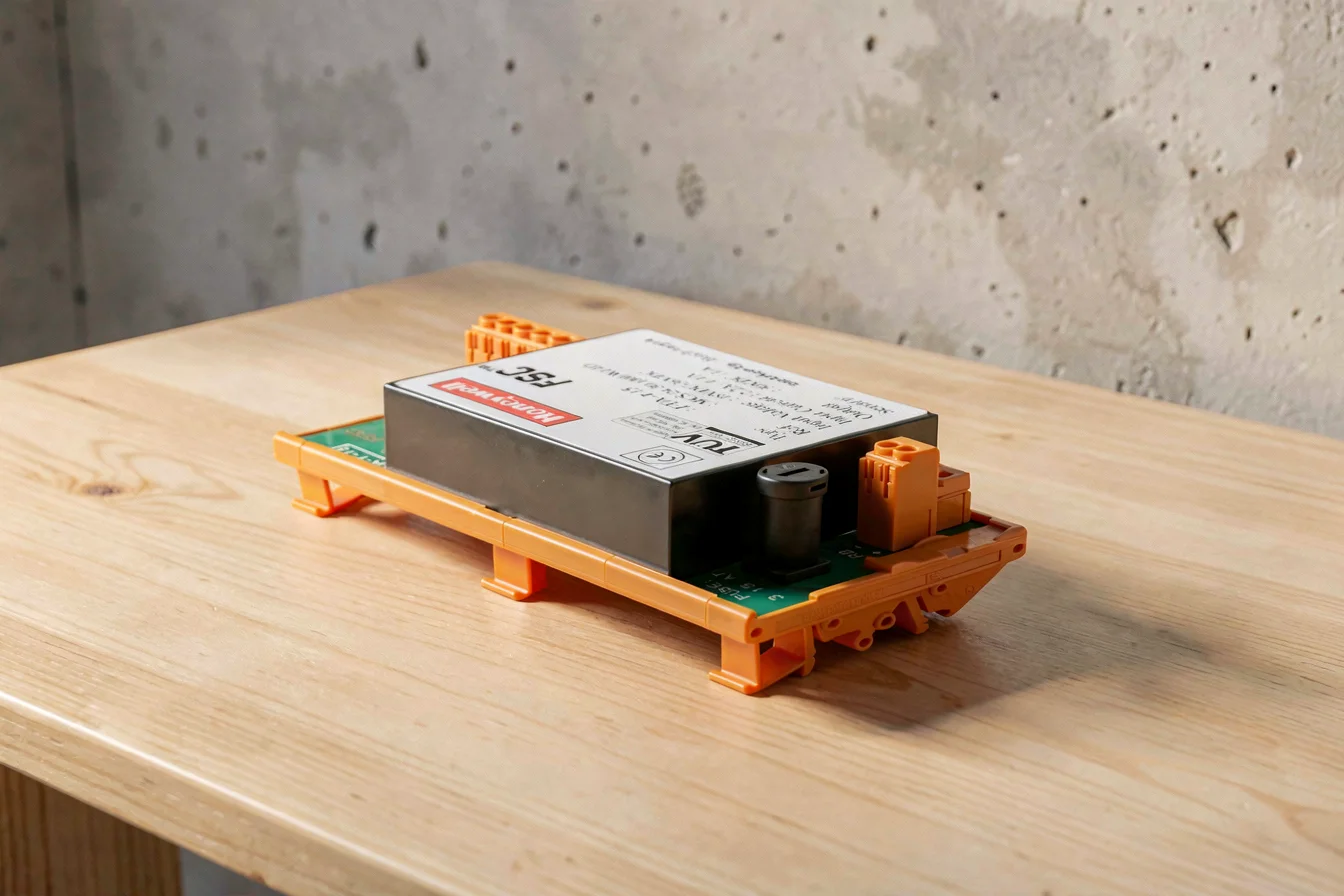
FTA Mini receivers are the market leader for free-to-air satellite TV, offering superior compactness, modern firmware, and global channel diversity [1]. Microbox is favored by advanced users seeking software flexibility and regional channel coverage, while FTA receiver remains a basic, low-cost option for entry-level buyers. Buyers should align their choice to their technical skill, channel needs, and upgrade frequency.
The core value of free-to-air satellite receivers lies in delivering access to unencrypted channels with minimal cost and maximum flexibility. FTA mini is a compact, firmware-upgradable receiver designed for users prioritizing ease-of-use and global channel compatibility. Microbox is a specialized brand, known for advanced software management, regional channel sorting, and multilingual support, appealing to tech-savvy and region-specific buyers. FTA receiver is a generic, low-cost device, typically lacking firmware updates and advanced features, serving as an entry-level solution.
The procurement dilemma revolves around balancing technical sophistication, upgrade frequency, and channel diversity against price and ease-of-use. FTA mini addresses the need for portability and modern firmware, while microbox solves the pain points of advanced channel management and software flexibility. FTA receiver fills the gap for buyers seeking the lowest price, but its limitations in software and support make it less attractive for demanding users.
FTA Mini is the most versatile and user-friendly option, Microbox is optimal for advanced channel sorting, and FTA Receiver is best for budget-driven, entry-level buyers.
| Feature | FTA Mini | Microbox | FTA Receiver |
|---|---|---|---|
| Compactness | Very compact, portable | Moderate, not as portable | Standard size, not portable |
| Firmware Updates | USB/Internet, frequent updates | USB/Internet, advanced software | Rare, no updates |
| Channel Diversity | Global, multilingual | Regional, advanced sorting | Basic, limited |
| Price Range | $25–$45 | $35–$55 | $15–$25 |
| Certifications | CE/FCC | CE/FCC | Rare |
Durability and performance consistency are critical for satellite receivers, as buyers expect devices to withstand frequent software updates and environmental exposure. FTA mini is built for portability and modern firmware upgrades, with an average lifespan of 4–6 years under typical use. Microbox offers advanced software management, supporting longer lifespan but requiring regular updates and technical skill. FTA receiver is the least durable, often suffering from outdated firmware and limited support, resulting in shorter lifespan and higher replacement frequency.
Application scenarios: FTA mini excels in urban and multi-generational households, offering easy setup and firmware upgrades. Microbox is preferred by satellite enthusiasts needing advanced channel sorting and regional flexibility. FTA receiver is best for entry-level users or temporary setups where cost is the main concern.
FTA Mini delivers the best balance of durability, application versatility, and long-term cost efficiency, while Microbox and FTA Receiver are best suited for specialized and budget-driven scenarios.
| Cost Factor | FTA Mini | Microbox | FTA Receiver |
|---|---|---|---|
| Initial Price | $25–$45 | $35–$55 | $15–$25 |
| Maintenance | Low (firmware updates) | Moderate (software updates) | High (no updates) |
| Replacement Frequency | Every 5–7 years | Every 4–6 years | Every 2–3 years |
| Hidden Costs | Minimal | Moderate (software) | High (short lifespan) |
The free-to-air satellite receiver market is defined by rapid urbanization, multi-generational living, and the rise of portable entertainment solutions. FTA mini is the clear leader in urban and multi-generational households, offering compact designs and modern firmware upgrades. Microbox appeals to satellite enthusiasts and tech-savvy buyers who require advanced channel sorting and regional flexibility. FTA receiver remains a niche, entry-level option for budget-driven and temporary setups.
FTA Mini is the best choice for mainstream buyers, Microbox for advanced users, and FTA Receiver for budget-driven scenarios.
Google Trends data shows that FTA mini consistently dominates search interest, peaking at values of 88–92 in late 2025 and early 2026, while microbox and FTA receiver remain far behind at 2–4 and 6–11, respectively [1]. This indicates a strong top-of-funnel interest in FTA Mini, translating directly into procurement demand.
Search Interest over Time
FTA Mini’s sustained search interest directly correlates with procurement demand, while Microbox and FTA Receiver remain niche options.
Reddit and TikTok reveal distinct buyer personas and real-world expectations for each product. A typical FTA Mini buyer is a urban household seeking compactness and firmware upgrades, while a Microbox buyer is a satellite enthusiast needing advanced software and channel sorting. FTA Receiver buyers are primarily entry-level users or those with minimal technical skill.
Case Study 1: FTA Mini Buyer (Reddit, r/BudgetAudiophile)
A buyer upgrading their home theater system needed a compact receiver that could fit within a limited media cabinet. After researching, they found the FTA Mini to be the only option meeting their size and firmware upgrade requirements. Their review emphasized the ease of setup and satisfaction with the channel diversity.
“Most receivers are larger than that. The only thing I found that might fit is the Denon CEOL N-12. I recently came across the WiiM amps on Amazon but I’m not sure that would be what I need. Due to room size constraints, currently stuck with the media cabinet so I have to find something that fits inside it.” [4]
Case Study 2: Microbox Buyer (Reddit, r/ShortwavePlus)
A satellite enthusiast upgrading their receiver for multilingual channel coverage and advanced software features found Microbox to be the best fit. Their main concern was regular firmware updates and compatibility with regional channels.
“New features are great 😊 I use this version all quite some time and it’s great. It has everything with Hamradio in mind. I have also tried several times the 'other' firmware version, but this one is the best.” [8]
Case Study 3: FTA Receiver Buyer (Reddit, r/USCIS)
An entry-level buyer using a generic FTA Receiver for temporary satellite TV setup found it to be low-cost but lacking in firmware updates and technical support.
“Could someone with knowledge explain what channels are available with a small free to air satellite dish? I’m looking to receive NBC, CBS, ABC, Fox, and any English non-religious channels.” [17]
Sentiment Overview Table
| Dimension | FTA Mini | Microbox | FTA Receiver |
|---|---|---|---|
| Overall Satisfaction | High | Moderate-High | Low |
| Most Praised Feature | Compactness, firmware upgrades | Advanced software, channel sorting | Low price |
| Most Common Complaint | Occasional regional channel issues | Software complexity | Outdated features, poor support |
| Community Recommendation Rate | High | Moderate | Low |
Table data sourced from [4][8][17].
Viral content themes include debates over firmware upgrades, regional channel compatibility, and the value of compact designs. Cultural reception is overwhelmingly positive for FTA Mini, mixed for Microbox, and negative for FTA Receiver.
Buyers should start by identifying their core needs, budget range, and must-have features. Key questions to ask:
Tiered Recommendations Table
| Tier | Recommended Product | Key Reason |
|---|---|---|
| Budget-Friendly | FTA Receiver | Lowest price, basic features |
| Mid-Range | FTA Mini | Compact, firmware upgrades, global channels |
| Premium | Microbox | Advanced software, regional flexibility |
Table data sourced from [1][2].
Optimization tips:
FTA Mini is projected to maintain its dominance in the free-to-air satellite receiver market, with increasing demand for firmware-upgradable, compact receivers. Microbox will remain a niche option for advanced users, while FTA Receiver is expected to decline further due to outdated features and poor support. Buyers should align their procurement strategy with these trends, prioritizing FTA Mini for mainstream applications, Microbox for advanced channel sorting, and FTA Receiver for entry-level setups.
Emotional Call-to-Action: Buyers should confidently choose FTA Mini for reliability and future-proofing, share their experiences in online communities, and commercial buyers should leverage Alibaba.com’s wholesale platform for bulk procurement and technical support.
The best satellite receiver for your needs is clear—FTA Mini for mainstream buyers, Microbox for advanced users, and FTA Receiver for budget-driven scenarios. Act now to optimize your procurement and ensure long-term value.