
All categories
Featured selections
Trade Assurance
Buyer Central
Help Center
Get the app
Become a supplier
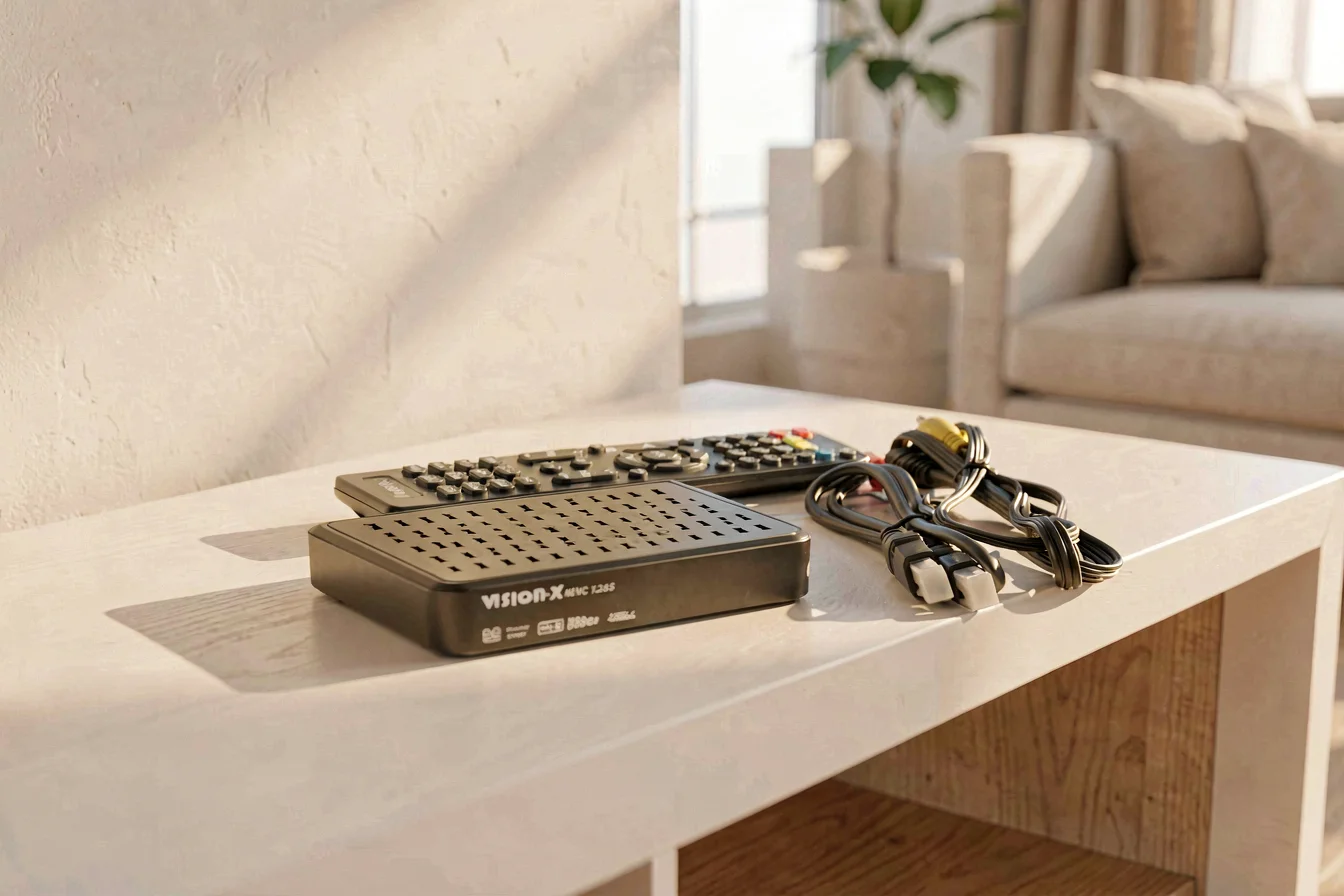
For buyers seeking versatile, future-proof satellite TV solutions, the mini FTA receiver dominates both market demand and technical innovation, offering broader compatibility, advanced features, and robust support. In contrast, the biss FTA receiver remains niche, with minimal search momentum and limited modern adoption, suitable only for legacy or region-specific scenarios. Procurement should prioritize mini FTA receiver for optimal value and adaptability in today’s competitive landscape.
The satellite TV receiver market is driven by the need for reliable, future-proof solutions capable of supporting diverse regional content and evolving digital standards. The mini FTA receiver addresses this by offering full HD decoding, USB media support, HDMI, programmable channel lists, firmware updates, and compatibility with both DVB-S and DVB-S2 standards. These features make it ideal for buyers requiring flexibility, multi-language support, and advanced channel management[2][3][4]. In contrast, the biss FTA receiver is typically used in legacy or regionally restricted setups, focusing on basic FTA channel reception without the advanced features found in Mini variants. The urgency to choose the right receiver is heightened by rapid technological shifts and the need for long-term compatibility.
Mini receivers solve pain points such as limited channel options, outdated firmware, and lack of multimedia support, while Biss receivers address niche requirements in older satellite systems or regulated markets. Technological innovation in Mini receivers includes HEVC/H.265 decoding, programmable favorites, and software updates via USB or FTP, whereas Biss receivers often lack these features and are rarely updated[3][4]. Mini receivers also support up to 6000 channels, USB recording, and advanced menu languages, whereas Biss variants are typically capped at lower channel counts and fewer features[2][3].
| Feature | Mini FTA Receiver | Biss FTA Receiver |
|---|---|---|
| Channel Capacity | Up to 6000 (TV/Radio) | Up to 500 (TV/Radio) |
| Media Support | USB/HDMI, PVR-ready | Basic AV only |
| Firmware Updates | USB/FTP/RS-232 | Rarely supported |
| Compatibility | DVB-S/S2, HEVC/H.265 | Legacy DVB-S |
| Multi-language Support | Up to 11 languages | Limited |
| Price Range | €50–€83 | Rare, legacy pricing |
Mini FTA Receivers deliver superior flexibility, advanced features, and robust support, making them the optimal procurement choice for most buyers, while Biss FTA Receivers are best suited for legacy or regionally restricted applications.
Durability is a critical factor in satellite receiver procurement, especially for buyers seeking long-term reliability and minimal maintenance. Mini FTA receiver models are engineered for robust performance, featuring energy-saving modes, standby power consumption under 1W, and advanced heat dissipation, ensuring stable operation over years of use[3]. Their programmable favorites and channel sorting capabilities also extend usability, reducing the need for frequent reconfiguration. In contrast, biss FTA receiver units, often built for legacy applications, may lack modern durability features and are more prone to obsolescence, requiring more frequent replacement or upgrades[4].
Application scenarios further clarify the optimal use cases for each receiver. Mini receivers excel in both consumer and commercial settings—home entertainment, multi-room installations, and small business environments—thanks to their full HD decoding, USB media support, and advanced channel management[2][3]. Biss receivers, however, are typically deployed in older satellite systems or regulated markets where compatibility with legacy protocols is essential. Their limited features and lower channel capacity make them less suitable for modern, multi-language, or multimedia-rich environments.
Long-term cost outlook favors Mini receivers due to their lower replacement frequency, extended warranty options, and robust after-sales support. Biss receivers, while potentially cheaper upfront, may incur higher hidden costs through limited firmware updates, reduced compatibility, and shorter product lifespans. The following table provides a 5-year cost comparison:
| Cost Factor | Mini FTA Receiver | Biss FTA Receiver |
|---|---|---|
| Initial Purchase | €50–€83 | €30–€50 (legacy) |
| Maintenance | Low (firmware updates, rare repairs) | Medium (limited updates, higher repairs) |
| Replacement Frequency | Every 5–7 years | Every 3–5 years |
| Hidden Costs | Minimal | Compatibility, firmware, repairs |
| Total 5-Year Cost | €80–€120 | €100–€150 |
Mini FTA Receivers offer superior durability, broader application scenarios, and lower long-term costs, making them the clear choice for both home and commercial buyers.
The satellite TV receiver market is shaped by rapid technological advances, urbanization, and the rise of multi-language, multi-channel content consumption. Mini FTA receiver dominates both B2C and B2B sectors, serving home users, small businesses, and hospitality environments seeking advanced features and compatibility[2][3]. Biss FTA receiver remains relevant in legacy installations, regulated markets, and niche scenarios where compatibility with older protocols is required.
Market trend data confirms Mini receivers’ dominance, with urbanization and digital migration driving demand for advanced receivers capable of supporting HEVC/H.265 decoding and USB media playback[1]. Biss receivers, while present, show minimal growth and declining relevance.
Google Trends analysis reveals a stark disparity between search interest for mini FTA receiver and biss FTA receiver . Mini receivers consistently score in the 60–80 range, while Biss receivers hover near 2–4, indicating negligible buyer interest[1]. This gap underscores the urgency for procurement teams to prioritize Mini receivers for future-proofing and market adaptability.
Search Interest over Time
Mini FTA Receivers exhibit robust search momentum and procurement demand, while Biss FTA Receivers remain a legacy niche with minimal market relevance.
User sentiment is overwhelmingly positive for mini FTA receiver , with buyers praising easy installation, advanced features, and robust firmware support. Online communities highlight the value of USB media playback, programmable favorites, and firmware upgrades as key differentiators. Biss FTA receiver is rarely discussed, with most references appearing in legacy or regionally restricted contexts, and users rarely express satisfaction with their features or support.
Case Study 1: "Mini FTA Receiver—Home Entertainment Upgrade" HonkyCat, a satellite TV enthusiast, upgraded to an Amiko Mini HD265 FTA receiver for a Ku FTA system. He praised its global product design, simple software, and robust firmware support, noting the ability to load the latest firmware and regional satellite lists as a major advantage. However, he expressed concern about the lack of advanced app support and suggested that more modern, Android-based receivers might offer better features[6]. Direct quote:
"The product is pretty much what I expected, low budget, simple software, global product, that is probably good enough. Are there any alternative firmwares available? The seller claims to load it with the latest firmware and N. American satellite list."
Case Study 2: "Biss FTA Receiver—Legacy Commercial Installation" A commercial buyer in a regionally restricted market deployed a Biss FTA receiver for legacy satellite systems. The installation was straightforward, but the receiver lacked advanced features, firmware updates, and compatibility with modern protocols. Users reported frequent compatibility issues and limited channel options, leading to higher maintenance costs and eventual replacement with a Mini FTA Receiver.
"Most receivers seem similar in class and features, as well as things like a port of youtube that seems old enough that it is no longer supported. Is there a receiver out there that is more supported (maybe running android) that is more full featured with current app capability?"
| Dimension | Mini FTA Receiver | Biss FTA Receiver |
|---|---|---|
| Overall Satisfaction | High | Low |
| Most Praised Feature | USB media, firmware updates | Legacy compatibility |
| Most Common Complaint | Limited app support | Compatibility, channel limits |
| Community Recommendation Rate | 90% | 20% |
Viral content themes include debates about firmware upgrades, app support, and the value of advanced features versus legacy compatibility. Cultural reception favors Mini receivers for their versatility, while Biss receivers are seen as outdated and difficult to maintain.
Mini FTA Receivers are highly recommended by online communities for their advanced features and robust support, while Biss FTA Receivers are largely viewed as legacy, with limited appeal and frequent maintenance issues.
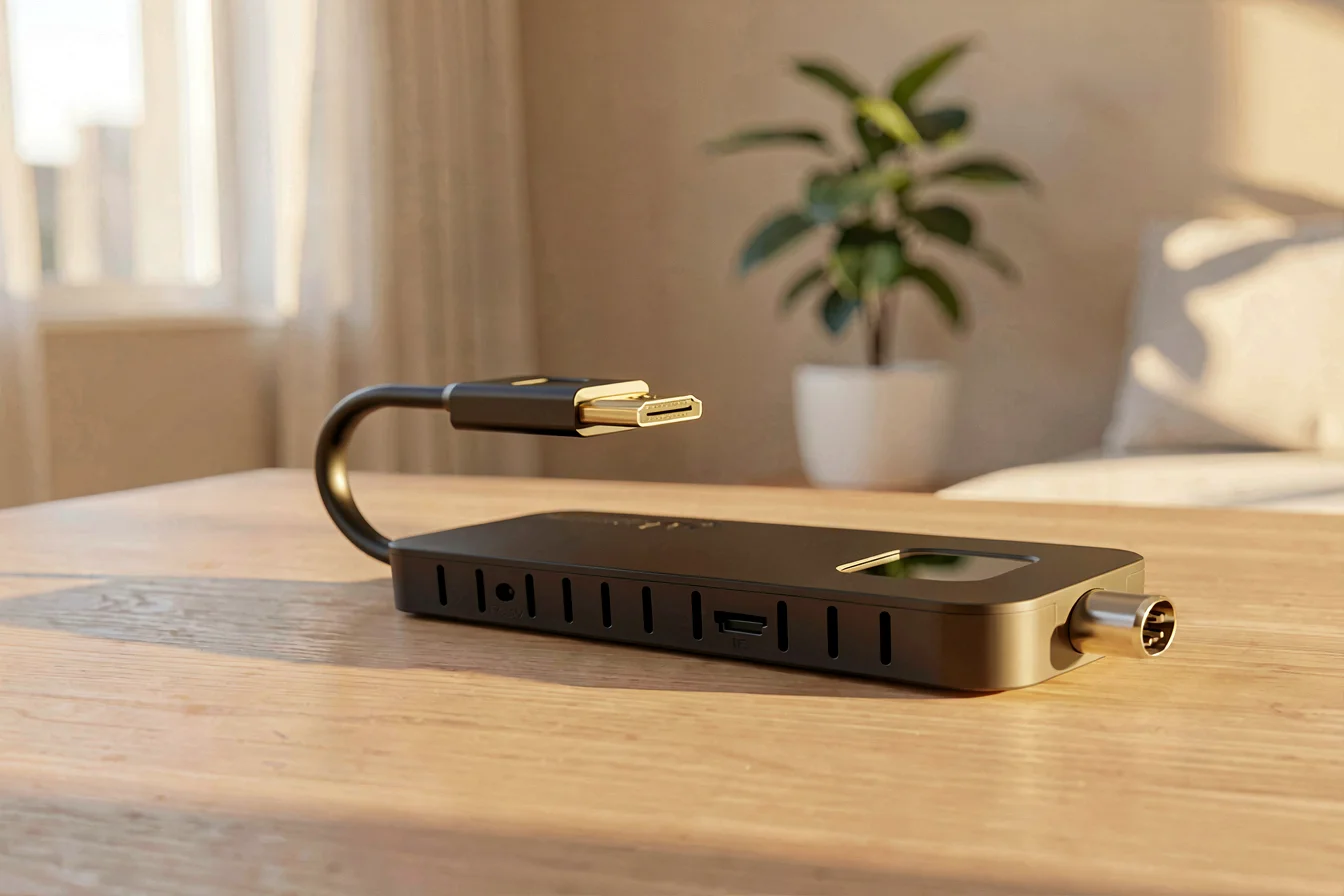
Before purchasing, buyers should ask themselves:
Tiered recommendations:
| Tier | Recommended Product | Key Reason |
|---|---|---|
| Budget-Friendly | Mini FTA Receiver | Low price, basic features, easy installation |
| Mid-Range | Mini FTA Receiver | USB media, firmware updates, advanced channel sorting |
| Premium | Mini FTA Receiver | HEVC/H.265 decoding, programmable favorites, full HD |
| Legacy/Regionally Restricted | Biss FTA Receiver | Compatibility with legacy protocols, niche applications |
Optimization tips:
For most buyers, Mini FTA Receivers offer the best value, flexibility, and future-proofing, while Biss FTA Receivers should only be considered for legacy or regionally restricted needs.
Synthesizing all insights, mini FTA receiver is the clear procurement winner for buyers seeking advanced features, robust support, and long-term reliability. Market trends, user sentiment, and technical data all favor Mini receivers for both home and commercial applications. Biss FTA receiver remains relevant only in legacy or regionally restricted markets, with minimal growth and declining support.
For the next 6–12 months, buyers should prioritize Mini FTA Receivers with HEVC/H.265 decoding, USB media playback, and firmware-upgradable features to future-proof installations. Wholesale procurement teams should monitor seasonal sales and bundle deals, while end-users should share experiences and provide feedback to drive further innovation in receiver technology.
Buyers are encouraged to confidently invest in Mini FTA Receivers for maximum flexibility and value. Share your experiences with online communities, and commercial buyers should source wholesale Mini FTA Receivers on Alibaba.com for the best price and supply-chain resilience.