
All categories
Featured selections
Trade Assurance
Buyer Central
Help Center
Get the app
Become a supplier
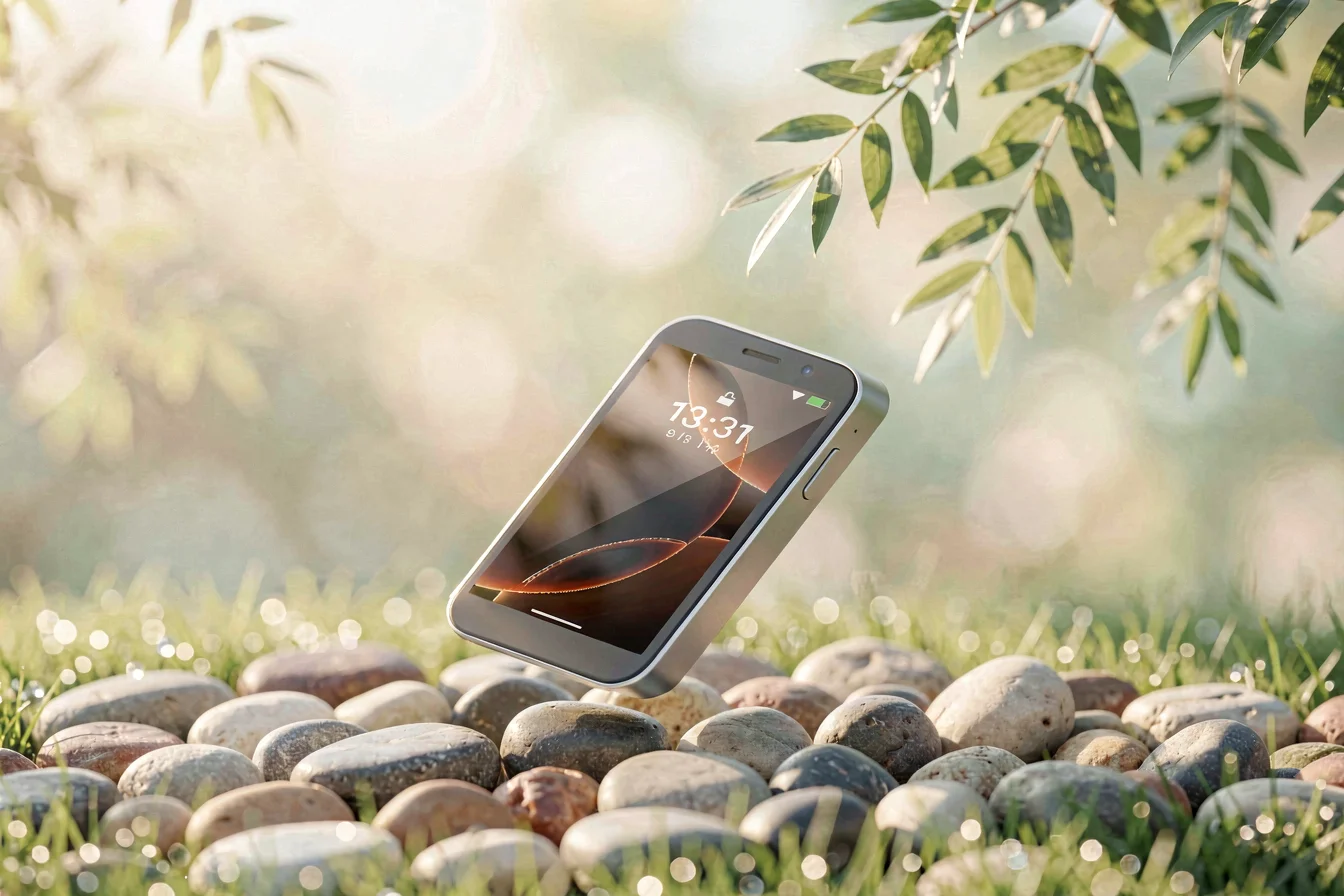
Mini cell phones are increasingly viable for niche buyers prioritizing portability, low cost, and single-handed usability, with search heat rising in China and specialty segments [1]. Standard China cell phones remain dominant for mainstream buyers seeking robust hardware, affordability, and ecosystem access, with supply chain reliability and price advantage [2][4]. Procurement logic: Choose mini cell phone for specialized, budget-driven, or portable applications; opt for standard china cell phone for high-volume, feature-complete, or ecosystem-dependent deployments.
The cell phone market is bifurcating: mini cell phone models are designed for portability, niche use, and low-cost entry, catering to buyers who prioritize compactness, single-handed operation, and minimal feature sets. Standard china cell phone models, by contrast, deliver mainstream hardware, robust battery life, and extensive app ecosystems, appealing to buyers focused on price, hardware specs, and ecosystem integration.
Mini cell phones solve the pain points of portability, easy handling, and reduced screen fatigue—ideal for seniors, mobile workers, and users with small hands [10][12]. Standard China cell phones address the need for powerful hardware, long battery life, and price advantage, supporting both B2C and B2B markets with reliable supply chains [2][4]. The traditional challenge with mini phones is limited battery life and software support, while standard China phones face criticism for software polish and privacy concerns [6][8].
Recent innovations: Mini phones now feature modular chassis, satellite connectivity, and improved battery management [5]. Standard China phones have advanced to Snapdragon 8 Elite, Dimensity 9400+ chipsets, IP68 water resistance, and high-end camera specs [2][4].
| Feature | Mini Cell Phone | Standard China Cell Phone |
|---|---|---|
| Screen Size | <5.5" | 6–7" |
| Battery Life | 1.5–3 years | 2–5 years |
| Price Range | $80–$170 | $150–$350 |
| Certifications | Limited, niche | IP68, 5G, international |
| Ecosystem | Minimal, proprietary | Robust, app-heavy |
| Software Support | Basic, limited updates | Advanced, frequent updates |
Mini cell phones are best for portability and niche buyers, while standard China cell phones dominate mainstream procurement due to price, hardware, and ecosystem advantages.
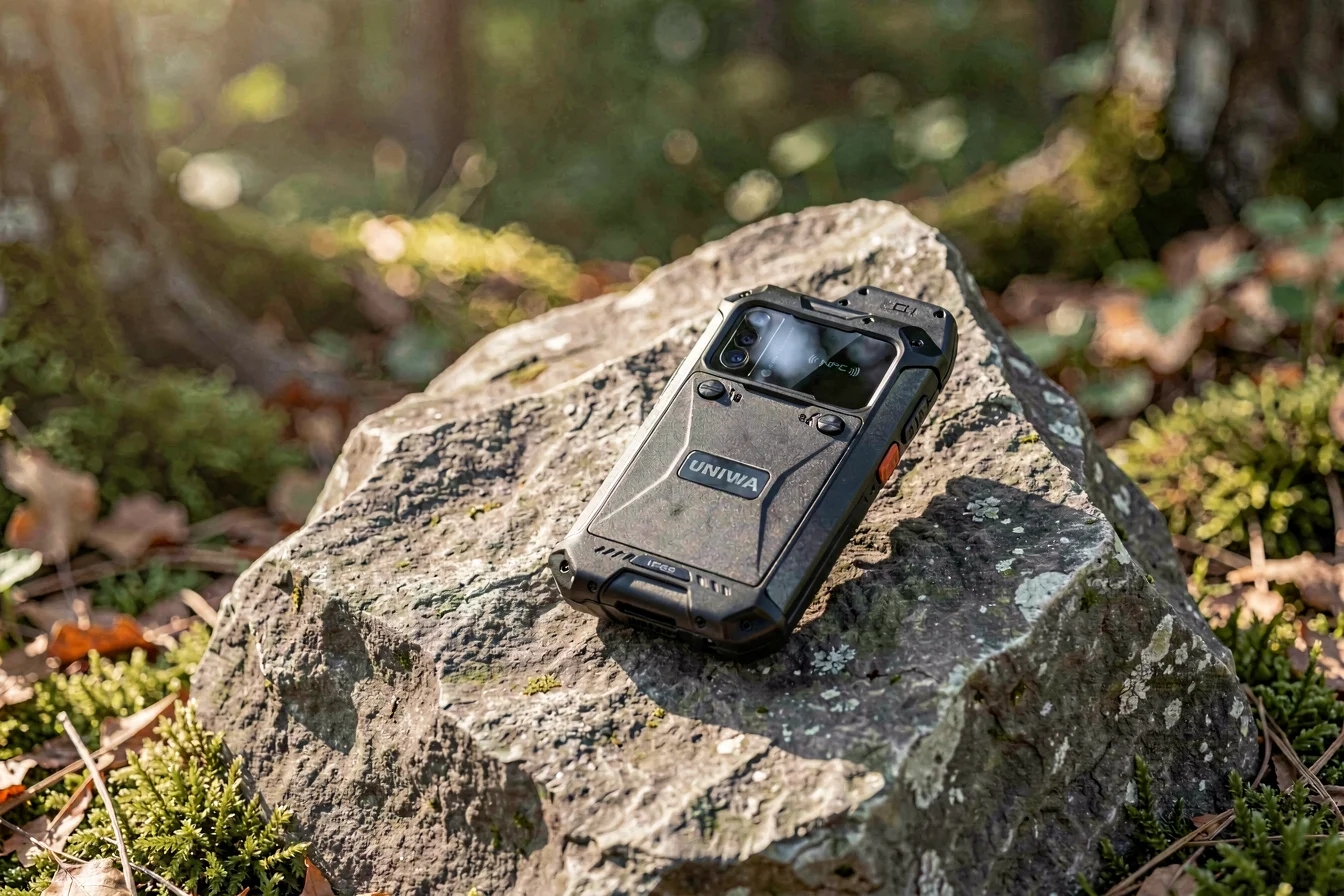
Durability is a critical procurement metric: mini cell phone models typically offer shorter lifespans due to smaller batteries and less robust build quality, but are favored for portability and single-handed use [12][15]. Standard china cell phone models boast longer battery life, higher IP ratings, and more frequent software updates, supporting demanding B2B and B2C environments [2][4].
Application scenarios: Mini phones excel in niche markets—elderly users, mobile workers, and those needing compact devices for travel or emergency backup. Standard China phones are ideal for mainstream buyers, corporate deployments, and users requiring app-heavy functionality, high battery capacity, and ecosystem integration [6][8].
Long-term cost outlook: Mini phones are cheaper upfront but may require more frequent replacement due to battery and feature limitations. Standard China phones offer higher initial cost but lower replacement frequency and better software support [2][4].
| Cost Factor | Mini Cell Phone | Standard China Cell Phone |
|---|---|---|
| Initial Purchase | $80–$170 | $150–$350 |
| Maintenance | Low, limited support | Moderate, frequent updates |
| Replacement Frequency | 1–2 years | 2–5 years |
| Hidden Costs | Battery, software | Software, ecosystem |
| 5-Year Total Cost | $240–$400 | $300–$600 |
Standard China cell phones offer superior durability and long-term cost efficiency, while mini phones suit buyers prioritizing portability and rapid replacement cycles.
The cell phone category delivers distinct value: mini phones for portability and niche use, standard China phones for mainstream affordability and feature completeness. In today’s competitive landscape, buyers must align their procurement with market trends and user scenarios.
Market trend data: Mini phones in China saw search heat rise from 51 to 76 (March 2025–Feb 2026), outpacing standard cell phones (41–66) [1]. Standard China phones maintain volume leadership due to price, supply chain reliability, and feature completeness [2][4].
Google Trends analysis reveals rising interest in mini phones, with peaks in August–September 2025 and again in January–February 2026, indicating seasonality and niche demand [1].
Search Interest over Time
Mini phones are trending for niche and specialty buyers, while standard China phones remain dominant for mainstream procurement—seasonality and search heat indicate rising demand for mini phones in specialty segments.
Reddit and TikTok reveal contrasting buyer experiences: mini cell phone users praise portability and nostalgia, but criticize battery life and feature limitations [10][12]. Standard china cell phone users value hardware and price, but raise concerns about software polish and privacy [6][8].
Case Study 1: Mini Cell Phone – A Reddit user recounts downsizing from an iPhone 15 Pro Max to a 12 Mini: “Going from a big phone to a small one felt weird at first… The battery is actually okay because it's a brand new cell… It almost feels weird looking at the spacing of the icons of the pro max now that I've used the mini for a while because they're so far apart on the large display of the 15. The 12 Mini is definitely more comfortable.” [13]
“iPhone 12 mini is the best phone apple ever produced.”
“Imagine a 2026 iPhone mini with a 5.5 screen and Dynamic Island with 8gb of ram and 256gb of storage and promotion and MagSafe with a 3000mah battery, and a single 48mg camera at 599. I know it would sell.”
Case Study 2: Standard China Cell Phone – A Reddit user discusses buying a Chinese phone for price and hardware: “I have had the OnePlus 12 for a little over a year and I do not regret buying this over an equivalently spec'd S24 Ultra that would have cost almost twice as much. Also I believe OnePlus is the only brand in the US that uses Snapdragon SOCs and allows you to unlock the bootloader which makes it better than Samsung (can't unlock the bootloader) and Pixel (Tensor) by default.” [6]
“Hardware is miles better yes and software while not always as good is far closer than people think.”
“Don't discount Oppo devices either. Wonderful designs, and their non-Google OS version from China has some pretty cool features in it.”
| Dimension | Mini Cell Phone | Standard China Cell Phone |
|---|---|---|
| Overall Satisfaction | Mixed; portability praised, battery criticized | High; hardware and price praised, software concerns |
| Most Praised Feature | Portability, nostalgia | Hardware, price |
| Most Common Complaint | Battery life, limited features | Software polish, privacy |
| Community Recommendation Rate | Moderate | High |
Viral content themes: Mini phones trend on TikTok and Reddit for nostalgia, portability, and single-handed use, while standard China phones trend for hardware, price, and ecosystem debates [10][12][6]. Recurring debate points include battery life, software polish, privacy, and price advantage. Cultural reception: Mini phones attract nostalgia-driven buyers and niche markets; standard China phones attract mainstream, app-heavy users and B2B buyers.
Social media sentiment confirms mini phones appeal to niche and nostalgia-driven buyers, while standard China phones dominate mainstream procurement due to hardware, price, and ecosystem advantages.
Buyers should ask themselves the following before purchasing:
Tiered recommendations:
| Tier | Recommended Product | Key Reason |
|---|---|---|
| Budget-Friendly | Mini Cell Phone | Portability, low cost, niche use |
| Mid-Range | Standard China Cell Phone | Hardware, price, ecosystem |
| Premium | Standard China Cell Phone | Feature completeness, supply chain reliability |
Optimization tips:
Segmented sourcing strategy ensures buyers align procurement with use case, budget, and priorities—mini phones for niche, standard China phones for mainstream and feature-complete deployments.
Key insights: Mini cell phones are gaining traction in niche and specialty segments, with rising search heat and positive sentiment for portability and nostalgia. Standard China cell phones maintain dominance for mainstream buyers, offering robust hardware, price advantage, and ecosystem integration [1][2][4].
Forward-looking recommendation: For the next 6–12 months, buyers should monitor seasonality and search trends for mini phones—especially in August–September and January–February—when demand peaks [1]. Standard China phones will continue to lead volume procurement, but buyers should prioritize models with advanced hardware, supply chain reliability, and international certifications for B2B deployments [2][4].
Emotional call-to-action: Share your experiences with mini phones and standard China phones on social media to help others make informed choices. Commercial buyers should leverage Alibaba.com for bulk procurement, supplier vetting, and compliance variant selection—act now to optimize sourcing and supply-chain resilience.
Confident procurement means aligning choice with use case, budget, and market trends—mini phones for niche, standard China phones for mainstream and feature-complete deployments. Share your story, source with Alibaba.com, and optimize your cell phone procurement today.