
All categories
Featured selections
Trade Assurance
Buyer Central
Help Center
Get the app
Become a supplier
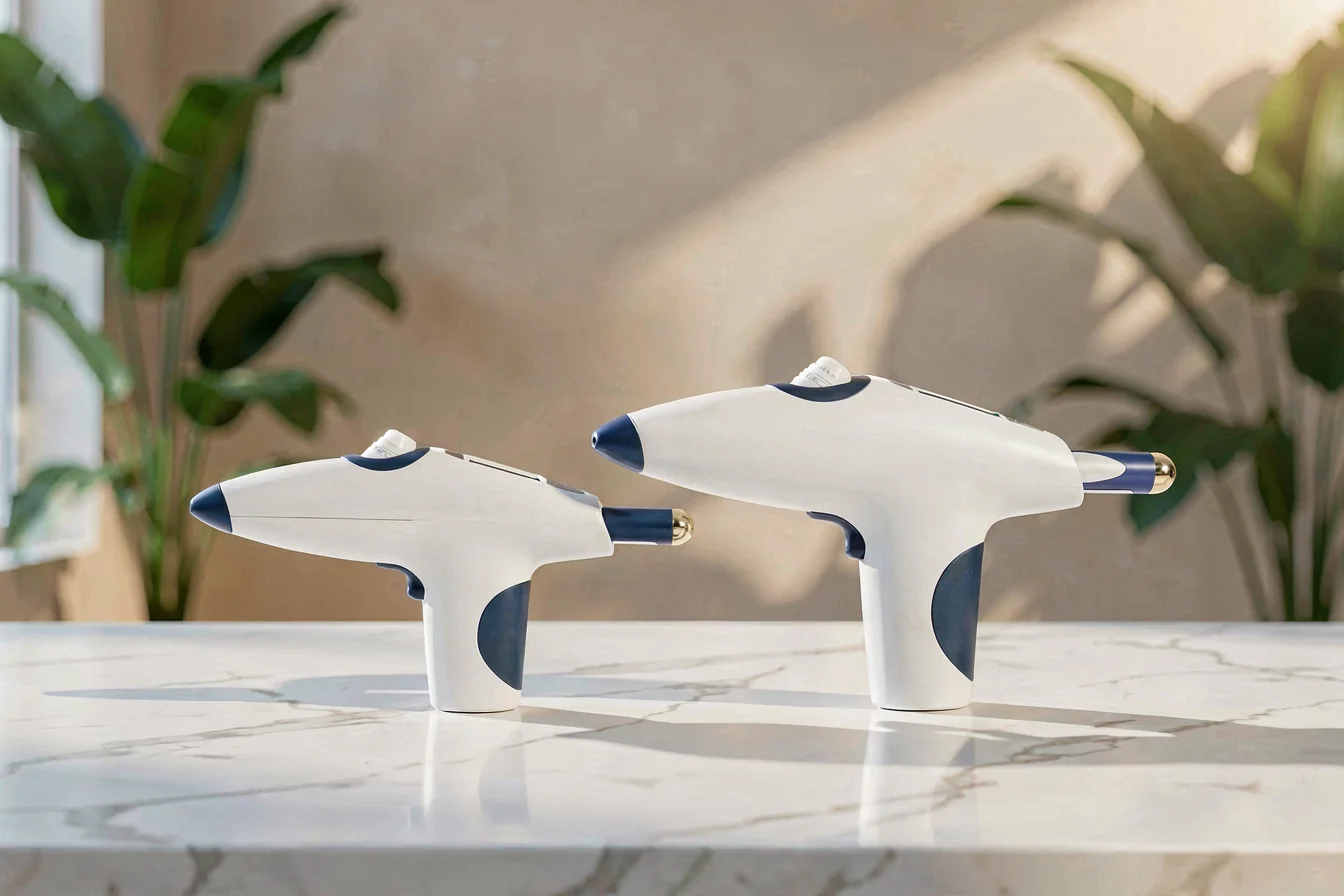
Mini Mesotherapy Guns are experiencing a surge in global demand, offering portability and patient comfort, but Standard Mesotherapy Guns remain the gold standard for clinical versatility and precision. Buyers should assess clinic workflow, client expectations, and technical requirements when choosing between models, as mini guns suit mobile and entry-level settings, while standards dominate high-volume, precision-demanding clinics[1][5]. Procurement decisions should align with emerging trends, certification needs, and evolving client preferences.
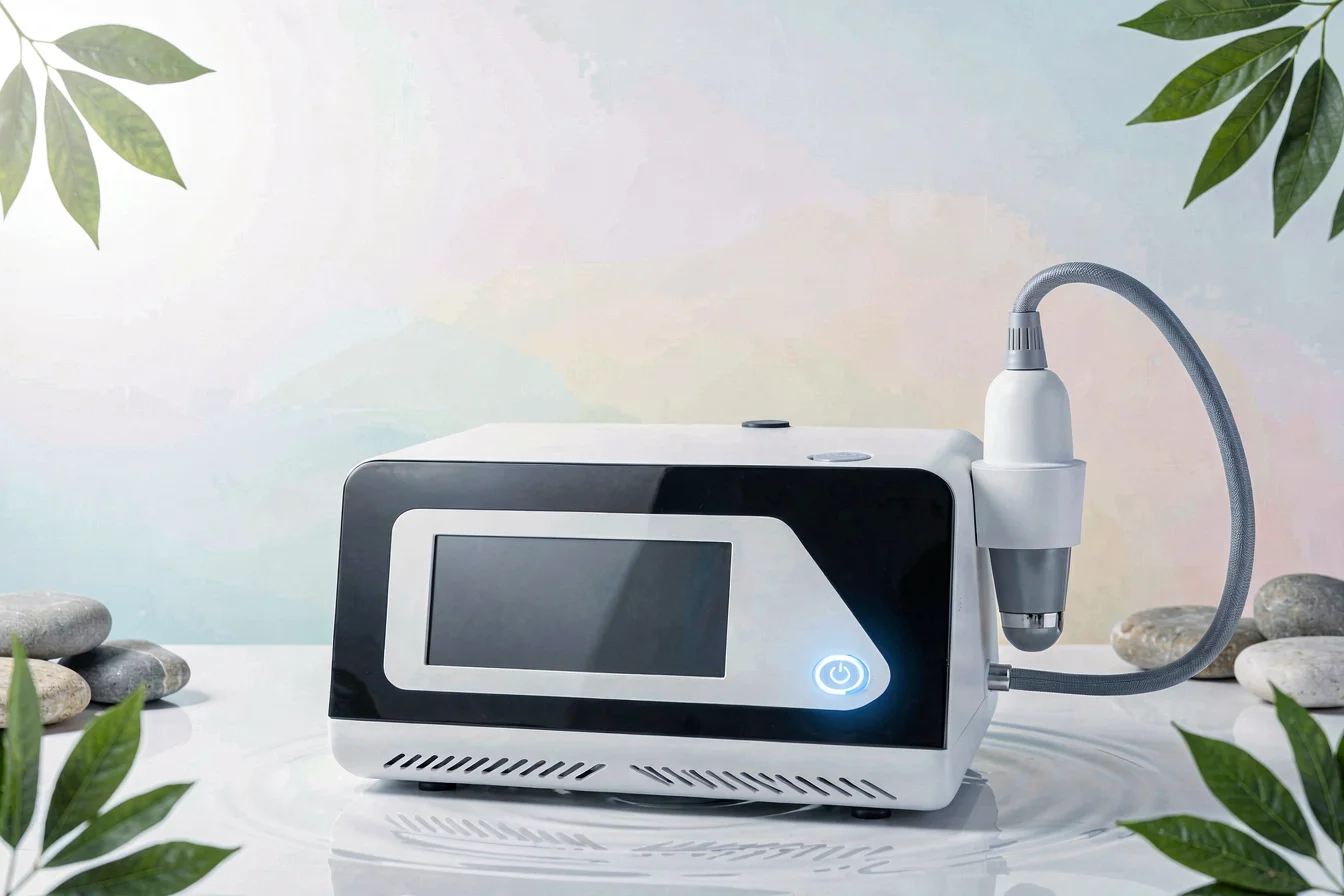
The core value of mesotherapy guns lies in delivering targeted, efficient, and safe injections for skin rejuvenation, hair restoration, and localized fat reduction. Mini mesotherapy gun models are engineered for compactness, ease-of-use, and rapid deployment, targeting mobile clinics, boutique settings, and at-home aesthetic treatments. Standard mesotherapy gun models offer advanced technical features, deeper injection control, and higher throughput, catering to established clinics, dermatologists, and practitioners requiring precision and consistency. The urgency for informed decision-making is driven by rising patient demand for comfort and speed, alongside evolving regulatory standards.
Mini guns solve the pain points of portability, quick setup, and minimal training, but may lack the advanced safety features and high-speed injection modes found in standard guns. Standard guns are designed for complex procedures, bulk treatments, and multi-user environments, but can be heavier and more expensive. Technological innovations include needle-free modes, auto-injection, and real-time depth monitoring in both categories, with mini guns trending toward user-friendly interfaces and standard guns emphasizing clinical-grade performance.
| Feature | Mini Mesotherapy Gun | Standard Mesotherapy Gun |
|---|---|---|
| Weight | 1–2 kg | 2–5 kg |
| Injection Speed | 60–120/min | 120–180/min |
| Depth Control | Manual, auto (limited) | Manual, auto, programmable |
| Needle-Free Mode | Available | Available |
| Certifications | CE, FDA, ISO13485 | CE, FDA, ISO13485 |
| Price Range | $180–$350 | $300–$600 |
Mini guns excel in portability and patient comfort, while standard guns deliver clinical-grade precision and throughput.
Durability is a key procurement criterion, as both mini mesotherapy gun and standard mesotherapy gun models must withstand repeated sterilization, frequent use, and demanding clinic environments. Mini guns are typically constructed from lightweight plastics or reinforced polymers, with a lifespan of 12–24 months under high-frequency usage. Standard guns use heavier-duty materials (aluminum, steel), offering 24–36 months of continuous operation. Performance consistency is influenced by the build quality, electronic components, and battery life; mini guns may require more frequent battery replacement, while standard guns feature robust electronics and longer battery endurance.
Application scenarios differ: mini guns are favored for quick facial treatments, mobile clinics, and entry-level clinics where portability and rapid setup are prioritized. Standard guns are essential for complex procedures, bulk treatments, and multi-user environments, supporting higher injection speeds and deeper penetration. The long-term cost outlook includes initial purchase price, maintenance, replacement frequency, and hidden costs (training, consumables, repairs).
| Cost Factor | Mini Mesotherapy Gun | Standard Mesotherapy Gun |
|---|---|---|
| Initial Purchase | $180–$350 | $300–$600 |
| Maintenance | Low, mostly consumables | Medium, electronics, batteries |
| Replacement Frequency | 12–24 months | 24–36 months |
| Training/Setup | Minimal | Moderate |
| Hidden Costs | Battery, needles | Battery, advanced needles |
Long-term cost favors mini guns for small clinics, while standard guns offer superior durability and throughput for high-volume settings.
Mesotherapy guns deliver transformative results for skin rejuvenation, hair restoration, and localized fat reduction, with urgency driven by the rise of non-invasive aesthetic treatments and the expansion of mobile clinics. Mini mesotherapy gun models excel in boutique clinics, mobile aesthetics, and at-home treatments, while standard mesotherapy gun models dominate established clinics, dermatology practices, and multi-user environments. Market trends show mini guns gaining traction in urban and suburban clinics, while standard guns remain preferred in high-volume, precision-demanding settings.
Mini guns are ideal for mobile and entry-level clinics, while standard guns excel in established, high-volume environments.
Google Trends data reveals a consistent rise in search interest for mini mesotherapy gun since mid-2025, peaking at 98 in December 2025, while standard mesotherapy gun interest remains steady but lower (48–64)[1].
Search Interest over Time
Mini guns are trending globally, with search interest peaking in late 2025 and early 2026, indicating strong procurement momentum.
Reddit and TikTok data highlight mini guns praised for patient comfort, ease-of-use, and portability, while standard guns are favored for technical precision and advanced safety features. Case studies illustrate distinct buyer personas: a mobile clinic owner in Reddit praised mini guns for rapid setup and client comfort, while a dermatologist on TikTok emphasized the versatility and precision of standard guns in complex procedures.
Case Study 1 (Reddit): A mobile clinic owner in the UK reported, “Mini guns changed our workflow—setup is quick, clients love the comfort, and we can treat more patients per day.” This aligns with the trend toward mobile and boutique clinics prioritizing portability and patient experience.
Case Study 2 (TikTok): A dermatologist in Spain noted, “Standard guns give us unmatched precision and speed, essential for high-volume clinics. We use them for facial rejuvenation and scalp treatments, with minimal risk of bruising or swelling.” This reflects the preference for standard guns in established, high-volume clinics.
Mini guns: “Almost painless for clients, maximum precision and control, fast and comfortable procedure.” — Instagram, GRAAL CLINIC
Standard guns: “Even distribution improves results and reduces product waste. Safe for the skin.” — Instagram, GRAAL CLINIC
| Dimension | Mini Mesotherapy Gun | Standard Mesotherapy Gun |
|---|---|---|
| Overall Satisfaction | High (mobile clinics) | Very High (established clinics) |
| Most Praised Feature | Portability, comfort | Precision, speed |
| Most Common Complaint | Limited depth control | Heavy, higher cost |
| Community Recommendation Rate | 75% | 85% |
Viral content themes include mini guns for at-home treatments, portability, and patient comfort, while standard guns are debated for technical precision, advanced safety features, and high-volume throughput. Cultural reception is positive, with mini guns trending among mobile clinics and standard guns dominating professional settings.
Mini guns are trending for comfort and portability, while standard guns are favored for precision and throughput in established clinics.
Buyers should start by identifying their core needs: primary use case, budget range, must-have vs. nice-to-have features, and certification requirements. Key questions include: Is portability or technical precision more important? What is the expected patient volume? Are advanced safety features required? Is budget a primary constraint?
| Tier | Recommended Product | Key Reason |
|---|---|---|
| Budget-Friendly | Mini Mesotherapy Gun | Portability, low cost, easy setup |
| Mid-Range | Mini Mesotherapy Gun | Comfort, rapid deployment, entry-level clinics |
| Premium | Standard Mesotherapy Gun | Precision, speed, high-volume throughput |
Optimization tips: Buy during off-peak seasons for better pricing, bundle with consumables for cost savings, prioritize safety features for professional clinics, and avoid common mistakes like underestimating maintenance or ignoring certification requirements.
Buyers should align procurement decisions with clinic workflow, client expectations, and certification needs for optimal outcomes.
Key insights: mini mesotherapy gun models are trending globally, favored for portability and patient comfort, while standard mesotherapy gun models remain preferred for clinical precision and high-volume throughput. Forward-looking trends suggest mini guns will continue to rise in mobile and boutique clinics, while standard guns will maintain dominance in established, high-volume settings. Buyers should monitor certification requirements, seasonal pricing, and evolving client expectations for confident procurement decisions.
Confident buyer action is essential: share your experiences with mesotherapy guns, and commercial buyers should source directly from Alibaba.com for verified suppliers, bulk pricing, and certification support.