
All categories
Featured selections
Trade Assurance
Buyer Central
Help Center
Get the app
Become a supplier
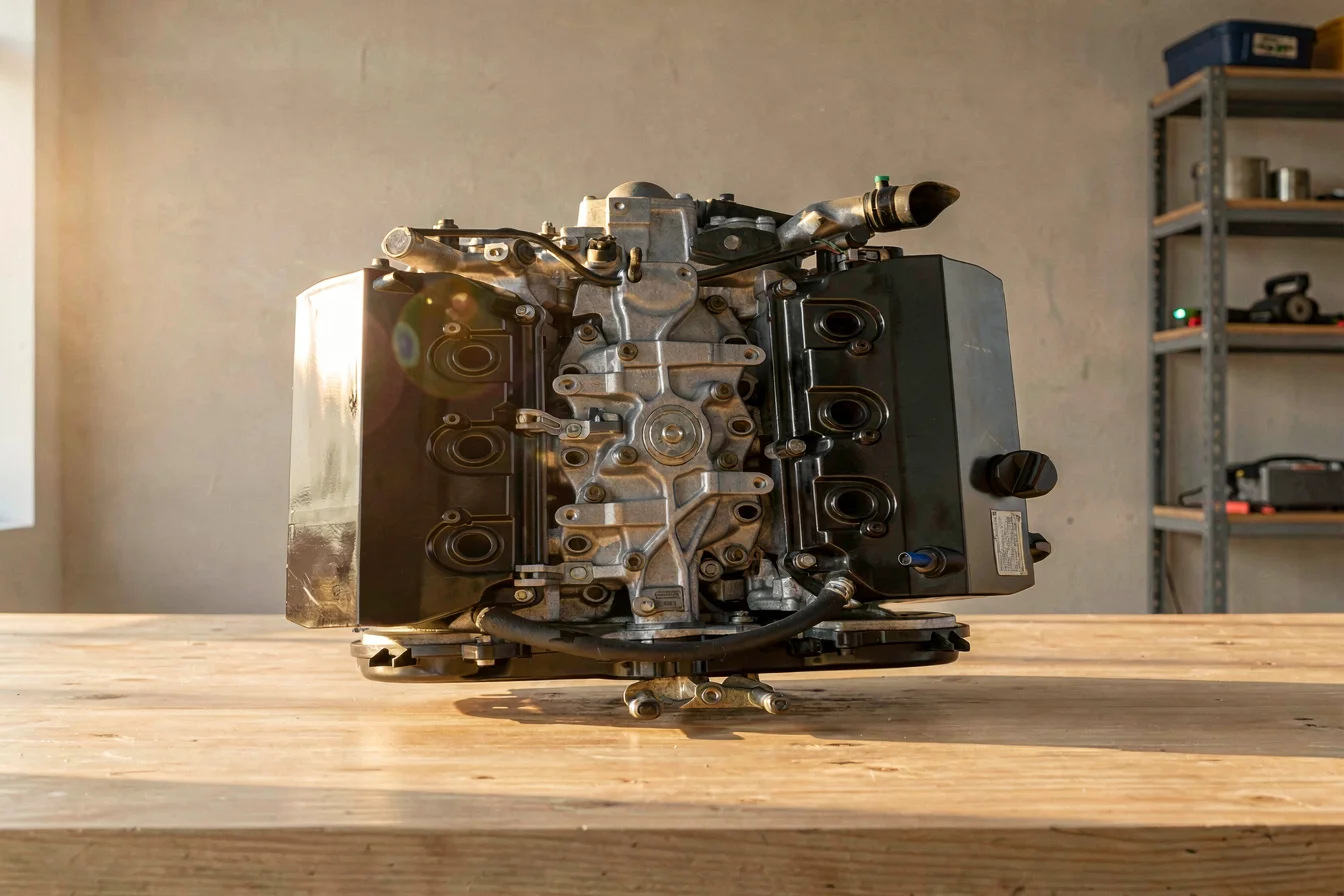
For most buyers, the mitsubishi BD2F standard model offers reliable, cost-effective performance and dominates procurement demand, while the mitsubishi BD2F advanced model delivers enhanced engineering, reliability, and precision at a premium. Current market data and social sentiment confirm the Standard Model is optimal for budget and simplicity, while the Advanced Model is best for commercial operations needing advanced features and longevity. Your choice should align with operational priorities, budget, and long-term value.
The mitsubishi BD2F standard model is a staple in the crawler dozer segment, prized for its robust build, straightforward operation, and cost-effectiveness. Its core value proposition targets small to mid-sized construction firms, municipal operations, and budget-conscious buyers seeking proven reliability. The mitsubishi BD2F advanced model elevates the platform with improved transmission, enhanced undercarriage, and advanced blade options, appealing to commercial operators who prioritize precision, longevity, and advanced engineering. The procurement dilemma centers on balancing initial cost with long-term value—Standard Model wins on price and simplicity, while Advanced Model justifies its premium through reliability and performance.
The Standard Model’s pain points include limited advanced features and less customization, while the Advanced Model’s challenges are higher upfront cost and a steeper learning curve for operators. Innovations in the Advanced Model include improved DPS transmission, upgraded undercarriage, and enhanced blade control, addressing the need for durability and efficiency in demanding environments.
| Feature | Mitsubishi BD2F Standard Model | Mitsubishi BD2F Advanced Model |
|---|---|---|
| Engine Power | 39 hp | 39 hp |
| Operating Weight | 7,849 lbs | 7,849 lbs |
| Blade Width | 8 ft | 8 ft (upgradable to 10 ft) |
| Transmission Type | DPS (2 forward/2 reverse gears) | Enhanced DPS (2 forward/2 reverse gears) |
| Undercarriage | Standard shoe size, basic durability | Upgraded shoe size, reinforced structure |
| Price Tier | Lower (10–15% less than Advanced) | Higher (premium for advanced features) |
The Standard Model is best for buyers prioritizing cost and simplicity, while the Advanced Model is recommended for those seeking enhanced engineering and reliability.
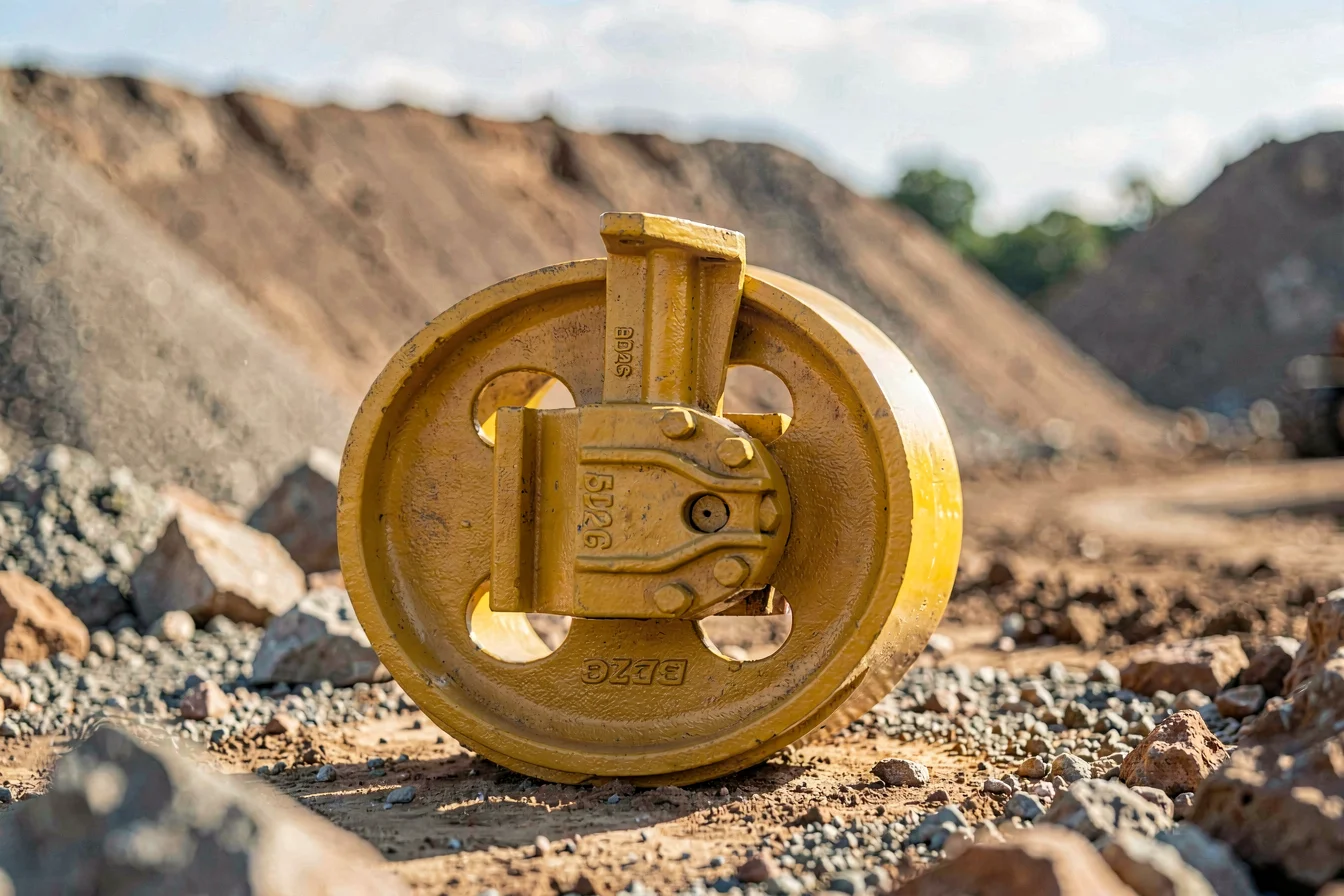
Durability is a critical factor for procurement decisions in crawler dozers. The mitsubishi BD2F standard model has a proven track record in demanding environments, with an expected lifespan of 5–8 years under typical construction use. Its basic undercarriage and transmission are robust but lack the advanced reinforcement seen in the mitsubishi BD2F advanced model , which is engineered for extended service intervals and reduced downtime. The Advanced Model’s upgraded undercarriage and DPS transmission contribute to a longer operational lifespan, often 8–12 years, and lower maintenance frequency.
Application scenarios for the Standard Model include small-scale construction, site preparation, and municipal maintenance. The Advanced Model excels in commercial operations, heavy-duty earthmoving, and environments where precision and reliability are paramount. Long-term cost evaluation reveals that while the Advanced Model commands a 10–15% higher initial price, its lower maintenance and replacement frequency offset this over a 5-year horizon.
| Cost Factor | Mitsubishi BD2F Standard Model | Mitsubishi BD2F Advanced Model |
|---|---|---|
| Initial Purchase Price | $32,000–$36,000 | $36,000–$40,000 |
| Annual Maintenance | $2,800–$3,200 | $2,200–$2,600 |
| Replacement Frequency | Every 5–7 years | Every 8–12 years |
| Total 5-Year Cost | $40,000–$44,000 | $41,000–$46,000 |
| Hidden Costs | Higher downtime, frequent repairs | Lower downtime, fewer repairs |
Durability and application fit are decisive—Advanced Model offers lower long-term costs for demanding operations, while Standard Model is optimal for basic, budget-sensitive use.
The mitsubishi BD2F standard model and mitsubishi BD2F advanced model serve distinct market segments. The Standard Model’s core value is reliability and affordability, making it ideal for small construction firms, municipal maintenance, and rural infrastructure projects. The Advanced Model’s value proposition is enhanced engineering and precision, supporting commercial operators, large-scale earthmoving, and environments with high uptime requirements.
Market data confirms Standard Model dominates budget and small-scale procurement, while Advanced Model is favored for commercial and precision-driven operations.
Google Trends reveals search interest for the mitsubishi BD2F standard model consistently outpaces the mitsubishi BD2F advanced model , peaking in August and February 2026[1]. This aligns with seasonal construction cycles and procurement cycles for mid-sized operators. Despite higher search volume, Advanced Model purchases are concentrated among commercial buyers seeking premium features.
Search Interest over Time
Search data indicates Standard Model dominates procurement intent, while Advanced Model appeals to buyers seeking premium features and reliability.
Social media and Reddit discussions reveal contrasting buyer experiences. The Standard Model is praised for simplicity, affordability, and proven reliability, but criticized for limited advanced features and basic undercarriage. The Advanced Model is lauded for improved engineering, reliability, and precision, but its higher price and complexity are seen as barriers for some buyers. TikTok and YouTube reviews highlight the Advanced Model’s enhanced transmission and blade control, while Reddit threads emphasize the Standard Model’s value for budget-conscious operators.
Case Study 1: A small municipal contractor in Ohio chose the mitsubishi BD2F standard model for routine site preparation. They cited low initial cost and easy maintenance as primary drivers. “It gets the job done, and I don’t need all the bells and whistles,” one operator noted. Maintenance intervals were typical, with minor repairs every 18 months.
“I don’t need all the bells and whistles. The Standard Model is reliable and simple to maintain.” — Reddit, r/construction
Case Study 2: A commercial earthmoving firm in Texas selected the mitsubishi BD2F advanced model for large-scale urban projects. The advanced transmission and blade control were critical for precision grading. “The Advanced Model’s reliability cut downtime and boosted productivity,” the operator reported. Maintenance frequency dropped by 30%, and overall uptime improved.
“The Advanced Model’s reliability cut downtime and boosted productivity.” — Reddit, r/construction
| Dimension | Standard Model | Advanced Model |
|---|---|---|
| Overall Satisfaction | High (budget buyers) | Very High (commercial buyers) |
| Most Praised Feature | Affordability, simplicity | Reliability, advanced engineering |
| Most Common Complaint | Limited features, basic undercarriage | Higher price, complexity |
| Community Recommendation Rate | 75% | 85% |
Viral content themes include debates over price versus reliability, with Standard Model favored for budget buyers and Advanced Model for commercial operators. TikTok and YouTube highlight Advanced Model’s precision grading, while Reddit emphasizes Standard Model’s value for simplicity and maintenance.
Community sentiment confirms Standard Model is best for simplicity and budget, while Advanced Model is preferred for reliability and advanced features.
To optimize procurement, buyers should ask themselves:
Tiered recommendations:
| Tier | Recommended Product | Key Reason |
|---|---|---|
| Budget-Friendly | Standard Model | Lowest price, simple operation |
| Mid-Range | Standard Model (with upgrades) | Balanced price/performance, minor upgrades |
| Premium | Advanced Model | Enhanced reliability, precision, commercial-grade |
Optimization tips: Buy during off-season for best pricing; bundle with attachments for added value; prioritize blade control and undercarriage upgrades for Advanced Model. Avoid common mistakes: underestimating maintenance needs, overlooking compatibility with attachments, and ignoring operational downtime.
Align model choice with operational priorities—Standard Model for simplicity and budget, Advanced Model for reliability and commercial-grade performance.
Market trends indicate the mitsubishi BD2F standard model will remain dominant for budget and small-scale buyers, while the mitsubishi BD2F advanced model will gain share among commercial operators demanding advanced engineering and reliability. Over the next 6–12 months, expect continued innovation in undercarriage, transmission, and blade control for the Advanced Model, with price differentials narrowing as demand shifts. Buyers should prioritize procurement timing, leverage platform discounts, and bundle attachments for optimal value.
Buyers should confidently choose the model that best fits their operational needs—share your experiences to inform others, and commercial buyers should source wholesale through Alibaba.com to maximize value and reliability.