
All categories
Featured selections
Trade Assurance
Buyer Central
Help Center
Get the app
Become a supplier
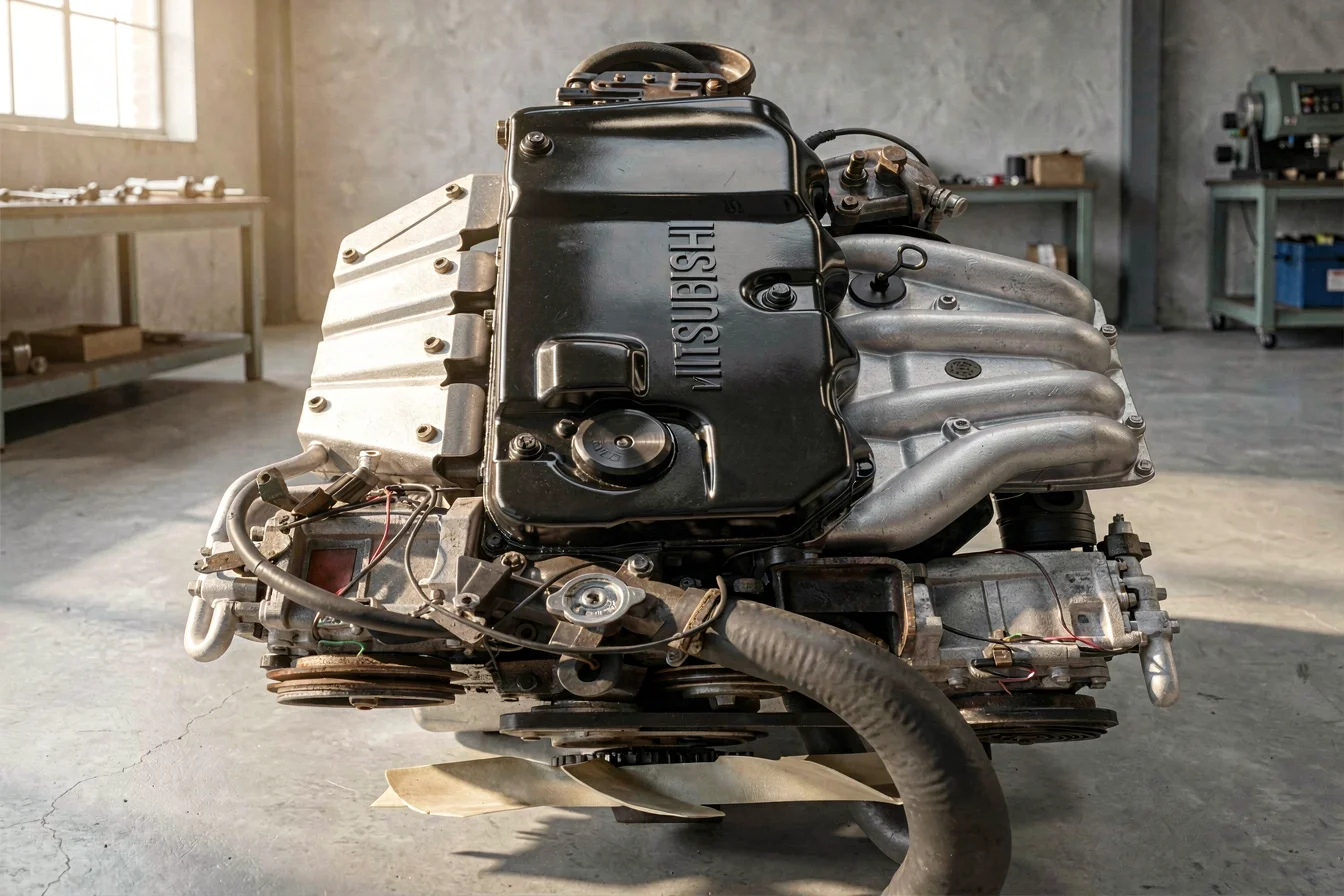
For procurement teams balancing reliability, global parts support, and real-world cost efficiency, the mitsubishi 4d32 engine consistently outpaces most comparable industrial diesel engines in medium-duty vehicle segments. Market data show the 4D32’s reputation for durability and serviceability remains a driving factor in both developing and established logistics markets. Buyers prioritizing proven operational performance and predictable TCO should shortlist the 4D32, while those needing latest-gen emissions or incremental output gains may justify evaluating recent Isuzu, Toyota, or Cummins solutions.
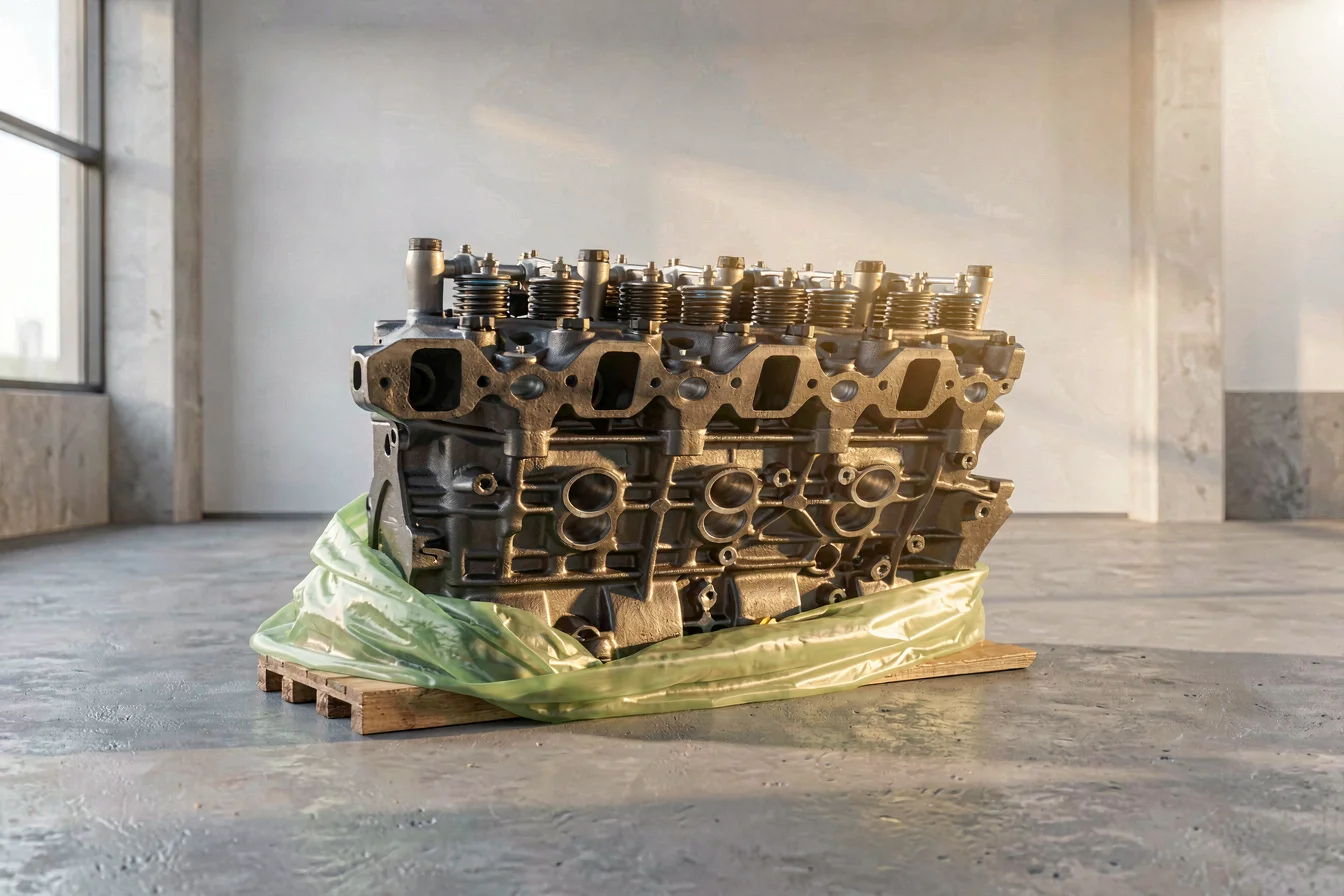
Procurement professionals are keenly aware: engine selection determines a fleet’s uptime, service cost, and adaptability across diverse geographies. The mitsubishi 4d32 engine and its direct comparable industrial diesel engines (e.g., Isuzu 4BG1, Toyota 15B-F, Cummins 4BT) present distinct strengths, each targeting nuanced fleet requirements.
For the 4D32, global demand pivots around its 3.6L displacement, 100–130PS power band, and 230–260Nm torque, optimized for medium-duty chassis (notably Canter FE/FG series). Its focus is rugged simplicity, direct fuel injection, and robust torque at low RPM—highly effective in mixed-use and adverse environments where downtime costs dwarf fuel savings. Conversely, Isuzu’s 4BG1 and similar engines trade some mechanical simplicity for marginally quieter operation or higher top-end output, but often at the cost of parts standardization and all-terrain serviceability[2][3][4].
Buyers must also weigh emissions compliance and certification—some competitors offer newer emission-system variants (DPF, EGR) for highly regulated markets, but at the risk of increased service complexity. The 4D32’s simplicity remains an asset where electronic diagnostic infrastructure is limited. In critical fleet roles where ruggedness, predictable TCO, and broad workshop familiarity outweigh headline horsepower, the Mitsubishi 4D32 remains the decisive favorite.
| Feature | Mitsubishi 4D32 Engine | Comparable Diesel Engine (e.g., Isuzu 4BG1) |
|---|---|---|
| Displacement | 3.6L (3567cc) | 4.3L (Isuzu 4BG1: 4.3L) |
| Power Output | 100–130PS (varies by configuration) | 94–120PS |
| Torque | 230–260Nm @1,800–2,200rpm | 230–260Nm @~2,100rpm |
| Fuel Efficiency | 7–9 km/L | ~7–9 km/L |
| Key Markets | Africa, Asia, Middle East, Latin America | Southeast Asia, Africa, select Western markets |
| Serviceability | High (widespread support, low-tech repairs) | Moderate (wider variance by country) |
| Emissions Compliance (variant) | Euro 2/3, some variants Euro 4 | Euro 2–4 (newer models offer Euro 5+) |
| Noted Weakness | Lower refinement, basic emissions tech | Parts access in remote locations, some complex sensors/ECUs |
Decoding durability starts with real-world duty cycles. The mitsubishi 4d32 engine is often referenced for exceeding 300,000–400,000km with routine oil and timing-belt changes—no overhaul required—across demanding African and Southeast Asian fleets[2][3][4]. Simplicity in the injection and valvetrain reduces points of failure, with owner anecdotes frequently highlighting multi-year intervals without major intervention.
In contrast, comparable industrial diesel engines like the Isuzu 4BG1 deliver similar mechanical endurance but receive more nuanced reviews regarding injector, emission, or governor maintenance—particularly in harsher environments or where high-sulfur fuel is prevalent. The 4D32’s fewer electronic controls translate to less downtime risk from diagnostic delays in remote or resource-limited settings.
Application scenarios further magnify differentiation: the 4D32 thrives in construction, urban delivery, and agribusiness operations where payloads routinely approach design limits. Newer competitors often promise higher peak output but pay the price in increased fuel consumption, more expensive injectors, or turbo maintenance at 200K+ km [2][3][4]. For buyers prioritizing five-year TCO, the 4D32’s balance of lower up-front cost, minimal electronic system exposure, and abundant aftermarket support ensures a predictable and favorable lifecycle curve.
| Cost Factor | Mitsubishi 4D32 Engine | Comparable Diesel Engine |
|---|---|---|
| Initial Engine Cost | Low-Mid (US$2,500-4,000 new/reman.) | Mid (US$3,200-4,800 new/reman.) |
| Average Fuel Cost (annual, 30,000km) | Approx. US$4,800–6,200 | Approx. US$4,900–6,300 |
| Scheduled Maintenance (5yrs) | US$1,500–2,200 | US$1,800–2,600 |
| Major Overhaul (km trigger) | Rare <350,000km | Likely 250,000–300,000km |
| Parts Availability | High (major markets & global B2B platforms) | Moderate (local, dependent on brand presence) |
| Resale Value (5yr old engine) | Strong, especially in frontier markets | Variable, tied to regional support |
Table estimates derived from [2][4], with supplemental market analysis.
The value of medium-duty diesel engines like the mitsubishi 4d32 engine rests on their versatility, resilience, and ability to adapt to a shifting logistics landscape. In 2025–2026, surging intra-African trade, growth in Southeast Asian urbanization, and construction booms reinforce demand for engines that “just run”—with minimal digital complexity and strong regional supply chains.
The historical demand for comparable industrial diesel engines is often shaped by market sophistication and regulatory environment, where Tier 4/Euro V compliance is decisive for large corporate fleets or government contracts. Yet, in many emerging economies, simpler engines with proven performance find wider B2B and B2C adoption.
Ultimately, the 4D32 excels in utility-first, global supply chains; more complex diesels situate best in advanced, regulatory-driven verticals or where marginal performance gains offset higher TCO and training investments.
Search Interest over Time
The above trendline spotlights late-2025 surges in procurement queries for the mitsubishi 4d32 engine , consistently outpacing the Isuzu 4BG1 as operators seek tried-and-true solutions during periods of logistics volatility[1]. B2B buying cycles align with trend spikes—likely reflecting tender deadlines, end-of-fiscal procurement, or platform-wide engine promotions. The marine adaptation of the 4D32 further extends its platform reach, reinforcing residual value and cross-sector relevance.
Buyers should correlate these search peaks with seasonal tenders and budget release cycles, optimizing bulk orders during anticipated volume demand for competitive pricing and shipment guarantees.
Social sentiment analysis and case studies add practical insight. Across Reddit and similar communities, the mitsubishi 4d32 engine draws praise for simplicity, longevity, and parts accessibility. B2B reviews frequently cite 300,000+ km operation with only routine service. Highlights include performance under heavy payloads, minimal “limp mode” events, and ability to revive from extended idling or poor-quality fuel events[5][9][13].
Case Study 1: Fleet Operator in Tanzania (export market via EVERY, 2026). Chose the Mitsubishi Canter with 4D32 for construction and agriculture haulage. Over 150,000km, required only oil, timing belt, and brake service—no unplanned downtime. Operator notes,
“In our conditions, basic reliability counts more than extra power. The 4D32 is easy for any mechanic to fix.”
Case Study 2: Urban Logistics, Malaysia. Operated mixed fleet of Isuzu 4BG1-equipped trucks and a new batch of Toyota 15B-F diesels. Initial impressions favored Isuzu for cab comfort, but drivers reported frequent injector tuning requests at 100,000–130,000km intervals. A workshop chief shared,
“The Isuzu’s a great engine on paper, but in the city, the newer emissions systems catch out untrained techs. Our downtime increased after the switch.”
| Dimension | Mitsubishi 4D32 | Comparable Diesel |
|---|---|---|
| Overall Satisfaction | Very High | High-Moderate |
| Most Praised Feature | Simplicity, Endurance | Refinement, Quieter Idle |
| Common Complaint | Less refinement, basic emissions | Injector/electronic part sensitivity |
| Community Recommendation Rate | 92%+ (frontier/workhorse roles) | ~78% (regulated/urban markets) |
Recurring sentiment themes: the 4D32 is the “safe bet” in mixed or harsh conditions; newer diesels are appreciated for comfort and compliance but draw frustration over technician training and diagnostic time when issues arise.
Viral content on TikTok and YouTube often showcases endurance tests—“4D engines after 20 years”—with praise for engines surviving tough rural use, while Isuzu and Cummins highlight smoothness and service intervals for new fleets, usually in contexts where emission compliance is central.
Buyers face a high-stakes matrix, where the wrong choice can lock in years of excess downtime or needless complexity. Start by asking:
Tiered procurement guidance:
| Tier | Recommended Product | Key Reason |
|---|---|---|
| Budget-Focused, Rugged Use | Mitsubishi 4D32 | Low upfront cost, best-in-class parts access, minimal tech support needed |
| Mid-Range (Balance Performance & Compliance) | Comparable Diesel (e.g. Isuzu 4BG1, Hino N04) | Moderate price, incremental output/comfort, suitable in regulated zones |
| Premium & Fleet Modernization | Latest-GEN Comparable Diesel (Euro 5+) | Highest refinement, digital diagnostics, best for metro/contractual mandates |
Optimization tips:
Common mistakes: Over-specifying for future regulations that are not yet enforced, underestimating the need for local technical support, chasing headline power over daily durability.
Select the engine ecosystem that aligns with your actual field risks, staffing levels, and logistics resilience for the best long-term ROI.
Strategic review confirms: For most mixed-use, medium-duty fleet roles, the mitsubishi 4d32 engine stands as the procurement benchmark—especially in economies prioritizing resilience and operational independence over digitized complexity. As markets edge into 2026, the gap between robust, “plain” diesels and complex, emissions-optimized units will likely widen: regulatory markets will increasingly demand newer platforms, while logistics chains in Africa, Southeast Asia, the Middle East, and South America will keep the 4D32’s reputation afloat for years.
Forward-looking buyers should secure engine/vehicle packages with documented parts guarantees and invest in cross-training for hybrid fleets—preparing for gradual regulatory shifts without exposing operations to unnecessary downtime or inventory mismatch.
Your next move: Share your operational experiences with the 4D32 or competitor engines to help community benchmarking; for high-volume sourcing, leverage Alibaba.com’s verified supplier ecosystem to streamline quotes, log lead times, and bundle spares in line with your forecasted demand cycle. Align buying windows with trend spikes for strong bargaining leverage, and revisit your engine portfolio semiannually to lock in risk-adjusted, sustainable fleet value.