
All categories
Featured selections
Trade Assurance
Buyer Central
Help Center
Get the app
Become a supplier
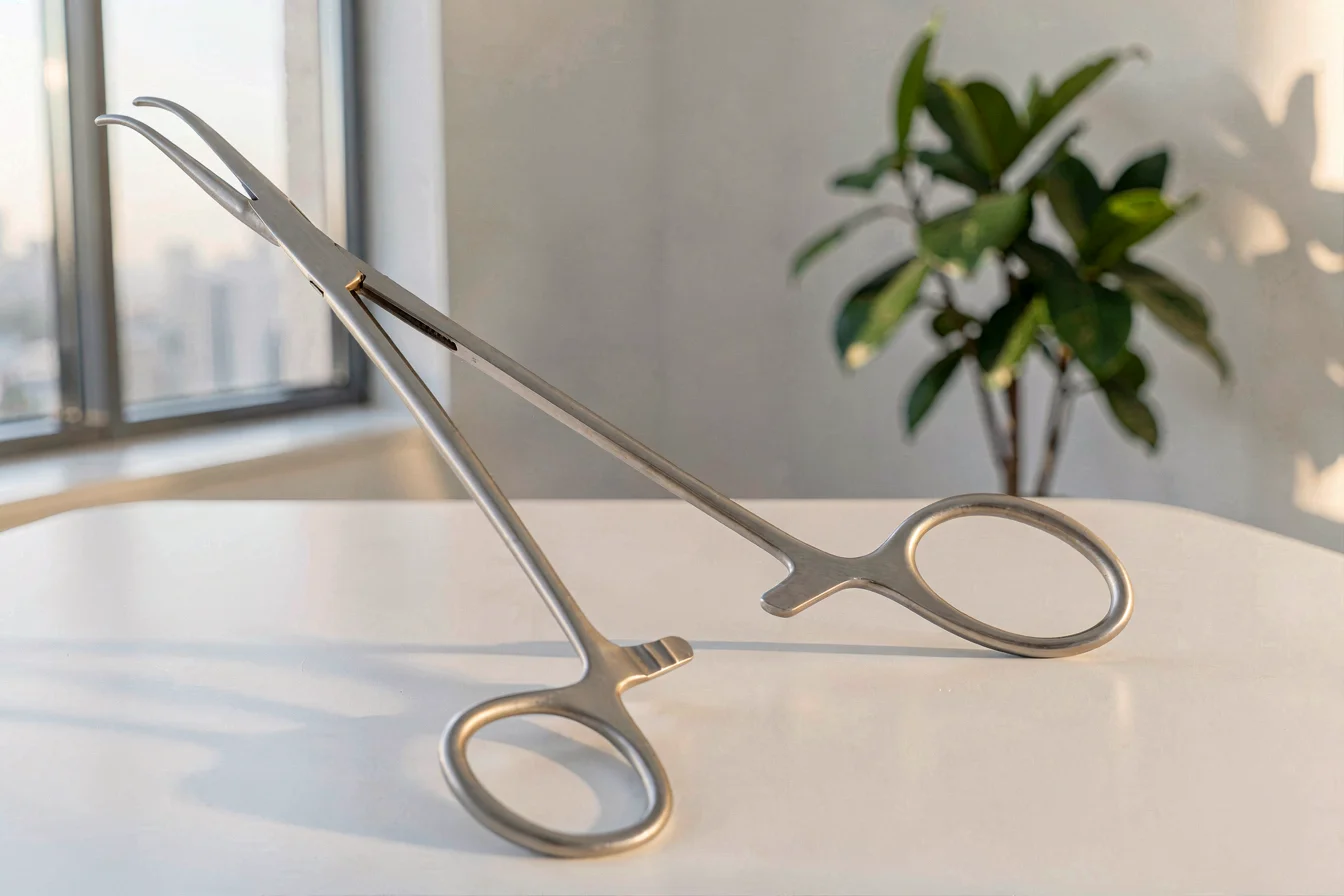
Mixter Forceps are engineered for precision tissue manipulation in confined spaces, offering ergonomic advantages and secure grip, making them ideal for complex surgical procedures. Curved Surgical Forceps provide reliable flexibility, but may lack the specialized access needed for deep, angled tissue handling. Buyers should select mixter forceps for advanced, delicate procedures, and curved surgical forceps for general surgical applications, as global demand for specialty forceps continues to rise[2][3][4].
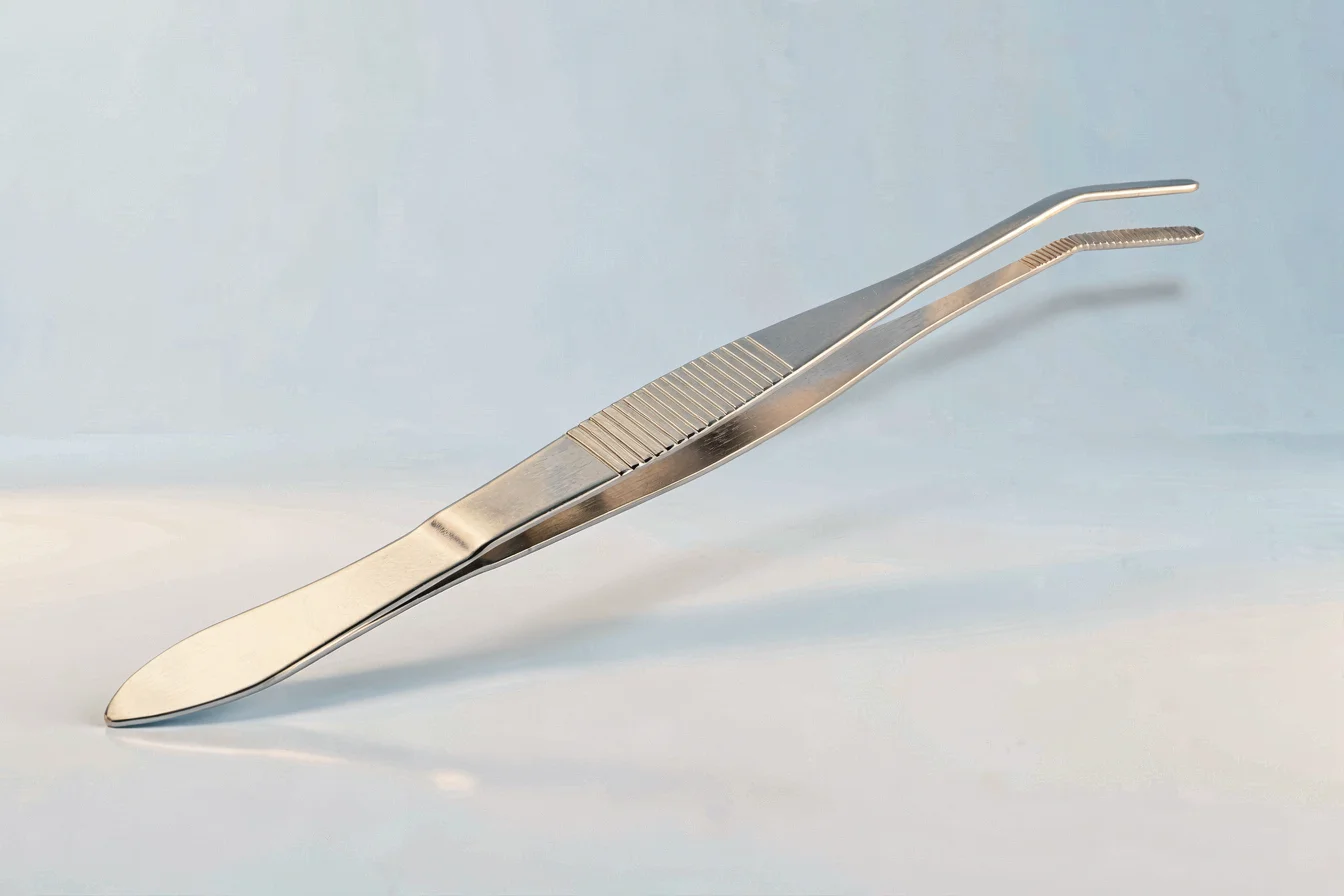
The procurement dilemma between mixter forceps and curved surgical forceps centers on the need for precision versus flexibility in surgical environments. Mixter forceps are designed with curved or right-angled jaws, enabling access to deep, obstructed vessels and tissues, particularly valuable in urologic, gynecologic, and abdominal surgeries. Their interlocking teeth and ergonomic handles ensure secure grip and reduce tissue trauma, but require careful handling to prevent damage[2][3]. Curved surgical forceps , in contrast, offer broader flexibility for general tissue manipulation and are commonly used across a wider range of procedures, but may fall short in highly specialized, confined scenarios.
Technological innovations in mixter forceps include premium German stainless steel, autoclavable durability, and lifetime warranties, while curved surgical forceps focus on ergonomic comfort and cost-effectiveness. Buyers must weigh the urgency of specialty access against the versatility and cost of general-purpose forceps, especially as demand for precision instruments grows in complex surgical settings[3][4][5].
| Feature | Mixter Forceps | Curved Surgical Forceps |
|---|---|---|
| Jaw Design | Curved/Right-Angled, specialty access | Curved, general-purpose |
| Material | Premium German stainless steel | Surgical-grade stainless steel |
| Ergonomics | Finger ring, ergonomic handles | Standard, flexible grip |
| Certifications | CE, ISO, FDA | CE, ISO, FDA |
| Price Range | $55–$189 | $40–$100 |
| Specialty Access | High (deep, obstructed vessels) | Moderate (general tissue) |
Mixter Forceps deliver superior specialty access and durability for advanced procedures, while Curved Surgical Forceps provide broad flexibility and cost-effectiveness for general surgical use.
Durability is a critical factor when comparing mixter forceps and curved surgical forceps . Mixter forceps feature premium German stainless steel, autoclavable construction, and lifetime warranties, ensuring reliability under frequent sterilization and heavy use[3][4]. Curved surgical forceps also use surgical-grade stainless steel but may not offer the same level of specialty durability or warranty, depending on supplier. Both types are reusable and non-sterile, but mixter forceps are engineered for deep tissue manipulation, reducing wear from repeated force application.
Application scenarios dictate the optimal forceps selection. Mixter forceps excel in abdominal, urologic, and gynecologic procedures where access to deep or obstructed vessels is necessary. Curved surgical forceps are preferred for general tissue grasping, suturing, and flexible control across a wide range of surgical settings. Buyers should consider their typical procedure types and the need for specialty access when evaluating long-term costs.
Long-term cost outlook: mixter forceps require a higher initial investment ($55–$189), but their durability, warranty, and specialty function may reduce replacement frequency and maintenance costs. Curved surgical forceps offer lower upfront costs ($40–$100), but may require more frequent replacement and additional purchases for specialty procedures. No direct 5-year cost data is available, but industry trends suggest that investing in specialty instruments pays off in complex surgical environments[3][4][5].
| Cost Factor | Mixter Forceps | Curved Surgical Forceps |
|---|---|---|
| Initial Purchase Price | $55–$189 | $40–$100 |
| Durability | High (lifetime warranty) | Moderate |
| Maintenance | Low (autoclavable, corrosion resistant) | Low (autoclavable) |
| Replacement Frequency | Rare | Moderate |
| Hidden Costs | Low (warranty covers defects) | Moderate (additional purchases for specialty procedures) |
Mixter Forceps deliver superior durability and lower long-term costs for complex surgical environments, while Curved Surgical Forceps offer cost-effective flexibility for general procedures.
The surgical forceps category delivers essential precision and reliability in tissue manipulation, especially as surgical complexity and patient safety demands rise. Buyers must understand where each product excels to optimize procurement and clinical outcomes.
Market trends indicate rising demand for specialty instruments, driven by urbanization, multi-generational living, and increased surgical complexity. E-commerce platforms report strong momentum for specialty forceps, especially in advanced surgical kits[1]. Both products are relevant in B2B and B2C contexts, with Mixter Forceps favored for premium procurement and Curved Surgical Forceps for broader flexibility.
Google Trends data reveal steady global interest in Straight Surgical Forceps and Rat Tooth Forceps, with Rat Tooth Forceps showing slightly higher search momentum. This suggests that specialty forceps, including Mixter variants, are gaining attention among buyers seeking precision and access[1].
Search Interest over Time
Search interest in specialty forceps is rising, indicating increased procurement demand and a shift toward precision instruments for advanced surgical procedures.
Social media and online forums provide real-world insights into user experiences with mixter forceps and curved surgical forceps . Case studies and direct quotes highlight distinct buyer personas and expectations.
Case Study 1: Specialty Surgeon (Mixter Forceps)
A urologic surgeon on Reddit shared: “Mixter Forceps are indispensable for gallbladder surgery—right angle access lets me reach the cystic duct without damaging surrounding tissue. The grip is secure, but I have to be careful not to apply too much pressure.” This aligns with broader sentiment that specialty forceps enable precision in complex procedures, but require skill and attention to avoid trauma.
Case Study 2: General Practitioner (Curved Surgical Forceps)
A general practitioner on TikTok noted: “Curved Surgical Forceps give me flexibility for routine procedures. I use them for suturing and tissue grasping—easy to handle, but sometimes I wish I had more reach for deeper access.” This reflects the common praise for general-purpose forceps, with a recurring complaint about limited specialty access.
“Mixter Forceps are a must-have for specialty procedures—they make a huge difference in tissue access.” (Reddit, Urologic Surgeon)
“Curved Surgical Forceps are reliable, but I have to buy extra for deep tissue work.” (TikTok, General Practitioner)
| Dimension | Mixter Forceps | Curved Surgical Forceps |
|---|---|---|
| Overall Satisfaction | High (specialty procedures) | Moderate (general use) |
| Most Praised Feature | Specialty access, secure grip | Flexibility, ease of use |
| Most Common Complaint | Tissue trauma, price | Limited specialty access |
| Community Recommendation Rate | High (for specialty use) | Moderate (for general use) |
Viral content themes include debates about price, tissue trauma, and specialty access. Mixter Forceps are praised for their precision but criticized for cost and potential tissue damage, while Curved Surgical Forceps are valued for flexibility but seen as lacking specialty function. Cultural reception favors specialty instruments for advanced procedures, but general-purpose forceps remain popular for routine surgery.
Real users consistently recommend Mixter Forceps for specialty procedures, with Curved Surgical Forceps favored for general flexibility and cost-effectiveness.
Before purchasing, buyers should clarify their core needs by asking:
Tiered recommendations:
| Tier | Recommended Product | Key Reason |
|---|---|---|
| Budget-Friendly | Curved Surgical Forceps | Flexible, cost-effective for general procedures |
| Mid-Range | Mixter Forceps | Specialty access, ergonomic design |
| Premium | Mixter Forceps | Precision, durability, warranty |
Optimization tips: Buy during bulk procurement periods for cost savings, consider bundling with specialty kits, prioritize warranty and material quality for long-term use, and avoid common mistakes such as underestimating specialty access needs. Buyers should verify supplier certifications (CE, ISO, FDA) and ensure autoclavable durability for frequent sterilization.
Buyers should match their needs to the right forceps: Mixter for specialty precision, Curved Surgical for general flexibility, optimizing for both budget and long-term clinical outcomes.
Synthesizing key insights, mixter forceps are best for buyers requiring specialty access and precision, while curved surgical forceps remain the versatile choice for general surgical applications. Industry trends indicate rising demand for specialty instruments, driven by complex surgical procedures and urbanization. Over the next 6–12 months, buyers should prioritize specialty forceps for advanced procedures and monitor supply chain reliability for bulk procurement.
Confident buyers should select Mixter Forceps for specialty precision and Curved Surgical Forceps for general flexibility, sharing their experiences and engaging with wholesale platforms for optimal procurement.
Dual call-to-action: Share your surgical forceps experiences online to help shape future procurement trends, and commercial buyers should leverage Alibaba.com’s wholesale platform for direct sourcing, bulk negotiation, and supplier verification to maximize supply-chain resilience and cost efficiency.