
All categories
Featured selections
Trade Assurance
Buyer Central
Help Center
Get the app
Become a supplier
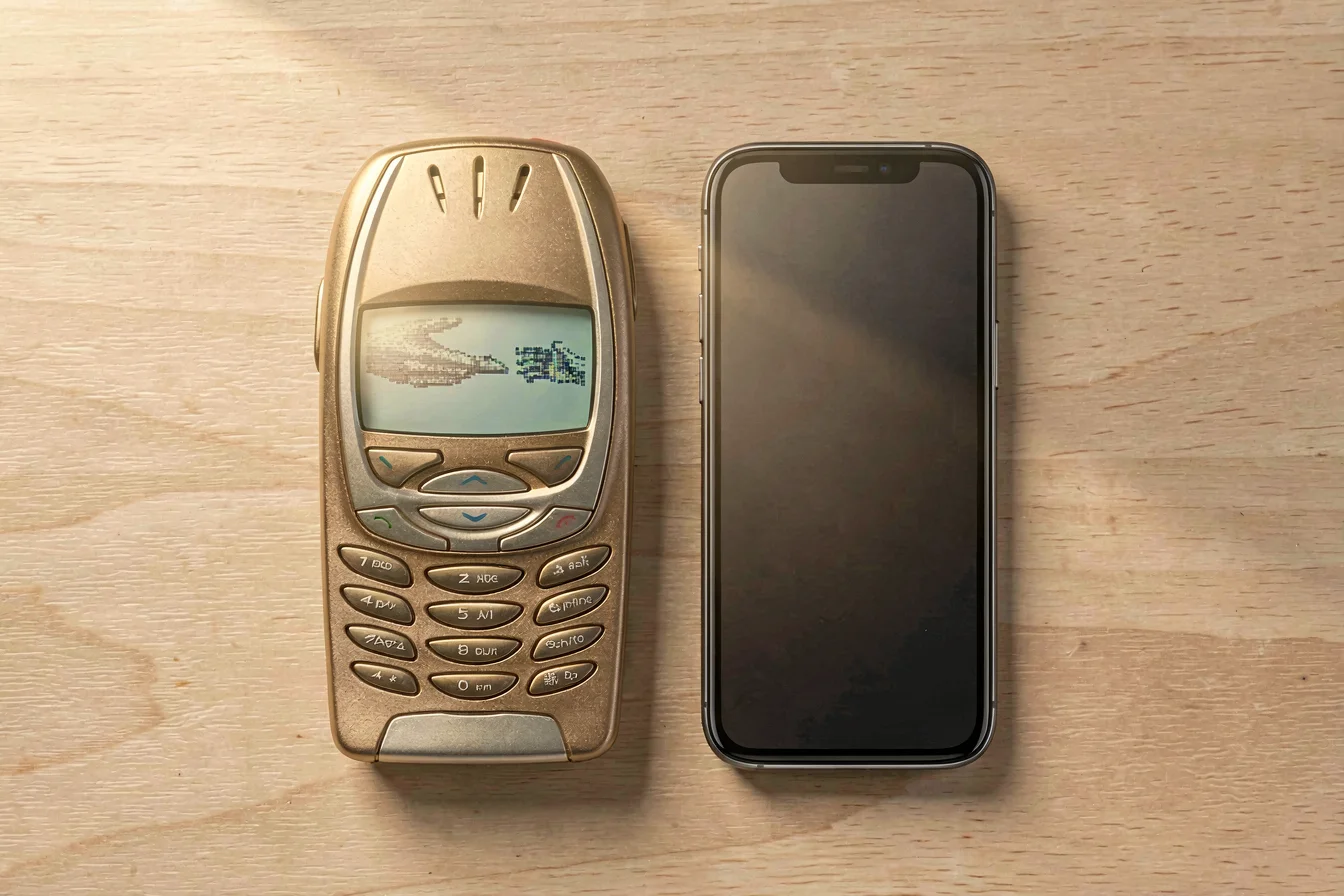
Touch screen mobile phones are the dominant choice for mainstream procurement, offering superior user experience, app compatibility, and modern connectivity. Java-based mobile phones remain niche, favored by retro gaming enthusiasts and users seeking ultra-low-cost, feature-based solutions. For most B2B buyers and commercial applications, touch screen phones are the strategic option, while Java-based phones are viable only for specialized legacy or emerging markets.
The core value of java-based mobile phone is its ability to run legacy J2ME applications, particularly games, at a fraction of the cost of modern devices. Its target audience includes retro gaming enthusiasts, users in emerging markets, and organizations requiring ultra-low-cost, durable hardware with minimal digital footprint. Touch screen mobile phone , in contrast, delivers a modern, app-driven experience with high connectivity, superior UI/UX, and access to global app ecosystems. It addresses pain points such as digital workflow integration, productivity, and multimedia consumption, making it the preferred solution for most commercial buyers.
The procurement dilemma centers on cost, user experience, and future-proofing. Java-based phones solve the challenge of running legacy apps and maintaining tactile feedback, but suffer from limited hardware support, aging OS, and poor tactile screen responsiveness[2][3]. Touch screen phones, while offering a seamless digital experience, face criticism for usability in certain contexts (e.g., hand-eye coordination, screen fatigue) and require ongoing software support. Technological innovations in touch screen phones—such as OLED displays, advanced sensors, and AI-powered UI—have widened the gap between the two categories.
| Feature | Java-based Mobile Phone | Touch Screen Mobile Phone |
|---|---|---|
| App Compatibility | J2ME (limited, legacy apps) | Full app ecosystem (Android/iOS) |
| User Interface | Physical keypad, tactile feedback | Touch screen, customizable UI |
| Price Range | USD 11–20/unit | USD 200–600/unit |
| Target Audience | Retro gamers, emerging markets | Mainstream, enterprise, commercial |
| Certifications | Rarely international certified | FCC, CE, RoHS certified |
For most procurement scenarios, touch screen phones deliver superior value through modern app ecosystems and global connectivity, while Java-based phones remain viable only for niche, legacy, or cost-sensitive applications.
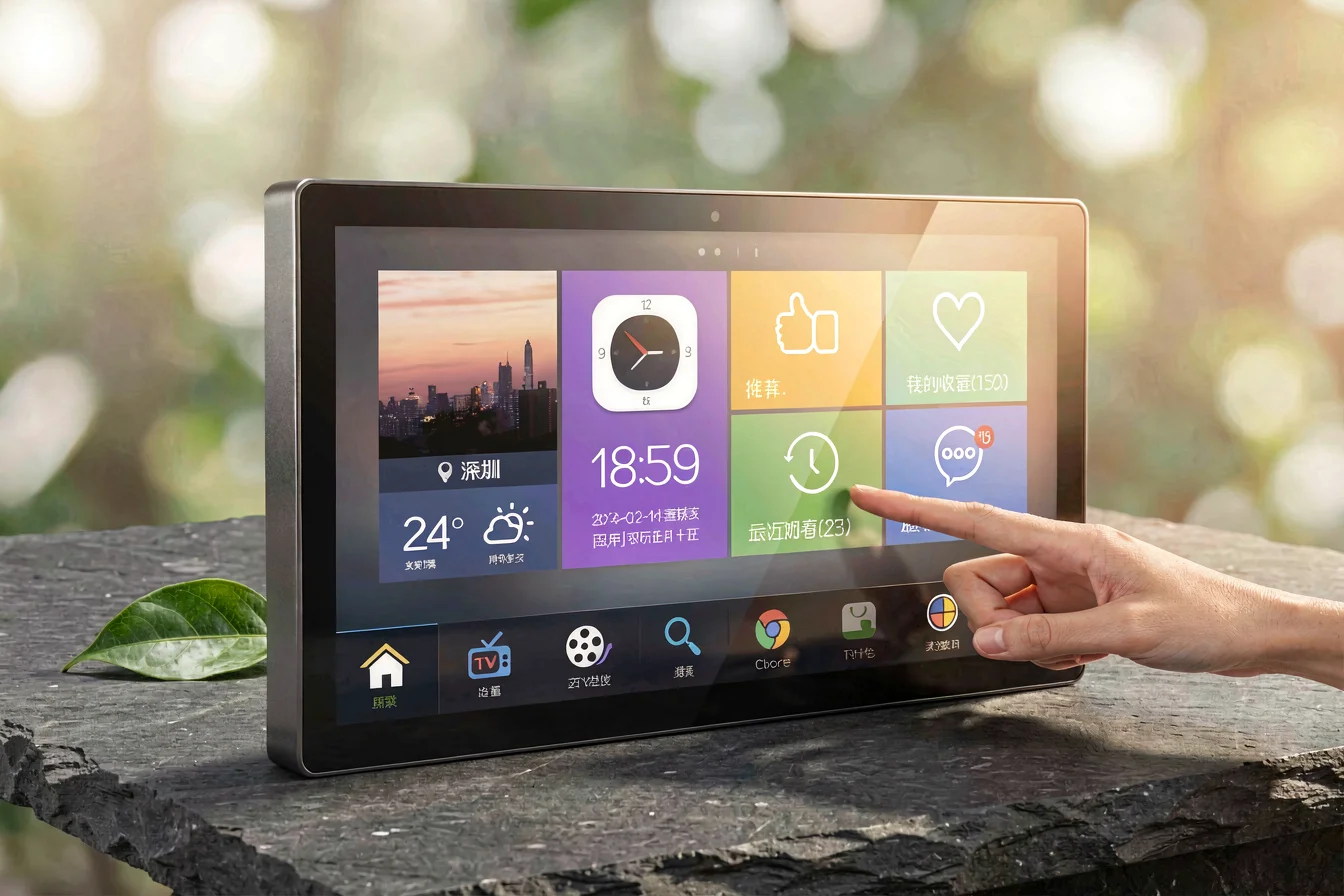
Durability is a critical procurement factor, especially for organizations with high device turnover or usage in harsh environments. Java-based mobile phone units, typically feature phones, are known for rugged build quality, long battery life, and minimal digital wear. However, their hardware is aging, and tactile keypads degrade over time. User reviews highlight the struggle to find reliable Java phones and the risk of poor tactile feedback[3][4]. Touch screen mobile phone units, while generally lighter and thinner, face higher risks of screen damage and software obsolescence. Average lifespan is 2–3 years, with replacement cycles driven by app updates and screen wear[8].
Application scenarios dictate device selection. Java phones excel in legacy gaming, ultra-low-cost communication, and environments where tactile feedback is essential. Touch screen phones dominate productivity, multimedia, and digital workflow applications, making them ideal for enterprise, education, and commercial use. Hidden costs for touch screen phones include software support, screen replacement, and app licensing, while Java phones incur minimal hidden costs but are increasingly difficult to source and support.
| Cost Factor | Java-based Mobile Phone | Touch Screen Mobile Phone |
|---|---|---|
| Initial Purchase Price | USD 11–20/unit | USD 200–600/unit |
| Maintenance | Minimal, mostly hardware | Moderate, software & screen |
| Replacement Frequency | Low, 3–5 years | High, 2–3 years |
| Hidden Costs | Sourcing, game compatibility | App licensing, screen repair |
| Total 5-Year Cost | USD 30–50/unit | USD 600–1,200/unit |
For organizations prioritizing durability and minimal maintenance, Java phones offer cost advantages; for mainstream buyers, touch screen phones are justified by their app ecosystem and productivity capabilities, despite higher replacement costs.
The core value of mobile phones in 2026 is their ability to bridge digital workflows, enhance productivity, and enable seamless communication. Java-based mobile phone remains relevant in regions where affordability and legacy app support are paramount, such as emerging markets and retro gaming communities. Touch screen mobile phone dominates urban, enterprise, and commercial segments, where app integration and digital connectivity drive procurement decisions.
Market trend data shows urbanization and digital adoption have driven touch screen phones to become the global standard, with search interest consistently outpacing Java-based phones[1]. Java phones retain a niche but stable market among retro gaming and ultra-low-cost segments, with demand peaking during annual gaming events and in regions with limited digital infrastructure.
Google Trends data (Mar 2025–Feb 2026) confirms touch screen smartphones (value 80–90) far outpace Java-based phones (value 20–28) in search interest, with Android touch screen phones dominating the top of the funnel[1]. This gap reflects the shift in buyer intent from legacy to modern digital solutions.
Search Interest over Time
Procurement strategy should align with market momentum: touch screen phones offer scalable digital adoption, while Java phones are best reserved for legacy or niche segments.
Reddit and TikTok discussions reveal a stark divide between the nostalgic appeal of java-based mobile phone and the practical frustrations of touch screen mobile phone . Java phones are praised for tactile feedback and retro gaming, but criticized for declining hardware support and game compatibility[3][4]. Touch screen phones are debated for usability (hand-eye coordination, screen fatigue), but are widely accepted as the modern standard.
Case Study 1: Retro Gaming Enthusiast (Reddit, r/J2MEgaming)
A teen in Bangladesh spent 11.46 USD to acquire a Java-supported phone, using it for gaming and communication. The device was locally sourced, but the user faced challenges with tactile feedback and game compatibility. Community comments emphasized the scarcity of Java phones and the need for hardware with T9 keyboards for optimal gaming. One user noted, “I had no idea that J2ME compatible phones are still being produced. 🤯 I can imagine there are not many/no J2ME app developers left.” Another user recommended alternatives like Xiaomi Mi phones for gaming, highlighting the trade-off between cost and tactile experience.
Case Study 2: Mainstream Buyer Struggling with Touch Screen (Reddit, r/Smartphones)
A German buyer expressed frustration with touch screen phones due to screen issues and a desire for tactile feedback. The community highlighted the rarity of non-touch devices and the dominance of touch screen phones in modern markets. One comment stated, “Every 'normal' phone nowadays has a touchscreen, I don't see many people still on flip phones anymore lmao.” Another user noted, “Apps like WhatsApp are designed around touchscreens. Unless you want to carry a tablet with a trackpad or a laptop everywhere, you’re out of luck.”
“Touchscreen, for various reasons, require specific hand-eye coordination to work. Without looking at them, you have no frame of reference. No dimples like you have on physical buttons. The customizability of keyboards on screens is great but it makes it even more impossible to do things blind if things are not in the same place.” — r/unpopularopinion [2]
“My first phone too! This brings back memories.” — r/Nokia [8]
| Dimension | Java-based Mobile Phone | Touch Screen Mobile Phone |
|---|---|---|
| Overall Satisfaction | High for retro gaming | High for mainstream use |
| Most Praised Feature | Tactile feedback | App ecosystem |
| Most Common Complaint | Hardware scarcity, game compatibility | Hand-eye coordination, screen fatigue |
| Community Recommendation Rate | Moderate, niche | High, mainstream |
Viral content themes: Retro gaming nostalgia, tactile feedback debates, screen fatigue, and the rise of mobile app ecosystems. Cultural reception is split: Java phones are celebrated for nostalgia and tactile experience, while touch screen phones are seen as the modern standard but face usability criticism in certain contexts.
Community sentiment confirms touch screen phones are the mainstream choice, while Java phones retain a loyal niche among retro gaming and ultra-low-cost users.
Before purchasing, buyers should clarify their primary use case, budget, and must-have features. Key questions include:
Tiered recommendations:
| Tier | Recommended Product | Key Reason |
|---|---|---|
| Budget-Friendly | Java-based Mobile Phone | Ultra-low cost, tactile feedback |
| Mid-Range | Touch Screen Mobile Phone | App ecosystem, digital workflow |
| Premium | Touch Screen Mobile Phone | Productivity, multimedia, enterprise |
Optimization tips:
Buyers should match device selection to application, budget, and user experience, leveraging touch screen phones for mainstream needs and Java phones for niche, legacy, or ultra-low-cost scenarios.
Synthesis: Touch screen mobile phones are the dominant procurement choice, driven by app ecosystem integration, digital workflow, and global connectivity. Java phones remain relevant for retro gaming and ultra-low-cost markets but are increasingly difficult to source and support. Market momentum and user sentiment favor touch screen phones, with search interest outpacing Java phones by a wide margin[1]. Over the next 6–12 months, touch screen phones will continue to evolve with AI-powered UI, advanced sensors, and improved battery life, while Java phones may see a resurgence in niche gaming events and emerging markets.
Forward-looking recommendation: Commercial buyers should prioritize touch screen phones for scalable digital adoption, while niche buyers can leverage Java phones for legacy gaming and ultra-low-cost applications. Buyers are encouraged to share their experiences and provide feedback to shape future procurement strategies. For commercial buyers, Alibaba.com offers a wide selection of touch screen phones and Java phones, enabling direct sourcing and bulk procurement.
Confident buyers should act now: share your experience with mobile phone procurement, and for wholesale sourcing, explore Alibaba.com for touch screen and Java-based mobile phone options.