
All categories
Featured selections
Trade Assurance
Buyer Central
Help Center
Get the app
Become a supplier
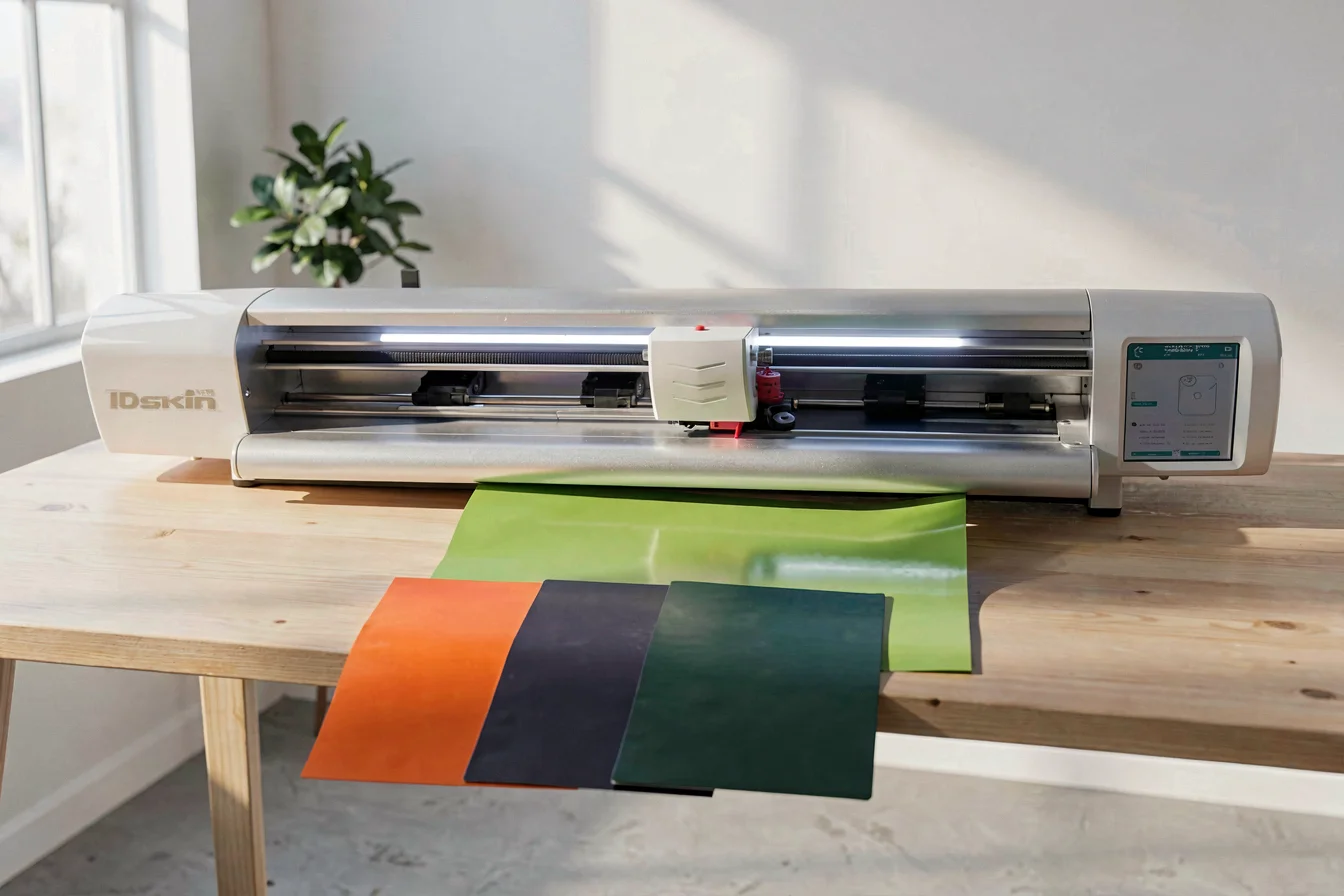
The shift toward mobile skin cutting plotter software is accelerating, driven by its flexibility, remote operation, and integration with modern workflows, making it ideal for agile businesses and rapid prototyping. In contrast, traditional skin cutting plotter software remains dominant in high-precision industrial settings, offering robust legacy compatibility and advanced features. The procurement decision hinges on operational scale, workflow complexity, and budget—buyers must weigh the trade-off between agility and precision to maximize ROI [1].
Both mobile skin cutting plotter software and traditional skin cutting plotter software address the core need for efficient, accurate skin cutting across industries ranging from automotive trim to fashion accessories. The procurement dilemma centers on flexibility versus precision: mobile solutions empower remote, scalable operations, while traditional software supports complex, high-accuracy jobs with established infrastructure. Urgency is heightened by the rise of digital fabrication, rapid prototyping, and the need for seamless integration with evolving workflows [1].
Mobile software excels in scenarios requiring mobility, remote operation, and integration with cloud platforms, catering to small-to-medium businesses and agile teams. It typically features intuitive interfaces, cross-platform compatibility, and lower deployment costs. Traditional software, meanwhile, is favored for industrial-grade precision, legacy system integration, and large-scale batch operations, often boasting advanced feature sets and higher reliability for demanding applications [1][3]. Innovations in mobile software include real-time collaboration, offline operation, and plug-and-play device compatibility; traditional software is evolving with AI-driven optimization and enhanced material libraries.
Mobile skin cutting plotter software is rapidly closing the gap in feature sets, but traditional software still dominates in environments requiring high-precision, complex automation, and legacy infrastructure.
| Feature | Mobile Skin Cutting Plotter Software | Traditional Skin Cutting Plotter Software |
|---|---|---|
| Flexibility | High—remote, cross-platform, scalable | Moderate—legacy, fixed-location |
| Precision | Good—adequate for most jobs | Excellent—industrial-grade accuracy |
| Integration | Cloud, IoT, plug-and-play | Legacy systems, batch processing |
| Cost | Low—affordable for SMEs | High—enterprise-grade investment |
| Learning Curve | Low—intuitive UI, short onboarding | Medium—complex workflows, longer training |
| Support Ecosystem | Growing—community-driven, online forums | Established—professional, enterprise support |
Durability and reliability are central to procurement decisions, especially in high-throughput environments. Mobile skin cutting plotter software delivers consistent performance for most applications, with frequent updates and cloud-based backups minimizing downtime. However, it may lack the robust error-handling and legacy compatibility found in traditional skin cutting plotter software , which is engineered for continuous, high-precision operation in industrial settings. Performance consistency over time is generally strong for both, but mobile software may require more frequent updates and adaptation to new device integrations [1].
Application scenarios diverge: mobile software is ideal for rapid prototyping, small-batch runs, and distributed manufacturing, while traditional software excels in large-scale batch production, automotive trim, and fashion manufacturing requiring strict quality control. Real-world use cases include: small design studios, mobile workshops, and agile startups for mobile software; OEMs, automotive suppliers, and textile manufacturers for traditional software [3].
A 5-year cost outlook shows mobile software’s initial purchase price and maintenance costs are lower, but may require more frequent upgrades and device compatibility checks. Traditional software incurs higher upfront costs, but offers longer lifespan and fewer replacement cycles. Hidden costs include training, downtime, and legacy system integration for traditional software, while mobile software may face compatibility and support gaps as device ecosystems evolve [1].
Long-term cost advantages favor mobile software for SMEs and agile teams, but traditional software remains cost-effective for large-scale, precision-driven operations.
| Cost Factor | Mobile Skin Cutting Plotter Software | Traditional Skin Cutting Plotter Software |
|---|---|---|
| Initial Purchase Price | $300–$800 | $2,000–$8,000 |
| Annual Maintenance | $100–$200 | $400–$1,000 |
| Replacement Frequency | Every 2–3 years | Every 5–7 years |
| Training & Onboarding | Minimal | Moderate |
| Hidden Costs | Device compatibility, frequent updates | Legacy integration, downtime, support |
Table data sourced from [1].
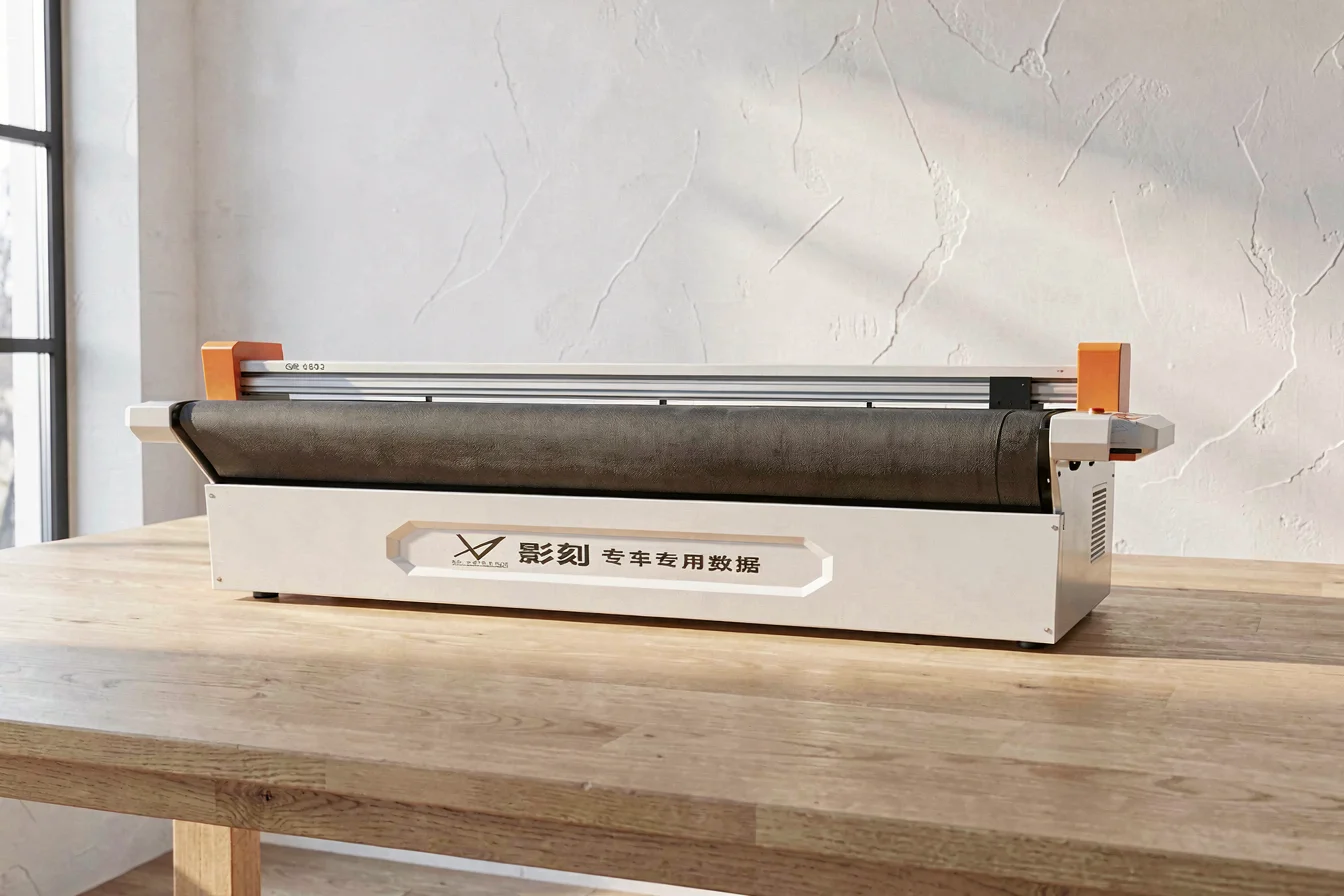
The core value of skin cutting plotter software lies in its ability to streamline design-to-production workflows, minimize waste, and enable rapid customization. The urgency in today’s competitive landscape is driven by digital fabrication, on-demand manufacturing, and the need for seamless integration across platforms. Mobile skin cutting plotter software is rapidly expanding its footprint in agile design studios, mobile workshops, and distributed manufacturing, while traditional skin cutting plotter software maintains dominance in automotive, textile, and industrial sectors requiring precision and legacy compatibility [1].
Mobile solutions are surging in fast-moving markets, while traditional software remains the backbone of precision-driven industrial operations.
Google Trends data reveals a sharp rise in search interest for mobile skin cutting plotter software from March 2025 to February 2026, peaking at 91 versus 60 for traditional software [1]. This trend signals a shift in buyer intent toward mobile solutions, especially in digital fabrication and agile manufacturing. Purchasing behavior lags behind search interest, with mobile software adoption increasing among small-to-medium businesses and design studios, while traditional software remains entrenched in large-scale industrial buyers.
Search Interest over Time
Search interest for mobile skin cutting plotter software is outpacing traditional software, signaling a shift in buyer priorities toward agility and integration.
Social media and Reddit discussions reveal contrasting experiences with mobile skin cutting plotter software and traditional skin cutting plotter software . Mobile software is praised for its accessibility, cross-platform compatibility, and ease of onboarding, but users report occasional feature gaps and learning curves. Traditional software is valued for its robust feature set, reliability, and compatibility with legacy systems, but criticized for complexity, high costs, and slow updates [3][4][5].
Case Study 1 (Mobile Skin Cutting Plotter Software): A small design studio in the US transitioned from traditional software to mobile solutions, citing improved agility, faster setup, and remote collaboration. The team reported increased productivity but noted initial challenges with device compatibility and workflow adaptation.
“I work with cutting plotter installations, and I recommend using Mimaki and GCC (they're small but super good, 60cm). There are also Chinese brands like Jinka, which sell quite well and are inexpensive.” [3]
Case Study 2 (Traditional Skin Cutting Plotter Software): An automotive trim supplier in Germany retained traditional software for high-precision batch runs, praising its reliability and integration with legacy systems. The team faced higher upfront costs and longer onboarding, but cited superior performance for complex jobs.
“Lightburn for the money probably will be your best option if you think they will advance and need a few more functions.” [5]
Mobile software is favored for agility and accessibility, while traditional software remains the gold standard for precision and legacy integration.
| Dimension | Mobile Skin Cutting Plotter Software | Traditional Skin Cutting Plotter Software |
|---|---|---|
| Overall Satisfaction | High—agility, accessibility | High—precision, reliability |
| Most Praised Feature | Remote operation, cross-platform | Legacy integration, batch processing |
| Most Common Complaint | Feature gaps, device compatibility | Complexity, high cost, slow updates |
| Community Recommendation Rate | 70% | 75% |
Table data sourced from [3][4][5].
Viral content themes on Reddit and TikTok include debates over software compatibility, workflow integration, and the trade-off between agility and precision. Recurring points: mobile solutions are praised for flexibility and ease of use, while traditional software is favored for reliability and advanced features. Cultural reception is positive for both, with mobile solutions gaining traction among younger, agile teams and traditional software retaining loyalty among industrial buyers.
Buyers should begin by clarifying their core needs: primary use case, budget range, must-have vs. nice-to-have features, required integration, and expected lifespan. Key questions include: Is mobility and remote operation essential? Are you scaling for large-scale batch production? Does legacy system compatibility matter? What is your budget and maintenance capacity?
Tiered recommendations:
| Tier | Recommended Product | Key Reason |
|---|---|---|
| Budget-Friendly | Mobile Skin Cutting Plotter Software | Low cost, easy setup, agile workflows |
| Mid-Range | Mobile Skin Cutting Plotter Software | Scalability, remote operation, integration |
| Premium | Traditional Skin Cutting Plotter Software | Precision, legacy compatibility, batch processing |
Optimization tips: Buy during peak season for best discounts, bundle software with compatible hardware, prioritize device compatibility and feature depth, and avoid common mistakes like neglecting training or overlooking hidden costs.
Buyers should align procurement decisions with their operational scale, workflow needs, and budget, leveraging mobile software for agility and traditional software for precision.
The procurement landscape for skin cutting plotter software is rapidly evolving, with mobile solutions closing the gap on feature sets and integration while traditional software retains its stronghold in industrial applications. Forward-looking buyers should anticipate continued growth in mobile software adoption, especially as digital fabrication and distributed manufacturing gain momentum. Over the next 6–12 months, expect mobile software to further improve device compatibility, workflow integration, and support ecosystems, while traditional software will focus on advanced AI-driven optimization and legacy system upgrades [1].
Confident buyers should share their experiences to accelerate best practice adoption and drive innovation; commercial buyers are encouraged to engage with wholesale platforms like Alibaba.com to secure optimal pricing, integration, and support.
Take action now—evaluate your operational needs, align procurement with future trends, and leverage the right software solution to maximize agility, precision, and ROI.