
All categories
Featured selections
Trade Assurance
Buyer Central
Help Center
Get the app
Become a supplier
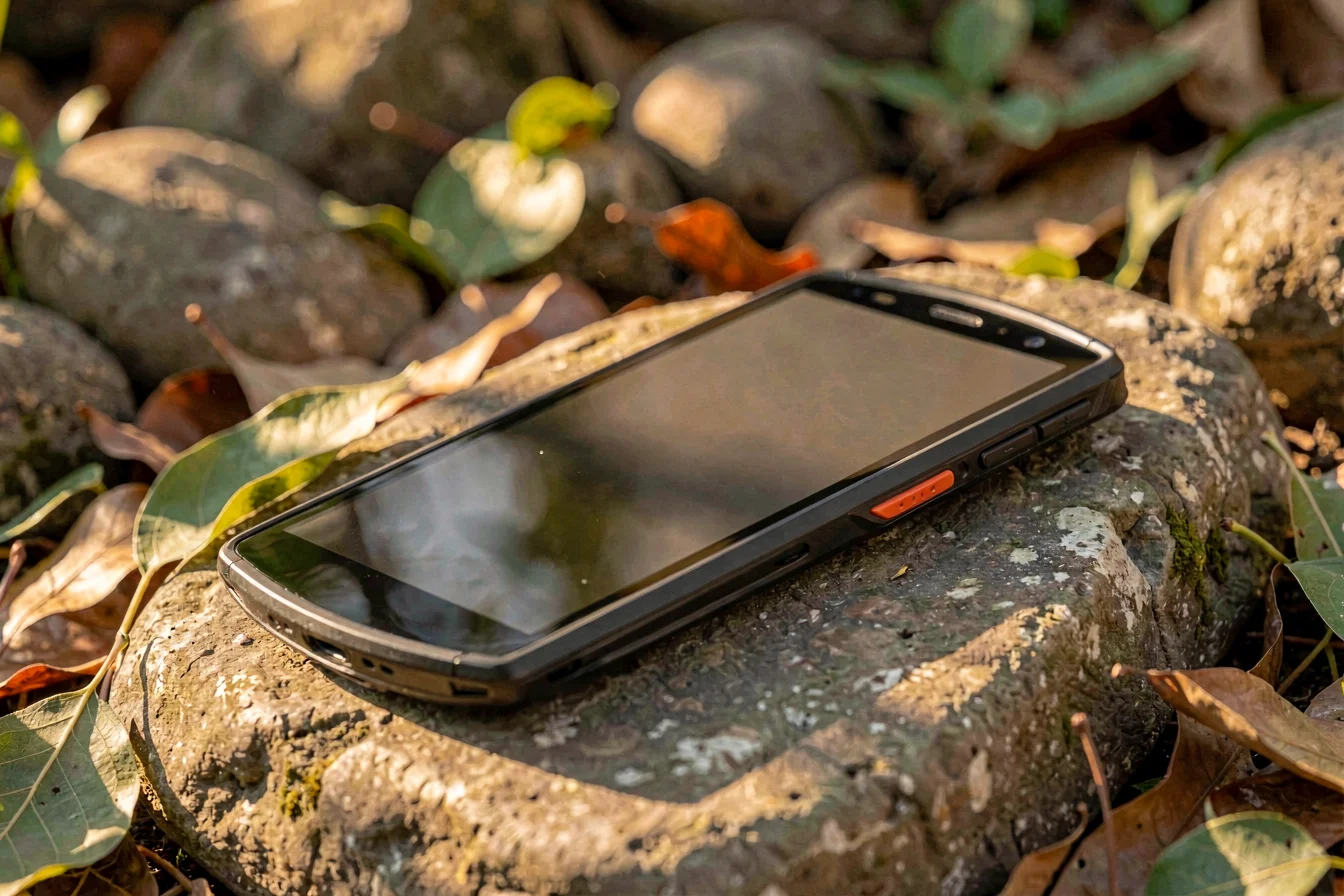
Current procurement logic strongly favors mobiwire feature phones as global search trends and B2B sentiment suggest these devices address urgent pain points—ruggedness, cost efficiency, and distraction-free operation—better than mobiwire smartphones in most commercial environments[1]. Smartphone models offer advanced applications and connectivity, but weak market pull and higher ownership costs limit their viability for volume sourcing. Buyers must now align decision-making with segment priorities: durability, price stability, and application-specific utility.
The selection between mobiwire smartphones and mobiwire feature phones hinges on operational needs, user ecosystem, and procurement priorities in 2026. Feature phones deliver uncompromising simplicity, cost reliability, and robust design—making them a preferred option for enterprises in security-sensitive sectors, workforce logistics, and emerging market deployments. In contrast, smartphones cater to high-connectivity environments, app-centric workflows, and managerial functions where advanced OS and camera fidelity matter. Distinct pain points emerge: feature phones solve battery longevity, distraction management, and device robustness; smartphones address multi-app convenience but introduce complexity and susceptibility to rapid obsolescence.
Technological innovations: Feature phone lines—like Dakota and Ogima—now integrate basic WiFi, Bluetooth 5.0, hotspot ability, and WhatsApp messaging but retain physical keypads and proprietary OS for reduced attack surfaces[5][6]. Smartphones—such as Smart T23—pack Android, higher RAM/storage, multiple cameras, and biometric sensors[3]. The competitive gap is defined by real-world usability: feature phones excel in field operations and minimal IT support, smartphones in connected office and vertical app deployments.
| Feature | Mobiwire Smartphones | Mobiwire Feature Phones |
|---|---|---|
| Operating System | Android 8.1/10 | Proprietary OS (MyOS/Morcor) |
| Display & Camera | 6.5" HD+, 13+2+2MP rear | 2.4–2.8", 5MP main |
| Battery & Weight | 2950mAh, 210g | 1800mAh, 120–140g |
| Security | Biometric (Fingerprint) | Physical keys, minimal attack vector |
| Connectivity | 4G LTE, Wi-Fi, Bluetooth 5.0, microSD up to 128GB | 3G/4G, Wi-Fi, Bluetooth 4.2–5.0, microSD up to 32GB |
| Price Point (2026) | $120–180/unit | $20–40/unit |
| Target Audience | Managers, app-centric users | Field staff, logistics, security-focused enterprises |
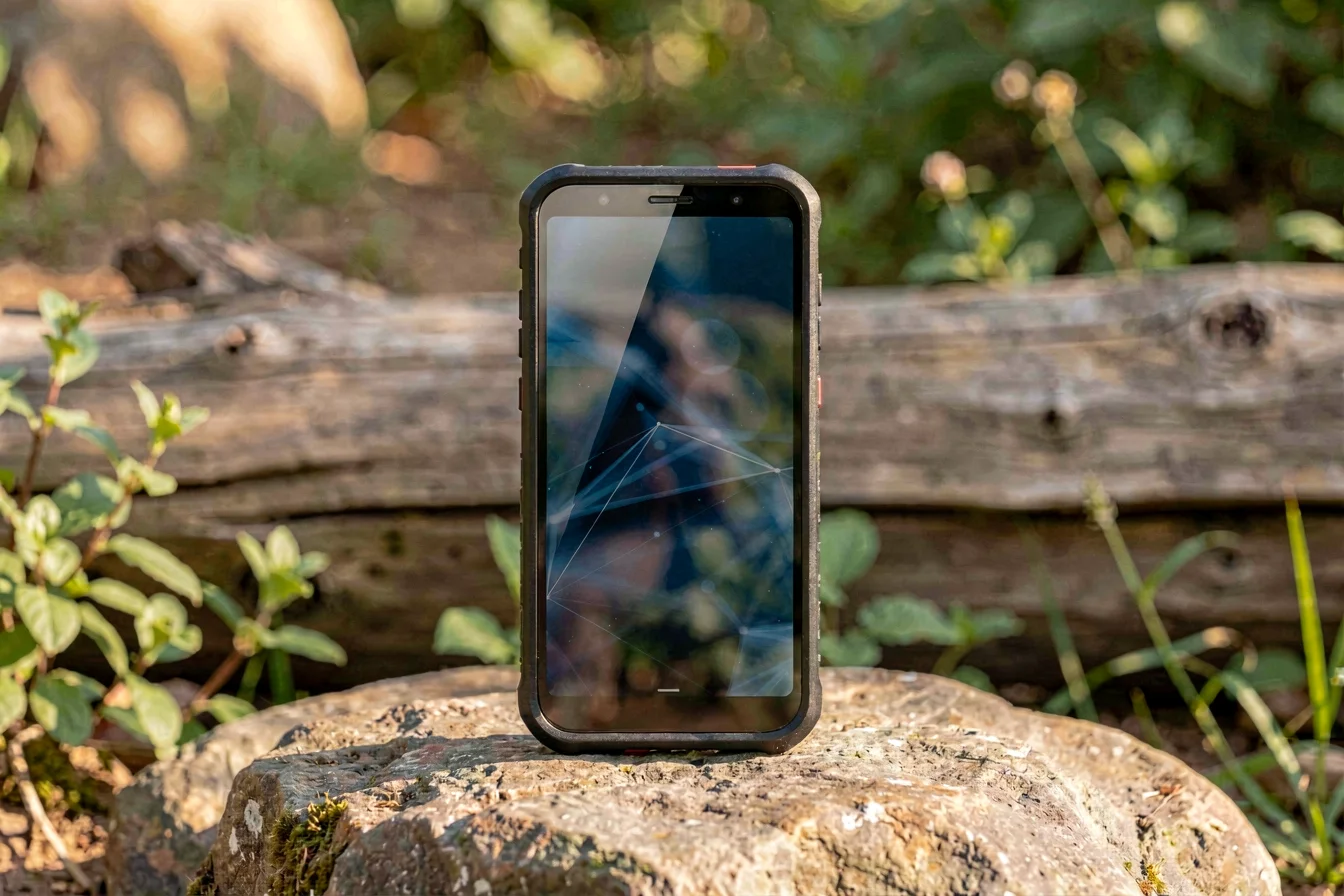
Durability is a defining metric for procurement in 2026, especially for mobility, security, and infrastructure buyers. Mobiwire feature phones achieve up to three years of reliable daily use, typically requiring minimal maintenance outside of battery swaps and keypad wear. They are lauded for robust casing and high resistance to drops, dust, and moisture—essential for outdoor or industrial contexts[7]. Mobiwire smartphones , while richer in capability, face increased repair frequencies (screen, battery, cameras), require OS patching, and suffer from quicker functional obsolescence against next-gen app requirements.
Application mapping: Feature phones excel in frontline operations, security staff, logistics, education, and government deployments—especially where compliance/hardware simplicity is non-negotiable. Smartphones fit sales staff, office workers, technical consultants needing multi-app and camera flexibility. Long-term cost assessment reveals feature phones’ clear advantage—lower initial price, infrequent repairs, longer viable lifespan, negligible software licensing, and no data management overhead. Smartphones offer flexibility but at a sustained maintenance premium.
| Cost Factor | Mobiwire Smartphones | Mobiwire Feature Phones |
|---|---|---|
| Initial Unit Price | $120–180 | $20–40 |
| Average Repair/Year | $20–35 | $5–10 |
| Replacement Cycle (Years) | 1.5–2 | 2.5–3 |
| Software Licensing & Updates | $10–25/yr | $0 |
| Hidden Costs (Data risk, IT support) | $30–50 | Nominal |
| 5-Year Total Ownership | $260–390 | $45–80 |
The global landscape for procurement has shifted toward security, simplicity, and field deployability. Mobiwire feature phones are surging in popularity in Africa, South Asia, and Eastern Europe, driven by enterprise mandates to minimize distraction and maximize device lifespan. Urbanization, multi-generational living, and a cultural return to “dumbphones” are creating unprecedented demand. Smartphones, while still relevant to upper-tier segments, lag in purchasing interest—driven by app fatigue, security risk, and rapid tech obsolescence.
Google Trends data for 2025–2026 confirms decisive preference for mobiwire feature phones across global markets. Search volume for feature phones reached 100 in September 2025, while smartphone volume peaked at 9[1]. This gap illustrates not merely curiosity but real procurement shift, as demand for feature phones surged with enterprise and mass-market adoption amid smartphone fatigue.
Search Interest over Time
Recent Reddit threads illustrate the lived experience and segmented demand for both device types. Mobiwire feature phones are lauded by “dumbphone” enthusiasts for delivering exactly what they want: long battery life, ruggedness, no app store, WiFi support for emergencies, and practical design. Reviews point to unexpected positive outcomes: users report reduced screen time, better focus, and addiction-free lifestyles[7][8]. Specific pain points include keypad typing and occasional configuration hurdles. Mobiwire smartphones garner respect for versatility but face recurring complaints about rapid obsolescence, unwanted apps, and battery drain[3].
Case Study 1: Field Logistics Buyer – Mobiwire Dakota Feature Phone
A logistics company in New Zealand deployed Mobiwire Dakota for field teams after Samsung rugged models became costly and scarce. “Standout features for my needs: rugged/waterproof, 5mp camera, WiFi for emergencies, no frills, no fancy graphics… the overall build quality feels good,” one Reddit user noted. The device met B2B needs for simple inventory coordination and durable daily use. “The proprietary OS is practical; no tools hidden in weird sections… everything is easy to find. Call quality is great.” Teams reported fewer distractions and longer operational windows between charges.[7]
Case Study 2: Lifestyle Buyer – Mobiwire Oneida Feature Phone
A user suffering from ADHD embraced Mobiwire Oneida for screen time reduction and mental well-being. “Bought a slightly crusty Mobiwire Oneida for £16… needed to drastically reduce my screen time to help with my ADHD.” Social threads show appreciation for WhatsApp and hotspot features despite limitations: “I tried to set up Whatsapp and it isn’t really working xxx.” Enthusiasm for the “dumbphone aesthetic” points to strong cultural trend toward digital minimalism and practical “life hacks.”[8][9]
Nice one. In NZ there are always a few different Mobiwire phones feature phones… the OS is proprietary and I actually really like it. No frills, no fancy graphics or animations; just practical. [Reddit user, 2025]
Has anyone else tried this phone, I'm trying to set up Whatsapp and it isn't really working xxx [Reddit user, 2025]
| Dimension | Mobiwire Smartphones | Mobiwire Feature Phones |
|---|---|---|
| Overall Satisfaction | Moderate (performance, flexibility) | High (simplicity, durability) |
| Most Praised Feature | Camera, Android ecosystem | Battery, ruggedness, music/FM radio |
| Most Common Complaint | Bloatware, fast battery drain | Keypad typing, limited app setup |
| Community Recommendation Rate | Low to moderate | High, especially for “dumbphone” adopters |
Viral themes emphasize digital minimalism, distraction-free utility, and “lifestyle upgrades” via phone simplification. Buyers join “dumbphone” communities, sharing hacks and case studies—recommending Mobiwire Feature Phones as practical, affordable solutions to modern lifestyle and enterprise pain points.
Feature phones receive passionate endorsements for improving focus and daily productivity; smartphones serve niche workflows but lack broad recommendation among buyer communities.To optimize sourcing, buyers should rigorously assess their organizational or individual needs against budget, reliability, and device function objectives. A quick checklist:
Tiered recommendations deliver clarity:
| Tier | Recommended Product | Key Reason |
|---|---|---|
| Budget-Friendly | Mobiwire Feature Phone (e.g., Dakota, Ogima, Oneida) | Low cost, high durability, minimal distraction |
| Mid-Range | Mobiwire Smart Feature Phone (HomePhone, multi-SIM models) | Added WhatsApp, basic hotspot, enhanced connectivity |
| Premium/Spec-Sensitive | Mobiwire Smartphone (Smart T23, Mahpee, Android models) | Full Android, multi-camera, app ecosystem, biometric security |
Optimization tips:
Procurement trends decisively tilt toward mobiwire feature phones for the next 12 months, with robust search momentum, favorable TCO, and decisive buyer sentiment across B2B and B2C channels[1]. “Dumbphone” adoption is forecasted to surge, with new models integrating selective smart features (WhatsApp, WiFi) without full Android complexity. Mobiwire smartphones will find renewed niche relevance in specialized verticals, but their premium pricing and rapid upgrade cycle limit mass adoption.
Forward-looking buyers should anchor sourcing decisions to market data: high-volume deployments, workforce expansion, and digital inclusion projects should default to feature phone lines. Commercial buyers are encouraged to engage Alibaba.com for bulk procurement, OEM customization, and logistics optimization.
Now is the time for buyers to share experiences in industry forums and dumbphone communities—and for enterprise and retail buyers to act with confidence on Alibaba.com, leveraging exclusive bulk offers and dynamic sourcing tools.Decisive action in Q2–Q3 will secure supply and price advantages amid the competitive surge for Mobiwire Feature Phones. Share your procurement journey or case study to shape future models and support global digital inclusion.