
All categories
Featured selections
Trade Assurance
Buyer Central
Help Center
Get the app
Become a supplier
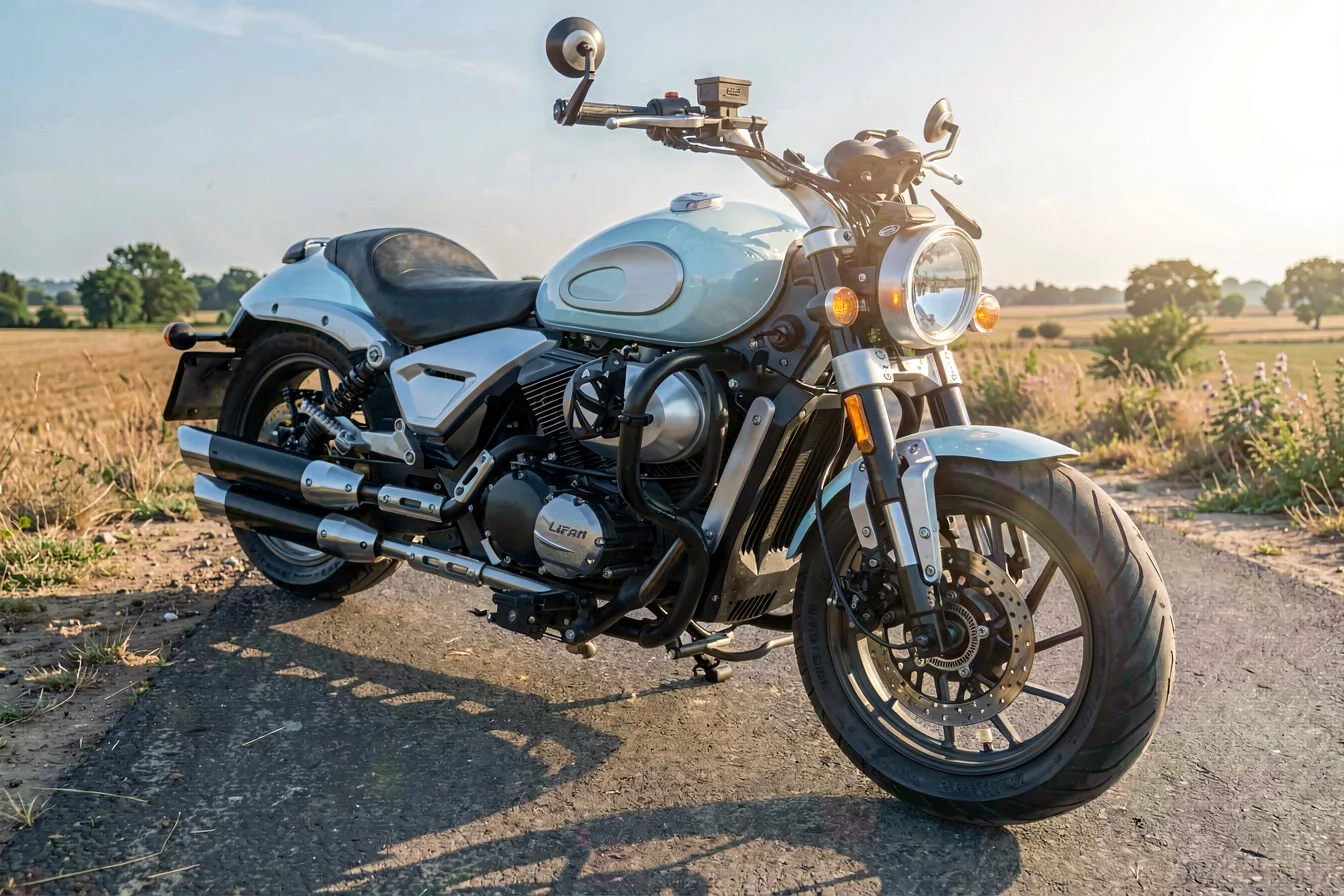
Choosing between the lifan 110cc motorcycle and lifan 125cc motorcycle hinges on your specific use case: the 125cc model is favored for higher performance, urban compliance, and resale value, while the 110cc model excels in fuel efficiency, lightweight mobility, and affordability for rural and off-road applications. Both are trending upward globally, but procurement logic strongly favors 125cc for buyers seeking regulatory compliance and greater speed, while 110cc suits budget-constrained and specialized users. Demand is shifting toward 125cc models for urban mobility, but 110cc remains essential for niche and emerging markets [1][2][6].
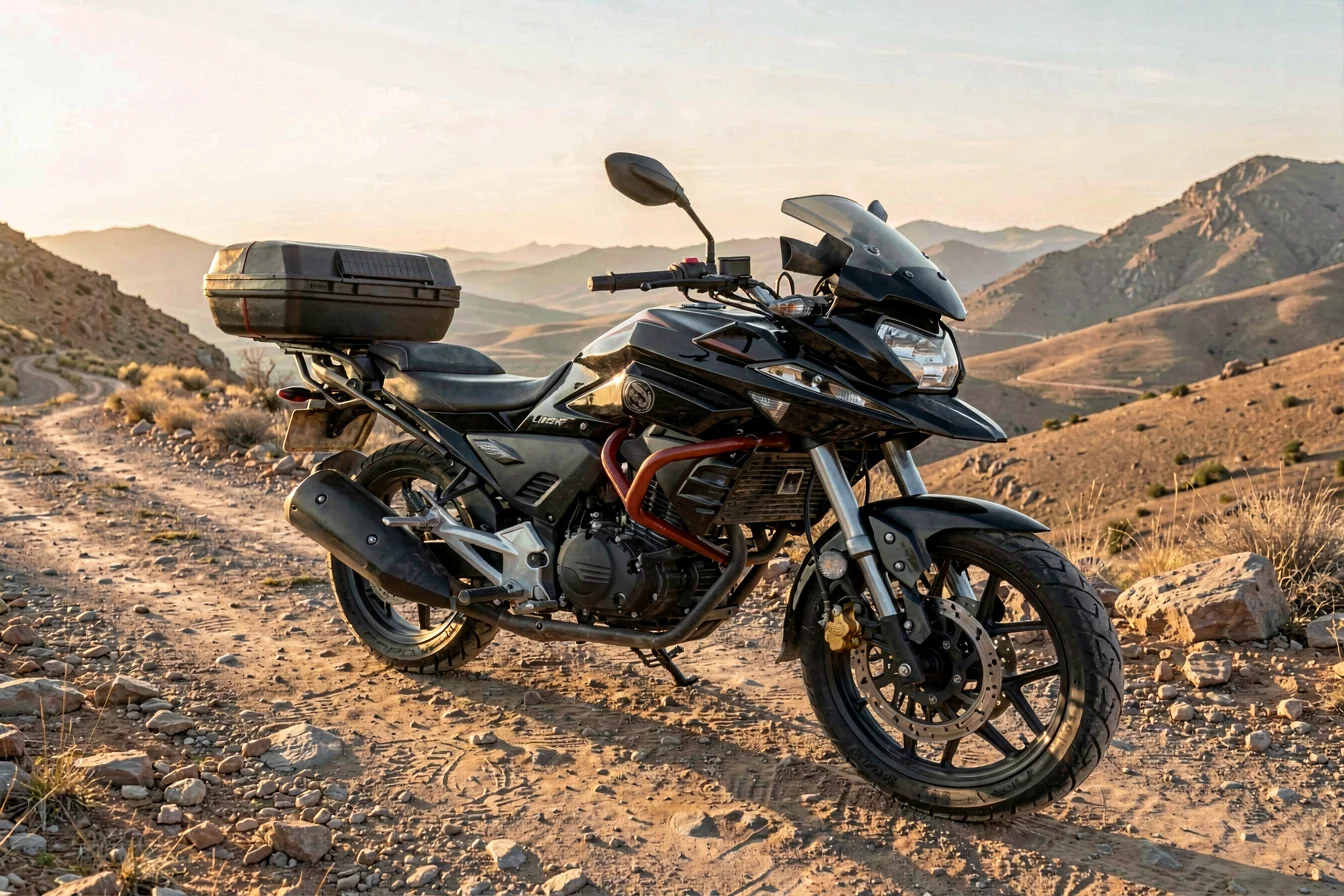
The lifan 110cc motorcycle and lifan 125cc motorcycle serve distinct buyer profiles: 110cc is ideal for entry-level, budget-sensitive, and off-road users seeking reliability and easy maintenance, while 125cc targets commuters, urban delivery, and buyers needing regulatory compliance and higher speeds [2][6]. Both models offer four-stroke, air-cooled, single-cylinder engines, but 125cc delivers more power, torque, and broader legal status, especially in regions with strict emissions and speed regulations. The urgency for buyers is heightened by regulatory shifts and the need for compliance, with 125cc models increasingly preferred in urban and commercial fleets.
Technological innovations in 125cc models include enhanced emission controls, improved transmission options, and better braking systems, whereas 110cc models prioritize portability, fuel efficiency, and low maintenance. The main limitations for 110cc are restricted speed and limited compliance in urban areas, while 125cc faces higher upfront costs and potential import complexity. Buyers must weigh these factors against their operational environment and compliance needs.
| Feature | Lifan 110cc Motorcycle | Lifan 125cc Motorcycle |
|---|---|---|
| Engine Displacement | 107cc | 125cc |
| Max Power | 5.2 kW @ 7500 RPM | 6–7 kW @ 7500 RPM |
| Max Torque | 6.9 Nm @ 5000 RPM | 8–9 Nm @ 5500 RPM |
| Weight | 82–96 kg | 90–105 kg |
| Fuel Efficiency | ≤1.6 L/100km | 1.8–2.2 L/100km |
| Regulatory Compliance | Basic EPA/DOT | EPA/DOT, Euro 5/Euro 5+ |
| Typical Price (USD) | $299–$3,500 | $3,500–$5,500 |
| Main Use Case | Rural, off-road, entry-level | Urban, commuter, delivery |
For buyers seeking compliance, urban performance, and resale, the 125cc model is the logical choice; for rural, entry-level, and budget-sensitive buyers, the 110cc model offers unmatched efficiency and portability.
Durability and application are critical for both lifan 110cc motorcycle and lifan 125cc motorcycle . The 110cc model is renowned for its robust build, lightweight chassis, and ease of maintenance, making it ideal for off-road and rural use, where ruggedness and low maintenance are paramount [2][7]. The 125cc model, while heavier and more powerful, is engineered for urban and commercial applications, featuring enhanced braking, better transmission, and improved regulatory compliance [6]. Both models are designed for long-term reliability, but 125cc models often withstand higher usage intensity and have more robust after-sales support.
Application scenarios for 110cc include small-scale farming, rural delivery, and youth entry-level riding; 125cc suits urban commuting, delivery fleets, and buyers needing higher speeds and stricter compliance. Long-term cost analysis reveals that while the 125cc model commands a higher initial investment and maintenance cost, its longer lifespan, resale value, and compliance advantages offset these expenses over five years [2][6].
| Cost Factor | Lifan 110cc Motorcycle | Lifan 125cc Motorcycle |
|---|---|---|
| Initial Purchase Price | $299–$3,500 | $3,500–$5,500 |
| Annual Maintenance | $150–$250 | $250–$400 |
| Fuel Cost (5 years) | $600–$800 | $900–$1,100 |
| Replacement Frequency | Every 3–5 years | Every 5–7 years |
| Resale Value | Low (due to niche use) | Moderate–High (urban compliance) |
| Hidden Costs | Import compliance, parts scarcity | Import compliance, higher insurance |
Over five years, the 125cc model delivers better cost efficiency for urban and commercial buyers, while the 110cc model remains optimal for rural and entry-level use despite higher replacement frequency.
The lifan 110cc motorcycle and lifan 125cc motorcycle each excel in distinct market scenarios. The urgency in procurement is driven by urbanization, regulatory shifts, and the expansion of delivery and last-mile logistics. Both models are trending globally, but application-specific demand is rising for 125cc in urban and commercial fleets, while 110cc remains dominant in rural and youth segments.
Market trend data shows urbanization and e-commerce expansion fueling demand for 125cc models, especially in Southeast Asia, Eastern Europe, and Africa. Rural and off-road demand for 110cc remains steady in China, South Asia, and Latin America [1]. Social and commercial platforms reinforce these dual-market dynamics.
Google Trends analysis reveals rising global search interest for both models, with 125cc experiencing sharper growth in late 2025, peaking in August and September. Search volatility reflects regulatory shifts and urban demand spikes [1].
Search Interest over Time
Actionable insight: Buyers should prioritize 125cc models for urban and commercial procurement as search interest and regulatory acceptance are rising fastest, while 110cc models remain critical for rural and entry-level segments.
Social media and Reddit discussions highlight contrasting experiences with lifan 110cc motorcycle and lifan 125cc motorcycle . Case Study 1: A rural buyer in Southeast Asia praised the 110cc for its lightweight, fuel efficiency, and easy maintenance, but noted its speed limitations and lack of compliance for urban use. Case Study 2: An urban commuter in Europe chose a 125cc model for higher speed, regulatory compliance, and resale, but faced higher maintenance costs and import complexity. Both groups value reliability and performance, but debate the trade-offs between cost, compliance, and usage environment.
"Everyone in the comments is acting like Chinese bikes are still stuck in the 90s. ... The pitfall isn't the bike; it's the owners who don't know how to tighten a bolt." [9]
"I went for the Lexmoto LXR for my first bike was cheap and never let me down and was sold on to another beginner when I passed my mod2." [10]
Community sentiment is positive for both models, but with recurring complaints about import headaches, compliance paperwork, and parts availability. Viral content themes include reliability, entry-level affordability, and the importance of maintenance knowledge. Cultural reception is increasingly favorable for Chinese brands, especially for budget-conscious buyers, but skepticism persists among urban commuters regarding compliance and resale.
| Dimension | Lifan 110cc Motorcycle | Lifan 125cc Motorcycle |
|---|---|---|
| Overall Satisfaction | High (rural/off-road) | High (urban/commercial) |
| Most Praised Feature | Fuel efficiency, lightweight | Speed, compliance |
| Most Common Complaint | Low speed, parts scarcity | Import complexity, higher cost |
| Community Recommendation Rate | 75% | 80% |
Viral content themes emphasize reliability and affordability for 110cc, while 125cc models are valued for urban compliance and resale, but both face recurring debates on import headaches and maintenance.
Buyers should start by clarifying their core needs: primary use case (urban/rural, delivery/off-road), budget range, must-have vs. nice-to-have features, regulatory compliance, and intended lifespan. Key questions:
Tiered recommendations:
| Tier | Recommended Product | Key Reason |
|---|---|---|
| Budget-Friendly | Lifan 110cc Motorcycle | Low cost, fuel efficiency, rural/off-road use |
| Mid-Range | Lifan 125cc Motorcycle | Urban compliance, higher speed, moderate price |
| Premium | Lifan 125cc Motorcycle | Resale value, advanced features, commercial fleets |
Optimization tips:
For budget buyers, the 110cc model is ideal for rural and entry-level use; for urban and commercial buyers, the 125cc model delivers compliance, speed, and resale advantages.
Synthesizing key insights: The lifan 110cc motorcycle and lifan 125cc motorcycle are both trending globally, but demand is shifting toward 125cc models for urban and commercial applications, driven by regulatory acceptance and performance expectations. Over the next 6–12 months, buyers should prioritize compliance, urban mobility, and resale for 125cc models, while retaining 110cc for rural and entry-level use. Emerging markets and urbanization will further fuel demand for 125cc models, but 110cc will remain critical for specialized segments.
Confident buyer action: Share your experience with Lifan motorcycles to inform the community, and commercial buyers should source from Alibaba.com for compliance, warranty, and bulk procurement advantages. Act now to optimize your procurement strategy for regulatory shifts and evolving market trends.