
All categories
Featured selections
Trade Assurance
Buyer Central
Help Center
Get the app
Become a supplier
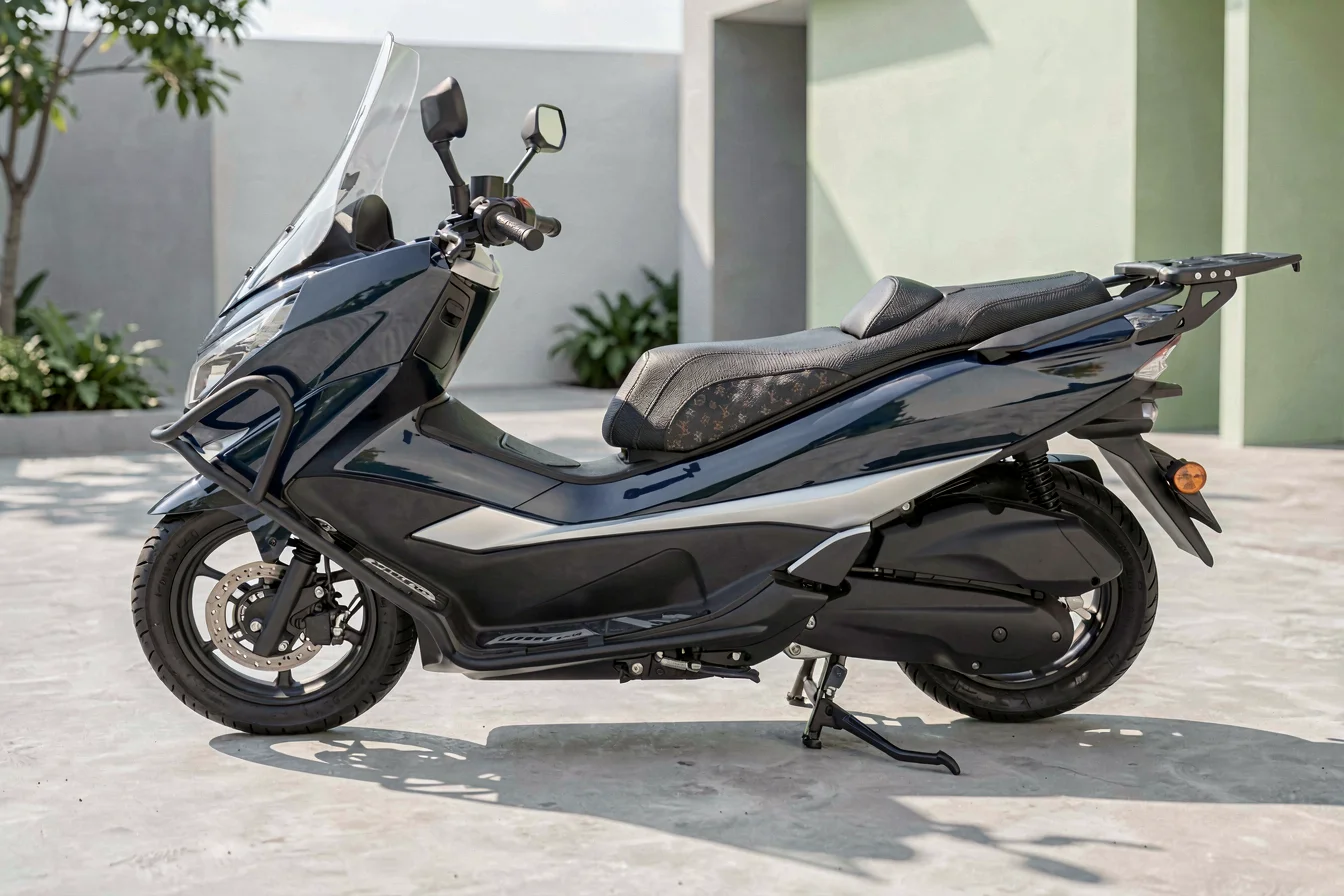
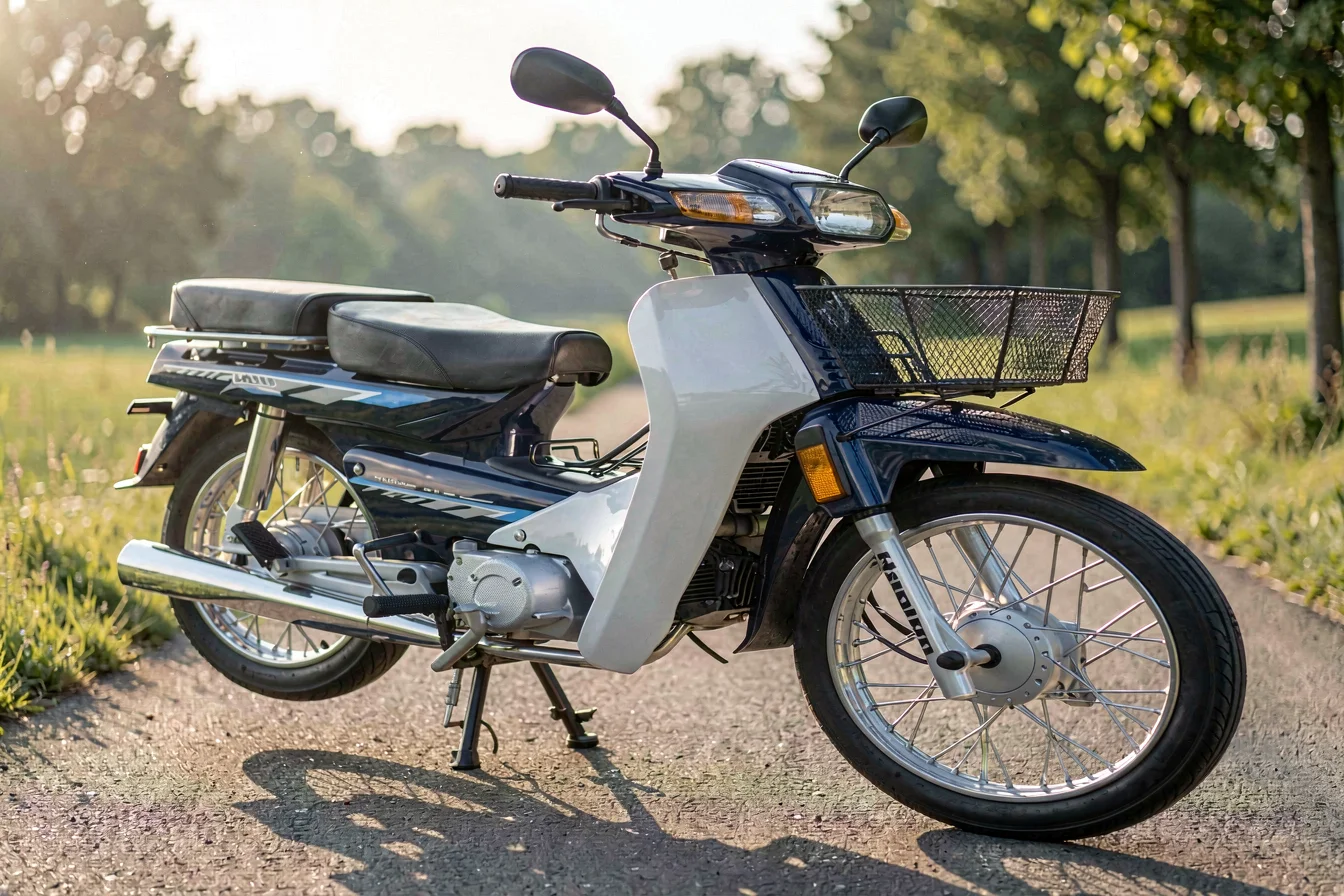
Both the 100cc motorcycle and 150cc motorcycle serve urban commuting needs, but the 150cc option is increasingly preferred for its balance of power, fuel efficiency, and versatility. Recent market data shows rising global demand for 150cc models, reflecting their broader appeal and practical advantages [1]. For buyers prioritizing affordability and simplicity, the 100cc motorcycle remains a strong contender, but the 150cc motorcycle offers superior performance and value for most modern urban use cases.
The motorcycle market is defined by the trade-off between engine size, cost, and performance. The 100cc motorcycle targets entry-level buyers, offering minimal maintenance, ultra-low fuel consumption, and easy licensing, but with limited power and cargo capacity. In contrast, the 150cc motorcycle addresses the needs of urban commuters seeking more speed, flexibility, and versatility, while still maintaining strong fuel efficiency. This shift is driven by urbanization, rising demand for multi-purpose vehicles, and evolving rider expectations for both fun and practicality [5][8].
Technological innovations in the 150cc segment—such as improved fuel injection, enhanced braking, and advanced safety features—have closed the gap between low-displacement and mid-displacement bikes. The 100cc motorcycle, meanwhile, remains relevant in markets with strict emission controls, low licensing thresholds, or extreme budget constraints [5]. However, the 150cc motorcycle is increasingly seen as the “entry-level premium” segment, with broader acceptance and higher resale potential.
| Feature | 100cc Motorcycle | 150cc Motorcycle |
|---|---|---|
| Engine Power | 8–10 PS | 12–15 PS |
| Fuel Efficiency | 70–90 kmpl | 50–70 kmpl |
| Price Range (USD) | $800–$1,400 | $1,100–$2,500 |
| Maintenance Cost | Very low | Low–moderate |
| Application Range | Short urban runs | City, suburban, light rural |
| Resale Value | Low | Moderate |
The 150cc motorcycle is the superior choice for urban commuters seeking more power, broader application, and better long-term value, while the 100cc motorcycle remains ideal for budget-sensitive or entry-level buyers.
Durability is a critical factor for buyers evaluating both 100cc motorcycle and 150cc motorcycle models. The 100cc motorcycle typically features a simpler engine and fewer moving parts, resulting in minimal maintenance and high reliability for basic urban use. However, its limited power and cargo capacity restrict its application to short commutes and light loads. The 150cc motorcycle, with more robust engineering and advanced components, delivers greater reliability under varied conditions, including longer commutes, moderate cargo, and occasional light rural travel [3][4].
In terms of real-world application, the 100cc motorcycle is best suited for urban delivery, student transport, or regions with strict emission/traffic regulations. The 150cc motorcycle, on the other hand, is increasingly adopted for daily commuting, leisure rides, and even light adventure use. Its improved fuel efficiency and broader performance range make it a more versatile investment for buyers who anticipate future upgrades or expanded usage scenarios.
Long-term cost evaluation reveals that while the 100cc motorcycle has a lower upfront price, its limited lifespan and lack of upgradeability may result in higher replacement and resale costs. The 150cc motorcycle, despite a higher purchase price, offers better total cost of ownership due to moderate maintenance, improved resale value, and greater adaptability to evolving rider needs [5][9].
| Cost Factor | 100cc Motorcycle | 150cc Motorcycle |
|---|---|---|
| Initial Purchase Price | $800–$1,400 | $1,100–$2,500 |
| Annual Maintenance | $30–$60 | $60–$120 |
| Fuel Cost (Annual, 10,000km) | $100–$140 | $140–$200 |
| Replacement Frequency | Every 2–3 years | Every 3–5 years |
| Hidden Costs (Parts, Insurance) | Low | Moderate |
The 150cc motorcycle delivers superior durability and total cost of ownership for most urban buyers, despite a higher initial investment, while the 100cc motorcycle is best for buyers with minimal usage and strict budget constraints.
The motorcycle segment is defined by its ability to meet evolving urban and commuter needs. The 100cc motorcycle is optimized for minimal urban travel, student transport, and regions with low licensing thresholds or tight emission standards. The 150cc motorcycle excels in broader urban and suburban environments, catering to riders seeking moderate speed, improved cargo/passenger capacity, and versatility for mixed-use scenarios [5][8].
Market trends show urbanization, rising e-commerce, and multi-generational living are driving demand for versatile, mid-displacement motorcycles. The 150cc segment is particularly strong in Southeast Asia, India, and Africa, where urban mobility and delivery needs are accelerating [5][8].
Google Trends data reveals both 100cc motorcycle and 150cc motorcycle show steady, rising interest globally, with 150cc gaining a slight edge in recent months. Peaks coincide with seasonal launches and promotional campaigns, indicating strong top-of-funnel engagement [1].
Search Interest over Time
Search interest in 150cc motorcycles is steadily rising, suggesting stronger consumer intent and procurement momentum for mid-displacement models.
Social media and Reddit data highlight that both 100cc motorcycle and 150cc motorcycle are widely adopted for urban commuting, but sentiment trends favor the 150cc for its balance of fun, practicality, and upgrade potential. Case studies from Reddit show that new riders often start with 150cc models, citing improved stability, learning experience, and the ability to “level up” later. The 100cc motorcycle is valued for its simplicity, low cost, and easy maintenance, especially in regions with strict licensing or traffic constraints [6][9][10].
Case Study 1: Entry-Level Rider in Southeast Asia
A young rider in Cambodia purchased a 150cc bike (FZ16) as their first motorcycle. They emphasized the bike’s reliability, low maintenance, and fuel efficiency (50–60 kmpl), but noted its limitations in power and gear count. The bike served as a “gateway drug” to higher-end motorcycles, enabling them to develop riding skills and confidence before upgrading. Social media quotes highlight the value of simplicity and affordability:
“Maintenance and such is cheap too, you only need about 1L of oil and an oil filter once in a while. Fuel consumption is also really low, I tested and around 50kmpl full tank is 12–13. It’s a older carb 2014 model but I do like carb bikes more than fi since I can work on them.” [9]
Case Study 2: Urban Commuter in Brazil
A rider in Brazil bought a 150cc cafe bike (Keeway Cafe 152) as their first motorcycle. They praised the bike’s cool style, stability, and ease of use, noting that it provided “freedom” and a smooth entry into the motorcycle world. The bike was seen as a stepping stone, with many users planning future upgrades but never forgetting their first ride:
“For a first bike, low cc is best. You get used to bike stability, driving dynamics. Once you ride for a while, you will yourself feel what things you prefer, ride height, bike type, brakes etc. Once that feeling happens, you should upgrade your bike to a higher engine.” [10]
| Dimension | 100cc Motorcycle | 150cc Motorcycle |
|---|---|---|
| Overall Satisfaction | High (for budget/entry) | Very High (versatility/fun) |
| Most Praised Feature | Low cost, easy maintenance | Power, learning experience |
| Most Common Complaint | Limited power, gear count | Moderate resale value |
| Community Recommendation Rate | Moderate | High |
Viral content themes include “gateway drug” to higher bikes, learning curves, and the importance of maintenance. Debates focus on whether to start with a lower or higher displacement, with most consensus favoring the 150cc for new riders seeking a balance between fun and practicality [6][8][9].
Online communities overwhelmingly recommend the 150cc motorcycle for urban commuters seeking both fun and practicality, with the 100cc motorcycle praised for its simplicity but viewed as a stepping stone for most buyers.
Buyers should start by clarifying their core needs: What is the primary use case (short urban runs, delivery, leisure, or mixed)? What is the expected budget range (entry-level, mid-range, premium)? Are power, cargo/passenger capacity, or maintenance cost the top priority? Must-have features include fuel efficiency, ease of maintenance, and resale value; nice-to-have features include advanced safety, style, and upgrade potential.
Tiered recommendations:
| Tier | Recommended Product | Key Reason |
|---|---|---|
| Budget-Friendly | 100cc Motorcycle | Lowest cost, minimal maintenance, simple operation |
| Mid-Range | 150cc Motorcycle | Better power, versatility, improved fuel efficiency |
| Premium | 150cc Motorcycle (with advanced features) | Enhanced safety, style, upgrade potential |
Optimization tips: Buy during promotional seasons (June–August, January–February) for best pricing. Consider bundling insurance, accessories, and maintenance packages. Prioritize features like fuel injection, LED lighting, and digital instrumentation for future-proofing. Avoid common mistakes—such as underestimating maintenance costs or overlooking regional licensing rules.
Buyers should select the 150cc motorcycle if their needs include moderate speed, versatility, and future upgradeability; choose the 100cc motorcycle only if budget or licensing constraints are paramount.
The motorcycle segment is rapidly evolving, with urbanization and shifting consumer priorities fueling demand for mid-displacement models like the 150cc motorcycle . Over the next 6–12 months, buyers should expect continued innovation in fuel efficiency, safety, and digital features, with the 150cc segment leading the charge. The 100cc motorcycle remains viable for entry-level or budget-sensitive buyers, but its market share is likely to shrink as urban mobility needs become more demanding.
Confident buyers should prioritize the 150cc motorcycle for urban commuting, balancing power, fuel efficiency, and versatility. Share your experience to help others, and commercial buyers should leverage Alibaba.com for wholesale sourcing, ensuring compliance and optimized procurement.
Dual call-to-action: Share your riding experiences online to help the community, and commercial buyers should explore Alibaba.com for wholesale sourcing, leveraging platform tools to optimize supply chain and compliance.