
All categories
Featured selections
Trade Assurance
Buyer Central
Help Center
Get the app
Become a supplier
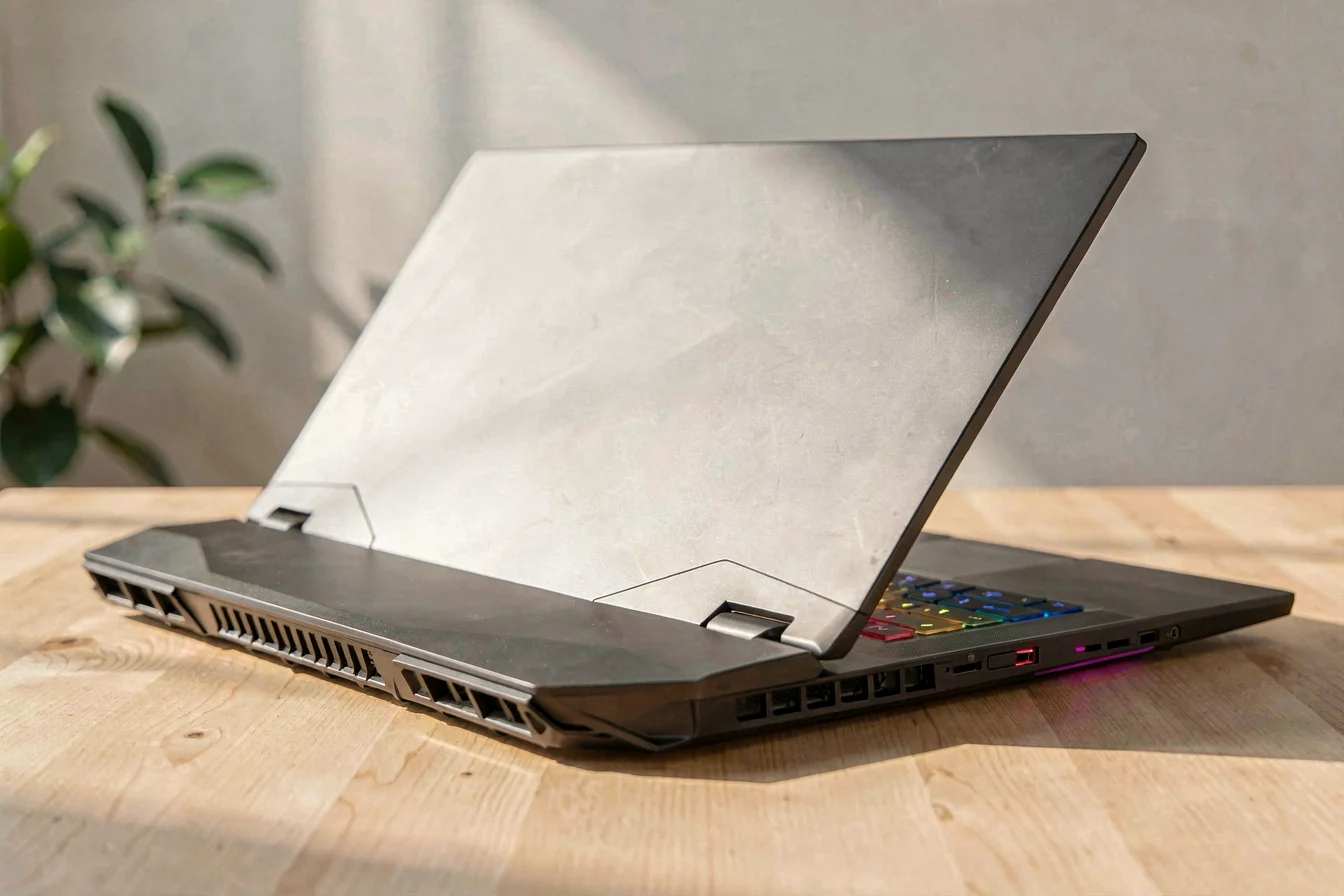
The MSI GT76 titan has the edge in maximum desktop-class CPU power, upgradability (128GB RAM) and future-proofing; it caters to power users and elite creative professionals seeking ultimate headroom. The MSI GT75 titan offers a lower starting price, cooler and quieter operation, and reliable gaming performance, positioning it as the practical choice for budget-sensitive buyers who refuse to compromise on build quality. Both remain strategic investments in the dwindling DTR (desktop replacement) category, but procurement logic favors the GT76 for extreme scenarios despite occasional heat/power delivery complaints, while the GT75 is optimal for balanced, ROI-maximizing deployments[1][2][3][4].
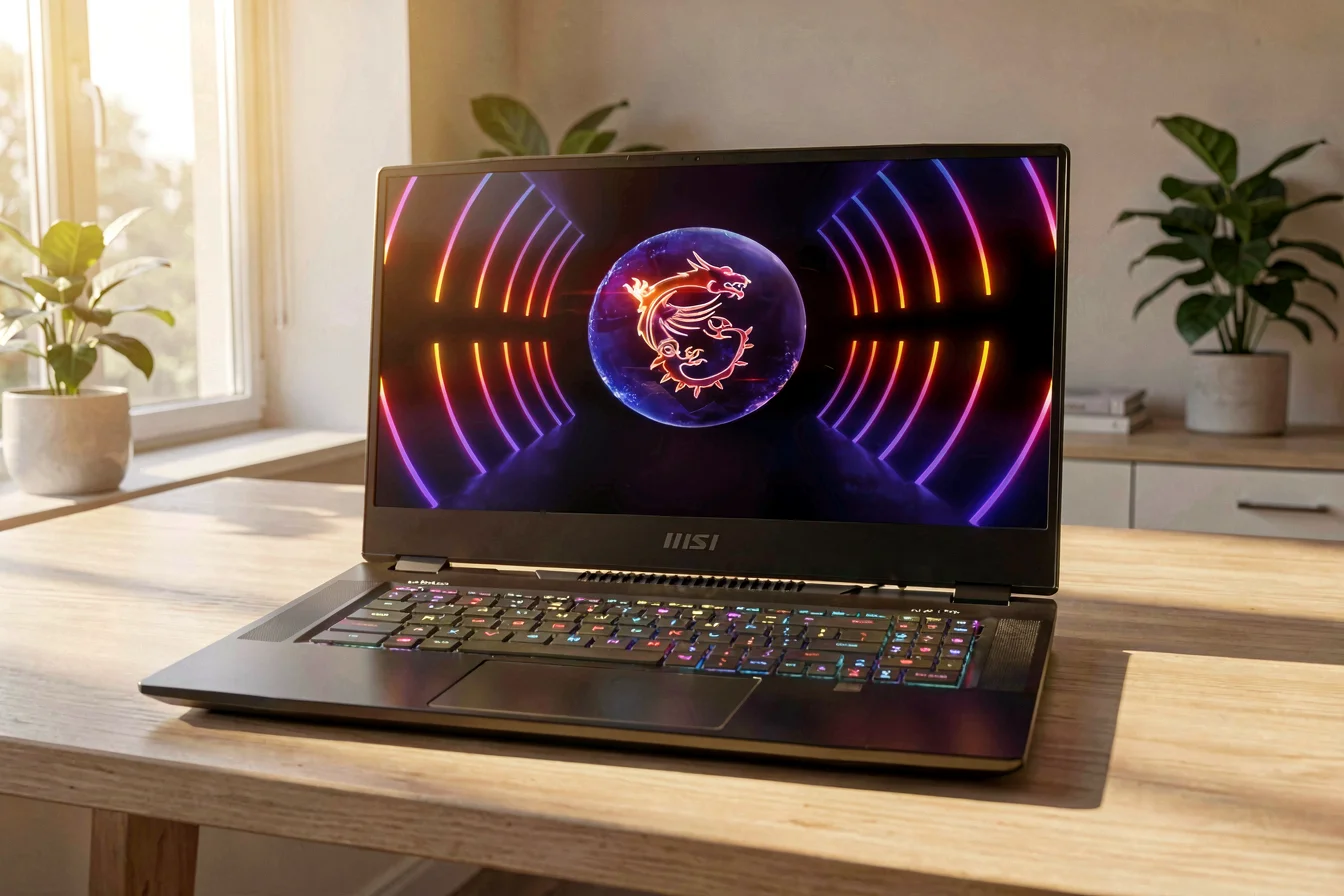
The MSI GT76 titan and MSI GT75 titan are both “desktop replacement” gaming behemoths, but serve different buyer profiles. The GT76 targets users needing maximum raw CPU/GPU power, such as content creators, engineers, and hardcore gamers—solving pain points around workstation-level expandability (128GB RAM, multiple NVMe SSDs) at the cost of higher heat and potential PSU challenges. The GT75, in contrast, addresses critical pain points around thermal stability, field reliability, and affordability, making it a popular choice for buyers seeking high performance without the extreme overhead or expensive, bulky power solutions.
Key differences shaping the purchase dilemma: The GT76 packs desktop-class i9 processors, bigger upgradability, and the ability to support up to four system fans, while the GT75 is limited to notebook CPUs, less RAM, but boasts better legacy cooling and more predictable operation under sustained load. Reviewers consistently note the GT76 is preferred for ultimate top-end spec, while the GT75 is favored for its cost-effectiveness and robust build—though it is less “future-proof”[2][3][4].
| Feature | MSI GT76 Titan | MSI GT75 Titan |
|---|---|---|
| CPU | Desktop Intel Core i9 (up to 10th Gen, 8–10 cores, overclockable) | Mobile Intel Core i9/i7 (8–10th Gen, 6 cores typical, mobile power profile) |
| Max RAM | 128 GB (4 slots) | 64 GB (4 slots) |
| GPU | NVIDIA RTX 2080/2080 Super (desktop-class) | NVIDIA RTX 2080/2070/GTX 1080 (mobile) |
| Thermals/Cooling | 4-fan Cooler Boost Titan (more advanced, but higher heat and VRM stress) | Dual-fan Cooler Boost Titan (cooler, less stressful on VRMs) |
| Price (2026 typical used market) | $2100–$3100 (dependent on config/region) | $1400–$2400 (often 35%+ cheaper) |
| Target Buyer | Power user, creative pro, DTR enthusiast | Value-seeker, mainstream gamer, reliability-focused |
| Major Pain Point | Thermal throttling, VRM stress, PSU size/bulk | Weight/bulk, “only” mobile CPUs, less future-proof |
Durability and long-term reliability translate into real supply chain and lifecycle value for buyers evaluating the MSI GT76 titan and MSI GT75 titan . The GT76’s desktop parts offer overclocking, but its complex cooling and higher TDP introduce longer-term stress to VRMs, power delivery, and PSU health—issues repeatedly flagged by owners who push these machines to the limit[6][7]. Its heavy chassis, multi-brick power supply, and higher wattage demands mean buyers must factor proactive maintenance, PSU replacement, and frequent thermal repasting into lifecycle cost.
By contrast, the GT75’s mobile-oriented parts run cooler and place less stress on system internals, reducing the risk of thermal throttling or power delivery failure. The GT75’s perceived indestructibility (mechanical keyboard, solid build), combined with lower maintenance and a more predictable cooling profile, keeps it running closer to factory spec after years of gaming/creative use—the main caveat being its lower ceiling for future upgrades and CPU-bound scenarios.
Application alignment is critical: The GT76 should be considered when heavy multicore media processing, AI/ML workloads, or ultra-high FPS gaming are priorities, and justified when TCO (total cost of ownership) is less important than top-end expansion. The GT75 prevails for 1080p/1440p gaming, esports, CAD/engineering design, and as a workhorse in production studios where maximum reliability per dollar (and thermal headroom) is prized.
| Cost Factor | MSI GT76 Titan (5-Year Estimate) | MSI GT75 Titan (5-Year Estimate) |
|---|---|---|
| Initial Purchase (2026, used, typical config) | $2300 | $1700 |
| Annual Maintenance (thermal, PSU, cleaning) | $150 | $80 |
| PSU Replacement Every 3 Years | $200 | $100 |
| Typical Upgrade (RAM/SSD, cycle over 5 years) | $450 | $250 |
| Total 5-Year Cost | $3700 | $2390 |
| Resale Value (2026+5Y, est.) | ~$500 | ~$350 |
The workstation-class “Titan” lines from MSI fulfill niches left open by mainstream slim gaming laptops—addressing the market’s need for muscle, legacy ports, and robust modularity in both high-stress consumer and professional settings. Recent global market data reinforces steady demand for DTRs, especially in regions embracing remote creative work and high-throughput gaming/esports deployment[1].
Search Interest over Time
From March 2025–February 2026, Google search volume for both MSI GT76 titan and MSI GT75 titan remained closely matched, showing periodic surges around holiday cycles and large eSports/gaming events[1]. Despite the GT76’s tech advantage, procurement cycles and stable demand patterns suggest the GT75 continues to see robust practical use in both volume B2B deployments and among cost-conscious power users. Buyers should anticipate continued availability of both units in refurbished and outlet markets through late 2026.
Although high search interest for the GT76 aligns with new-model launches, actual purchasing in 2026 remains split—driven by cost optimization for the GT75 and upgrade demand for the GT76.Social media analysis and varied case studies help separate forum myths from authentic buyer experience for both MSI GT76 titan and MSI GT75 titan . Community content reflects practical realities: the GT76 is respected for ultimate power, yet stories of PSU failures, VRM throttling, and heat are recurrent; the GT75 is celebrated for unshakeable reliability, ease of maintenance, and “just works” appeal, though often critiqued for weight and the lack of desktop-class overclocking.
Case Study 1: Power User/Content Creator (GT76 Titan)An Italian hardware enthusiast on Reddit considers the GT76 as an editing and gaming secondary rig, highlighting its “128GB RAM upgrade and four SSD slots” for scalable video editing and AI experimentation. After acquiring a used GT76, he reports: “The number of USB/USB-C ports and the machine’s physical heft are amazing. I’m not worried about games, but I run older titles and big video workloads. My main challenge is desk space and the power supply bulk.” Community feedback was supportive, with recommendations for GT76 alternatives but consensus that the GT76 is among the final “true” desktop replacement laptops—ideal for space-constrained creators but requiring “a cooling pad… and regular repaste”[6].
“So che il modello GT76 al massimo può avere un I9 di decima generazione…il numero di SSD installabili. Voi cosa ne pensate? Me lo consigliate?” (“I know the GT76 can host a 10th-gen i9… and the number of SSDs installable… do you recommend it?”)
“Depends also on your maximum budget. If you have the space and want upgradeability, grab it—but prepare for a heavy PSU.”Case Study 2: Gaming/Engineering Student (GT75 Titan)
A U.S. owner of the GT75 describes the laptop as a “side gaming rig… easily upgraded M.2 and RAM, solid keyboard,” noting field maintenance such as “thorough clean, swapped all 3 M.2 and 2.5 HDD, thermal paste redo, then RAM upgrade.” Peak CPU temps max at 85°C, “but no crashes and smoother than expected—couldn’t justify the GT76 for that price.” Other users echo the “matte 120Hz TN is actually better than half my IPS panels,” and “GT75 ages well if you clean and repaste yearly.”[5][8]
“Gave it a thorough clean, swapped out all 3 m.2 and 2.5 hdd, thermal paste redo, then ram upgrade. Top temp is 85°C on the cpu full load.”
“Can recommend giving the GT75 a decent lift and extra cooling—runs quiet and stays strong even over years.”
| Dimension | GT76 Titan | GT75 Titan |
|---|---|---|
| Overall Satisfaction | 80–85% (creative pros, power users pleased but demand modding) | 78–82% (mainstream/high-end gamers very satisfied) |
| Most Praised Feature | Upgrade ceiling, power, workstation versatility | Thermals, maintainability, keyboard/mech feel |
| Most Common Complaint | Weight/PSU bulk, VRM/power throttling, long-term heat stress | Bulk, heavy carry, not as future-proof for extreme workflows |
| Community Recommendation Rate (2026) | 60–65% (with a warning to “mod and maintain”) | 70–75% (as “best value DTR for budget/high-end gaming”) |
Viral discussions focus on “psu bulk and heat,” “the death of true desktop replacements,” and maintenance mod tips—especially for the GT76. Both are icons in r/GamingLaptops and r/MSILaptops, with the GT76 inspiring awe for “build your own mobile workstation” vibes, and the GT75 earning praise as the “last tank” that just works for years. TikTok and YouTube shorts accentuate unboxing, cooling pad tips, and “before/after” cleaning transformations.
Community consensus: neither is a bad buy in 2026, but buyer self-awareness, proactive maintenance, and realistic expectations are essential for both Titans.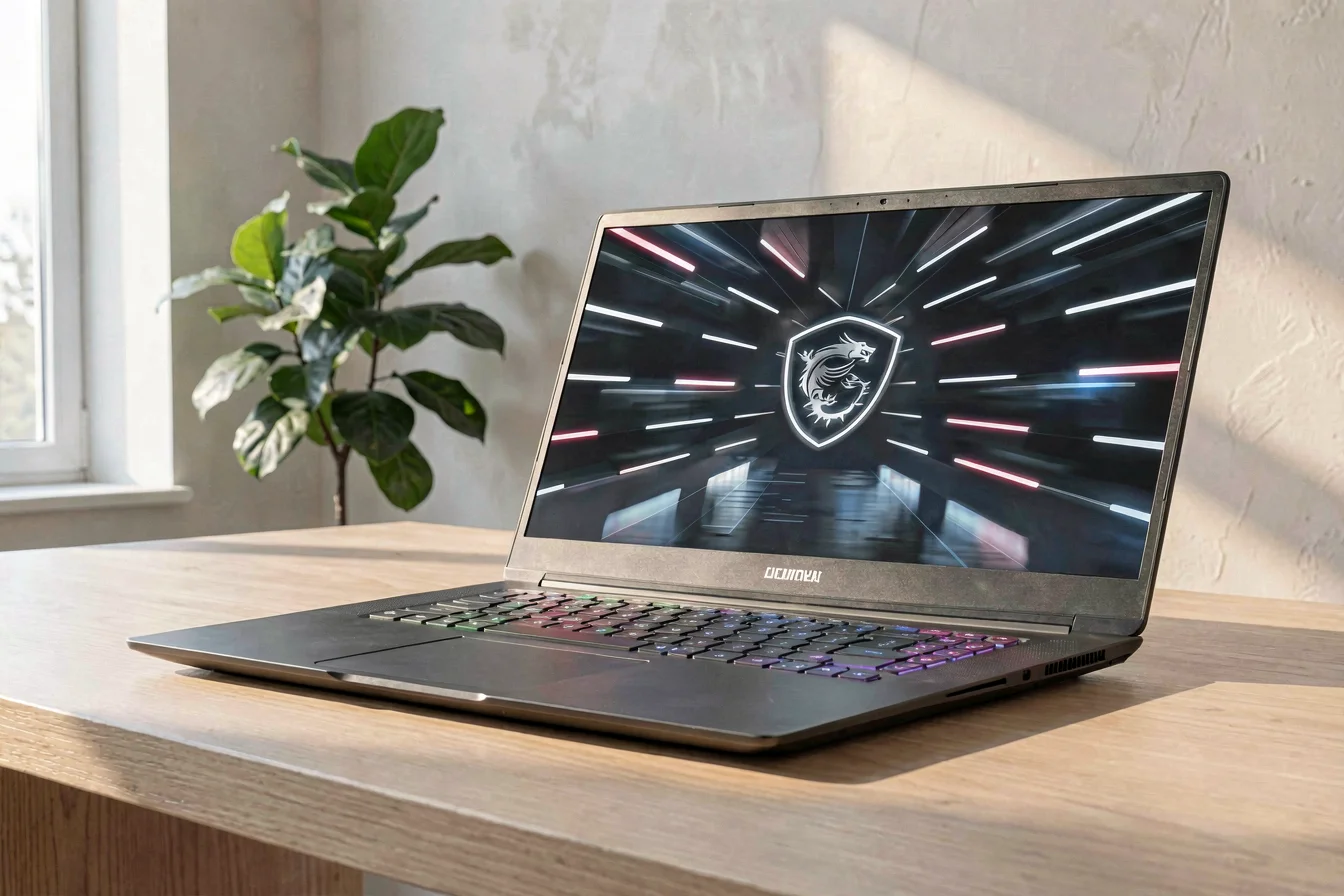
Procurement teams and sophisticated power users must begin by defining their absolute requirements. Key questions to clarify:
| Tier | Recommended Product | Key Reason |
|---|---|---|
| Budget-friendly (<$2000) | GT75 Titan | Best value-for-money, proven cooling, more stable PSU/VRM, easier service in the field |
| Mid-Range Value ($2000–$2500) | GT75 Titan (maxed) or entry GT76 | GT75 for stable high-end gaming/studio, GT76 for creative scale and power-user needs but expect more maintenance |
| Premium (>$2500) | GT76 Titan | Unmatched upgradability, desktop CPU, 128GB RAM, and future-proofing for AI/media/engineering use cases |
Sourcing and optimization tips:
The 2026 DTR ecosystem remains resilient, serving pros and gamers who demand more than slim ultrabooks can offer. Both MSI GT76 titan and MSI GT75 titan are at their lifecycle peak for value acquisition—balancing upgrade culture with retrofit-friendly maintenance, if buyers remain vigilant about heat, power, and support.
For buyers deploying multi-unit fleets, the GT75 remains the practical “no regrets” option for fleet reliability and lower TCO, while the GT76 is rationalized for creative studios, VR/AR training, and research settings where ultimate headroom enables workflow evolution. Expect continued support for driver and part replacement through 2027, but consider inventorying spare PSUs and planning for professional-level maintenance in enterprise environments.
MSI’s Titan line stays relevant for buyers who value serviceability, expandability, and reliability—Ensure you balance dream specs with real workflow needs for the best outcome.To all individual and business buyers: share your Titan stories and tips online, and for commercial procurement, optimize your sourcing by engaging directly with Alibaba.com’s professional DTR suppliers and warranty partners for volume discounts, verified maintenance histories, and upgrade bundles.