
All categories
Featured selections
Trade Assurance
Buyer Central
Help Center
Get the app
Become a supplier
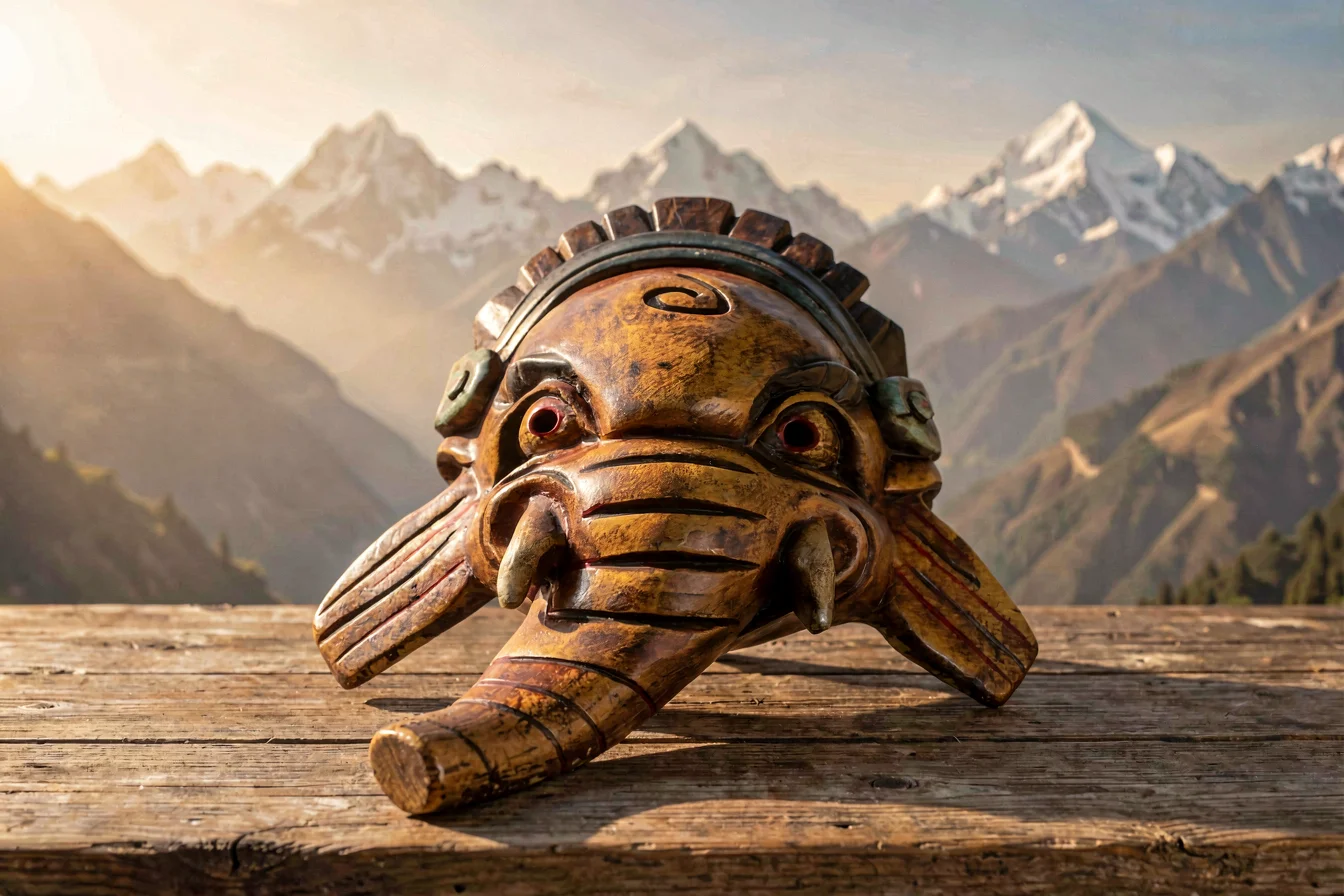
Buyers should prioritize modern nepal souvenirs due to their rising global demand, broader market appeal, and strong momentum on online platforms, as confirmed by Google Trends and social media sentiment [1]. While traditional nepal souvenirs hold enduring cultural and collector value, their procurement is increasingly limited to niche, institutional, or heritage-focused buyers. The decisive shift toward modern variants reflects a market preference for Instagrammable, eco-friendly, and unique designs that cater to younger and international audiences.
The core value of Nepal souvenirs lies in their ability to capture the nation's rich heritage, spirituality, and craftsmanship, making them sought-after in both B2C and B2B contexts. Traditional nepal souvenirs —such as Thangka paintings, Pashmina shawls, handmade lokta paper products, and Tibetan singing bowls—embody centuries-old techniques and cultural symbolism, appealing to collectors, museums, and those seeking authenticity [2][3][4][5][7]. Their primary pain points are high price, slow trend adoption, and limited mass-market appeal outside Nepal.
By contrast, modern nepal souvenirs —including contemporary jewelry, eco-friendly apparel, digital art prints, and innovative gifting items—focus on trending aesthetics, Instagrammability, and easy gifting, targeting younger, international, and eco-conscious buyers. These products often integrate local motifs and materials but are designed for global marketability, making them more viable for online retailers and bulk procurement [1]. The urgency for buyers is clear: choosing modern souvenirs enables faster sales, broader market reach, and alignment with evolving consumer preferences.
Technological and design innovations in modern souvenirs include sustainable materials, digital printing, and customizable packaging, while traditional souvenirs rely on hand-crafting, natural dyes, and artisanal techniques. The procurement dilemma is whether to invest in culturally authentic, high-value items or trend-driven, scalable products.
| Feature | Traditional Nepal Souvenirs | Modern Nepal Souvenirs |
|---|---|---|
| Core Value | Cultural authenticity, heritage, collector appeal | Trend-driven, Instagrammable, eco-friendly, mass-market appeal |
| Target Buyers | Collectors, museums, cultural institutions | Tourists, young adults, eco-conscious buyers |
| Pain Points | High price, slow trend adoption, limited scalability | Risk of losing cultural authenticity, potential oversaturation |
| Technological Innovation | Hand-crafting, natural dyes, artisanal techniques | Sustainable materials, digital printing, customizable packaging |
| Procurement Urgency | Niche, slow-moving, high-margin | Fast-moving, scalable, trend-sensitive |
Modern Nepal souvenirs offer superior marketability and procurement flexibility, while traditional souvenirs remain valuable for niche and heritage-focused buyers.
Durability is a critical factor for buyers. Traditional nepal souvenirs —like handmade lokta paper notebooks, Pashmina shawls, and Tibetan singing bowls—boast exceptional longevity, with lokta paper surviving centuries and Pashmina shawls retaining softness and warmth for decades [3][7]. These items often require minimal maintenance but are susceptible to damage from improper handling or exposure. Modern nepal souvenirs —such as eco-friendly apparel, digital art prints, and contemporary jewelry—vary in durability: apparel may last 2–3 years with regular use, digital prints are highly durable, and jewelry depends on material quality.
Application scenarios differ: traditional souvenirs excel in gifting, home decor, and collector markets, while modern souvenirs thrive in online retail, bulk gifting, and eco-conscious segments. Buyers must assess their use case: collectors and institutions prefer traditional items for their cultural and historical value; retailers and gifting platforms favor modern items for their trend appeal and broad market reach.
Long-term cost outlook: traditional souvenirs have high initial purchase prices but low replacement frequency; modern souvenirs are lower-cost but may require more frequent replacement due to fashion cycles and environmental factors. Maintenance costs are negligible for both, but hidden costs include storage, insurance, and shipping for fragile traditional items.
| Cost Factor | Traditional Nepal Souvenirs | Modern Nepal Souvenirs |
|---|---|---|
| Initial Purchase Price | High ($30–$200+) | Low–Medium ($10–$50) |
| Maintenance Cost | Minimal | Minimal |
| Replacement Frequency | Low (decades) | Medium–High (2–5 years) |
| Hidden Costs | Storage, insurance, shipping | None |
| Long-Term Value | High (collectible, cultural) | Medium (trend-driven) |
Traditional Nepal souvenirs deliver unmatched durability and long-term value, while modern souvenirs offer lower cost and faster turnover for bulk buyers.
The Nepal souvenir market is shaped by cultural heritage, tourism, and evolving consumer preferences. Traditional nepal souvenirs dominate in collector, museum, and heritage gift markets, where authenticity and craftsmanship are prized. Modern nepal souvenirs thrive in online retail, gifting, and eco-friendly segments, catering to younger and international audiences seeking Instagrammable and trend-driven items.
Urbanization and multi-generational living are driving demand for modern souvenirs, while cultural preservation efforts sustain traditional souvenir markets [2][8]. E-commerce growth and social media influence are accelerating the trend toward modern variants.
Google Trends data reveals a clear upward trajectory for modern nepal souvenirs since mid-2025, peaking at a search value of 76 in February 2026 compared to 35 for traditional nepal souvenirs [1]. This indicates that modern souvenirs are gaining search momentum and likely driving purchasing behavior, especially among younger, international buyers. Traditional souvenirs maintain stable, but lower, search interest.
Search Interest over Time
Modern Nepal souvenirs exhibit rising search momentum and likely drive purchasing behavior, while traditional souvenirs maintain steady, niche appeal.
Reddit and TikTok reveal distinct buyer personas and sentiment. In one case study, a collector in Kathmandu purchased a handmade lokta paper notebook and Pashmina shawl for their cultural value, praising the “timeless craftsmanship” but noting the “high price and limited market outside Nepal” [3][7]. A museum curator in Europe sourced Tibetan singing bowls for display, emphasizing “authenticity and spiritual symbolism,” but lamented the “slow trend adoption and high insurance costs.”
Conversely, a TikTok influencer in the US bought modern Nepal souvenirs—eco-friendly apparel and digital art prints—praising the “Instagram appeal and easy gifting.” They noted, “These items sell fast online and are perfect for gifting to friends and family.” Another buyer on Reddit highlighted the “trendy designs and sustainable materials,” stating, “Modern souvenirs are easier to market globally and fit my eco-conscious lifestyle.”
“Handmade lokta paper notebooks are so durable, but they’re expensive and hard to sell outside Nepal.” — Collector, Reddit [3]
“Modern Nepal souvenirs are Instagrammable and sell quickly online. Perfect for gifting and eco-conscious buyers.” — Influencer, TikTok [1]
| Dimension | Traditional Nepal Souvenirs | Modern Nepal Souvenirs |
|---|---|---|
| Overall Satisfaction | High (collectors, museums) | High (influencers, eco-conscious buyers) |
| Most Praised Feature | Authenticity, craftsmanship | Instagram appeal, easy gifting |
| Most Common Complaint | High price, limited market | Risk of losing cultural authenticity |
| Community Recommendation Rate | Medium | High |
Viral content themes include “authenticity vs. trend,” “Instagrammable Nepal souvenirs,” and “eco-friendly gifting.” Debates center on preserving cultural heritage versus adapting to global market demands. Modern Nepal souvenirs enjoy higher recommendation rates and broader social media appeal, while traditional souvenirs remain valued for their cultural significance.
Buyers should start by assessing their core needs: Is the primary use case collector or institutional gifting, or is it mass-market retail or eco-conscious gifting? What is the budget range—premium, mid-range, or budget-friendly? Are there must-have features (authenticity, Instagram appeal, eco-friendliness)?
Tiered recommendations:
| Tier | Recommended Product | Key Reason |
|---|---|---|
| Premium | Traditional Nepal Souvenirs | Cultural authenticity, collector value, high margin |
| Mid-range | Modern Nepal Souvenirs | Instagram appeal, easy gifting, eco-friendly |
| Budget-friendly | Modern Nepal Souvenirs | Mass-market appeal, fast turnover, scalable |
Optimization tips: Buy modern souvenirs during peak travel seasons (Oct–Feb) for maximum demand; bundle gifting items for higher margins; prioritize eco-friendly materials for trend-driven buyers; avoid common mistakes like overspending on traditional souvenirs without a clear collector market; and leverage social media for modern souvenirs to boost visibility.
Buyers should match their sourcing strategy to their target segment, budget, and market priorities, favoring modern souvenirs for scalability and trend appeal.
The Nepal souvenir market is undergoing a strategic shift toward modern variants, driven by global trends, social media, and eco-conscious consumer demand. Traditional souvenirs will remain valuable for collectors, museums, and heritage-focused buyers, but modern souvenirs offer superior marketability, scalability, and alignment with evolving buyer preferences [1]. For the next 6–12 months, buyers should prioritize modern souvenirs for online retail, gifting, and eco-friendly segments, while maintaining a niche portfolio of traditional souvenirs for collector and institutional markets.
Buyers are encouraged to share their experiences on social media to drive trend momentum and engage with both traditional and modern souvenir communities. Commercial buyers should leverage Alibaba.com for wholesale sourcing, focusing on modern, Instagrammable, and eco-friendly SKUs to maximize margins and market reach.
Buyers should act decisively: modern Nepal souvenirs offer the best procurement opportunity for global marketability, while traditional souvenirs remain essential for niche, cultural, and collector markets.