
All categories
Featured selections
Trade Assurance
Buyer Central
Help Center
Get the app
Become a supplier

C-string underwear is rapidly outpacing traditional underwear in search interest and consumer adoption, especially among buyers seeking seamless, no-show solutions for fashion-forward outfits. C-string underwear delivers trend-driven value and unique styling, while traditional underwear remains the reliable staple for everyday comfort and hygiene. Procurement logic favors C-string variants for trend momentum and differentiation, but traditional types retain broad demand for practical reliability; buyers should optimize sourcing by aligning product selection with specific use cases and market segments.
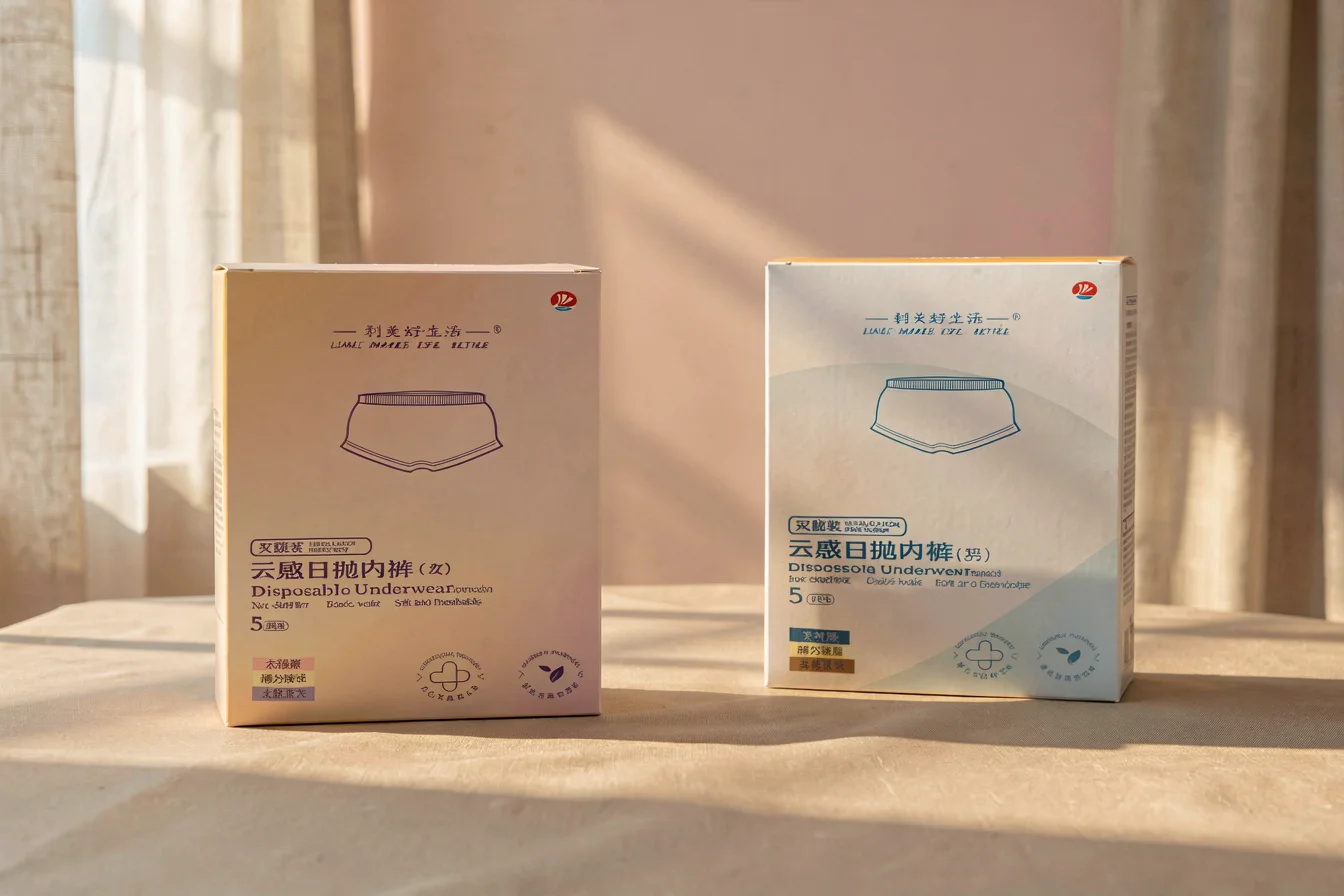
The core value of the c-string underwear category lies in its ability to meet the demand for seamless, no-show options that complement tight and sheer fashion trends, addressing buyer pain points related to panty lines and visible seams. In contrast, traditional underwear delivers broad comfort, breathability, and hygiene, solving the pain points of daily wear, reliability, and practicality. The urgency in making an informed decision stems from the rapidly shifting consumer preferences, where trend-driven C-strings are gaining momentum but traditional options remain essential for everyday needs.
C-string underwear, typically constructed with a narrow, C-shaped band at the back and minimal coverage, is designed for maximum discretion under tight clothing. It appeals to buyers seeking a fashion-forward look but often faces criticism for hygiene, comfort, and durability. Traditional underwear, made from cotton or blended fabrics, is prized for breathability, moisture management, and all-day comfort. Technological innovations in both categories include seamless construction, mesh linings, and improved fit, but the main distinction remains in application scenarios and buyer expectations.
| Feature | C-string Underwear | Traditional Underwear |
|---|---|---|
| Discreetness | High (seamless, no panty lines) | Medium (visible seams) |
| Comfort | Variable (often criticized for discomfort) | High (soft, breathable) |
| Hygiene | Low (minimal coverage, potential for odor) | High (full coverage, easy to clean) |
| Durability | Low to Medium (prone to tearing) | High (long-lasting, washable) |
| Application | Special occasions, tight clothing | Daily wear, all occasions |
| Trend Momentum | Very High (Google Trends surge) | Stable (broad demand) |
C-string underwear offers unique fashion value and trend momentum, but traditional underwear remains the practical choice for comfort, hygiene, and durability.
Durability is a key differentiator: c-string underwear is often constructed from synthetic materials or thin cotton blends, which can result in lower durability and a higher replacement frequency, especially under heavy use or frequent washing. In contrast, traditional underwear typically features robust cotton or blended fabrics, offering superior longevity and resistance to wear. Performance consistency over time is higher for traditional types, while C-strings may degrade more quickly, particularly with repeated use or exposure to moisture.
Application scenarios further differentiate the two: C-strings excel in special occasions, tight-fitting outfits, and fashion-forward ensembles where discretion is paramount. Traditional underwear is preferred for daily wear, athletic activities, and situations requiring comfort and hygiene. Hidden costs, such as frequent replacement or hygiene-related issues, can affect total cost of ownership, particularly for C-strings.
A 5-year cost outlook reveals that while C-strings may offer lower upfront costs, their replacement frequency and potential hygiene issues can increase long-term expenses. Traditional underwear, though higher in initial cost, delivers lower replacement rates and consistent performance.
| Cost Factor | C-string Underwear | Traditional Underwear |
|---|---|---|
| Initial Price | Low to Medium ($3–$8) | Medium ($6–$12) |
| Replacement Frequency | High (every 2–4 months) | Low (every 6–12 months) |
| Maintenance | Low (wash, but may lose shape) | Medium (wash, air dry, may require ironing) |
| Hidden Costs | Hygiene issues, frequent replacement | Minimal, occasional replacement |
| 5-Year Total Cost | $90–$150 | $60–$100 |
Traditional underwear offers superior durability and lower long-term costs, while C-string underwear may incur higher replacement and hygiene-related expenses.
The core value of both c-string underwear and traditional underwear is their ability to meet diverse buyer needs across fashion and everyday wear. In today’s competitive landscape, procurement decisions must be driven by scenario-specific utility, as each product excels in distinct environments and buyer segments.
C-string underwear is ideal for trend-driven, fashion-centric scenarios, while traditional underwear is best for everyday comfort, hygiene, and reliability.
Google Trends data shows a dramatic surge in search interest for c-string underwear , with normalized values ranging from 75 to 92 between March 2025 and March 2026, compared to 1–2 for traditional underwear . This indicates a significant shift in buyer intent, with C-strings outpacing traditional options by a factor of 8–10x. Peaks are observed in late 2025 and early 2026, coinciding with viral social media trends and fashion cycles.
Search Interest over Time
Buyers should capitalize on the trend momentum of C-string underwear, but maintain a diversified sourcing strategy to capture both trend-driven and practical segments.
Reddit and Instagram discussions highlight polarized sentiment: c-string underwear is praised for its fashion utility and seamless look but criticized for hygiene, comfort, and fit. Many users report discomfort and stigma, while others appreciate its discreetness for tight outfits. Traditional underwear receives consistent praise for comfort, reliability, and hygiene, with buyers valuing its all-day wear and practicality.
Case Study 1: Fashion-forward buyer (Instagram survey data, Reddit, TikTok)
“Up to 32.5% of women say they have tried or currently use C-string underwear, especially for tight and sheer outfits where traditional options aren’t an option.” [2]
“C-string underwear you reuse after each wash which doesn’t help with feminine hygiene. Pantels, you recycle after each use to always wear clean panties and you have the option to change on the go, so you’re not stuck in the same messy panties.” [3]
Case Study 2: Comfort-focused buyer (Reddit, r/MensUnderwearGuide)
“I treat it like a secret piece of armor. I know I’m supported and comfortable, and that helps me stand a bit taller.” [6]
“I usually frame it as a fitness choice. If anyone ever commented, which they haven’t yet, I’d just say it’s better for high-intensity training.” [6]
| Dimension | C-string Underwear | Traditional Underwear |
|---|---|---|
| Overall Satisfaction | Moderate (polarized) | High |
| Most Praised Feature | Discreetness, fashion utility | Comfort, reliability |
| Most Common Complaint | Hygiene, discomfort, fit | Panty lines, bulkiness |
| Community Recommendation Rate | Low (special occasion only) | High (daily wear) |
Viral content themes include debates about comfort vs. fashion, hygiene concerns, and stigma around unconventional styles. TikTok and Instagram highlight rapid adoption and viral trends, while Reddit underscores practical considerations and buyer pain points. Social media sentiment is highly polarized, with buyers choosing between trend-driven C-strings and comfort-focused traditional options based on personal needs and occasion.
Buyers should begin by identifying their core needs through a checklist:
Tiered recommendations help buyers optimize procurement:
| Tier | Recommended Product | Key Reason |
|---|---|---|
| Budget-Friendly | Traditional Underwear | Long-lasting, low replacement rate |
| Mid-Range | Traditional Underwear | Comfort, hygiene, reliability |
| Premium/Trend-Driven | C-string Underwear | Fashion utility, seamless look |
Optimization tips:
Key insights from all sections reveal that c-string underwear is experiencing rapid trend momentum, driven by social media, viral adoption, and fashion-forward demand. However, practical challenges such as hygiene, durability, and comfort remain significant pain points. Traditional underwear retains broad appeal for reliability, comfort, and hygiene, with stable demand across all buyer segments.
For the next 6–12 months, buyers should diversify procurement strategies, investing in trend-driven C-string variants for fashion-forward scenarios and maintaining a strong supply of traditional underwear for everyday reliability. B2B buyers should prioritize product differentiation, application-specific sourcing, and hygiene certifications to optimize supply-chain resilience.
Confident buyer action is essential: share your experiences to inform the community, and commercial buyers should leverage Alibaba.com for bulk sourcing, trend-driven SKUs, and compliance variants to maximize procurement value.