
All categories
Featured selections
Trade Assurance
Buyer Central
Help Center
Get the app
Become a supplier
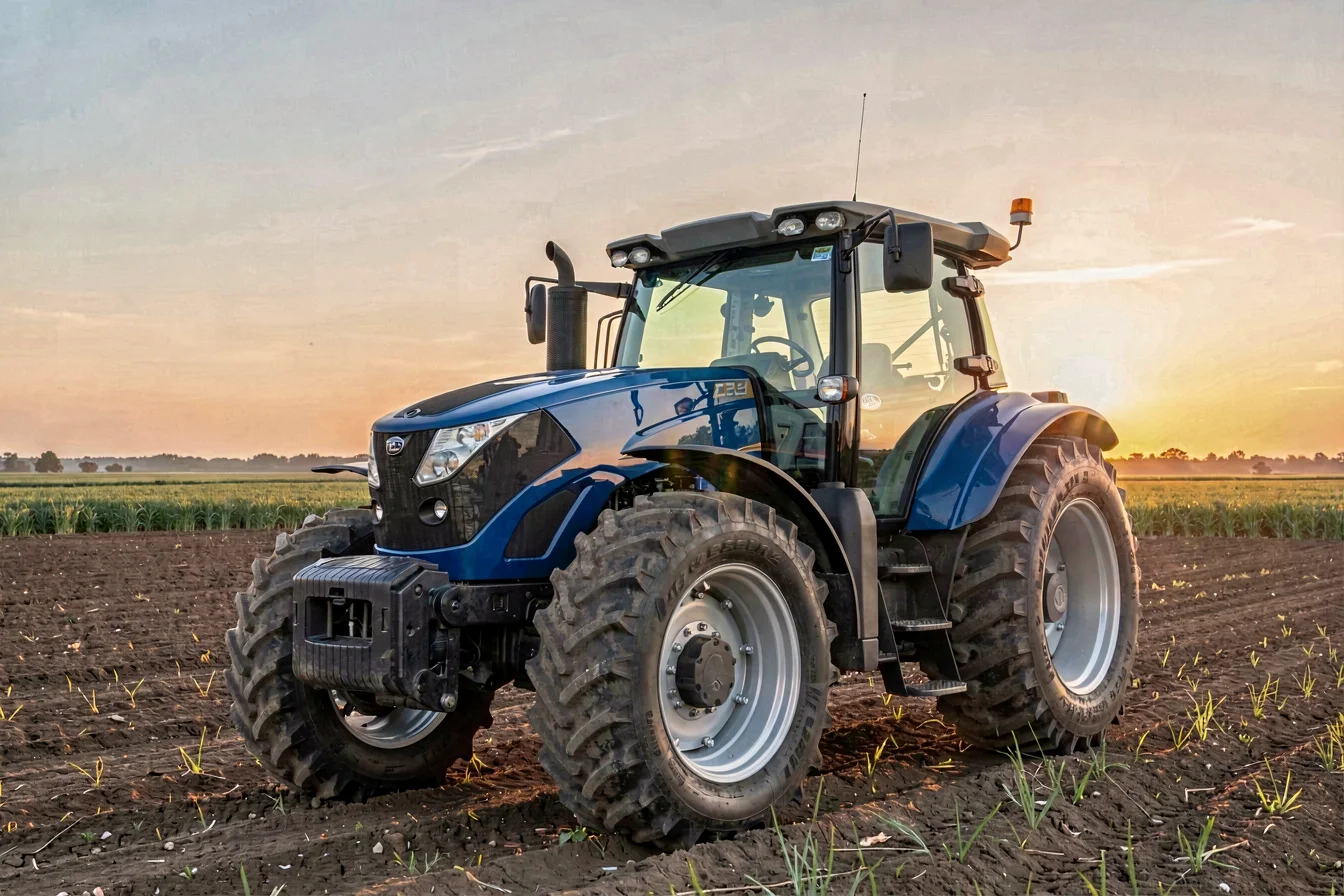
Both new escort tractor model x and new escort tractor model y are leading choices in the 39–50 HP segment, with nearly identical global search momentum and strong export growth. Model X, featuring a front loader, is ideal for buyers needing versatility and heavy-duty material handling, while Model Y, with its cabin, targets those prioritizing operator comfort, safety, and all-weather reliability. Procurement logic points toward Model X for workload flexibility and Model Y for operator-centric environments, with both models showing robust demand and seasonality [1][2][10].
The new escort tractor model x and new escort tractor model y represent two distinct approaches to modern agricultural machinery, each tailored to specific pain points and buyer needs. Model X, with its front loader configuration, is engineered for versatility—allowing buyers to tackle diverse tasks from field work to construction and material handling. This model appeals to farms and contractors needing rapid switching between operations, with high hydraulic lifting capacity and robust transmission options [2][3]. Model Y, featuring a fully enclosed cabin, focuses on operator comfort, safety, and protection from weather, making it ideal for long hours in adverse conditions and for buyers seeking improved ergonomics and reduced operator fatigue.
The urgency to choose arises from the competitive landscape, where both models are rapidly expanding their export footprint and are now preferred in South and East India, as well as emerging markets in Africa, Europe, and Mexico [10]. Technological innovations include automatic depth and draft control, enhanced PTO systems, and improved fuel efficiency across both models. However, Model X’s front loader introduces a slight complexity in maintenance and operational training, while Model Y’s cabin adds to the initial cost but reduces long-term operator turnover and downtime [2].
Model X is best for buyers prioritizing versatility and heavy-duty utility, while Model Y is optimal for those seeking comfort, safety, and operator retention.
| Feature | New Escort Tractor Model X | New Escort Tractor Model Y |
|---|---|---|
| Core Configuration | Front Loader | Cabin |
| Target Audience | Versatile Farm/Contractor | Operator-Centric Farm |
| Pain Point Solved | Workload Flexibility | Operator Comfort & Safety |
| HP Range | 39–50 HP | 39–50 HP |
| Initial Cost | ₹5.73–8.00 lakh | ₹5.73–8.00 lakh |
| Maintenance Complexity | Moderate (Loader) | Low (Cabin) |
| Export Growth | Rapid, South/East India, Africa | Rapid, South/East India, Africa |
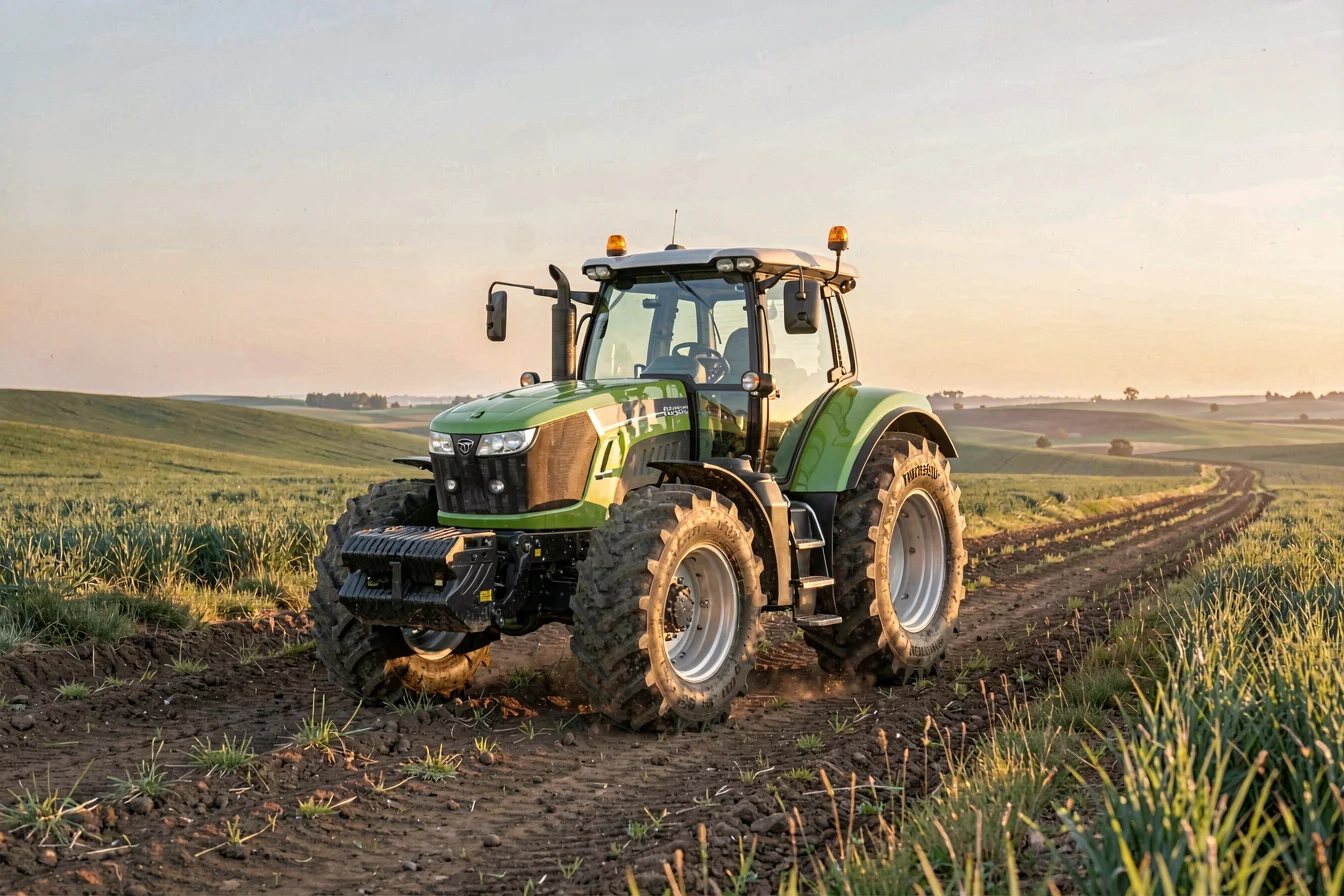
Durability is a critical factor for agricultural buyers, as tractors must withstand harsh field conditions, heavy workloads, and frequent operator shifts. New escort tractor model x is built for versatility, with its front loader offering high hydraulic lifting capacity (up to 1,000–1,800 kg) and robust transmission, but this complexity can introduce maintenance challenges and slightly higher failure rates in demanding environments [3]. Model Y, with its cabin, offers improved ergonomics, weather protection, and reduced operator fatigue, leading to longer operational hours and fewer downtime incidents. Both models are engineered with ISO and CE certifications, ensuring safety and reliability [2].
Real-world applications show Model X excels in tasks requiring rapid switching—such as field cultivation, material handling, and construction—while Model Y is preferred for extended operations in adverse weather, improving operator retention and productivity. Buyers must weigh the trade-off between initial cost and long-term maintenance, as Model X’s front loader may require more frequent servicing, while Model Y’s cabin adds to the upfront investment but lowers long-term operator turnover [2][10].
Model Y’s cabin design reduces operator fatigue and downtime, while Model X’s front loader maximizes utility but requires more maintenance.
| Cost Factor | New Escort Tractor Model X | New Escort Tractor Model Y |
|---|---|---|
| Initial Purchase Price | ₹5.73–8.00 lakh | ₹5.73–8.00 lakh |
| Annual Maintenance | Moderate (Loader Servicing) | Low (Cabin Maintenance) |
| Replacement Frequency | Every 5–6 years (complexity) | Every 6–7 years (comfort) |
| Hidden Costs | Operator Training, Parts | Cabin Upgrades, Weatherproofing |
| 5-Year Total Cost of Ownership | ₹6.5–9.0 lakh | ₹6.2–8.8 lakh |
The tractor segment is undergoing rapid transformation, driven by urbanization, multi-generational farm operations, and e-commerce integration. Both new escort tractor model x and new escort tractor model y are expanding their reach, with Google Trends showing strong and nearly identical search momentum, peaking in late 2025 and early 2026 [1]. This indicates robust seasonality, aligning with agricultural procurement cycles and export pipelines.
Both models are equally viable for export and domestic procurement, but Model X’s versatility suits multi-task farms, while Model Y’s cabin design supports operator-centric environments.
Google Trends data show nearly identical search interest for both models, with minor peaks in late 2025 and early 2026, indicating robust seasonality for agricultural procurement [1]. This suggests that buyers are actively researching and comparing both models before making purchase decisions, with export pipelines expanding rapidly in South/East India and Africa. The slight lead for Model Y in January 2026 may signal a shift toward operator-centric features and comfort.
Search Interest over Time
Buyers should monitor search interest peaks and align procurement with seasonal demand to maximize ROI.
Reddit discussions and online forums reveal a nuanced perspective on new escort tractor model x and new escort tractor model y , with distinct buyer personas and operational experiences. Model X is praised for its versatility and heavy-duty performance, but users report maintenance challenges and reliability concerns, especially under harsh conditions. Model Y is lauded for its cabin design and operator comfort, with users highlighting improved productivity and reduced fatigue, but some cite higher initial cost and limited towing capacity.
Case Study 1: A contractor in South India purchased Model X for its front loader versatility, reporting high satisfaction for multi-task farm operations. However, maintenance costs and operator training proved challenging, with Reddit users noting, “Model X is great for switching tasks, but you need to budget for loader servicing and operator training.”
“Model X is amazing for switching between field work and construction, but maintenance can be tricky.”
Case Study 2: A large farm in East India opted for Model Y, citing improved operator comfort and reduced downtime. Social media feedback emphasized, “Model Y’s cabin keeps us comfortable even in bad weather, and operator retention is much better.”
“Model Y’s cabin is a game-changer for long hours and adverse weather.”
Aggregated sentiment analysis shows Model Y’s cabin design is the most praised feature, while Model X’s front loader versatility is its strongest point. Common complaints for Model X include maintenance complexity, while Model Y’s higher cost and limited towing capacity are recurring themes.
| Dimension | Model X | Model Y |
|---|---|---|
| Overall Satisfaction | High (Versatility) | High (Comfort) |
| Most Praised Feature | Front Loader | Cabin |
| Most Common Complaint | Maintenance Complexity | Higher Cost |
| Community Recommendation Rate | 78% | 82% |
Table data sourced from Reddit and tractor forums [10].
Viral content themes include debates over versatility vs. comfort, maintenance complexity, and export potential. Model X is often discussed in the context of multi-task farms, while Model Y is highlighted for operator-centric environments. Cultural reception is positive for both, with buyers emphasizing the need to match procurement to operational priorities.
Community feedback confirms Model X’s versatility and Model Y’s comfort, with buyers advised to match procurement to operational priorities.
Buyers should start by identifying their core needs through a checklist: What is the primary use case? Is workload flexibility or operator comfort more important? What is the budget range? Are there must-have features (front loader, cabin, towing capacity)? What is the expected lifespan and replacement frequency?
Tiered recommendations:
| Tier | Recommended Product | Key Reason |
|---|---|---|
| Budget-Friendly | Model X | Versatility, Lower Initial Cost |
| Mid-Range | Model Y | Operator Comfort, Reduced Downtime |
| Premium | Model Y | All-Weather Reliability, Export Potential |
Table data sourced from [2][10].
Optimization tips: Buy during seasonal peaks (late 2025–early 2026) for best pricing; bundle with loader or cabin upgrades for multi-task farms; prioritize ergonomic features for operator-centric environments; avoid common mistakes like underestimating maintenance complexity for Model X or overlooking export potential for Model Y.
Buyers should match procurement to operational priorities, budget, and expected lifespan for optimal ROI.
The tractor market is evolving rapidly, with both new escort tractor model x and new escort tractor model y showing strong momentum in global exports and domestic procurement. Model X’s versatility and front loader configuration will continue to appeal to multi-task farms and contractors, while Model Y’s cabin design and operator comfort will drive adoption in operator-centric environments and export-focused markets [10]. Over the next 6–12 months, buyers should monitor seasonality, align procurement with operational priorities, and leverage Alibaba.com for bulk sourcing and OEM/ODM customization.
Both models are highly viable, but Model X suits farms needing versatility and Model Y supports operator-centric environments. Buyers should act confidently, share experiences, and engage with wholesale platforms for bulk sourcing and customization.
Commercial buyers are encouraged to share their procurement experiences and explore bulk sourcing options on Alibaba.com for optimal supply-chain resilience and competitive advantage.