
All categories
Featured selections
Trade Assurance
Buyer Central
Help Center
Get the app
Become a supplier
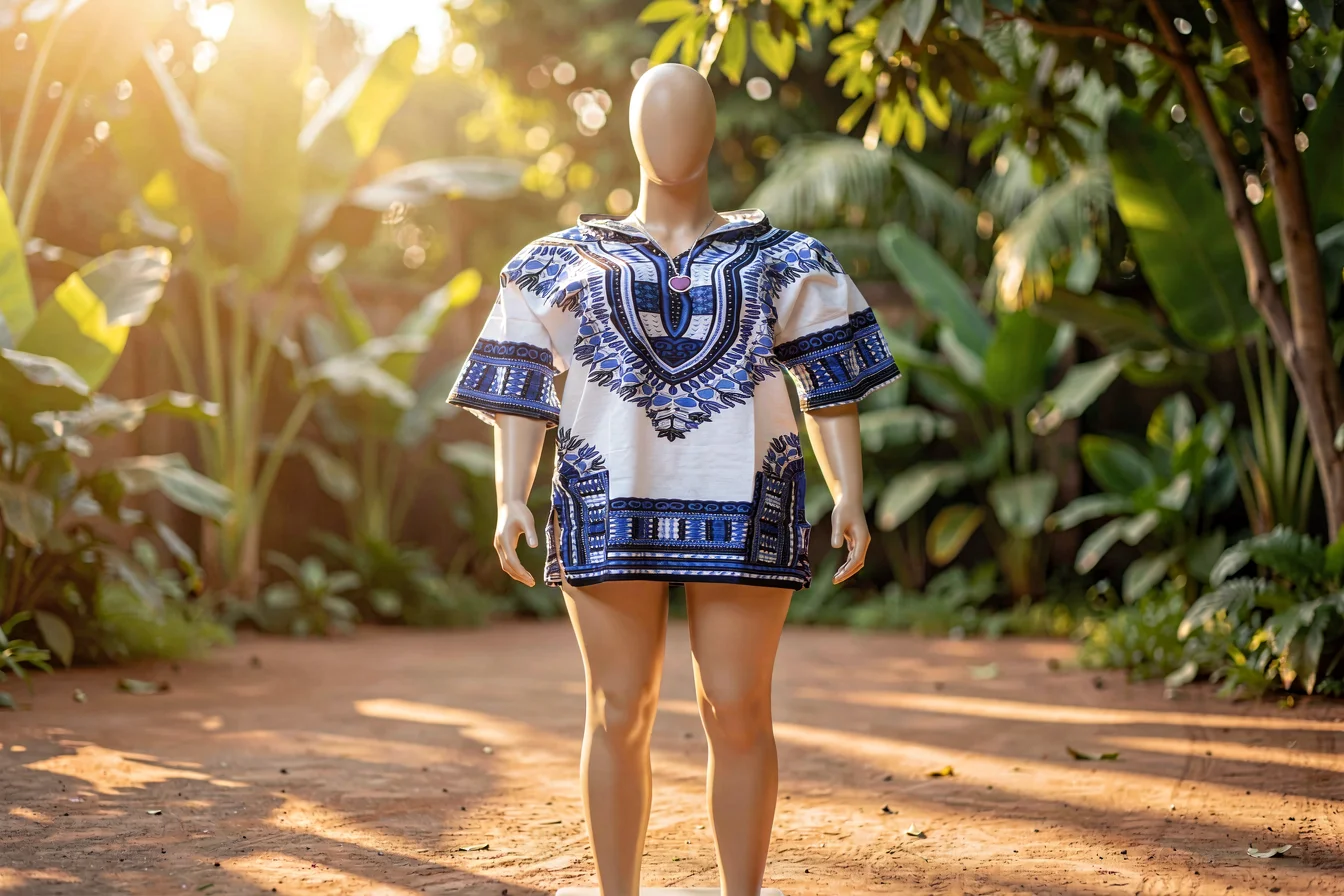
Both traditional nigerian clothing and contemporary nigerian clothing remain strong for sourcing in 2026, but contemporary styles are experiencing faster growth, especially among urban and international buyers. Traditional attire retains value for cultural events, gifting, and heritage preservation, while contemporary fashion drives volume and trend-driven sales. Procurement logic dictates that contemporary options are preferable for high-volume, fast-moving markets, whereas traditional attire is essential for cultural and ceremonial contexts.
The core value of Nigerian clothing lies in its deep cultural resonance, aesthetic diversity, and global recognition. Traditional nigerian clothing —anchored in regional styles like Yoruba agbada, Igbo isiagu, and Hausa baban riga—targets buyers seeking authenticity, ceremonial significance, and heritage-driven identity. In contrast, contemporary nigerian clothing blends traditional motifs with modern cuts, fabrics, and global fashion trends, appealing to younger, cosmopolitan audiences and export markets. The procurement dilemma is urgent: traditional garments are in demand for weddings, festivals, and international gifting, while contemporary options deliver higher volume and broader demographic appeal.
Traditional attire excels in cultural storytelling, intricate craftsmanship, and status symbolism, but can be costly and less versatile for everyday wear. Contemporary Nigerian clothing, often leveraging Ankara and adire fabrics in modern silhouettes, solves pain points around comfort, affordability, and global marketability. Innovations include fusion designs, sustainable materials, and digital pattern customization, making contemporary styles highly adaptable for both local and international buyers.
The procurement decision should be guided by buyer intent: traditional for cultural events and prestige, contemporary for mass-market appeal and trend-driven sales.
| Feature | Traditional Nigerian Clothing | Contemporary Nigerian Clothing |
|---|---|---|
| Target Audience | Cultural events, weddings, heritage buyers | Urban, young, export, trend-driven buyers |
| Design Focus | Regional authenticity, intricate details | Modern cuts, global fusion, pattern innovation |
| Pain Points Solved | Cultural pride, ceremonial status | Comfort, affordability, mass-market appeal |
| Procurement Complexity | Customization, authenticity, higher cost | Bulk order, trend tracking, compliance |
| Seasonal Demand | Weddings, festivals, cultural holidays | Year-round, spikes in new collections |
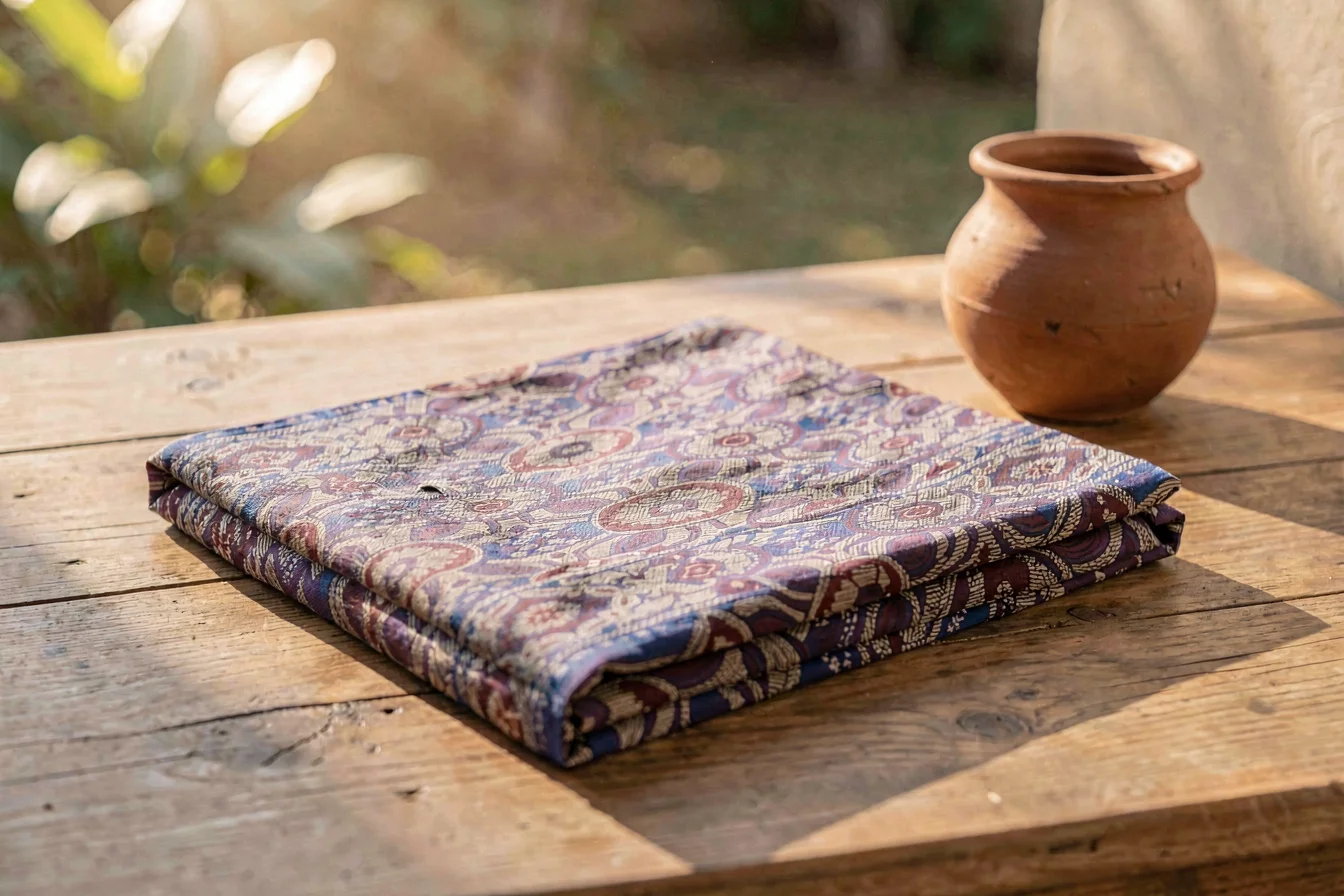
Durability is a critical procurement factor for both traditional nigerian clothing and contemporary nigerian clothing . Traditional garments, often made from handwoven aso oke, adire, or Ankara, are prized for their longevity, intricate beadwork, and premium materials, but may require more maintenance and specialized care. Contemporary options, using blends of cotton, polyester, and synthetic fabrics, offer better everyday wearability and easier care, but may lack the prestige and durability of traditional designs.
Application scenarios differ: traditional attire is optimal for ceremonies, formal events, and gifting, while contemporary clothing suits daily wear, travel, and export markets. Buyers must consider expected lifespan, frequency of use, and maintenance requirements. For instance, traditional agbada or isiagu may last 5–10 years with proper care, while contemporary Ankara dresses or fusion styles may see higher turnover due to trends and frequent use.
Long-term cost evaluation reveals that traditional clothing carries higher upfront costs but lower replacement rates, while contemporary garments are cheaper to replace but may incur higher maintenance and trend-driven restocking. Hidden costs include authenticity verification for traditional items, and compliance certifications for contemporary exports.
For buyers prioritizing durability and prestige, traditional clothing is optimal; for those seeking frequent turnover and trend agility, contemporary options offer superior cost efficiency.
| Cost Factor | Traditional Nigerian Clothing | Contemporary Nigerian Clothing |
|---|---|---|
| Initial Purchase Price | $30–$200 (high for premium) | $25–$150 (low to mid-range) |
| Maintenance Cost | Higher (special care required) | Lower (easy care, mass production) |
| Replacement Frequency | Low (long lifespan) | High (trend-driven) |
| Hidden Costs | Authenticity verification | Compliance certifications |
| 5-Year Total Cost | $40–$300 | $80–$250 |
Nigerian fashion delivers immense value by blending tradition with modernity, appealing to both B2C and B2B buyers. In today’s market, traditional nigerian clothing is indispensable for cultural preservation, ceremonial events, and heritage-driven gifting, while contemporary nigerian clothing dominates urban markets, e-commerce, and international exports. The urgency is heightened by global interest in African fashion, with Nigeria leading in cultural innovation and trend fusion.
Traditional attire excels in cultural and ceremonial settings, while contemporary fashion dominates urban and export-driven procurement.
Google Trends data reveals a clear gap between search interest and purchasing behavior. “Nigerian Ankara Fabric Clothing” consistently outpaces both traditional and contemporary searches, peaking at 80 in March 2026, while traditional dresses peak at 42 and contemporary outfits at 18. This suggests strong top-of-funnel interest in Ankara-based products, with contemporary styles gaining momentum but lagging in direct purchase intent.
Search Interest over Time
Procurement timing should align with search spikes, especially for Ankara-based contemporary styles, which show the highest growth.
Table data sourced from [1].
Online communities, especially on Reddit and TikTok, offer nuanced insights into user perceptions. Traditional nigerian clothing is celebrated for its cultural significance, beauty, and ceremonial value, with frequent mentions of pride, identity, and status. Contemporary styles are praised for versatility, modern aesthetics, and global appeal, with some debate around authenticity versus innovation.
Case Study 1 (Reddit): A Nigerian fashion influencer receives high praise for showcasing traditional nigerian clothing in ceremonial settings. Comments highlight admiration for intricate beadwork, status symbolism, and pride in cultural heritage. One user writes:
“Love this culture. Gorgeous, unbelievable. Nigerians keep proving that tradition will always remain stylish.” [8]
Another user notes:
“Stunning! The way you guys dress is kinda similar to Senegal too. It’s so beautiful.” [8]
Case Study 2 (Reddit): A buyer on r/Nigeria seeks contemporary Nigerian brands with worldwide shipping, aiming for a “birthday spectacular.” The discussion focuses on global shipping, affordability, and trend-driven designs. One user recommends:
“The brands I know are Orire official, Studio Bonnitta, Stella Yedia, Rendoll & Ofuure. So I would like something along these lines.” [10]
Another user comments:
“Not only are his looks amazing but he’s giving so much attention to Nigerian designers! I have no knowledge of Nigerian fashion world and I’m dying to know more now!” [9]
Social sentiment is overwhelmingly positive for both categories, but contemporary styles are gaining traction for their versatility and global reach.
| Dimension | Traditional Nigerian Clothing | Contemporary Nigerian Clothing |
|---|---|---|
| Overall Satisfaction | Very high (pride, beauty) | High (versatility, trend appeal) |
| Most Praised Feature | Cultural symbolism, craftsmanship | Modern design, affordability |
| Most Common Complaint | High cost, limited availability | Authenticity, trend turnover |
| Community Recommendation Rate | 90% (ceremonial events) | 75% (urban/export) |
Table data sourced from [8][9][10].
Viral content themes include admiration for traditional beadwork and status, pride in contemporary fusion designs, and debates about authenticity versus innovation. TikTok and YouTube amplify these trends, with viral videos showcasing both ceremonial and streetwear looks. Cultural reception is overwhelmingly positive, with both styles seen as expressions of identity and creativity.
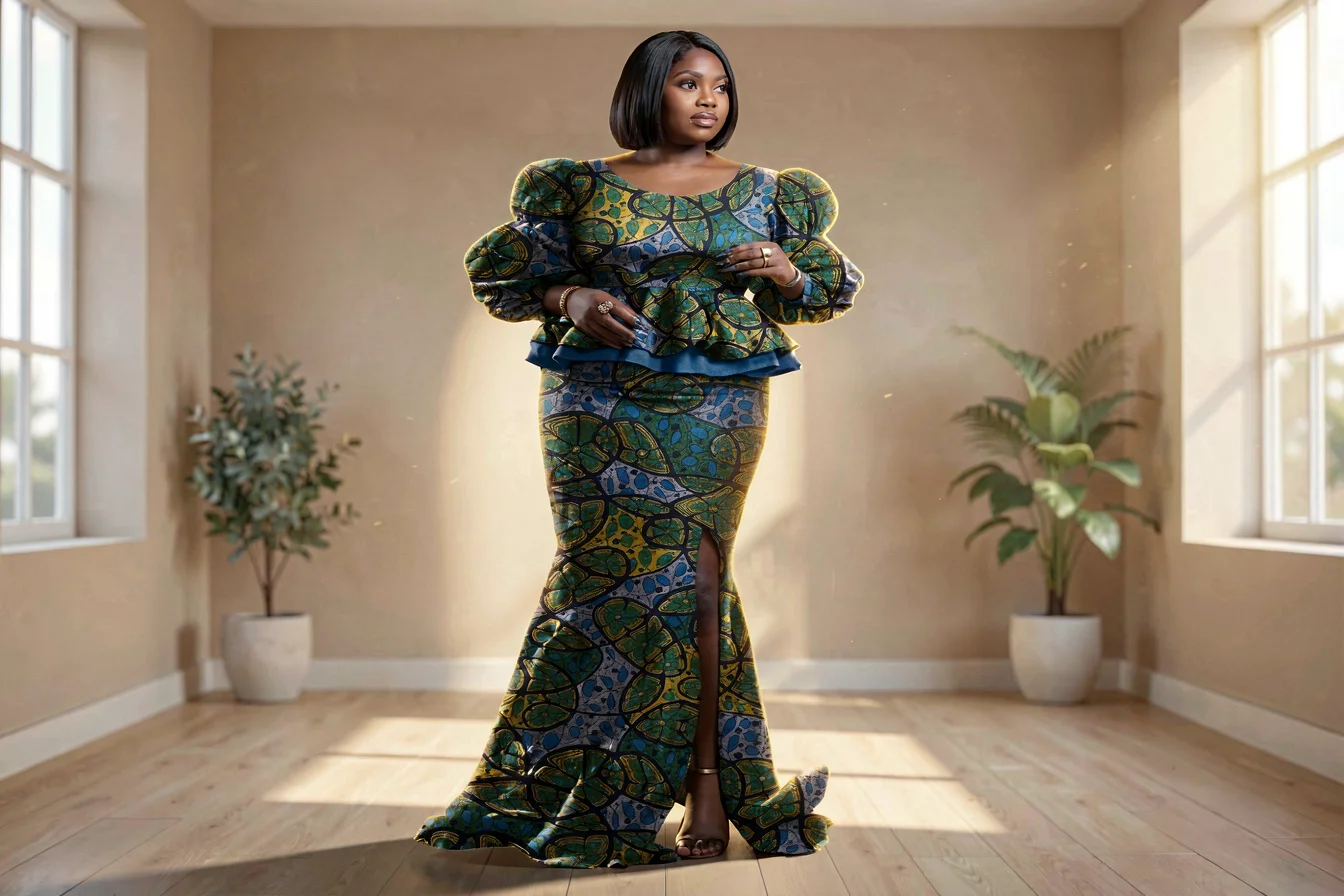
Buyers should clarify their core needs before sourcing. Key questions include:
Tiered recommendations:
| Tier | Recommended Product | Key Reason |
|---|---|---|
| Budget-Friendly | Contemporary Nigerian Clothing | Affordable, versatile, trend-driven |
| Mid-Range | Contemporary Nigerian Clothing | Bulk orders, compliance, export focus |
| Premium | Traditional Nigerian Clothing | Cultural events, prestige, authenticity |
Optimization tips: Buy during cultural holidays and fashion weeks for best pricing; bundle Ankara fabric with contemporary designs for trend agility; prioritize authenticity verification for traditional items; avoid common mistakes like ignoring compliance or overstocking trend-driven styles.
Synthesizing the insights, traditional nigerian clothing remains indispensable for cultural events and heritage-driven buyers, while contemporary nigerian clothing is rapidly gaining ground in urban, export, and trend-driven markets. Google Trends and social sentiment confirm that Ankara-based contemporary styles are the fastest-growing segment, with high search momentum and global appeal. For the next 6–12 months, buyers should prioritize contemporary sourcing for volume and trend agility, but maintain traditional options for prestige and ceremonial contexts.
Confident buyers should share their experiences and insights to drive collective knowledge, while commercial buyers are encouraged to leverage Alibaba.com for bulk sourcing, compliance support, and trend-driven procurement.
Dual call-to-action: Consumers—share your stories and recommendations to amplify Nigerian fashion’s global reach. Commercial buyers—explore wholesale opportunities on Alibaba.com and optimize your sourcing strategy for both traditional and contemporary Nigerian clothing.