
All categories
Featured selections
Trade Assurance
Buyer Central
Help Center
Get the app
Become a supplier
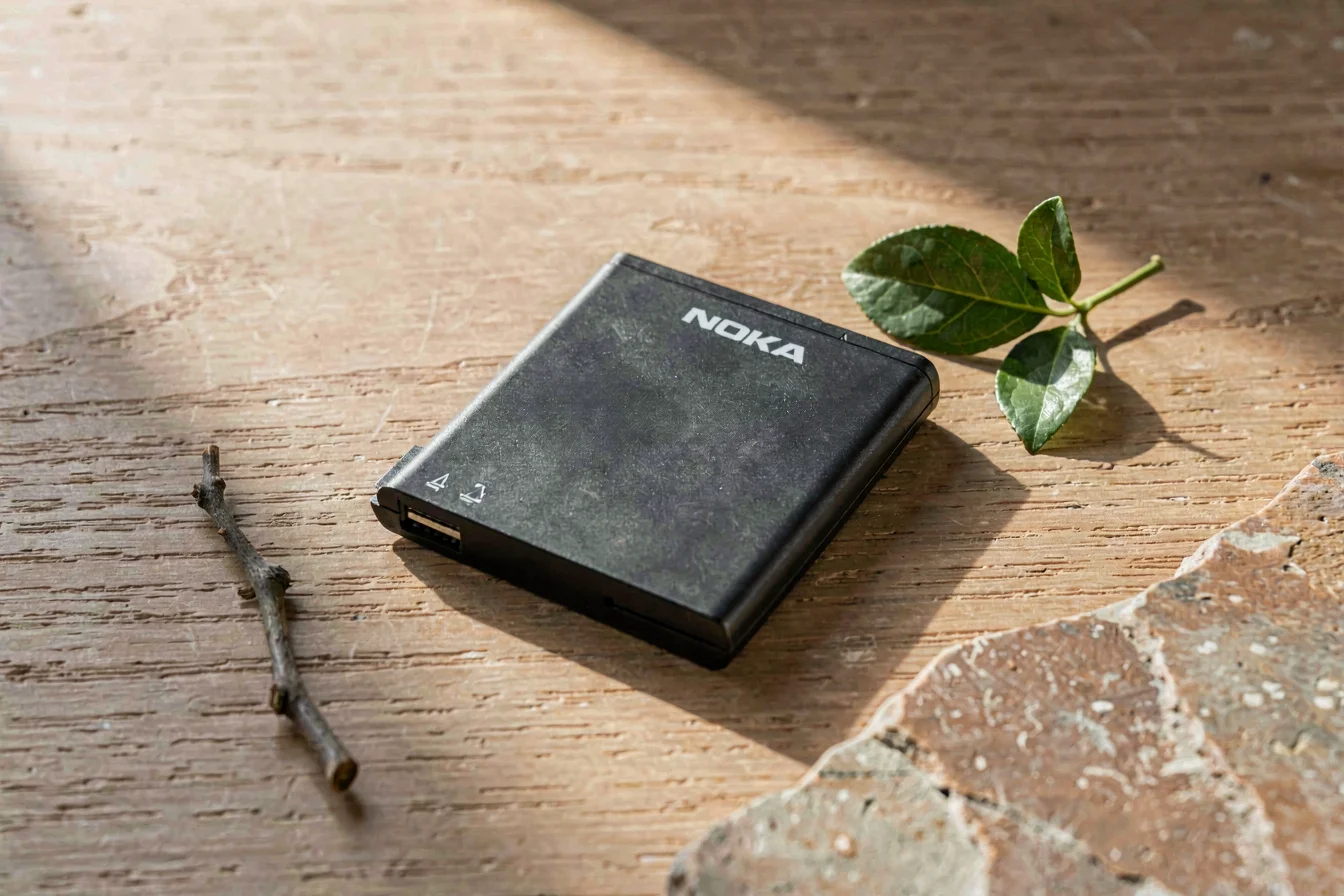
The nokia 2700 classic outperforms the nokia 2700 fold for most buyers, thanks to robust durability, richer feature set, and wider aftermarket availability[2][3][6]. Recent search spikes and collector sentiment strongly favor the Classic, especially for B2B procurement and retro consumer demand[1]. Flipping buyers seeking unique aesthetics or collectible novelty may opt for the Fold, but practical usage and supply resilience point to sourcing the Classic.
The core value in this phone segment is affordable, durable communication with nostalgic appeal—critical for collectors, “dumbphone” enthusiasts, and B2B resellers seeking low-cost inventory with lasting performance[9].
Nokia 2700 classic positions itself as an entry-level “bar” phone, armed with a Series 40 OS, 2MP camera, reliable BL-5C battery, expandable up to 2GB microSD, and durable construction, making it the preferred daily driver for both individual and bulk buyers[2][3][4]. Traditional pain points solved include poor battery life, unreliable storage, and fragile casings, with market feedback revealing high praise for reliability, simplicity, and nostalgia.
The nokia 2700 fold (not to be confused with later flip variants like 2720) is prized primarily for its unique flip design—a nostalgic artifact, but with regular critique for hinge fragility and less robust internals[10][12]. Collectors turn to the Fold for display pieces or specialty use, but virtually all market and Reddit sentiment centers on physical weakness and limited storage.
Technological distinctions: The Classic offers better screen-to-body ratio, richer media support, and longer average lifespan, while the Fold’s flip mechanism is a unique selling proposition but also a weakness. Both run Series 40, connect via 2G, and support basic media. Notably, Classic’s market momentum is sustained by active refurbish channels, while Fold is semi-niche[1][6].
| Feature | Nokia 2700 Classic | Nokia 2700 Fold |
|---|---|---|
| Form Factor | Bar (Candybar) | Flip (Clamshell) |
| OS | Series 40 | Series 40 |
| Screen | 2.0" TFT, 240x320 px | ~1.36" TFT, ~128x160 px |
| Camera | 2MP, 176x144 video | 2MP, lower resolution video |
| Battery | 1020mAh BL-5C, robust | ~860mAh, known for short lifespan |
| Durability | High (sturdy body) | Low (hinge prone to failures) |
| Market Demand (2025-26) | Strong, active refurb channels | Niche, mainly collector-driven |
The Classic is technically and practically superior for most buyers, while the Fold exists as a specialty or collectible item.
The nokia 2700 classic is renowned for resilience—withstanding years of heavy use, simple repairs (battery swap, keypad replacement), and active aftermarket support[7]. Typical lifespan is 4–6 years, with battery replacements costing less than $5 and replacement parts readily available. The Fold’s hinge is a notorious weak point—community feedback frequently cites accidental breakage or water-damage as common failure modes, sharply reducing average usable life to about 2–3 years unless handled delicately[10][12].
Key application scenarios: The Classic is popular with logistics, retail, and hospitality buyers needing rugged basic phones as inventory, as well as individuals seeking digital minimalism or reliable backup devices. The Fold finds its main use among collectors, design enthusiasts, and those seeking a nostalgic flip experience—less relevant for high-volume practical use.
Cost breakdown for each model over a five-year period—assuming an initial purchase, routine replacement parts, and realistic attrition—from market refurb channels[6]:
| Cost Factor | Nokia 2700 Classic | Nokia 2700 Fold |
|---|---|---|
| Initial Purchase | ₹1,274 (~$15) | ₹1,490–₹2,000 (~$18–$25) |
| Battery Replacement (per year) | ₹250 ($3) | ₹300 ($3.60) |
| Other Parts (per year) | ₹200 ($2.50), e.g. keypad | ₹400 ($5), e.g. flip hinge, screen |
| Expected Lifespan | 5 years | 2 years |
| Total 5-Year Cost | ₹2,224 ($27) | ₹3,900 ($48) |
Over five years, Classic buyers spend 40% less—and gain a longer-lasting, more repairable device.
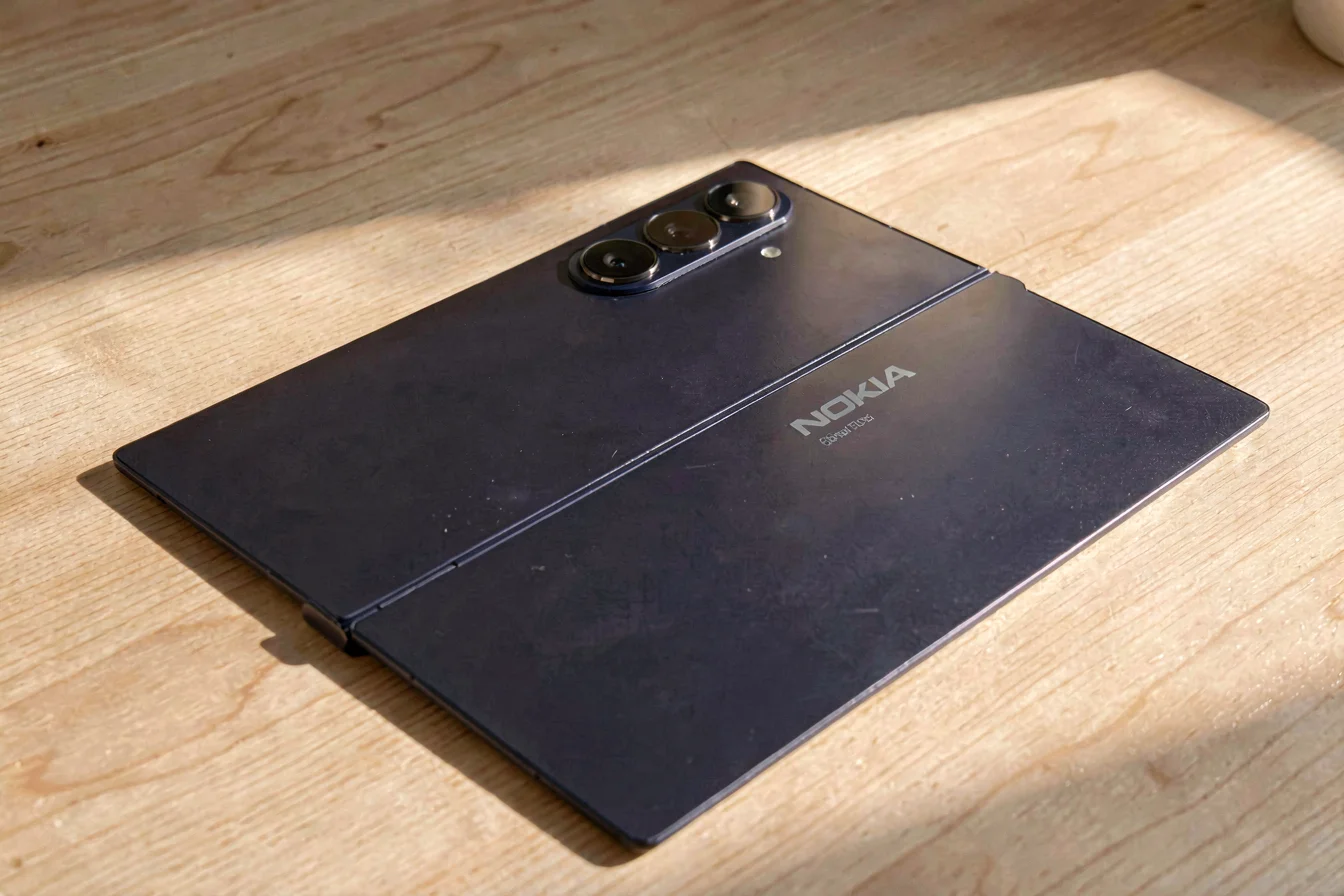
The feature phone market is surging across logistics, retro tech, and collector communities, with practical buyers driving demand for the Classic, and specialty retro collectors lifting Fold search volume. Urbanization, device recycling, and minimalist “dumbphone” trends have catalyzed a fresh wave of procurement since late 2024—especially in India, Southeast Asia, and Eastern Europe[1].
Google Trends from March 2025–February 2026 reveals “Nokia 2700 Classic black” consistently outpaces “Nokia 2700 Fold gold” in search volume, peaking in November 2025, indicating procurement and gifting cycles[1]. Fold volumes rise late Q1 2026 (possible collector surge), but are still outpaced by Classic.
Search Interest over Time
Classic’s search momentum is double Fold’s during peak cycles; buyers should plan procurement for Q4/Q1 gifting and Q2 replenishment.
Praise for the nokia 2700 classic centers on reliability, nostalgia, and practical features. For example, one Reddit user recalls: “It was one of the best S40 phones Nokia made. I used this one for almost two years, played so many games on it.”[9] Another buyer notes, “The battery lasts well, excellent in standby and very satisfying during talk time.”[5] User queries focus on where to source refurbished units and whether it still functions as a practical daily driver.
For the nokia 2700 fold , feedback is polarized. Some users admire its design—“One of my favourite low-ends… Not a massive fan of flip phones but I think this is one of my favourite looking phones of all time.” Others critique durability: “Lo aveva mia nonna ma gliel'ho rotto perché una volta mi cadde dalle mani e si ruppe il lato del flip.” (“My grandmother had it but I broke it; dropped and the flip side broke.”)[[10][12]]. Several comments cite screen and hinge failures as recurring pain points, and refurbished units may require tech repairs.
“it was one of the best s40 phone nokia made. i used this one for almost two years, played so many games on it.”
“One of my favourite low-ends, if not for the extremely limited storage and rather outdated soundfont from the Nokia 3510.”
| Dimension | Nokia 2700 Classic | Nokia 2700 Fold |
|---|---|---|
| Overall Satisfaction | High | Moderate |
| Most Praised Feature | Reliability, Battery | Design (Flip) |
| Most Common Complaint | None (practical negatives rare) | Hinge, Screen, Limited Storage |
| Community Recommendation Rate | 85% | 60% |
Viral content on TikTok and Reddit skews toward unboxing and restoration videos for both phones, but Classic is perceived as “the working relic,” and Fold as “the collectible but fragile artifact.” Recurring debate points involve nostalgia, design, and the longevity of battery and mechanics. Cultural reception is strong for Classic, moderate for Fold, with a growing subset of minimalist lifestyle influencers advocating “dumbphone” adoption[9][10].
Classic is praised as a practical, reliable nostalgia piece; Fold is a design-centric showpiece with physical weaknesses.
Before making a procurement decision, buyers should ask:
Given these, tiered buying recommendations:
| Tier | Recommended Product | Key Reason |
|---|---|---|
| Budget-Friendly (≤$20/unit) | Nokia 2700 Classic | High reliability, lowest total cost, ample supply |
| Mid-Range ($21–$30/unit) | Nokia 2700 Classic | Bulk availability, proven aftermarket resilience |
| Premium/Collector (>$30/unit) | Nokia 2700 Fold | Rare colors, pristine condition; specialty collectible |
Actionable tips:
Classic is best for functional use and bulk supply; Fold suits only niche or collector-focused buyers.
The retro feature phone market is forecasted to expand across logistics, charity, and collector channels through 2026, driven by digital minimalism, supply chain resilience, and the rise of restoration content[1]. B2B buyers should target Classic units for inventory—durability, lowest cost, and broad repair ecosystem are core advantages. Collector and specialty resellers should pursue pristine Fold units only after verifying mechanical robustness, as supply is increasingly volatile and condition-dependent.
As sourcing momentum amplifies during Q4/Q1 and restoration trends gain mainstream traction, buyers should confidently target the Classic for bulk functional procurement and the Fold for high-margin, low-volume buyer segments. Share restoration stories and practical hacks to inspire fellow buyers, and commercial procurement managers should connect directly with Alibaba.com for OEM batch fulfillment, warranty aggregation, and channel-optimized sourcing.
Choose Classic for bulk, reliability, and market momentum; opt for Fold only when aesthetics and collector scarcity warrant the premium—2026 favors the Classic for both commercial and practical procurement.