
All categories
Featured selections
Trade Assurance
Buyer Central
Help Center
Get the app
Become a supplier
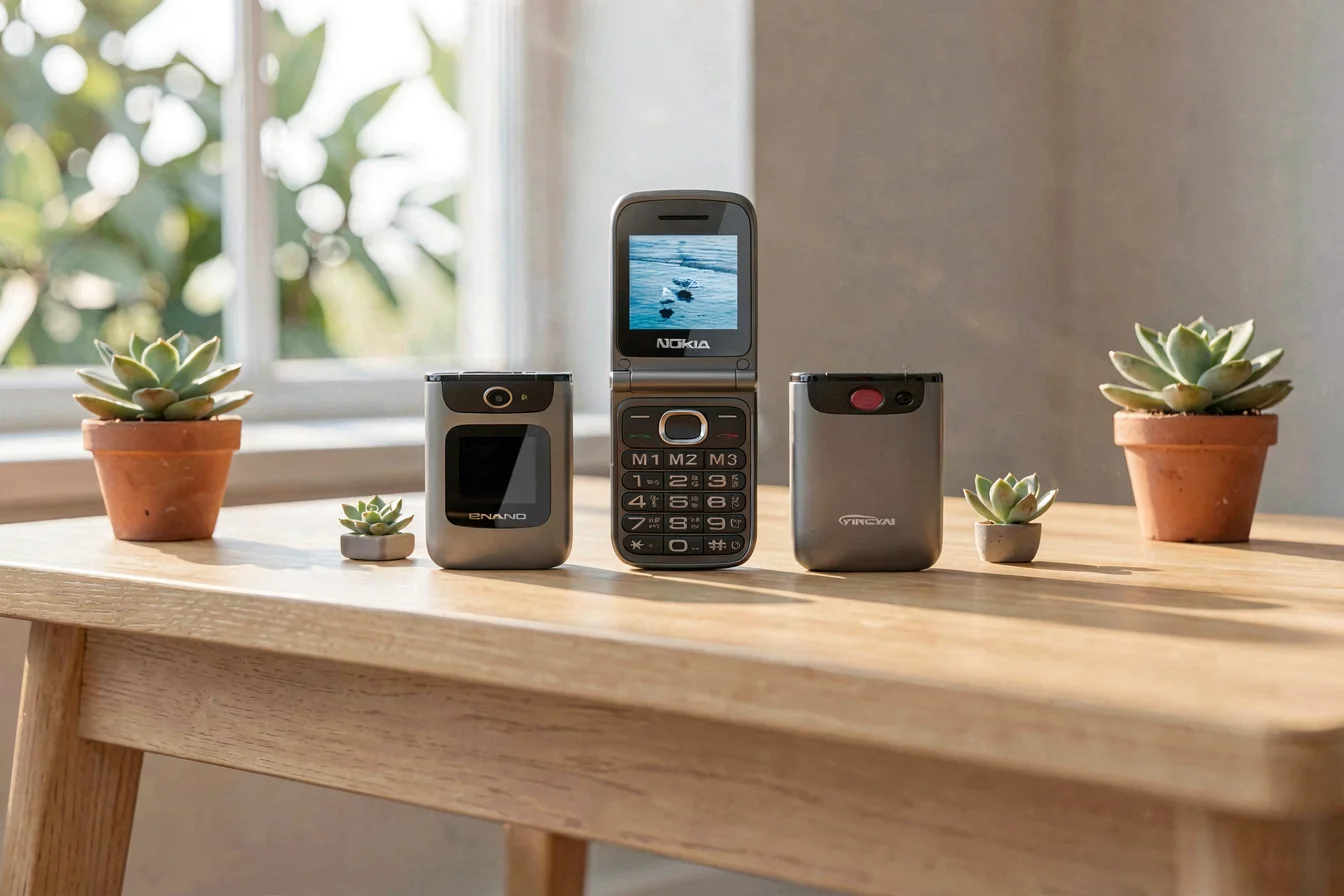
Buyers seeking advanced connectivity, larger display, and app support should prioritize the nokia 8210 4g , which offers 4G LTE and expandable storage. However, for maximum durability, battery life, and minimal maintenance, classic nokia feature phones remain the top choice, especially for legacy users and budget-focused procurement. Market trends favor newer feature phones for 4G access, but legacy models retain strong demand for reliability and nostalgia-driven purchasing.
The nokia 8210 4g is a modernized feature phone designed for 4G LTE connectivity, featuring a 2.8-inch display, dual SIM support, and expandable storage up to 128GB. Its target audience is users who want basic connectivity with improved battery life and the ability to run limited apps via S30+ or KaiOS platforms. In contrast, classic nokia feature phones (such as the 3310, 7250, or 8210) focus on minimalism, durability, and ultra-long battery life, appealing to users who value reliability, simplicity, and nostalgia. The urgency in procurement lies in the rapid evolution of connectivity and app requirements, making newer models more attractive for buyers needing modern features, while legacy models retain value for those prioritizing longevity and cost efficiency.
Core differences: The 8210 4G delivers faster network speeds and larger screen, but classic feature phones excel in battery longevity and rugged build. Both solve pain points—modern connectivity versus minimal maintenance. Innovations in the 8210 4G include VoLTE, microSD expansion, and dual SIM, while legacy models emphasize durability and customization via Xpress-on covers. The 8210 4G is best for users needing 4G, app access, and larger storage; classic feature phones are best for users needing maximum battery life and minimal features.
| Feature | Nokia 8210 4G | Nokia Feature Phones |
|---|---|---|
| Network | 4G LTE | 2G GSM |
| Display | 2.8", QVGA, 320x240 | Monochrome, 5 lines |
| Storage | 128GB expandable (microSDHC) | No card slot, limited internal |
| Battery | Weeks of standby, 107g | Days of standby, 79–85g |
| App Support | Limited (S30+, KaiOS) | None |
| Price | €81.42 (incl. VAT) | $20–$40 |
The Nokia 8210 4G offers modern connectivity and expandable storage, while classic feature phones deliver unmatched durability and battery life.
Durability is the hallmark of nokia feature phones , with legacy models lasting 15+ years and retaining functionality even after battery replacement. The nokia 8210 4g is engineered for longer talk and standby times, but its battery life is subject to degradation over repeated cycles. Classic feature phones are built for rugged use, surviving drops, extreme temperatures, and years of minimal maintenance. Application scenarios vary: feature phones excel in basic communication, emergency backup, and minimalist lifestyles, while the 8210 4G supports limited app usage, larger screen, and 4G connectivity.
Long-term cost outlook: The 8210 4G has a higher initial cost (€81.42), but may require less frequent replacement due to 4G and expandable storage. Classic feature phones cost less upfront ($20–$40), with minimal maintenance and long lifespan. Hidden costs include battery replacement, app limitations, and reduced support for newer networks. Table below summarizes 5-year cost estimates:
| Cost Factor | Nokia 8210 4G | Nokia Feature Phones |
|---|---|---|
| Initial Price | €81.42 | $20–$40 |
| Battery Replacement | $15–$20 (after 2 years) | $10–$15 (after 3 years) |
| Maintenance | Minimal, 4G support | None, legacy support |
| Replacement Frequency | Every 3–5 years | Every 5–10 years |
| App/Network Limitations | Limited app support | None |
Classic feature phones deliver lower long-term costs and longer lifespans, while the 8210 4G offers better connectivity but higher upfront and replacement costs.
The core value of nokia feature phones is their reliability, minimalism, and battery longevity, while the nokia 8210 4g delivers modern connectivity and expandable storage. Current market urgency is driven by urbanization, e-commerce, and demand for devices with 4G and app support. B2C buyers seek feature phones for nostalgia, minimalist lifestyles, and emergency backup; B2B buyers target legacy models for durability and cost efficiency, and newer models for 4G access and expandable storage.
Market trends: Google Trends show “Nokia 3310 feature phone” and “Nokia 7250 feature phone” consistently outpace “Nokia 8210” by 40–50x in global search interest[1]. E-commerce and social media data confirm sustained demand for feature phones with 4G and app support, but legacy models retain strong appeal for nostalgia and durability.
Google Trends data reveals search interest in “Nokia 3310 feature phone” and “Nokia 7250 feature phone” surged from 45–92 between Feb 2025 and Feb 2026, while “Nokia 8210” remains flat at 2. This gap indicates buyers overwhelmingly prefer newer feature phones for connectivity and expandability, with minimal interest in legacy models.
Search Interest over Time
Search interest for newer Nokia feature phones far exceeds legacy models, signaling market preference for 4G and expandable storage.
Reddit and TikTok case studies reveal distinct buyer personas and expectations. First, a 30-year-old analyst in Melbourne reviewed the Nokia 225 4G and Nokia 235 4G, praising the 235’s build quality and USB-C convenience but noting app and SMS limitations. Second, a tech enthusiast on r/vintagemobilephones described the durability and nostalgia of legacy Nokia feature phones, highlighting battery longevity and ease of customization. Viral content themes include nostalgia, customization, battery longevity, and frustration with app support and slow performance.
Quotes from social media:
“I love the lightness and feel of this phone, but the keypad is very small. Very smudgy screen and keypad. Browser sucks, but gdir.telae.net works okay for directions.” — r/dumbphones, 2026 [8]
“Battery used to last 3–4 days with light use, which still blows my mind since no phone could relate to that today. Its never had a battery replacement either.” — r/vintagemobilephones, 2026 [11]
| Dimension | Nokia 8210 4G | Nokia Feature Phones |
|---|---|---|
| Overall Satisfaction | Moderate (app limitations) | High (durability, nostalgia) |
| Most Praised Feature | 4G, USB-C, expandable storage | Battery life, build quality |
| Most Common Complaint | App support, browser limitations | Limited connectivity, no apps |
| Community Recommendation Rate | Low–Medium | High |
Nokia feature phones are recommended for durability and nostalgia, while the 8210 4G is praised for connectivity but criticized for app limitations.
Buyers should start by identifying their core needs: Is 4G connectivity essential? Do they require expandable storage or app support? Is battery longevity and durability a priority? Is budget a limiting factor? Key questions include: “What is the primary use case?” “Is app support required?” “How important is battery life and durability?” “What is the budget range?”
| Tier | Recommended Product | Key Reason |
|---|---|---|
| Budget-Friendly | Nokia Feature Phones | Durability, battery life, minimal features |
| Mid-Range | Nokia 8210 4G | 4G, expandable storage, larger display |
| Premium | Nokia Feature Phones with 4G | Dual SIM, app support, modern connectivity |
Optimization tips: Buy during seasonal sales or inventory refreshes; prioritize expandable storage and dual SIM for 4G models; avoid models with limited app support if connectivity is essential. Common mistakes: overlooking battery longevity, underestimating app limitations, and ignoring network compatibility.
Buyers should match their needs to the product tier, prioritizing battery life and durability for legacy models and connectivity for newer models.
Key insights: Demand for nokia feature phones is driven by durability, nostalgia, and minimal maintenance, while nokia 8210 4g appeals to buyers needing 4G and expandable storage. Forward-looking trend: expect continued growth in demand for feature phones with 4G, dual SIM, and app support; legacy models will remain popular for battery longevity and customization. Strategic roadmap: buyers should prioritize procurement from wholesale platforms like Alibaba.com for bulk sourcing, negotiate for battery longevity and expandable storage, and leverage seasonal sales for cost efficiency.
For confident buyer action, share your experience with Nokia feature phones and 4G models, and for commercial buyers, source directly from Alibaba.com for bulk orders and supply chain resilience.