
All categories
Featured selections
Trade Assurance
Buyer Central
Help Center
Get the app
Become a supplier
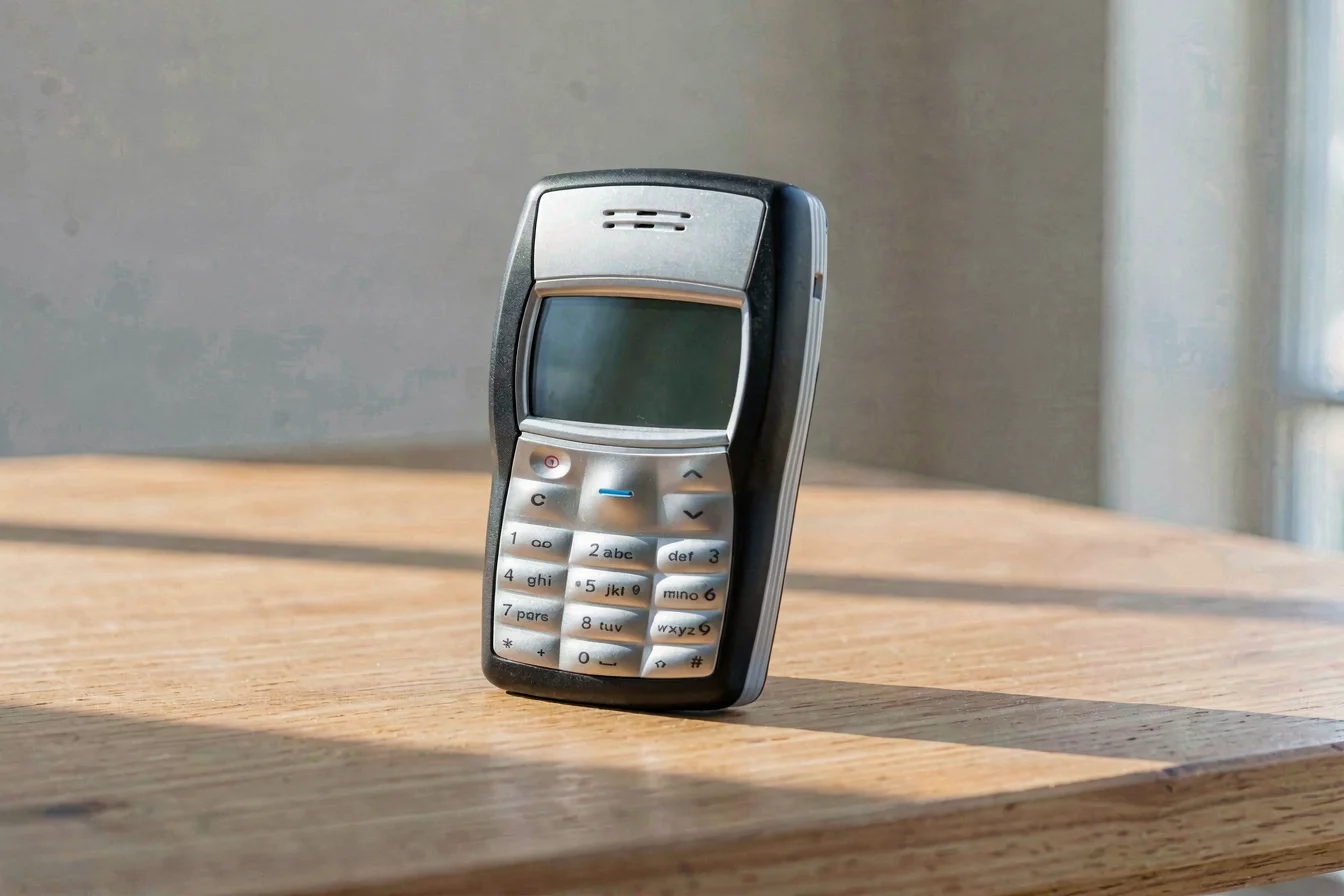
Nokia keyboard phones deliver unmatched durability, tactile input, and nostalgia-driven appeal, making them ideal for digital minimalism and niche markets. Nokia touchscreen smartphones, by contrast, dominate mainstream and enterprise procurement due to their versatility, app ecosystems, and modern features. Buyers should weigh long-term cost, user environment, and specific application needs when choosing between nokia keyboard phones and nokia touchscreen smartphones [1][4].
The nokia keyboard phones segment addresses buyers seeking reliability, simplicity, and tactile input, often in environments where distraction-free communication and long battery life are prioritized. These phones are popular among educators, rural users, and digital minimalists. Nokia touchscreen smartphones , meanwhile, serve mainstream consumers and B2B markets with advanced features—larger displays, app support, and connectivity—making them the default for productivity and entertainment. The procurement dilemma centers on balancing user experience, cost, and market fit: keyboards excel in durability and low-tech environments, while touchscreens dominate modern use cases with broader functionality.
Key differences include input method (tactile vs. virtual), battery longevity, and application scope. Traditional challenges solved by keyboards: faster texting, physical durability, and lower distraction. Touchscreens address modern demands for multimedia, internet access, and app integration. Innovations in both categories—keyboard phones with 4G support, touchscreens with AI and enhanced security—are blurring the lines but maintaining distinct value propositions.
| Feature | Nokia Keyboard Phones | Nokia Touchscreen Smartphones |
|---|---|---|
| Input Method | Physical keyboard | Touchscreen/virtual keyboard |
| Battery Life | Longer (up to 30 days) | Standard (1–2 days) |
| Durability | High (physical parts) | Moderate (glass screens) |
| Application Scope | Calling, texting, basic apps | Multimedia, internet, advanced apps |
| Price Range | ₹1,264–₹4,714 | Higher (premium segment) |
The optimal procurement choice hinges on user environment, budget, and desired application scope—keyboard phones for durability and minimalism, touchscreens for versatility and modern features.
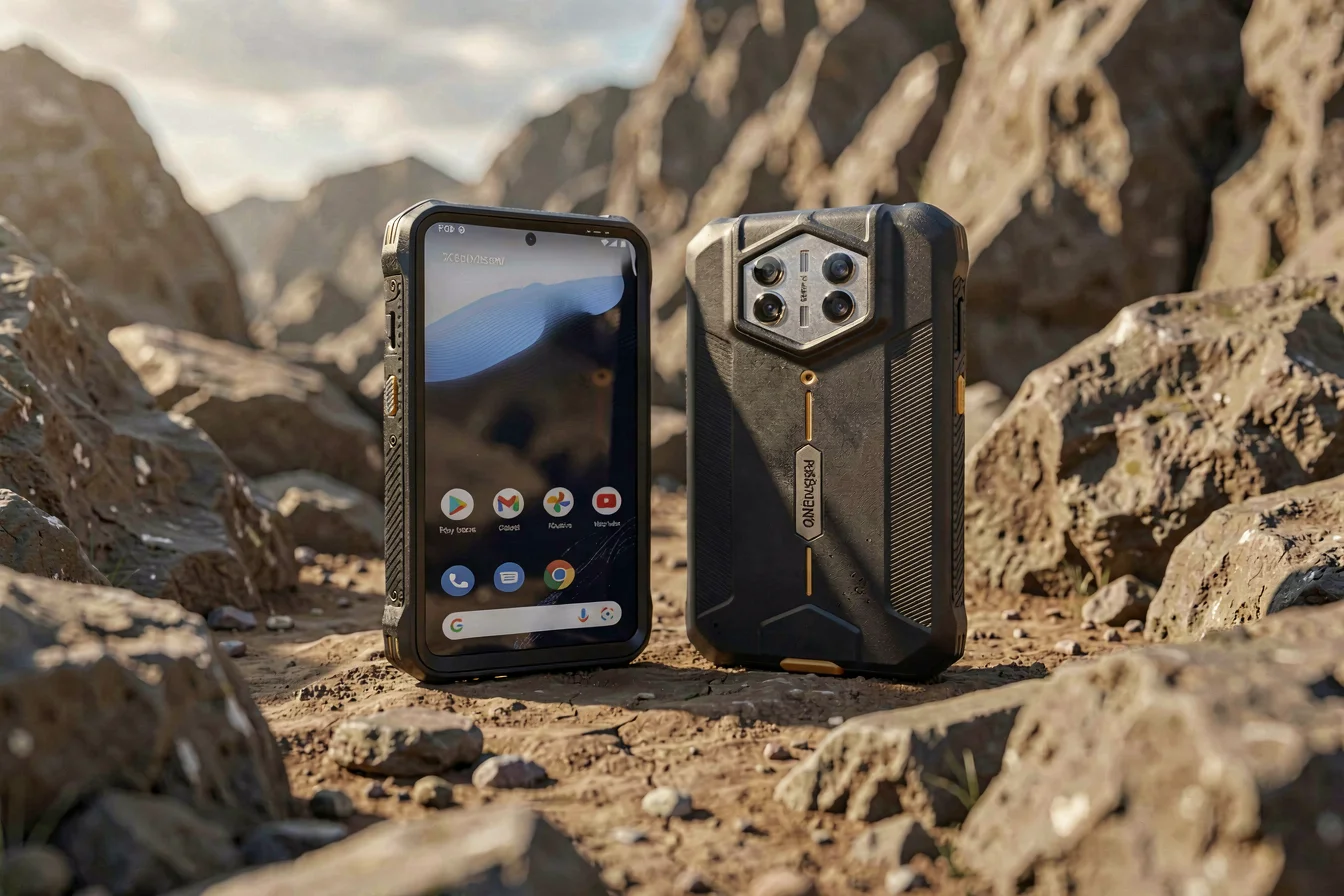
Durability is a primary concern for buyers considering nokia keyboard phones versus nokia touchscreen smartphones . Keyboard phones typically feature rugged builds, physical keyboards, and longer battery life, often lasting weeks between charges. Touchscreen smartphones offer sleeker designs and advanced features but are more prone to screen damage and require daily charging. Performance consistency: keyboards are favored for rapid texting and minimal screen fatigue; touchscreens provide better multimedia and app integration.
Application scenarios diverge: keyboards excel in education, rural, and minimalism contexts, while touchscreens dominate urban, enterprise, and entertainment markets. Buyers must assess their environment—keyboard phones for low-tech, distraction-free use; touchscreens for high-tech, connectivity-heavy workflows.
Long-term cost outlook: Keyboard phones have lower upfront and maintenance costs, with infrequent replacement. Touchscreen smartphones demand higher initial investment and more frequent upgrades. A 5-year cost comparison table is provided below:
| Cost Factor | Nokia Keyboard Phones | Nokia Touchscreen Smartphones |
|---|---|---|
| Initial Purchase Price | ₹1,264–₹4,714 | Higher (premium segment) |
| Maintenance | Low (physical parts) | Moderate (screen repairs) |
| Replacement Frequency | Low (years) | High (1–2 years) |
| Hidden Costs | Minimal | Data plans, upgrades |
| Total 5-Year Cost | Low | High |
Durability and cost efficiency make keyboard phones attractive for low-tech buyers, while touchscreens suit high-tech, connectivity-driven users willing to pay more for frequent upgrades.
The value proposition of nokia keyboard phones and nokia touchscreen smartphones is shaped by evolving market trends and application scenarios. Keyboard phones are surging in popularity among digital minimalists, educators, and rural users, driven by nostalgia and tactile preference. Touchscreen smartphones remain dominant in urban and enterprise settings, leveraging app ecosystems and multimedia capabilities.
Market trend data: Google Trends show a marked spike in “Nokia feature phones” search interest (peaking at 98 in October 2025), indicating renewed buyer interest[1]. Urbanization and multi-generational living drive touchscreen demand, while digital minimalism and nostalgia fuel keyboard phone resurgence.
Google Trends reveal significant search volatility for “Nokia feature phones,” “Nokia touchscreen phones,” and “Nokia QWERTY phones” from March 2025 to March 2026. Peaks in keyboard phone interest coincide with nostalgia and minimalism trends, while touchscreen phones maintain steady, moderate interest.
Search Interest over Time
Search interest spikes for keyboard phones suggest a niche but growing market, while steady touchscreen interest reflects mainstream dominance.
Social media and Reddit discussions reveal contrasting buyer personas for nokia keyboard phones and nokia touchscreen smartphones . Keyboard phones are praised for tactile input, nostalgia, and minimalism, while touchscreens are valued for versatility and modern features. Case studies highlight distinct outcomes:
Case Study 1: Digital Minimalist (Keyboard Phone Buyer)
A European NGO reviewed simple/dumb phones for teens (10–14yo) for calling and texting, prioritizing minimalism. The “The Phone” touchscreen dumbphone was chosen for its pure calling/texting function, minimizing screen time. Community feedback praised its simplicity, durability, and battery life, though limited app support was noted as a drawback[7].
“Literally. It's a dumbphone in the purest sense of the word, not a feature phone. Even Wifi and Bluetooth are disabled, but there is a headphone jack if you want to call with wired earbuds.”
“The device itself is a modified generic slab with a 5.5” low-res screen as we would have seen them 10 years ago. The back cover pops off to change the battery and sim card.”
Case Study 2: Enterprise User (Touchscreen Smartphone Buyer)
An enterprise buyer selected a touchscreen smartphone for productivity, email, and app integration. The device’s multimedia capabilities and connectivity were praised, though screen fatigue and frequent upgrades were noted as pain points.
“Having to switch between text and basic numeric keys is a bit of a hassle for me. Having download surface and skins to replicate the experience is beyond me. Also, that physical snap when you punch a button and it does what you want is, in my opinion, irreplaceable.”
“For messaging-heavy users, physical keys are about speed and accuracy, not nostalgia.”
Sentiment overview table:
| Dimension | Nokia Keyboard Phones | Nokia Touchscreen Smartphones |
|---|---|---|
| Overall Satisfaction | High (minimalism, durability) | High (features, versatility) |
| Most Praised Feature | Tactile keyboard, battery life | App ecosystem, multimedia |
| Most Common Complaint | Limited app support | Screen fatigue, frequent upgrades |
| Community Recommendation Rate | Moderate-high | High |
Viral content themes: Nostalgia for keyboards, digital minimalism, tactile feedback, and screen fatigue debates. Recurring debate points: keyboard phones for minimalism and tactile preference; touchscreens for modern features and productivity. Cultural reception: keyboards are seen as a return to simplicity, while touchscreens are viewed as mainstream and aspirational.
Online communities highlight keyboard phones as a nostalgic, minimalistic choice, while touchscreens are celebrated for their versatility and modern features.
Buyers must identify their core needs before purchasing nokia keyboard phones or nokia touchscreen smartphones . Key questions to ask:
Tiered recommendations:
| Tier | Recommended Product | Key Reason |
|---|---|---|
| Budget-Friendly | Nokia Keyboard Phones | Low cost, long battery, minimalism |
| Mid-Range | Nokia Touchscreen Smartphones | Versatility, app support, connectivity |
| Premium | Nokia Touchscreen Smartphones | Advanced features, multimedia, enterprise |
Optimization tips:
Buyers should align procurement with specific use cases and budget tiers, leveraging keyboard phones for minimalism and touchscreens for advanced functionality.
Key insights: nokia keyboard phones are experiencing a resurgence for digital minimalism, nostalgia, and tactile input, while nokia touchscreen smartphones remain dominant for mainstream and enterprise buyers. Procurement logic: keyboards for durability and niche markets; touchscreens for versatility and connectivity. Forward-looking trend: expect continued niche growth for keyboard phones, especially in education, rural, and minimalism segments, alongside mainstream dominance for touchscreens.
Buyers should act confidently, leveraging digital minimalism trends for keyboard phones and enterprise connectivity for touchscreens. Share your experience with minimalism or advanced features, and commercial buyers should explore wholesale platforms like Alibaba.com for tailored solutions.