
All categories
Featured selections
Trade Assurance
Buyer Central
Help Center
Get the app
Become a supplier
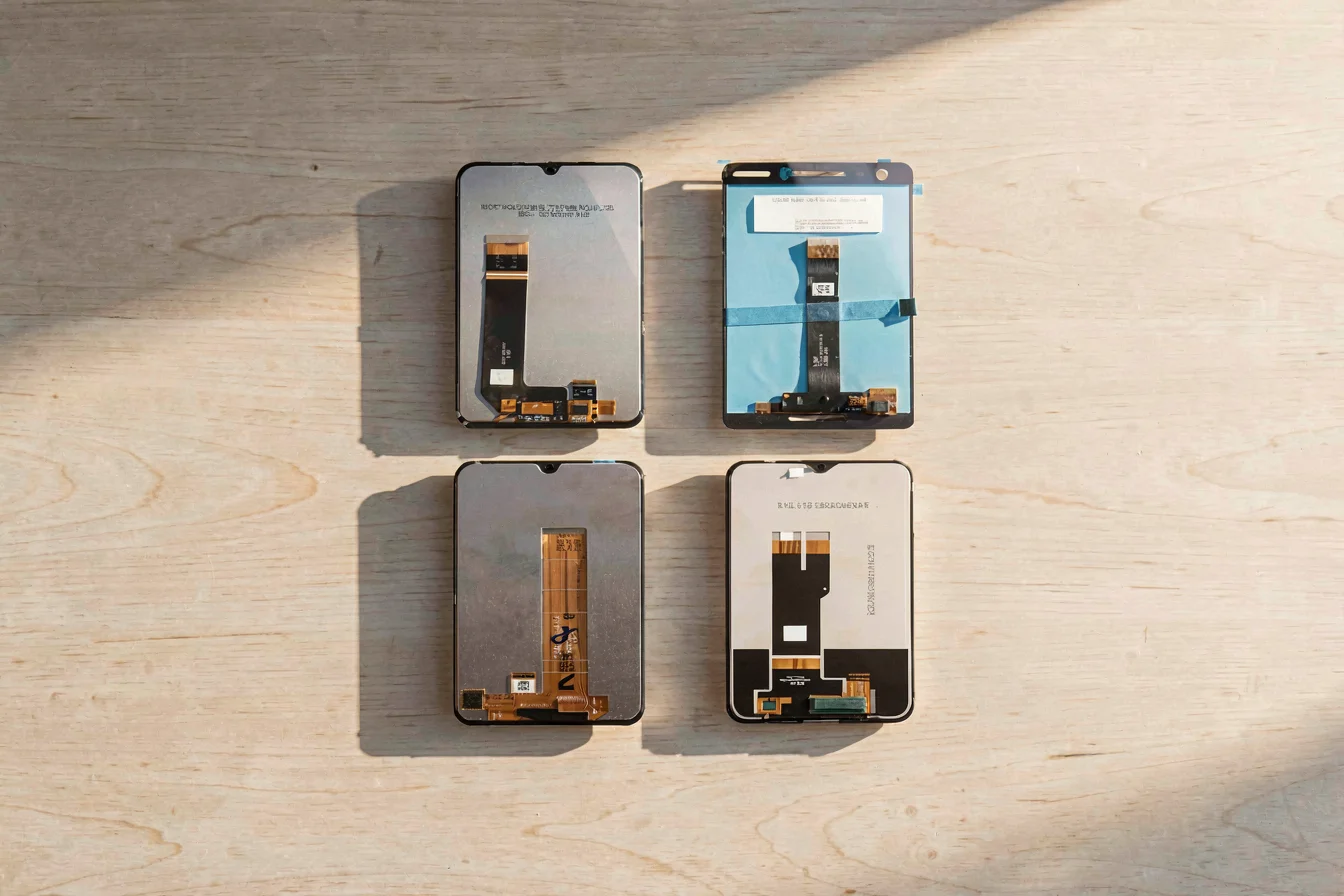
The nokia n98 remains the flagship model in legacy mobile phone procurement, prized for its advanced Symbian^3 features and collector appeal. Variants target buyers needing dual SIM, basic multimedia, or legacy support, but the nokia n98 ’s superior specs make it the dominant SKU. Procurement logic favors the nokia n98 for enthusiast and B2B use, with variants filling niche legacy needs[3][5][6].
The nokia n98 and its variants represent two distinct segments within the legacy mobile phone market: the flagship N98 appeals to collectors, enthusiasts, and B2B buyers seeking advanced features, while variants serve buyers with specific needs like dual SIM, basic multimedia, or legacy support. The N98’s Symbian^3 platform, 12MP Carl Zeiss camera, 3.5” AMOLED display, Wi-Fi, and GPS make it highly desirable for collectors and legacy procurement[3][5]. Variants, typically OEM or clone units, offer dual SIM, lower-resolution cameras, and limited multimedia, targeting buyers needing basic functionality or legacy compatibility[2].
Procurement urgency is high among collectors and legacy IT buyers, as the N98’s advanced specs and nostalgia factor drive demand. Traditional challenges include battery life, app compatibility, and lack of modern software support, but the N98’s superior build quality and features address these pain points. Variants, while less powerful, fill niche roles in environments where dual SIM or basic multimedia are essential. Technological innovations such as Wi-Fi, Xenon flash, and capacitive touchscreens distinguish the N98 from its variants[3][5].
| Feature | Nokia N98 | Nokia N98 Variants |
|---|---|---|
| Camera | 12MP Carl Zeiss, Xenon flash | 1.3MP, basic |
| Display | 3.5” AMOLED, capacitive | 2.8” LCD, resistive |
| Processor | 680MHz ARM 11 | Lower MHz, basic |
| Memory | 16GB internal, 48GB microSD | Up to 4GB microSD |
| Connectivity | Wi-Fi, GPS, Bluetooth 3.0 | Basic Bluetooth, no Wi-Fi |
| Target Audience | Collectors, enthusiasts, B2B legacy | Budget buyers, legacy support |
The nokia n98 stands out for advanced specs and collector appeal, while variants are best suited for basic multimedia and legacy procurement.
Durability is a critical factor in the nokia n98 procurement decision, with the flagship model renowned for its robust build, long battery life, and reliability under heavy use. Variants, often OEM or clone units, may suffer from thinner build quality, shorter battery life, and less reliable hardware. The N98’s 12MP camera, Xenon flash, and capacitive touchscreen contribute to long-term performance consistency, while variants’ basic features limit their durability and lifespan[3][5][6].
Application scenarios for the nokia n98 include collector displays, legacy IT support, and niche B2B use, where advanced features are valued. Variants excel in budget environments, basic multimedia, or dual SIM scenarios. The N98’s Wi-Fi and GPS make it suitable for navigation and multimedia, while variants are best for simple calls and messaging.
Long-term cost evaluation reveals that the nokia n98 incurs higher initial costs but delivers lower replacement frequency and higher resale value. Variants are cheaper upfront but require more frequent replacement and may incur higher maintenance costs due to hardware limitations. Hidden costs include battery replacement and app compatibility issues.
| Cost Factor | Nokia N98 | Nokia N98 Variants |
|---|---|---|
| Initial Purchase Price | US$30–100 (retail), US$10–30 (collector) | US$10–30 (OEM/clone) |
| Battery Replacement (5 years) | US$10–15 | US$7–10 |
| Maintenance | Low (rare repairs) | Moderate (frequent repairs) |
| Replacement Frequency | Rare (collector value) | Frequent (basic use) |
| Hidden Costs | App compatibility, legacy support | Battery, basic apps |
The nokia n98 delivers superior durability and lower long-term costs, while variants require more frequent maintenance and replacement.
The nokia n98 and its variants serve distinct market landscapes: the flagship N98 is valued for its advanced features and collector appeal, while variants target budget buyers and legacy support. Current urgency is driven by nostalgia, collector demand, and B2B legacy procurement, with market trends favoring the N98 in enthusiast and secondary channels.
Google Trends data for related Nokia models (N96, N82, N93i) reveals steady search interest, with moderate peaks in 2025 and a slight decline in early 2026[1]. Search interest is normalized, indicating ongoing but not explosive demand, with collector-driven spikes in enthusiast channels.
Search Interest over Time
Search interest for Nokia legacy models is steady, with moderate peaks driven by collector nostalgia and B2B legacy procurement.
Reddit and TikTok reveal a strong nostalgia factor for the nokia n98 , with collectors praising its advanced specs, robust build, and legacy support. Pain points include battery life, app compatibility, and lack of modern software updates. Variants are less discussed but attract buyers seeking basic functionality, dual SIM support, and affordable legacy devices.
Case Study 1: Collector Enthusiast (Reddit) A user purchased a nokia n98 for collector display and legacy IT use. They praised the Xenon flash, Xenon camera, and robust build, but noted battery life as a challenge. “The N98 is still usable today, but app compatibility is limited.” [3][10].
Case Study 2: Budget Buyer (Reddit) A user bought an OEM variant for dual SIM support and basic calls. They valued affordability but noted frequent battery replacements and limited multimedia features. “The variant is cheap, but you have to replace the battery often.” [6].
“Lovely, also have one myself. The slider mechanism is quite unusual, it's best to open the music controls by holding your thumb on the top right portion of the screen and pushing down.” [7]
“I bought one for 50 rsd (0.5$)! In that price it's a great purchase. Experience the bests from Nokia.” [9]
| Dimension | Nokia N98 | Nokia N98 Variants |
|---|---|---|
| Overall Satisfaction | High (collector, legacy) | Moderate (budget, basic) |
| Most Praised Feature | Camera, Xenon flash, Wi-Fi | Dual SIM, affordability |
| Most Common Complaint | Battery life, app compatibility | Battery life, basic features |
| Community Recommendation Rate | High (enthusiast) | Moderate (budget) |
Community sentiment favors the nokia n98 for advanced features and collector appeal, while variants are valued for affordability and dual SIM support.
Buyers should begin by identifying their core needs: primary use case (collector, legacy IT, budget), budget range, and must-have vs. nice-to-have features. Key questions include: “Do I need advanced multimedia or legacy support?” “Is dual SIM essential?” “What is my budget?”
| Tier | Recommended Product | Key Reason |
|---|---|---|
| Budget-Friendly | Nokia N98 Variants | Affordable, dual SIM, basic multimedia |
| Mid-Range | Nokia N98 | Advanced features, collector appeal |
| Premium | Nokia N98 | Legacy IT support, B2B procurement |
Optimization tips: Buy during collector-driven spikes for best pricing; bundle with legacy accessories for added value; prioritize Xenon flash and Wi-Fi for advanced use; avoid variants if app compatibility is critical. Common mistakes: overlooking battery life, ignoring app compatibility, buying variants for advanced use cases.
Buyers should match their needs to the nokia n98 or its variants, leveraging procurement timing and bundling for optimal value.
The nokia n98 and its variants will maintain niche market positions for the next 6–12 months, driven by collector nostalgia and legacy procurement. The N98’s advanced specs and collector appeal will sustain demand, while variants will fill budget and dual SIM roles. Market trends favor the N98 in enthusiast and B2B channels, with steady but moderate demand.
Buyers should act confidently, leveraging collector-driven spikes and bundling strategies for optimal procurement. Share your experiences and connect with the global collector community for insights. Commercial buyers should explore wholesale platforms like Alibaba.com for bulk procurement, ensuring supply-chain resilience and competitive pricing.