
All categories
Featured selections
Trade Assurance
Buyer Central
Help Center
Get the app
Become a supplier
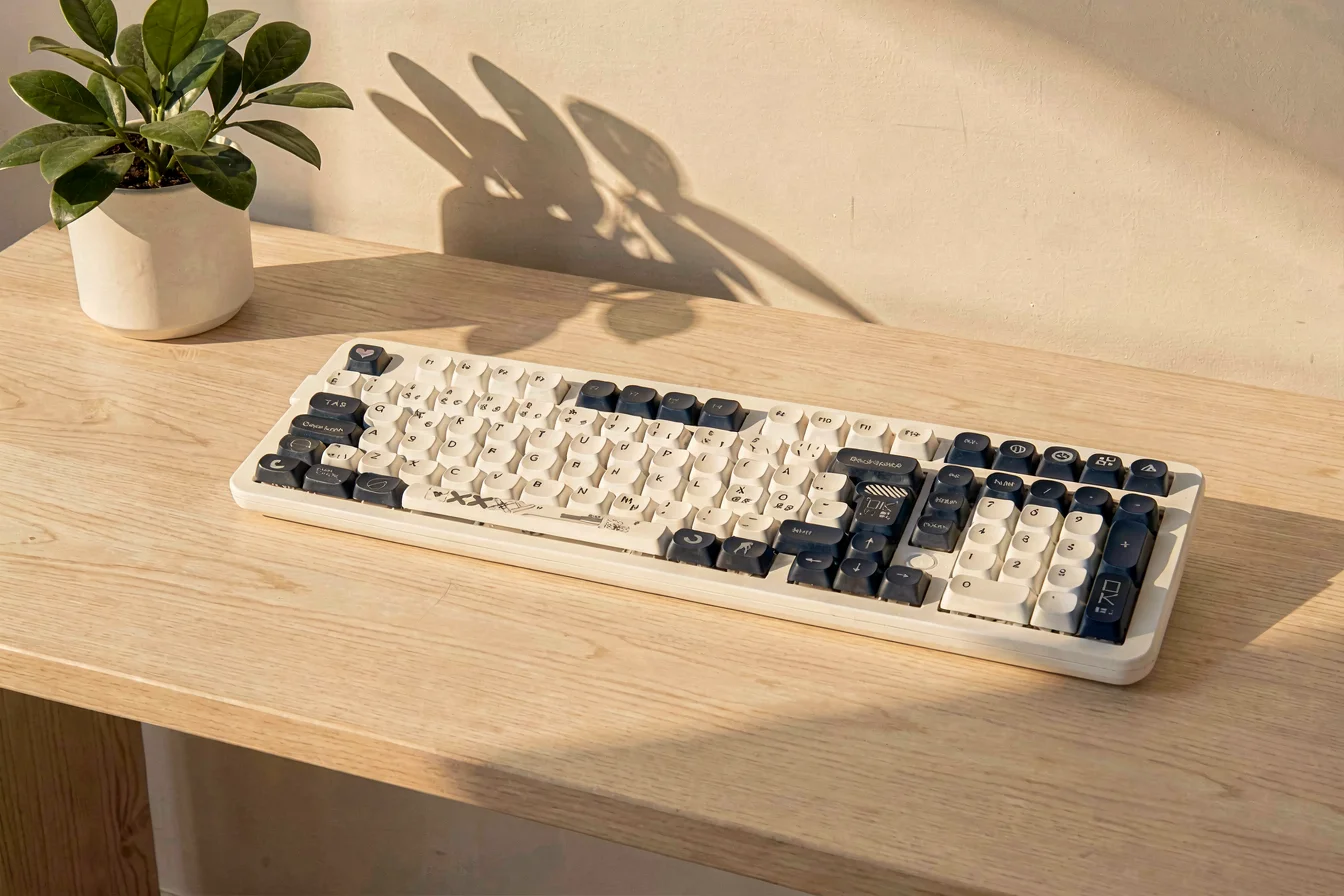
For international buyers, the nordic layout keyboard remains a niche, region-specific choice, optimized for linguistic needs in Nordic countries, while the US layout keyboard dominates global demand due to universal software compatibility, easier sourcing, and higher resale value. US Layout Keyboards are preferred for international business, programming, and gaming, whereas Nordic Layout Keyboards are best suited for buyers requiring native language support and regional customization. The procurement decision should prioritize compatibility, supply chain resilience, and long-term cost efficiency.
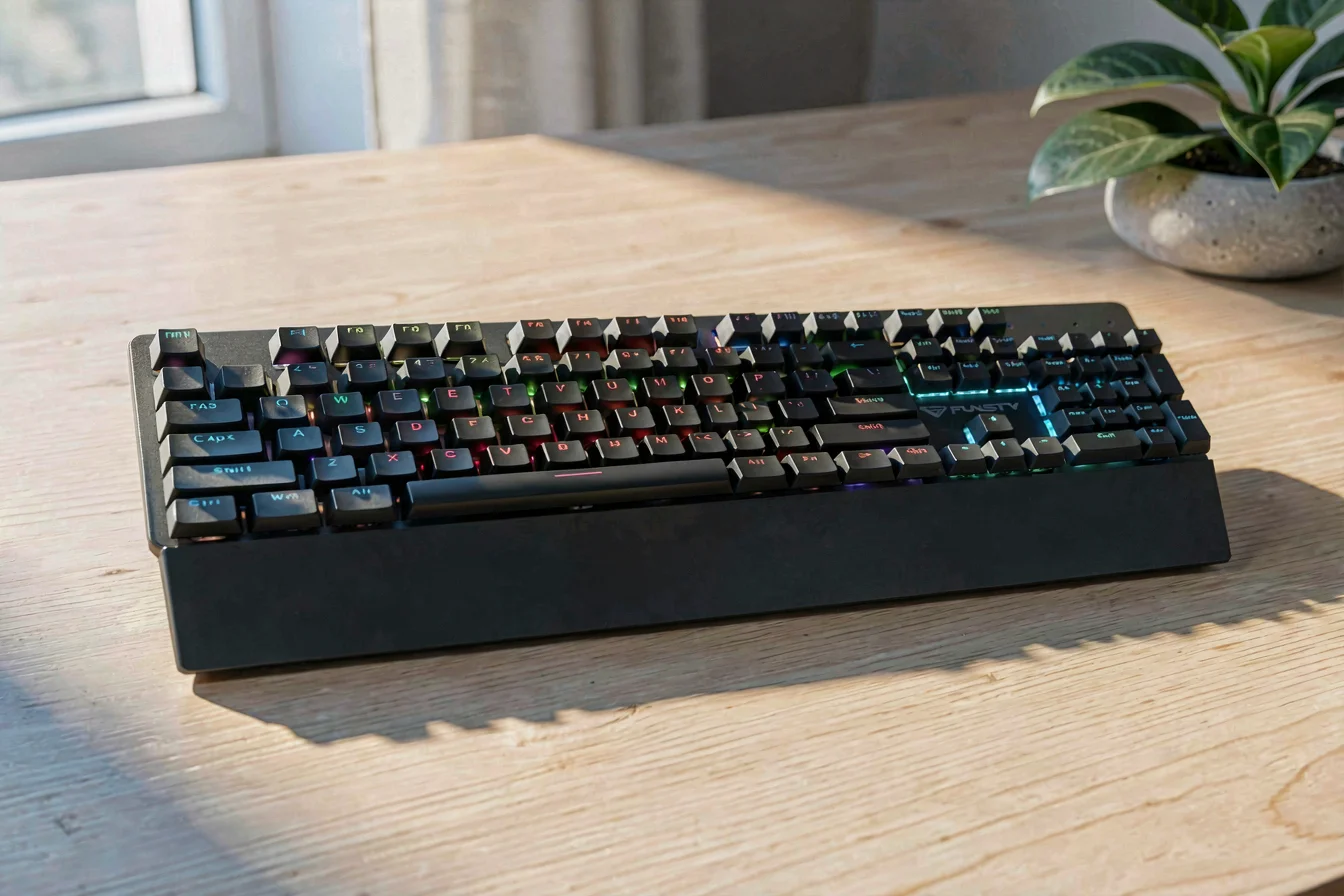
The nordic layout keyboard is engineered to support Nordic languages (Swedish, Danish, Norwegian, Finnish), featuring unique placements for letters like Å, Ä, Ö, and regional symbols, making it indispensable for native users in these markets. The US layout keyboard , in contrast, is the global standard, prioritizing broad compatibility with software, gaming, and international business applications. This fundamental distinction shapes procurement logic: Nordic Layout Keyboards address language-specific pain points but limit universal usability, while US Layout Keyboards maximize compatibility and ease of sourcing.
Core differences include symbol placement, shortcut support, and ergonomic design. Nordic layouts often require additional key layers or software hacks for symbols like [] and |, leading to frequent usability complaints among non-Nordic users [3][7]. US layouts, with their standardized shortcut schemes, are universally recognized by software developers, making them the preferred choice for programming, gaming, and cross-border business operations. Technological innovations in both layouts include programmable keycaps, wireless connectivity, and international input methods, but US layouts benefit from broader OEM/ODM support and easier replacement parts.
| Feature | Nordic Layout Keyboard | US Layout Keyboard |
|---|---|---|
| Language Support | Swedish, Danish, Norwegian, Finnish | English, Spanish, French, etc. |
| Symbol Placement | Unique Nordic letters (Å, Ä, Ö) | Standard QWERTY |
| Software Compatibility | Requires software hacks for international use | Universal shortcut support |
| Supply Chain | Niche, limited regional supply | Global, abundant supply |
| Resale Value | Low outside Nordic countries | High globally |
| Customization | High for Nordic languages | Medium, supports multiple languages |
Nordic Layout Keyboards are indispensable for Nordic language users, but US Layout Keyboards deliver superior compatibility, supply chain resilience, and resale value for international buyers.
Durability is a critical procurement factor, especially for commercial buyers. Both nordic layout keyboard and US layout keyboard models typically use similar mechanical switches and keycap materials, but Nordic layouts may require specialized keycaps or software modifications, potentially increasing maintenance complexity. US layouts benefit from broader OEM support, making replacement parts and repairs more accessible and less costly.
In real-world applications, Nordic Layout Keyboards excel in environments where native language support is essential—such as schools, government offices, and businesses in Nordic countries. US Layout Keyboards dominate in international business, programming, gaming, and cross-border logistics, where universal shortcut support and compatibility are vital [3][7]. Buyers should consider application scenarios carefully: Nordic layouts may require additional training for non-native users, while US layouts minimize adaptation costs.
Long-term cost evaluation reveals that US Layout Keyboards have lower total cost of ownership (TCO), thanks to easier sourcing, lower maintenance, and higher resale value. Nordic Layout Keyboards may incur higher regional customization and replacement costs, especially outside their native markets.
| Cost Factor | Nordic Layout Keyboard | US Layout Keyboard |
|---|---|---|
| Initial Purchase Price | Moderate (region-specific) | Low (global standard) |
| Maintenance | Higher (custom keycaps, software hacks) | Low (easy parts sourcing) |
| Replacement Frequency | Higher (limited supply) | Lower (abundant supply) |
| Hidden Costs | Training, adaptation | Minimal |
| 5-Year TCO | Moderate–High | Low |
US Layout Keyboards deliver superior long-term cost efficiency, while Nordic Layout Keyboards may incur higher maintenance and adaptation costs outside their native regions.
Keyboard layout selection is increasingly urgent in a globalized business landscape, with buyers needing to match procurement choices to specific use cases. The nordic layout keyboard is essential for Nordic language environments, where native typing and official documentation require special characters. The US layout keyboard is the default for international business, programming, and gaming, offering seamless compatibility with global software.
Market trend data shows that urbanization, multi-generational living, and e-commerce growth are driving demand for US Layout Keyboards globally, while Nordic Layout Keyboards remain stable but niche [1].
Google Trends data confirms that US Layout Mechanical Keyboards consistently outpace Nordic Layout Mechanical Keyboards in search interest, with values ranging from 42 to 100 versus 9 to 17, respectively [1]. This indicates sustained global momentum for US Layout Keyboards, with spikes in demand during tech launches and gaming events.
Search Interest over Time
US Layout Keyboards maintain dominant search interest, confirming their global procurement viability, while Nordic Layout Keyboards remain stable but niche.
Reddit and TikTok discussions reveal contrasting user experiences between nordic layout keyboard and US layout keyboard . Nordic layouts are praised for native language support but criticized for usability challenges outside Nordic countries, with frequent complaints about shortcut conflicts and misplaced symbols [3][7]. US layouts are universally praised for compatibility and ease of adaptation, but face debates over regional customization and supply chain issues.
Case Study 1: A Nordic Layout Keyboard buyer on Reddit describes adapting to a custom Nordic layout for a smartphone, noting the need for double-tap and AltGr hacks to access special characters, but faces compatibility issues with Facebook Messenger and Microsoft OneNote [7].
"Cursor moves back after using special characters in OneNote, this is a known Microsoft bug when using external keyboard inputs and I have not been able to find a solution yet."
Case Study 2: A US Layout Keyboard buyer on Reddit discusses the challenges of switching from a German QWERTZ layout to US QWERTY, highlighting the ease of software adaptation and minimal muscle memory disruption, but noting occasional confusion with symbol placement [11].
"You can change the keyboard input type in OSX in the Keyboard Text Input settings. Add a new input source, select 'English -> British', and delete 'German'. You'd just have to rely on your muscle memory and not looking at the keyboard."
| Dimension | Nordic Layout Keyboard | US Layout Keyboard |
|---|---|---|
| Overall Satisfaction | High for Nordic users | High globally |
| Most Praised Feature | Native language support | Universal shortcut compatibility |
| Most Common Complaint | Symbol placement, software conflicts | Limited regional language support |
| Community Recommendation Rate | Moderate (region-specific) | High (global standard) |
Viral content themes include debates over US defaultism, regional layout usability, and the ease of software adaptation. Recurring debate points include the perceived "unfair advantage" of US layouts in programming and gaming, as well as cultural reception of regional customization [8][9].
US Layout Keyboards are universally recommended for international buyers, while Nordic Layout Keyboards are valued for their native language support but face usability challenges outside their region.
Buyers should begin by identifying their core needs through a checklist:
Tiered recommendations:
| Tier | Recommended Product | Key Reason |
|---|---|---|
| Budget-Friendly | US Layout Keyboard | Universal compatibility, low cost |
| Mid-Range | US Layout Keyboard | Wider supply, lower maintenance |
| Premium | Nordic Layout Keyboard | Native language support, regional customization |
Optimization tips:
Buyers should match their keyboard layout choice to their core needs, budget, and application requirements, prioritizing US Layout Keyboards for global compatibility and Nordic Layout Keyboards for native language support.
Synthesizing the insights, US Layout Keyboards dominate global procurement due to universal compatibility, supply chain resilience, and lower total cost of ownership. Nordic Layout Keyboards remain indispensable for Nordic language environments but face usability challenges outside their region. Forward-looking trends indicate continued growth in US Layout Keyboards, driven by international business expansion, programming, and gaming. Nordic Layout Keyboards will maintain stable demand in regional markets, but buyers should anticipate higher customization and maintenance costs.
Confident buyers should select US Layout Keyboards for international compatibility and supply chain efficiency, while Nordic Layout Keyboards remain the choice for native language support. Share your keyboard layout experiences, and commercial buyers should leverage wholesale platforms like Alibaba.com for optimal procurement and customization.