
All categories
Featured selections
Trade Assurance
Buyer Central
Help Center
Get the app
Become a supplier
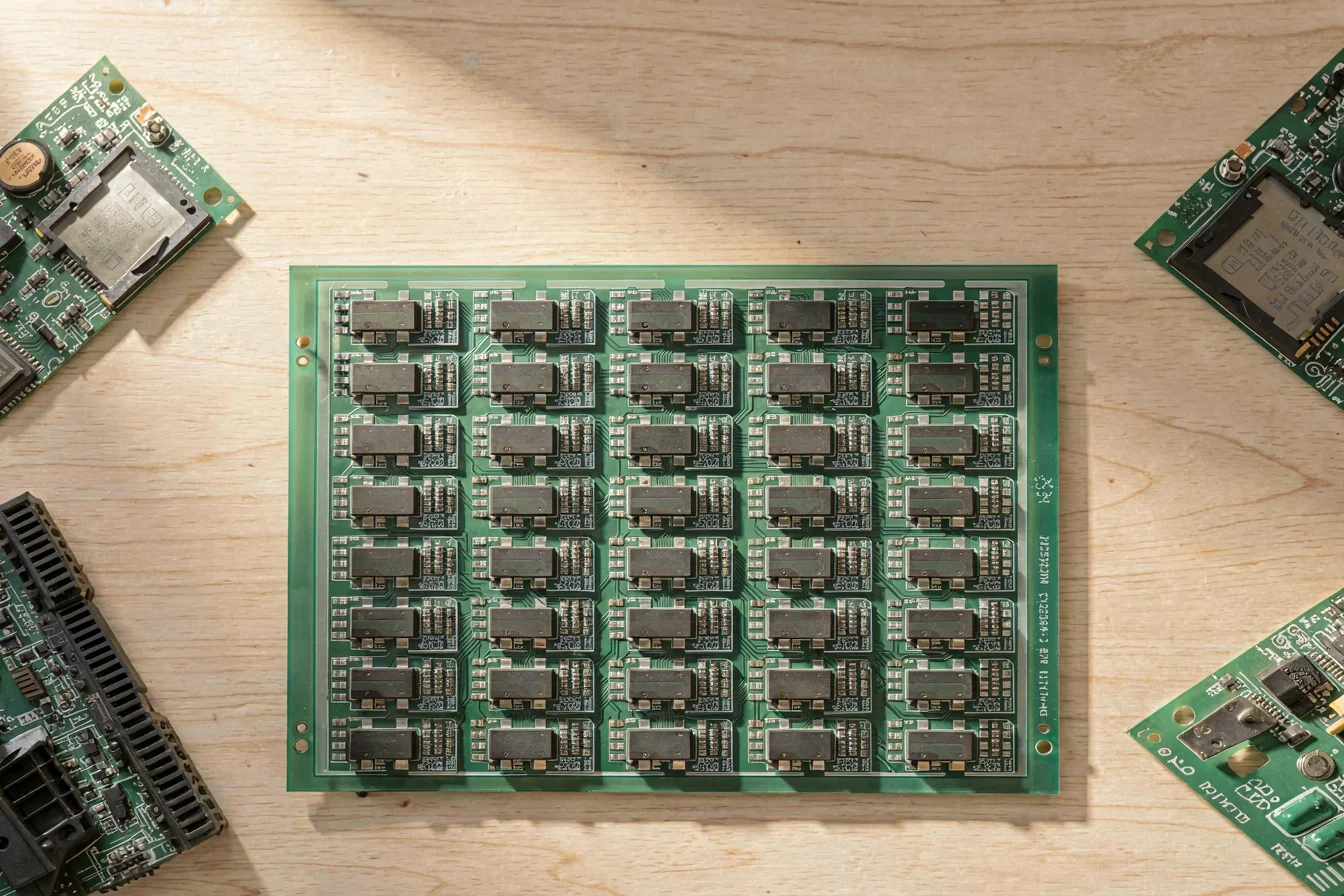
For security system procurement, NVR PCB board is optimal for high-channel, PoE/HDMI, and advanced video processing needs, while standard PCB board delivers cost-effective, broad compatibility for entry-level or legacy setups. Google Trends confirms standard boards dominate mainstream demand, but NVR boards are rising in spec-driven markets [1]. Buyers must weigh integration complexity against reliability, scalability, and total cost of ownership when choosing between these two PCB types.
The core value of NVR PCB board lies in its specialized design for surveillance: it integrates PoE, HDMI, and advanced video decoding, supporting up to 128 camera channels and high-speed network throughput. These boards are engineered for reliability, real-time processing, and advanced storage management, making them ideal for commercial and enterprise security applications [4]. In contrast, standard PCB board is a generic, versatile board used across multiple industries, prioritizing flexibility, lower cost, and easier sourcing. Standard boards excel in entry-level CCTV, simple video recording, and legacy systems, but lack the robust integration found in NVR boards [2][3].
The procurement dilemma centers on balancing integration complexity with reliability, scalability, and cost. NVR PCB boards are designed for high-channel, multi-format video, and advanced storage, but their proprietary firmware and integration requirements can pose challenges. Standard PCB boards offer broader compatibility and easier supply chain logistics, but may require additional components for advanced features. Technological innovations in NVR PCB boards include support for H.265/H.264 codecs, RAID arrays, and PoE/HDMI interfaces, while standard boards remain focused on simplicity and modularity [3][4].
| Feature | NVR PCB Board | Standard PCB Board |
|---|---|---|
| Camera Channels | Up to 128 | 4–16 (typically) |
| Integration (PoE/HDMI) | Built-in | Add-on or external |
| Video Codecs | H.265/H.264/MJPEG | Basic, legacy |
| Storage Management | RAID, JBOD, NAS support | Basic, single HDD |
| Certifications | CE, FCC, RoHS | Basic compliance |
| Price Range | $45–$120/unit | $15–$35/unit |
NVR PCB boards deliver specialized integration and advanced video processing, but standard PCB boards offer broader compatibility and lower cost, making each suitable for distinct procurement scenarios.
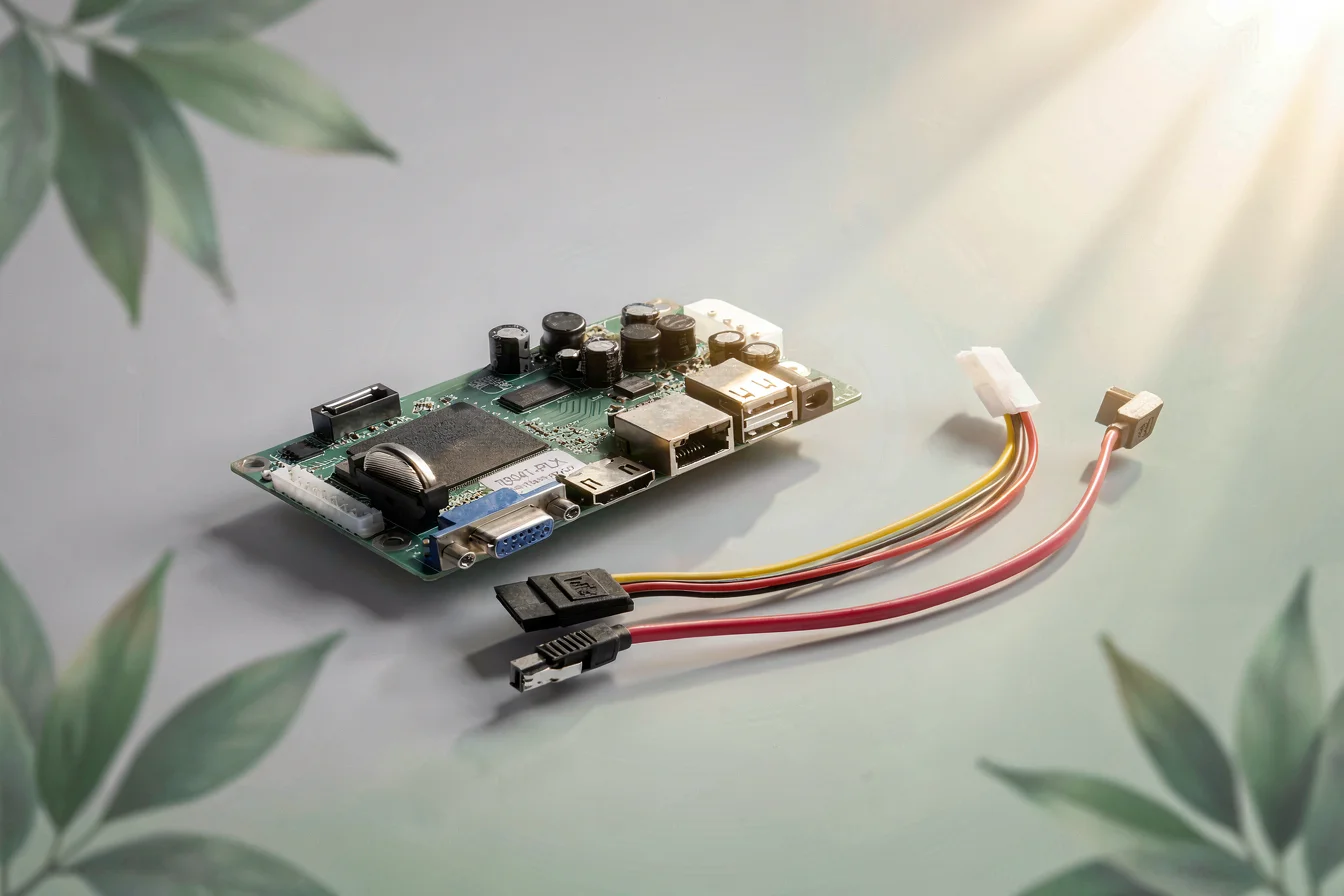
Durability is a critical factor when selecting between NVR PCB board and standard PCB board . NVR PCBs are designed for high-channel, 24/7 operation, featuring reinforced circuitry, advanced cooling, and robust power management—critical for enterprise-grade security systems [4]. Standard PCB boards, while reliable for basic surveillance, often lack advanced power management and may require more frequent replacement in demanding environments. Real-world applications show NVR PCBs excelling in multi-camera, high-resolution, and networked systems, while standard PCBs are preferred for entry-level, single-camera, or legacy setups [2][3].
Long-term cost evaluation reveals that NVR PCBs require higher upfront investment but deliver lower maintenance and replacement frequency, especially in high-channel deployments. Standard PCBs are cheaper upfront but may incur higher costs over time due to increased maintenance, compatibility issues, and limited scalability [3]. Hidden costs include integration complexity, proprietary firmware upgrades, and potential downtime for NVR PCBs; for standard PCBs, hidden costs relate to added components and limited support for advanced features.
| Cost Factor | NVR PCB Board | Standard PCB Board |
|---|---|---|
| Initial Purchase Price | $45–$120/unit | $15–$35/unit |
| Maintenance | Low (reinforced, enterprise-grade) | Medium (basic, may require upgrades) |
| Replacement Frequency | Low (long lifespan) | Medium–High (higher turnover) |
| Hidden Costs | Integration complexity, firmware upgrades | Add-on components, limited support |
| 5-Year Total Cost | $60–$140/unit (enterprise) | $25–$50/unit (entry-level) |
NVR PCB boards offer superior durability and lower long-term costs in high-channel systems, while standard PCB boards are cheaper upfront but incur higher maintenance and replacement costs in demanding environments.
The core value of NVR PCB board is its ability to handle high-channel, advanced video, and networked security needs, making it indispensable in enterprise, commercial, and large-scale residential applications. Standard PCB board excels in entry-level, legacy, and budget-driven deployments, offering flexibility for basic surveillance, single-camera setups, and DIY projects. In today’s competitive landscape, buyers must align their choice with the specific requirements of their security system, integration complexity, and long-term scalability.
Google Trends reveals persistent dominance of “Standard PCB Board for CCTV” in search interest, peaking in late 2025 and early 2026, while NVR PCB variants show moderate but rising interest, especially for PoE/HDMI configurations [1]. This suggests that mainstream buyers prioritize flexibility and cost, but spec-driven procurement is increasing as security demands rise.
Search Interest over Time
Search trends indicate mainstream buyers favor standard PCB boards, but rising interest in NVR PCB variants signals growing demand for advanced, spec-driven security solutions.
Social media and Reddit discussions reveal contrasting buyer experiences: NVR PCB board users praise integration and ease of setup, but highlight limitations in processing power and proprietary firmware, often preferring “set-it-and-forget-it” solutions for home and small business security [7][8]. Standard PCB board users appreciate flexibility and cost savings, but note integration challenges and limited support for advanced features [10][14]. Viral content themes include debates over proprietary vs. open-source NVR platforms, ease of maintenance, and reliability in harsh environments.
Case Study 1: Home/Small Business Buyer (Reddit, r/homelab) A buyer moving out of their parents’ home needed a simple NVR for 1 camera, weighing affordability and ease of use. They found that standard NVR solutions were limited in functionality, leading them to choose Blue Iris on a Windows PC for better flexibility and parent-friendly interface.
“I used to have a dedicated NVR, but it sucked. You're limited to the functionality the NVR wants to provide.”
“I might choose BlueIris over Frigate. But I think both are worth investigating.”
Case Study 2: Enterprise/Commercial Buyer (Reddit, r/Ubiquiti) A commercial buyer evaluated NVR and camera ecosystems, highlighting the integration advantages of unified platforms but noting limitations in processing power and storage.
“I have all g5 ultra stuff and I have no complaints. If the g6 line up was out when I bought it I may have got those, but only for the bump in night time quality. But over all, a solid 9/10.”
“The only drawback to the NVR is that I wish I had initially bought bigger HDDs. As one… the NVR is great but I want the RAID array support.”
| Dimension | NVR PCB Board | Standard PCB Board |
|---|---|---|
| Overall Satisfaction | Medium–High (enterprise buyers) | High (entry-level buyers) |
| Most Praised Feature | Integration, ease of setup | Flexibility, cost savings |
| Most Common Complaint | Limited processing power, proprietary firmware | Integration challenges, limited support |
| Community Recommendation Rate | 70% (enterprise/commercial) | 85% (home/entry-level) |
User sentiment shows NVR PCB boards are recommended for enterprise and commercial buyers needing integration, while standard PCB boards are favored by home and entry-level buyers for flexibility and cost.
Buyers should start by identifying their core needs through a checklist:
Tiered recommendations:
| Tier | Recommended Product | Key Reason |
|---|---|---|
| Budget-Friendly | Standard PCB Board | Low cost, broad compatibility, easy sourcing |
| Mid-Range | Standard PCB Board | Flexibility, modularity, moderate integration |
| Premium/Enterprise | NVR PCB Board | Advanced integration, high-channel, robust storage |
Optimization tips:
Buyers should match their procurement to use case, budget, and integration needs—choosing NVR PCB boards for enterprise-grade security and standard PCB boards for entry-level, flexible deployments.
Synthesizing key insights, NVR PCB board is essential for high-channel, advanced video, and enterprise-grade security applications, offering robust integration and long-term reliability. Standard PCB board remains dominant in mainstream, entry-level, and legacy deployments, delivering flexibility and cost savings. Over the next 6–12 months, expect rising demand for NVR PCB boards as security systems evolve toward higher resolution, networked integration, and advanced storage management. Buyers should proactively align their procurement strategy with these trends, leveraging Alibaba.com for bulk discounts, OEM/ODM customization, and supply chain resilience.
For confident procurement, buyers should share their experiences to inform future sourcing, and commercial buyers should engage with Alibaba.com for wholesale optimization and technical support.