
All categories
Featured selections
Trade Assurance
Buyer Central
Help Center
Get the app
Become a supplier
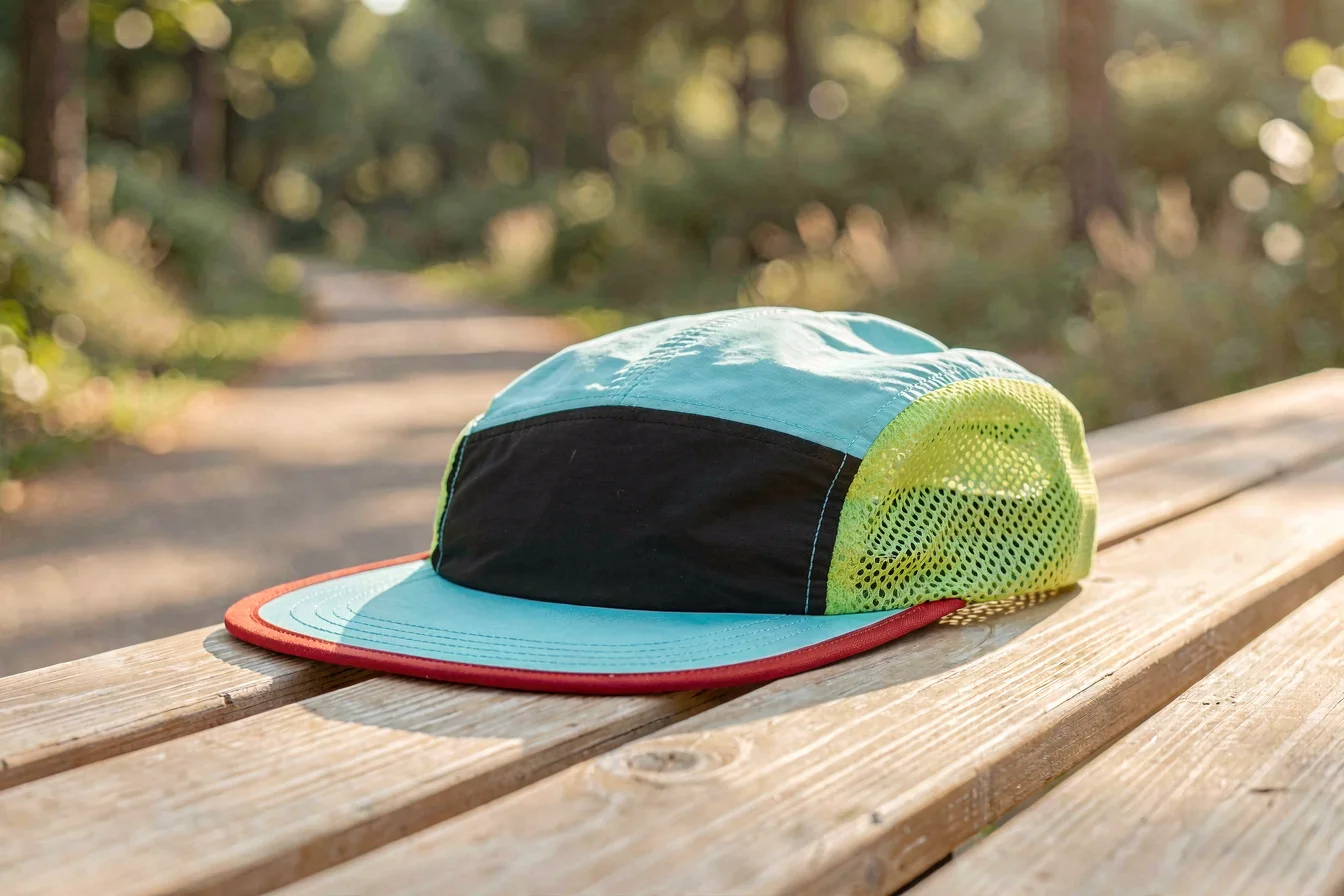
Nylon running caps offer superior moisture management, durability, and breathability, making them ideal for high-intensity, hot-weather running and long-term performance needs. Cotton running caps excel in comfort and sentimental value for casual or family use but are less durable and prone to sweat absorption. Buyers should prioritize nylon for active wear and cotton for sensitive skin or tradition-driven applications.
The running cap market is split between nylon and cotton, each addressing distinct procurement pain points for performance and comfort. Nylon running caps are engineered for moisture management, quick drying, and durability—critical for runners in hot or humid climates, or those with high-intensity training routines. Cotton running caps, on the other hand, are favored for their softness, breathability, and sentimental value, making them ideal for casual use, family memorabilia, or sensitive skin. The urgency to choose the right material stems from the need to optimize performance, reduce maintenance, and maintain product integrity over time.
Technological innovations in nylon include advanced mesh panels and sweat-wicking technology, while cotton caps are often upgraded with antimicrobial treatments or blended with polyester for improved durability. Traditional challenges for nylon include poor water absorption and dimensional instability, while cotton struggles with shrinkage, wrinkling, and salt stains after repeated washing. The procurement dilemma centers on matching material properties to the end-use scenario and balancing performance with comfort.
| Feature | Nylon Running Cap | Cotton Running Cap |
|---|---|---|
| Moisture Management | Quick-drying, sweat-wicking, resists salt stains | Absorbs sweat, dries slowly, prone to salt stains |
| Durability | High abrasion resistance, rainproof, long-lasting | Prone to shrinkage, wrinkling, lower abrasion resistance |
| Comfort | Lightweight, sporty, less soft | Soft, breathable, comfortable for sensitive skin |
| Breathability | Mesh panels, good airflow, UV resistance | Natural breathability, not as effective in high heat |
| Maintenance | Easy to clean, low maintenance | Requires frequent washing, may need restoration |
| Sentimental Value | Less common, more functional | High, especially for family memorabilia |
Nylon running caps outperform cotton in durability, moisture management, and maintenance, making them ideal for performance-driven buyers, while cotton running caps remain preferred for comfort and sentimental use.
Durability is a critical factor in running cap procurement, with nylon caps offering superior resistance to abrasion, rain, and UV exposure—making them suitable for year-round use and high-intensity training[2][3]. Cotton caps, while comfortable, are more susceptible to shrinkage, wrinkling, and salt stains after repeated washing, requiring more frequent replacement and maintenance[3]. Application scenarios dictate the optimal choice: nylon excels in hot, humid, or rainy conditions, while cotton is best suited for cooler weather, casual wear, or sensitive skin.
Long-term cost evaluation reveals that nylon caps, despite often being slightly more expensive upfront, deliver lower total cost of ownership over five years due to their longevity and minimal maintenance needs. Cotton caps, while cheaper, may require more frequent replacement, especially for high-use runners. Hidden costs include odor management, salt stains, and restoration after washing.
| Cost Factor | Nylon Running Cap | Cotton Running Cap |
|---|---|---|
| Initial Purchase Price | $12–$40 | $10–$35 |
| Maintenance | Low (rare washing, quick-dry) | High (frequent washing, restoration) |
| Replacement Frequency | Low (lasts 2–5 years) | Medium (lasts 1–3 years) |
| Hidden Costs | Minimal odor, salt stains | Odor, salt stains, restoration |
| 5-Year Total Cost | $20–$50 | $25–$70 |
Nylon running caps deliver lower long-term costs and higher durability, while cotton running caps require more frequent replacement and maintenance, especially for high-use scenarios.
The running cap market is shaped by urbanization, the rise of e-commerce, and multi-generational traditions. Nylon running caps are increasingly favored for their performance attributes, while cotton running caps maintain a strong presence in casual wear and event memorabilia. Buyers must align their choice with specific use cases and environmental demands.
Market trend data from Google Trends shows cotton running caps consistently outperform nylon in search volume, especially from late 2025 to early 2026, indicating strong consumer interest for casual and sentimental use[1]. Nylon running caps are trending upward for performance-oriented buyers.
Google Trends analysis reveals distinct search patterns: cotton running caps maintain higher search interest, but nylon running caps show steady growth, especially during peak running seasons. Actionable insight: Buyers should prioritize nylon for performance-driven procurement, while cotton remains dominant for casual, tradition-based markets.
Search Interest over Time
Cotton running caps consistently outpace nylon in search interest, reflecting their broad appeal, but nylon is gaining traction for performance-oriented buyers.
Social media and Reddit discussions reveal nuanced perspectives on nylon and cotton running caps. Nylon caps are praised for their lightweight feel, quick-drying properties, and durability—especially for marathon and long-distance runners. Cotton caps are valued for comfort, breathability, and sentimental value, but criticized for getting heavy, absorbing sweat, and developing salt stains after repeated use.
Case Study 1: A marathon runner in r/XXRunning recommends a Melin Pace nylon cap for its lightweight feel and durability: “Melin pace will last your years!!” and “I finally bit the bullet on a Melin Pace and it’s been worth it. It’s lightweight, doesn’t get those gross salt stains, and the fit is super clean for short hair since it isn’t bulky at all.”[10]
Case Study 2: A family runner in r/RunNYC shares the sentimental value of a cotton running cap: “My Dad gave me his NYRR cap from his first NYC marathon. I will be wearing it next year when I run my first NYC marathon in 2026.” Community responses highlight the importance of tradition and comfort: “wild how that merch is from 45 years ago and it’s way better than the merch from last month.”[9]
“Ciele caps are everywhere, and that's fine. They are cool and totally okay. I've spent my whole running life with random caps they give me from conventions... I'm looking for something good, lightweight, easy to wash, and rainproof.” [8]
“I run with this gripgrap cap, I can recommend it. https://www.gripgrab.com/collections/hats-caps/products/aquashield-waterproof-cycling-cap?variant=43265467121916” [10]
| Dimension | Nylon Running Cap | Cotton Running Cap |
|---|---|---|
| Overall Satisfaction | High for performance, moderate for tradition | High for comfort, moderate for durability |
| Most Praised Feature | Lightweight, quick-dry, durability | Softness, breathability, sentimental value |
| Most Common Complaint | Less soft, less traditional | Heavy when wet, salt stains, shrinkage |
| Community Recommendation Rate | High for marathon and high-intensity | High for casual, family, tradition |
Viral content themes include debates on sweat management, durability, and sentimental value. Recurring debate points: “Is running in cotton really better than nylon for hot weather?” and “Should you wear your family’s old cotton cap during a marathon or save it for tradition?” Cultural reception: Nylon caps are increasingly seen as “performance gear,” while cotton caps remain symbols of tradition and nostalgia.
Nylon running caps are strongly recommended for performance, while cotton running caps are cherished for comfort and tradition, with social media amplifying both strengths and weaknesses.
Buyers should start by clarifying their core needs through a checklist: primary use case (performance vs. casual), budget range, must-have vs. nice-to-have features, and sensitivity to material properties. Nylon running caps are best for high-intensity, hot-weather, and travel-oriented use, while cotton running caps excel in comfort and sentimental value.
| Tier | Recommended Product | Key Reason |
|---|---|---|
| Budget-Friendly | Cotton Running Cap | Low cost, comfort, softness |
| Mid-Range | Nylon Running Cap | Performance, durability, quick-dry |
| Premium | Nylon Running Cap with Mesh Panels | Maximum breathability, moisture management |
Optimization tips: Buy nylon running caps in early spring or late fall for best prices; bundle with other running gear for discounts; prioritize mesh panels and sweat-wicking technology for performance. Avoid cotton caps for high-intensity or hot-weather running to prevent salt stains and heavy sweat absorption. Common mistakes: choosing cotton caps for marathon training, neglecting mesh panels for breathability, and underestimating maintenance needs.
Buyers should match their running cap choice to their primary use case, budget, and material sensitivity, prioritizing nylon for performance and cotton for comfort or tradition.
Synthesizing key insights, nylon running caps are increasingly favored for performance, durability, and moisture management, especially in hot, humid, or rainy climates. Cotton running caps remain dominant in casual, tradition-driven, and sentimental markets. Forward-looking trend: expect continued innovation in nylon cap technology, including lighter materials, advanced mesh panels, and sweat-wicking features. Cotton caps will remain relevant for comfort and family memorabilia, with buyers seeking blends for improved durability.
Emotional call-to-action: Share your running cap experiences and recommendations with the community to drive innovation and help others make informed choices. Commercial buyers should explore wholesale platforms like Alibaba.com for bulk procurement, leveraging OEM/ODM support to customize running caps for specific performance or tradition-driven needs.
Confident buyers should prioritize nylon running caps for performance and cotton running caps for comfort or tradition, with future trends pointing toward advanced nylon technologies and continued cotton relevance for sentimental and casual use.