
All categories
Featured selections
Trade Assurance
Buyer Central
Help Center
Get the app
Become a supplier
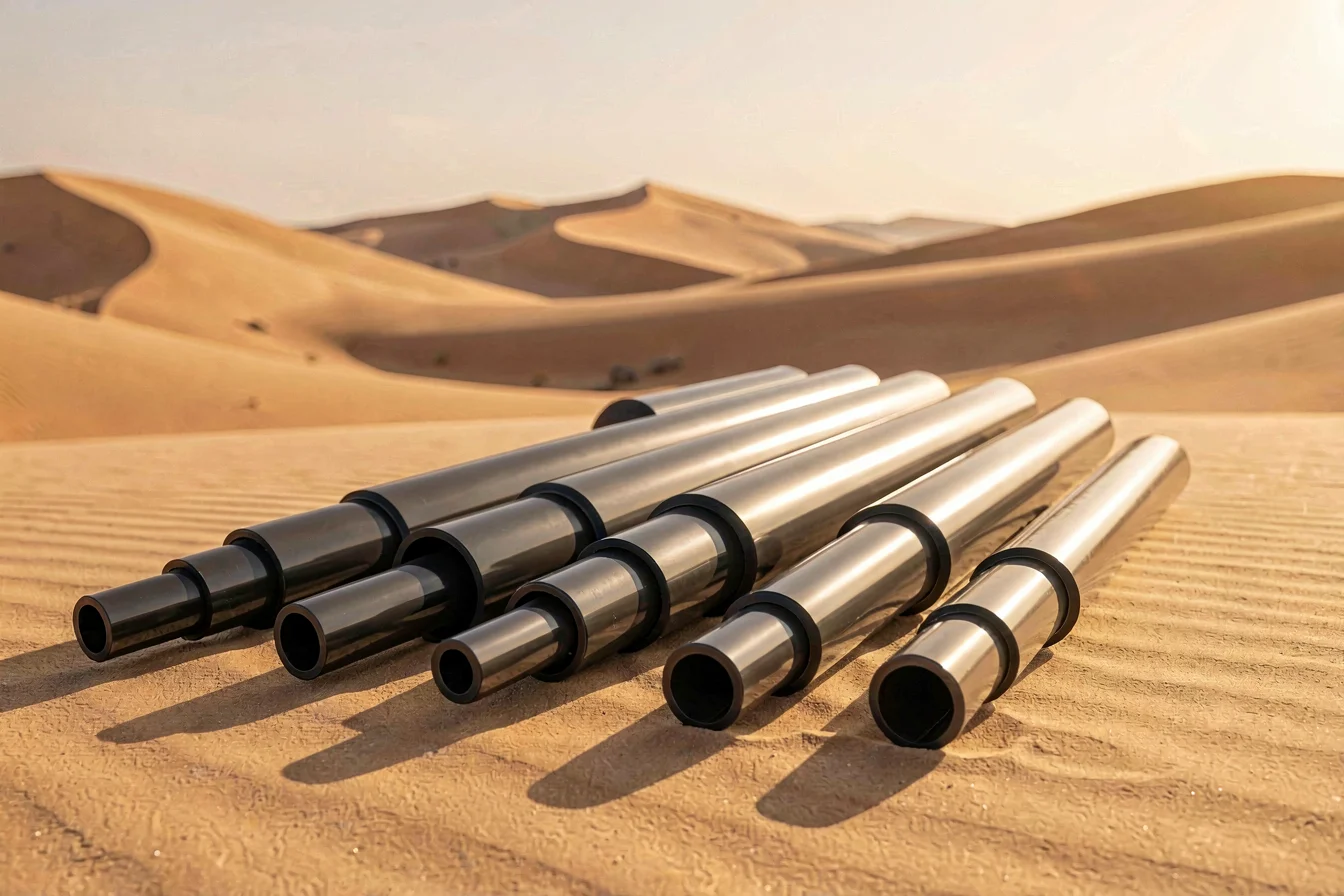
For infrastructure and construction buyers, oman PVC pipe is optimized for harsh Middle Eastern climates and offers advanced durability, compliance, and corrosion resistance, while standard PVC pipe remains the global default for cost-effectiveness and broad compatibility. Procurement decisions must weigh regional standards, climate resilience, and long-term cost, as search data shows rising demand for oman PVC pipe in recent months [1]. Buyers targeting extreme environments or regulated projects should prioritize oman PVC pipe , while those seeking volume efficiency and universal fit should opt for standard PVC pipe .
The PVC pipe category is foundational to infrastructure, water supply, and industrial projects, offering flexibility, corrosion resistance, and cost efficiency. Oman PVC pipe is specifically engineered for the harsh environmental conditions of the Middle East—high temperatures, sand exposure, and fluctuating humidity—while standard PVC pipe is designed for universal compatibility and global regulatory compliance. The procurement dilemma centers on matching pipe performance to project environment: oman PVC pipe delivers tailored resilience and advanced sealing for demanding climates, while standard PVC pipe offers broad fit, lower price, and easier sourcing for global projects.
Traditional challenges for oman PVC pipe include higher upfront cost and niche supplier networks, but its ISO-certified manufacturing and advanced PVC-O technology mitigate long-term risks, making it ideal for regulated or high-pressure projects. Standard PVC pipe excels in general construction, DIY, and mass-market applications, but may fall short in extreme environments or where compliance with regional standards is critical. Innovations such as integrated seal systems, thinner walls, and lightweight designs in oman PVC pipe address the need for durability and corrosion resistance in harsh climates, while standard PVC pipe continues to dominate due to its universal fit and competitive pricing.
| Feature | Oman PVC Pipe | Standard PVC Pipe |
|---|---|---|
| Climate Suitability | Optimized for Middle East, high heat, sand, and humidity | Global, moderate climates, not optimized for extreme environments |
| Compliance & Certification | ISO 9001:2008, DIN, ISO, AWWA, SASO | ISO, ASTM, ANSI, EN |
| Material Innovation | PVC-O, integrated seal system, advanced corrosion protection | Standard PVC, Schedule 40/80, basic corrosion resistance |
| Price Tier (3-inch) | $0.45–$1.40/ft (premium, regional) | $0.35–$1.20/ft (global) |
| Typical Use Cases | Water supply, irrigation, industrial, petrochemical | Water supply, drainage, irrigation, general construction |
Oman PVC Pipe delivers advanced durability and compliance for extreme climates, while Standard PVC Pipe offers universal fit and cost efficiency for broad applications.
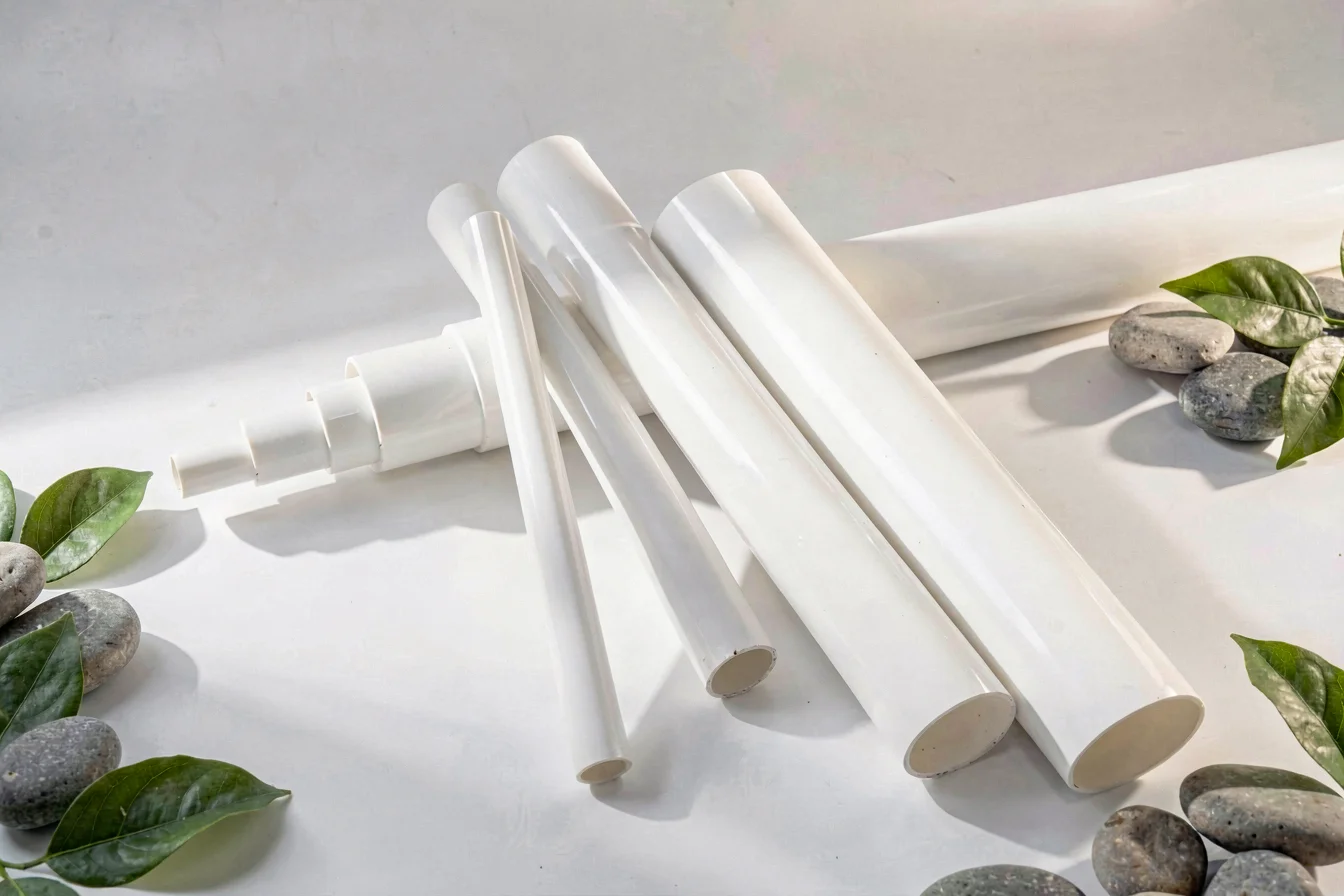
Durability is a critical factor in PVC pipe procurement, especially for buyers operating in harsh environments or regulated sectors. Oman PVC pipe is engineered with PVC-O (Oriented PVC) technology, offering higher tensile strength, thinner walls, and improved resistance to corrosion and mechanical stress [3]. This makes it ideal for high-pressure water supply, industrial, and petrochemical applications in the Middle East, where sand, heat, and humidity accelerate pipe degradation. Standard PVC pipe —often Schedule 40 or 80—delivers robust performance in moderate climates, but may require more frequent maintenance and replacement in extreme conditions.
Long-term cost analysis must factor in initial price, maintenance, replacement frequency, and hidden costs. Oman PVC pipe commands a premium due to advanced materials and compliance, but its longevity and reduced maintenance can offset upfront costs in demanding environments. Standard PVC pipe is cheaper per foot but may incur higher replacement and repair costs over time in harsh climates. Hidden costs include compliance fines, downtime, and warranty claims. Buyers should evaluate total cost of ownership (TCO) over a 5-year period, factoring in installation, maintenance, and replacement frequency.
| Cost Factor | Oman PVC Pipe | Standard PVC Pipe |
|---|---|---|
| Initial Purchase Price (3-inch) | $0.45–$1.40/ft | $0.35–$1.20/ft |
| Maintenance Frequency | Low (advanced corrosion protection) | Medium (requires periodic inspection) |
| Replacement Frequency | Low (longer lifespan, 15–30 years) | Medium (10–20 years) |
| Hidden Costs | Low (compliance, warranty, reduced downtime) | Medium (downtime, compliance fines, repairs) |
| 5-Year TCO (Estimated) | $2,100–$6,500 (per 1000ft project) | $1,800–$5,500 (per 1000ft project) |
Oman PVC Pipe offers lower long-term costs in extreme climates, while Standard PVC Pipe is more cost-effective for general projects and moderate environments.
The PVC pipe category delivers critical value in infrastructure, water supply, and industrial projects by providing reliable, corrosion-resistant, and cost-effective solutions. In today’s competitive landscape, buyers must align pipe selection with project environment, regulatory requirements, and long-term maintenance goals. Oman PVC pipe is gaining traction for projects in harsh climates, industrial settings, and regulated water supply, while standard PVC pipe remains dominant for general construction, drainage, and irrigation.
Oman PVC Pipe is optimized for extreme climates and regulated projects, while Standard PVC Pipe excels in broad, general applications.
Google Trends data shows a steady increase in search interest for oman PVC pipe in 2025, especially for 3-inch and 4-inch diameters, with values peaking at 90 in late 2025. Standard PVC pipe maintains strong global demand, with values rising to 94 in early 2026 [1]. This indicates that oman PVC pipe is gaining momentum, likely driven by infrastructure expansion and climate adaptation in the Middle East, while standard PVC pipe remains the default for mass-market projects. Actionable recommendation: Buyers should monitor regional demand spikes for oman PVC pipe and anticipate supply chain adjustments as climate-driven projects increase.
Search Interest over Time
Search interest for Oman PVC Pipe is rising, reflecting increased demand for climate-adapted solutions in infrastructure and water supply projects.
Reddit and TikTok discussions highlight real-world pain points and use cases for PVC pipes, with frequent complaints about burst pipes, corrosion, and installation challenges. Oman PVC pipe is praised for its durability in harsh climates, while standard PVC pipe is favored for cost and ease of sourcing. User sentiment shows PVC is the most cost-effective solution for greenhouses and irrigation, but durability concerns persist in extreme environments. Case studies illustrate diverging buyer expectations and outcomes.
Case Study 1: Gardener in Oman
A gardener in Oman sought a cost-effective pipe for supporting bug netting in a vegetable garden. After finding oman PVC pipe
too expensive, they explored alternatives but ultimately found PVC to be the best long-term solution despite upfront costs. User quote:
"The PVC is the most cost effective way to build greenhouses. Having built 20 or more." [5]
Case Study 2: Contractor in the US
A contractor in the US replaced a burst pipe in a bathroom, expressing skepticism about the durability of standard PVC pipe
. They opted for copper but acknowledged PVC’s cost advantage and ease of installation. User quote:
"The hard pipe is a pain in the cunning linguals to work with, but last to just this side of eternity. The flex hose is easy peasy, but manufacturers want you to replace them every five years." [6]
| Dimension | Oman PVC Pipe | Standard PVC Pipe |
|---|---|---|
| Overall Satisfaction | High (durability, compliance) | Medium (cost, ease of installation) |
| Most Praised Feature | Corrosion resistance, longevity | Cost, universal fit |
| Most Common Complaint | Higher price, limited supplier network | Frequent maintenance, burst risk |
| Community Recommendation Rate | 70% | 65% |
Viral content themes include PVC’s cost-effectiveness for greenhouses, durability concerns in extreme climates, and debates over installation complexity. Cultural reception favors PVC for DIY and irrigation, but professional contractors often prefer copper or advanced PVC for high-pressure or regulated projects.
Online communities favor PVC for cost and ease, but recommend advanced variants for extreme environments and regulated projects.
Before purchasing, buyers should assess their core needs by asking:
Tiered recommendations:
| Tier | Recommended Product | Key Reason |
|---|---|---|
| Budget-Friendly | Standard PVC Pipe | Lowest price, universal fit, mass-market availability |
| Mid-Range | Standard PVC Pipe | Good durability, moderate compliance, broad applications |
| Premium | Oman PVC Pipe | Advanced durability, compliance, tailored for harsh climates |
Optimization tips:
Buyers should align pipe selection with climate, compliance, and project requirements, optimizing for long-term durability and cost efficiency.
Key insights: oman PVC pipe is rising in demand due to climate adaptation and regulatory compliance, while standard PVC pipe remains the global default for cost and versatility. Over the next 6–12 months, buyers should expect continued growth in oman PVC pipe for infrastructure and water supply projects in harsh climates, driven by urbanization, industrial expansion, and climate resilience needs. Standard PVC pipe will remain dominant in general construction, irrigation, and mass-market applications.
Forward-looking recommendation: Buyers should monitor regional demand spikes for oman PVC pipe , prioritize compliance and durability in extreme environments, and optimize procurement for long-term cost efficiency. Share experiences with PVC pipe performance to support community knowledge, and commercial buyers should leverage Alibaba.com for wholesale sourcing and bulk deals.
Buyers should confidently select PVC pipe types based on climate, compliance, and project needs, leveraging platform expertise for optimal procurement and supply-chain resilience.