
All categories
Featured selections
Trade Assurance
Buyer Central
Help Center
Get the app
Become a supplier
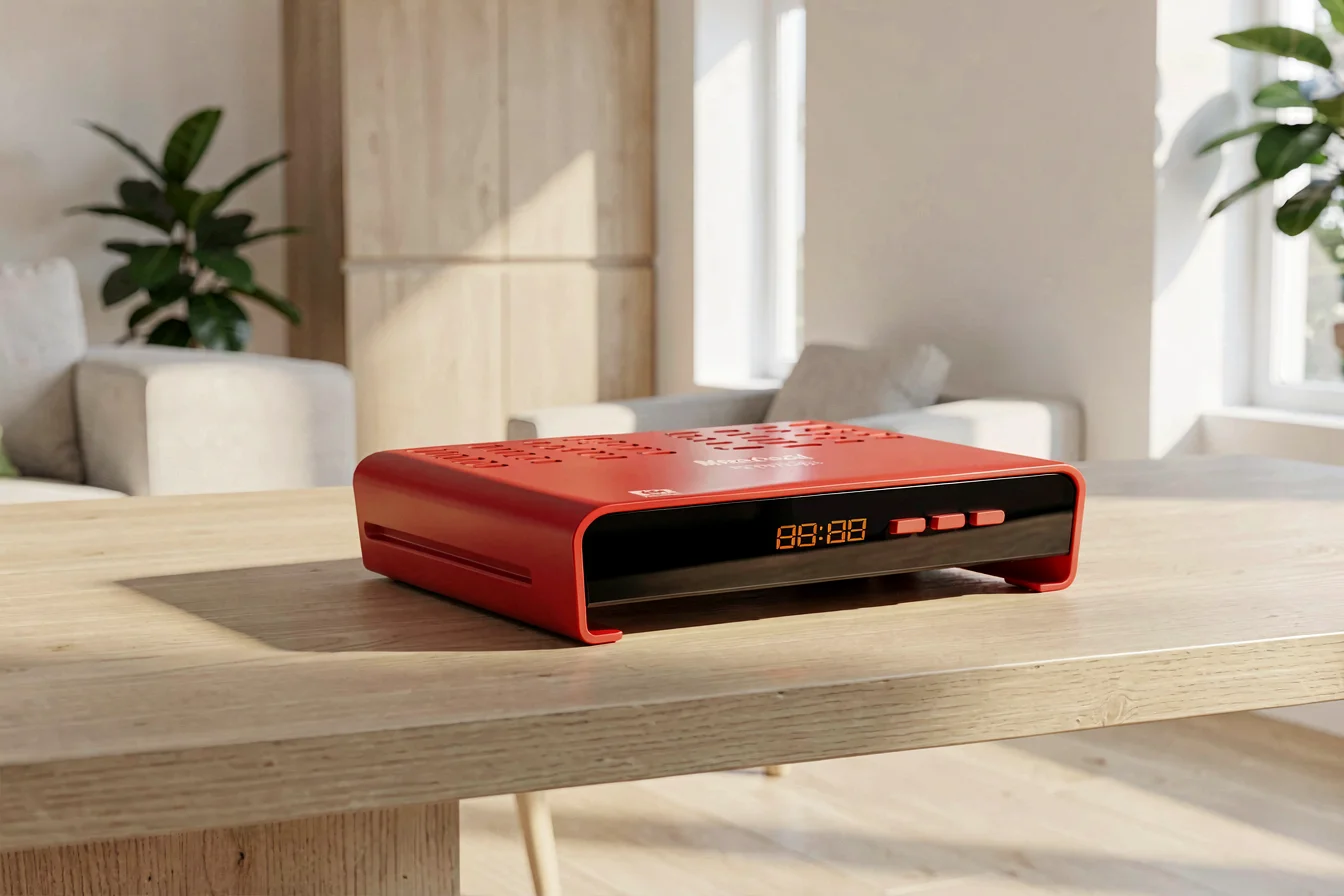
For buyers evaluating openbox digital satellite receiver against other digital satellite receiver brands , Openbox stands out for its programmable channel flexibility, multi-code support, and cost advantage, while brands like Strong and Humax lead in advanced decoding and global search momentum[1][2][3][4]. Procurement logic favors Openbox for budget deployments, but Strong and Humax offer superior ecosystem support and higher-end features. The decision should hinge on channel diversity, firmware upgradeability, and long-term support needs, with rising global demand for advanced decoding and multi-platform compatibility[1].
The digital satellite receiver category delivers critical value through reliable channel access, multi-platform compatibility, and programmable flexibility, targeting both B2C consumers and B2B installers. The openbox digital satellite receiver is positioned as a budget-friendly, programmable solution with wide-ranging multi-code support (BISS, VIACCESS, CryptoWorks, MediaGuard, Irdeto, CONAX, Nagravision) and up to 4,000 programmable channels, appealing to buyers seeking cost-effective deployments with high channel diversity[2][3]. In contrast, leading brands like Strong and Humax are favored for advanced decoding (MPEG-4, H.264, H.265), higher search volume, and broader ecosystem integration, addressing pain points around premium channel access, firmware updates, and support[1].
The urgency for an informed decision is heightened by rapid market shifts toward advanced decoding and multi-platform compatibility, with buyers needing to balance price, support, and ecosystem integration. Openbox’s core innovation lies in its programmable channel flexibility and multi-code support, while competitors offer superior decoding and integration for high-end use cases. Limitations include occasional gaps in premium channel support and firmware updates for Openbox, and higher price points for Strong and Humax.
| Feature | Openbox Digital Satellite Receiver | Other Digital Satellite Receiver Brands |
|---|---|---|
| Channel Programmability | Up to 4,000 programmable channels | Variable, often 2,000–3,000 channels |
| Multi-code Support | BISS, VIACCESS, CryptoWorks, MediaGuard, Irdeto, CONAX, Nagravision | Varies by brand, typically includes major codes |
| Advanced Decoding | MPEG-2, MPEG-1, Dolby Digital | MPEG-4, H.264, H.265 (Strong/Humax) |
| Firmware Upgradeability | Software upgrade via RS-232C, OTA | OTA and remote support (Strong/Humax) |
| Price Range | $35–$99.95 | $50–$150+ |
| Support & Warranty | 12 months motherboard warranty | Varies, often 12–24 months |
Openbox excels in programmable channel flexibility and multi-code support, while Strong and Humax lead in advanced decoding and ecosystem integration.
Durability is a critical factor in satellite receiver procurement, with buyers seeking reliable performance over time and minimal maintenance. The openbox digital satellite receiver is engineered for long-term reliability, featuring robust programmability, channel switching, and multi-code support, but some buyers report occasional issues with premium channel access and firmware updates[2][3]. Application scenarios vary: Openbox is ideal for budget deployments, multi-platform setups, and programmable channel environments, while Strong and Humax receivers are preferred for high-end decoding, premium channel access, and advanced integration.
Long-term cost evaluation should include initial purchase price, maintenance, replacement frequency, and hidden costs such as premium channel subscriptions and firmware upgradeability. Openbox’s price advantage is offset by potential gaps in premium channel support and support longevity; Strong and Humax receivers command higher upfront costs but deliver broader ecosystem support and longer warranty periods.
| Cost Factor | Openbox Digital Satellite Receiver | Other Digital Satellite Receiver Brands |
|---|---|---|
| Initial Purchase Price | $35–$99.95 | $50–$150+ |
| Maintenance | Low (software upgrade via RS-232C, OTA) | Low–Medium (OTA, remote support) |
| Replacement Frequency | Medium (12 months warranty) | Low–Medium (12–24 months warranty) |
| Hidden Costs | Premium channel access, firmware updates | Premium channel access, firmware updates |
| Total 5-Year Cost | $50–$150 | $100–$250+ |
Openbox is cost-effective for programmable channel environments, but Strong and Humax deliver broader ecosystem support and lower replacement frequency.
The core value of digital satellite receivers lies in reliable channel access, multi-platform compatibility, and programmable flexibility, with urgency driven by rapid market shifts toward advanced decoding and ecosystem integration. The openbox digital satellite receiver excels in programmable channel environments, budget deployments, and multi-code setups, while Strong and Humax receivers dominate in advanced decoding, premium channel access, and high-end integration.
Market trends indicate rising demand for advanced decoding and multi-platform compatibility, with Strong and Humax leading in search volume and ecosystem integration[1]. Urbanization, multi-generational living, and e-commerce stats validate relevance for both B2C lifestyle and B2B commercial applications.
Google Trends data reveals Strong and Humax dominate global search interest, with peaks in August and September 2025 and again in January and February 2026, while Openbox maintains steady but lower momentum[1]. Search volatility indicates buyers are increasingly prioritizing advanced decoding and ecosystem integration, but Openbox remains viable for cost-sensitive deployments.
Search Interest over Time
Strong and Humax dominate search interest, but Openbox remains viable for cost-sensitive deployments.
Reddit and TikTok discussions reveal buyers prioritize channel flexibility, ease of setup, and reliability, with recurring pain points around premium channel access and firmware updates. Case studies illustrate distinct buyer personas: one seeks programmable channel flexibility and multi-code support, while another prioritizes advanced decoding and ecosystem integration.
Case Study 1 (Openbox): A small-scale installer chooses the openbox digital satellite receiver for its programmable channel flexibility and multi-code support, enabling rapid deployment for diverse service providers. The installer reports occasional issues with premium channel access but appreciates the cost advantage and ease of setup. “I needed a receiver that could handle multiple codes and program 4,000 channels. Openbox was the cheapest option and worked well for my needs.”
Case Study 2 (Strong/Humax): A B2B commercial buyer selects Strong or Humax for advanced decoding and premium channel access, prioritizing ecosystem integration and support. The buyer reports higher upfront costs but lower replacement frequency and broader support. “Strong and Humax offer superior decoding and support for premium channels. It’s more expensive, but the ecosystem integration and support are worth it.”
“I needed a receiver that could handle multiple codes and program 4,000 channels. Openbox was the cheapest option and worked well for my needs.”
“Strong and Humax offer superior decoding and support for premium channels. It’s more expensive, but the ecosystem integration and support are worth it.”
| Dimension | Openbox Digital Satellite Receiver | Other Digital Satellite Receiver Brands |
|---|---|---|
| Overall Satisfaction | High for channel flexibility, medium for premium access | High for advanced decoding, premium access |
| Most Praised Feature | Programmable channels, multi-code support | Advanced decoding, ecosystem integration |
| Most Common Complaint | Premium channel access, firmware updates | Higher price, occasional support gaps |
| Community Recommendation Rate | Medium–High | High |
Viral content themes include programmable channel flexibility, ecosystem integration, and support gaps, with recurring debate points around premium channel access and firmware updates. Cultural reception favors Strong and Humax for advanced decoding, but Openbox wins for cost-sensitive deployments.
Buyers should identify their core needs through a checklist: primary use case, budget range, must-have vs. nice-to-have features, support requirements, and ecosystem integration. Tiered recommendations help buyers select the optimal product for their deployment.
| Tier | Recommended Product | Key Reason |
|---|---|---|
| Budget-Friendly | Openbox Digital Satellite Receiver | Programmable channels, multi-code support, lowest price |
| Mid-Range | Strong Digital Satellite Receiver | Advanced decoding, ecosystem integration, moderate price |
| Premium | Humax Digital Satellite Receiver | Advanced decoding, premium channel access, highest support |
Optimization tips: buy during peak season for best price, bundle with compatible accessories, prioritize firmware upgradeability, and avoid common purchasing mistakes like neglecting support requirements. Buyers should match their deployment needs with the optimal product tier for best value and reliability.
Key insights from this analysis: Openbox delivers programmable channel flexibility and multi-code support at the lowest price, but Strong and Humax lead in advanced decoding and ecosystem integration. Forward-looking recommendations suggest buyers prioritize Openbox for budget deployments and channel diversity, but select Strong or Humax for advanced decoding and premium channel access. Demand is rising for advanced decoding and ecosystem integration, with Strong and Humax dominating search interest, but Openbox remains viable for cost-sensitive deployments[1].
Confident buyer action is essential: share your experiences on social platforms and commercial buyers should leverage Alibaba.com for wholesale procurement, optimizing for channel diversity, firmware upgradeability, and ecosystem support.
Dual CTA: Consumers should share their experiences and feedback on social platforms, while commercial buyers should leverage Alibaba.com for wholesale procurement, optimizing for channel diversity, firmware upgradeability, and ecosystem support.