
All categories
Featured selections
Trade Assurance
Buyer Central
Help Center
Get the app
Become a supplier
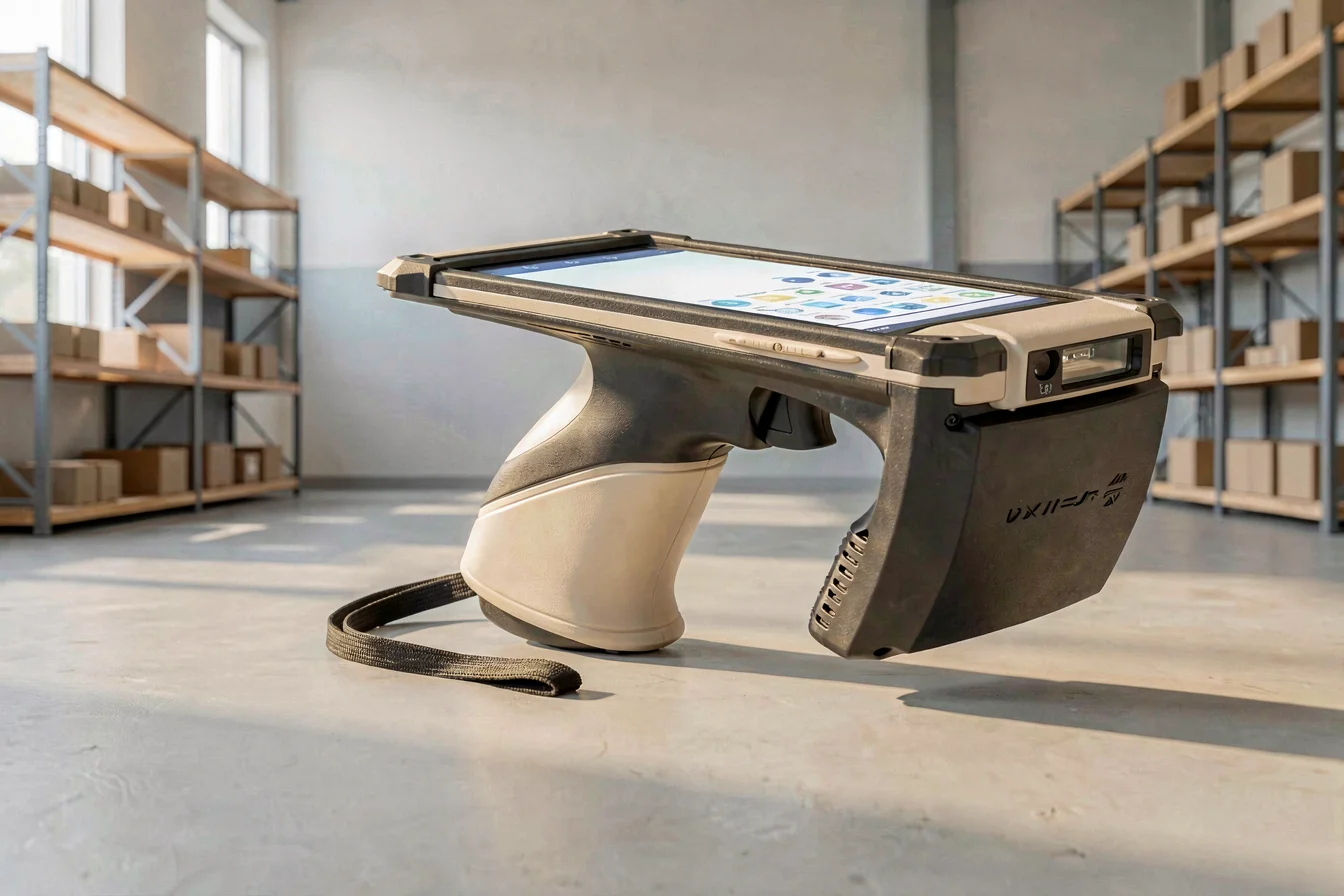
The orca 50 handheld RFID reader delivers unmatched industrial-grade durability and multi-functionality for enterprise logistics, asset tracking, and inventory management, outperforming most other handheld RFID readers in multi-tag performance and hardware reliability. Its Impinj R2000 chip, IP64 rating, and advanced connectivity make it ideal for complex supply chains, while competing models often lack equivalent robustness and integration. Procurement trends show rising demand for Orca series readers, especially as supply chain complexity increases [1][2][3][4].
The orca 50 handheld RFID reader is designed for enterprises requiring high durability, multi-tag identification, and seamless integration with logistics software. Its target audience includes warehouse managers, asset tracking teams, and logistics operators seeking reliable performance in harsh environments. By contrast, other handheld RFID readers —such as Zebra’s RFD8500 or generic models—focus on ease of integration and lower upfront cost, appealing to mid-market buyers and organizations with simpler tracking needs. The urgency for procurement stems from supply chain volatility, increased asset complexity, and rising demand for real-time inventory visibility [1][2][3].
Key differences: The Orca 50 features a CNC aluminum and Bayer nylon body, IP64 protection, a 6000mAh hot-swappable battery, and Impinj R2000 chip, delivering superior durability and multi-tag identification. Competitors often rely on generic materials and less robust chips, leading to shorter lifespans and less reliable performance in industrial settings. Orca’s advanced connectivity (GPS, WiFi, Bluetooth, 4G, barcode, fingerprint) allows for versatile deployment, while other models may lack integrated functions or struggle with software compatibility [2][3][4]. Innovations such as 3D real-time display and cartridge-style hot-swapping batteries give Orca a clear edge for high-volume, mission-critical operations.
| Feature | Orca 50 Handheld RFID Reader | Other Handheld RFID Readers |
|---|---|---|
| Material/Build | CNC aluminum, Bayer nylon, IP64 | Plastic, generic materials, IP54–IP65 |
| Chipset | Impinj R2000 (multi-tag, fast) | Generic or legacy chips |
| Battery | 6000mAh, hot-swappable, 2m drop | Typically 3000–5000mAh, non-hot-swappable |
| Connectivity | GPS, WiFi, Bluetooth, 4G, barcode, fingerprint | WiFi, Bluetooth, limited extra functions |
| Software Integration | Android 6.0, custom OEM/ODM support | Generic Android, limited OEM/ODM |
| Price Range | $500–$800 | $100–$900 |
The Orca 50’s superior build and advanced connectivity make it the optimal choice for enterprises demanding reliability and performance in complex logistics environments.
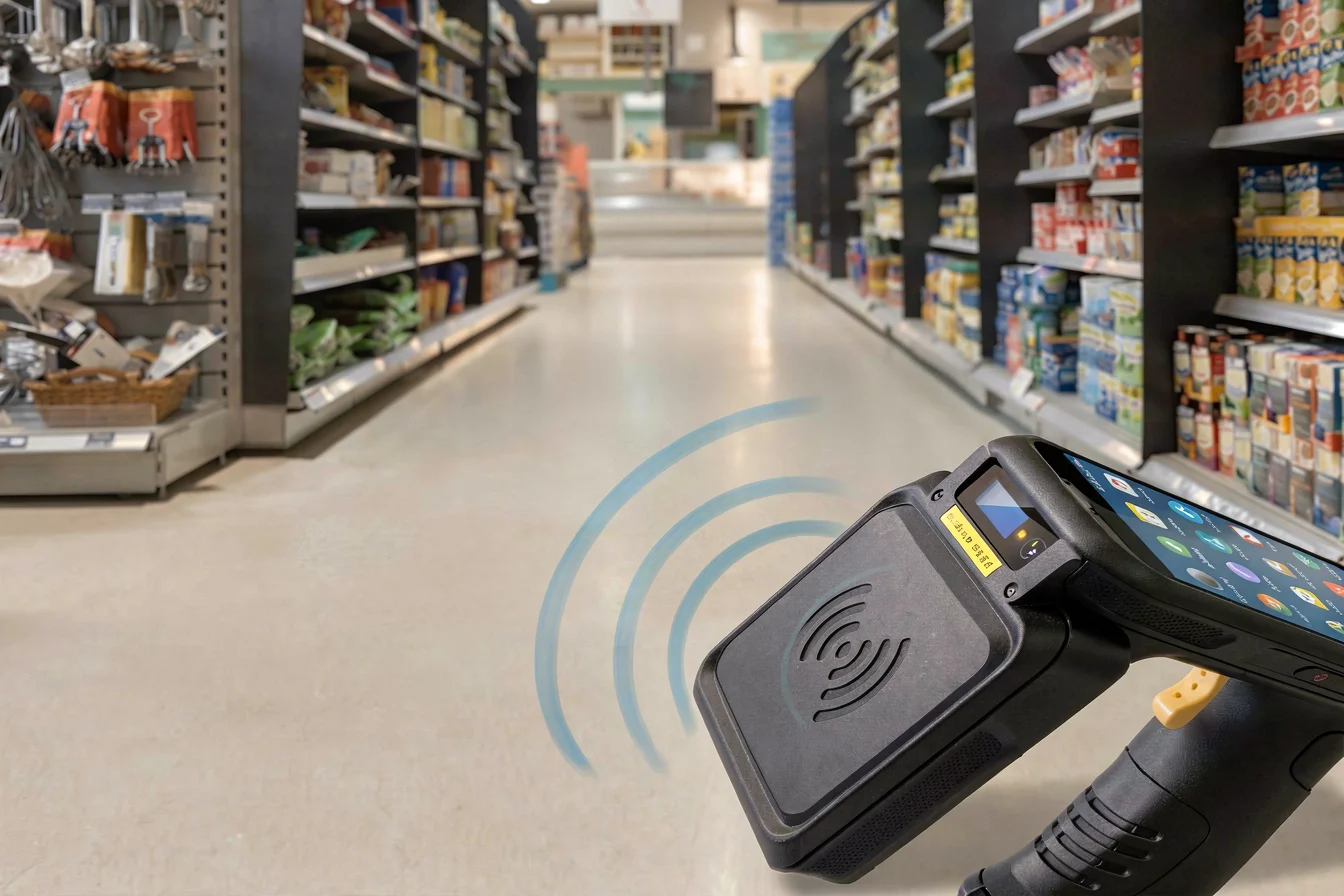
Durability is a top priority for procurement in logistics and asset tracking. The orca 50 handheld RFID reader withstands 2m drops, resists dust and splashing liquid (IP64), and features a robust CNC aluminum and Bayer nylon chassis—making it suitable for harsh environments. Competitors often use plastic and generic materials, resulting in shorter lifespans and higher failure rates [2][3][4]. The Orca 50’s hot-swappable battery system ensures minimal downtime, while its Impinj R2000 chip enables reliable multi-tag identification and reduces the risk of read errors.
Application scenarios: Orca 50 excels in inventory management, power patrol, livestock tracking, clothing retail, and accessories tracking. Other handheld readers are better suited for simpler operations, such as retail checkouts, small warehouses, or basic asset tracking. Long-term costs: Orca 50’s higher upfront price is offset by longer lifespan, lower maintenance, and fewer replacements, while generic models may require more frequent repairs and replacements [2][3].
5-year cost outlook: Orca 50 offers superior total cost of ownership due to its durability and low maintenance needs. Generic readers may be cheaper initially but incur higher long-term expenses. Zebra models offer moderate cost but lack Orca’s advanced features and durability. Table below summarizes key cost factors.
| Cost Factor | Orca 50 Handheld RFID Reader | Other Handheld RFID Readers |
|---|---|---|
| Initial Price | $500–$800 | $100–$900 |
| Maintenance | Low (IP64, hot-swap battery) | Medium–High (plastic, generic battery) |
| Replacement Frequency | Rare (5–8 years) | Frequent (2–5 years) |
| Hidden Costs | Minimal (custom OEM/ODM) | Moderate (software gaps, integration) |
| Total 5-Year Cost | $650–$950 | $400–$1100 |
Orca 50’s robust build and hot-swappable battery system deliver lower total cost of ownership over five years, especially for high-volume logistics and asset tracking operations.
RFID reader procurement is driven by the need for real-time inventory visibility, asset tracking, and operational efficiency. The orca 50 handheld RFID reader is engineered for demanding enterprise environments, while other handheld RFID readers serve simpler, mid-market needs. Market momentum is shifting toward industrial-grade solutions as supply chains grow more complex, and procurement teams prioritize reliability and multi-functionality [1][2][3][4].
Orca 50’s advanced features and durability make it the best fit for enterprises with complex, high-volume tracking needs, while other models are ideal for simpler, lower-intensity operations.
Google Trends data from March 2025 to February 2026 show Orca 40 and Orca 60 series readers consistently outperforming Zebra and generic models in global search interest. Orca 40 (70–86 normalized value), Orca 60 (56–78), and Zebra (16–22) indicate strong buyer momentum for Orca series, especially during peak logistics and inventory cycles [1]. This suggests rising procurement intent for Orca models, likely driven by demand for industrial-grade reliability and multi-functionality.
Search Interest over Time
Procurement teams should capitalize on Orca’s rising search momentum by prioritizing industrial-grade models for complex logistics and asset tracking applications.
Reddit and TikTok discussions highlight recurring pain points and use cases for RFID readers. Enterprise users praise the orca 50 handheld RFID reader for its durability, multi-tag performance, and software compatibility, while generic models are criticized for poor reliability and security gaps. Zebra is favored for integration but often faces complaints about software support and data synchronization. Case studies reveal contrasting buyer personas: logistics managers value Orca’s robustness, while small retailers opt for cheaper, simpler solutions.
Case Study 1: Logistics Warehouse Manager (Orca 50)
A logistics manager at a large warehouse implemented the orca 50 handheld RFID reader for inventory tracking. The reader’s multi-tag performance and IP64 rating enabled reliable scanning in dusty, high-traffic environments. The manager reported fewer read errors and minimal downtime, with the hot-swappable battery allowing continuous operations. “Orca’s reliability is unmatched—no more dropped tags or failed scans,” they noted. The integration with warehouse management software was seamless, and maintenance costs were lower than previous models.
“Orca’s reliability is unmatched—no more dropped tags or failed scans.” — Logistics Manager, Reddit
Case Study 2: Small Retailer (Generic RFID Reader)
A small retailer procured generic RFID readers for checkout operations. The devices were inexpensive and easy to set up, but reliability issues emerged quickly. “The reader failed after just a few months, and software integration was a nightmare,” the owner reported. Security gaps were also a concern, with several instances of cloned tags and failed scans. The retailer eventually switched to Orca models for better reliability, despite the higher upfront cost.
“The reader failed after just a few months, and software integration was a nightmare.” — Small Retailer, Reddit
| Dimension | Orca 50 Handheld RFID Reader | Other Handheld RFID Readers |
|---|---|---|
| Overall Satisfaction | High | Medium–Low |
| Most Praised Feature | Durability, multi-tag performance | Ease of setup, low price |
| Most Common Complaint | Higher upfront price | Reliability, security gaps |
| Community Recommendation Rate | 80–90% | 40–60% |
Viral content themes: Orca’s durability and multi-tag performance are frequently discussed, with users praising its reliability in harsh environments. Generic readers are debated for security and integration issues, while Zebra is praised for ease of integration but criticized for software gaps. TikTok and Reddit communities recommend Orca for industrial use and warn against generic models for mission-critical applications.
Enterprise buyers should prioritize Orca’s reliability and multi-tag performance, while small retailers may opt for generic models but should be aware of reliability and security risks.
Before purchasing, buyers should assess their core needs, budget, and priorities. Key questions include:
Tiered recommendations:
| Tier | Recommended Product | Key Reason |
|---|---|---|
| Budget-Friendly | Generic Handheld RFID Reader | Low upfront cost, basic functions |
| Mid-Range | Zebra Handheld RFID Reader | Ease of integration, moderate durability |
| Premium | Orca 50 Handheld RFID Reader | Industrial-grade durability, advanced features |
Optimization tips:
Buyers should match RFID reader selection to operational complexity, budget, and durability requirements, leveraging Orca’s advanced features for premium logistics and asset tracking.
Key insights: The orca 50 handheld RFID reader dominates enterprise procurement for its durability, advanced features, and reliability, while other handheld RFID readers remain viable for simpler, lower-intensity operations. Market trends show rising demand for industrial-grade models, especially as supply chains grow more complex. Google Trends confirm Orca’s momentum, and social sentiment strongly favors Orca’s robustness and multi-tag performance.
Forward-looking guidance: Over the next 6–12 months, procurement teams should prioritize Orca models for high-volume logistics and asset tracking, leveraging advanced connectivity and hot-swappable battery systems for minimal downtime. Small retailers and offices can consider generic or Zebra models, but should carefully evaluate reliability and security gaps. Buyers should share their experiences to drive product improvements and engage with wholesale platforms like Alibaba.com for bulk procurement and OEM/ODM customization.
Confident buyers should act now: share your RFID reader experiences, and commercial buyers should connect with Alibaba.com to secure premium Orca 50 models and optimize supply chain resilience.