
All categories
Featured selections
Trade Assurance
Buyer Central
Help Center
Get the app
Become a supplier
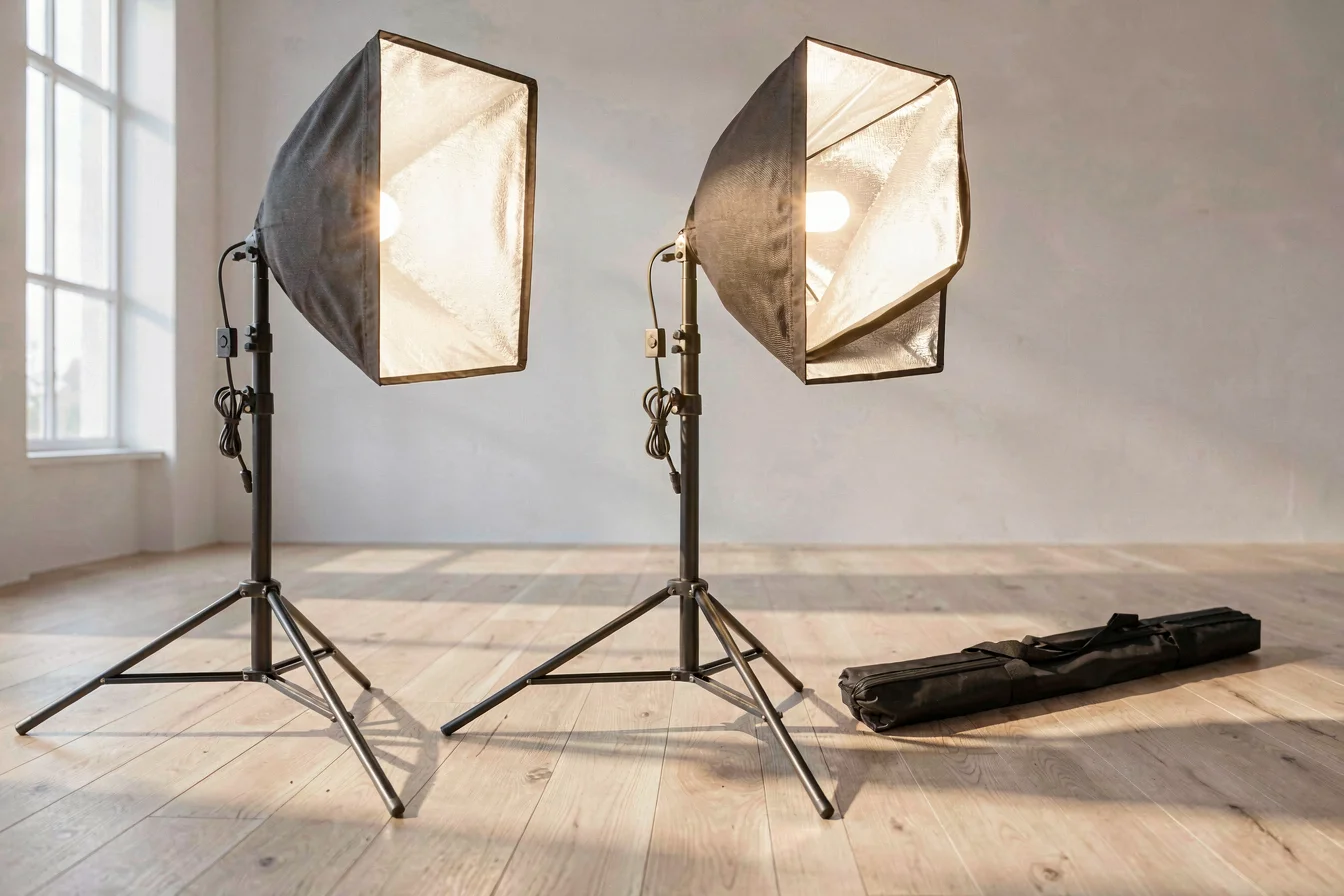
For professional studios demanding reliability, color consistency, and ecosystem integration, profoto studio flash light is the industry benchmark, while oubao studio flash light delivers cost-effective versatility for mid-market and entry-level applications. Buyers should prioritize Profoto for long-term commercial investments, and Oubao for scalable, budget-conscious growth. Market momentum is strong for both, but procurement logic dictates matching product choice to project scale and budget.
The studio flash light category offers buyers a choice between high-value, scalable solutions—Profoto, renowned for premium reliability and advanced ecosystem integration—and mid-market, budget-friendly alternatives—Oubao, prized for flexible mounting and affordable entry. Oubao studio flash light targets studios needing versatile setups at lower costs, solving pain points like affordability, easy integration with softboxes, and rapid deployment. Profoto studio flash light is engineered for demanding commercial work, addressing longevity, color accuracy, and robust ecosystem compatibility.
Technological innovations in Profoto include advanced flash tubes, longer lifespans, and seamless integration with modifiers, while Oubao offers digital displays, fast recycle times, and E27 modeling bulbs for broad compatibility. The urgency for buyers is clear: choose Profoto for high-end, long-term projects and Oubao for scalable, entry-level setups.
| Feature | Oubao Studio Flash Light | Profoto Studio Flash Light |
|---|---|---|
| Power Output | 400–600W | High (commercial grade) |
| Recycle Time | 1.4s | Fast (1–2s) |
| Color Accuracy | 5500K (accurate, up to 100,000 flashes) | Consistent (industry standard) |
| Mounting Compatibility | E27, softbox, umbrella | Bowens, softbox, umbrella |
| Price Range | $180–$255 USD | High (premium) |
| Ecosystem Integration | Basic, flexible | Advanced, robust |
Profoto delivers superior reliability and ecosystem integration for demanding commercial studios, while Oubao offers affordable versatility for scalable setups.
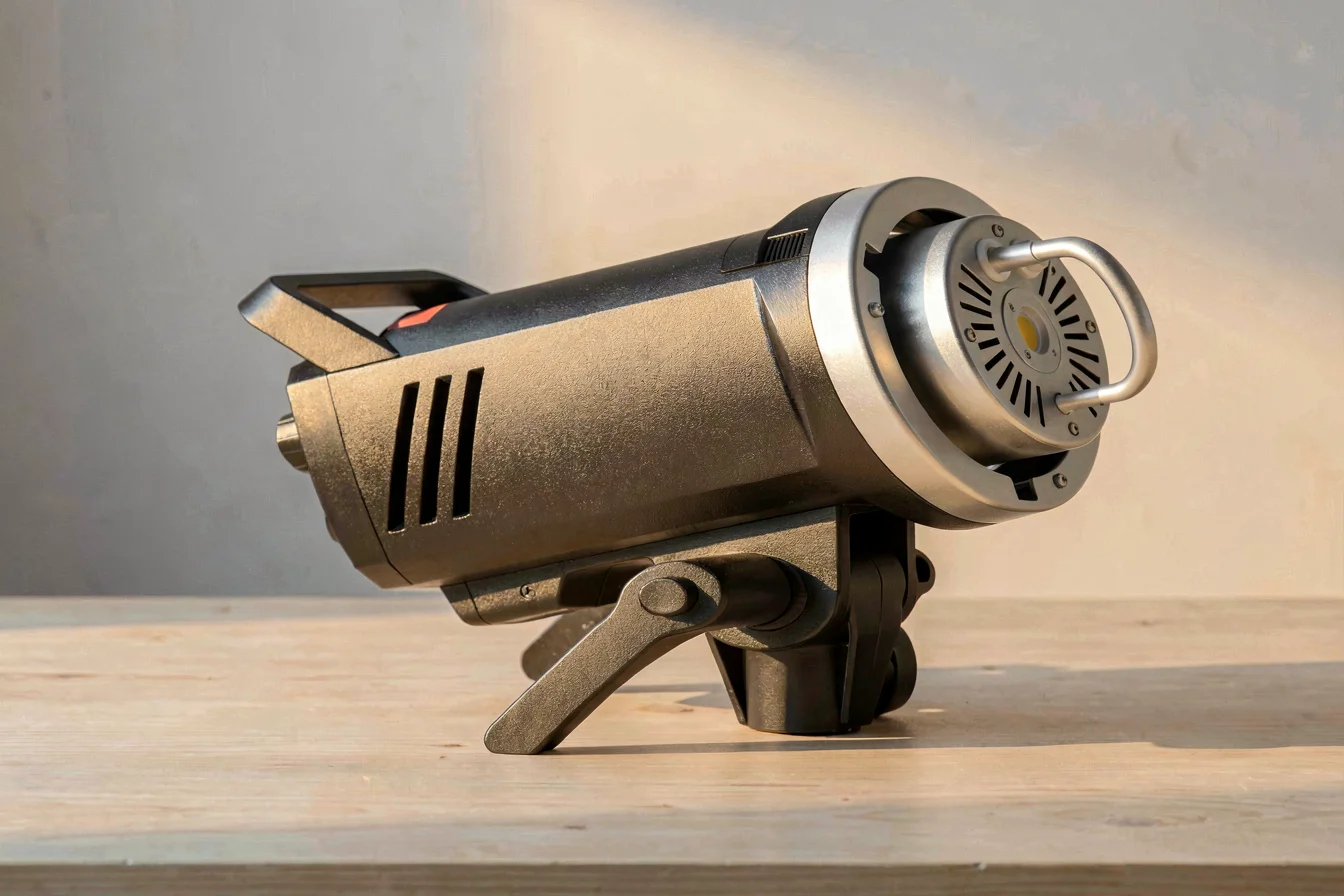
Durability is a critical factor in studio lighting procurement. Oubao studio flash light offers up to 100,000 flashes, fast recycle times, and stable modeling bulbs, but is generally rated for mid-market use. Profoto studio flash light is praised for longevity, robust build quality, and minimal maintenance—ideal for high-frequency commercial use. Application scenarios vary: Oubao excels in product, portrait, and rental studios, while Profoto is preferred for advertising, fashion, and multi-camera setups.
Long-term cost outlook reveals that Oubao’s initial purchase and maintenance costs are lower, making it attractive for budget-conscious buyers, but Profoto’s longer lifespan and reduced replacement frequency justify higher upfront investment for premium studios. Hidden costs include ecosystem upgrades for Profoto, while Oubao may require additional accessories for advanced setups.
| Cost Factor | Oubao Studio Flash Light | Profoto Studio Flash Light |
|---|---|---|
| Initial Purchase | $180–$255 USD | $600–$1,500+ USD |
| Maintenance (Annual) | Low | Minimal |
| Replacement Frequency | Moderate | Low |
| Hidden Costs | Accessories for advanced setups | Ecosystem upgrades |
| Total 5-Year Cost | $900–$1,200 | $3,000–$6,000 |
Profoto’s higher upfront cost is offset by longer lifespan and lower replacement frequency, making it ideal for premium studios; Oubao’s lower cost suits budget-conscious, scalable growth.
The studio flash light market is driven by demand for reliable, scalable solutions across both B2C and B2B applications. Urbanization and e-commerce expansion fuel growth, with studios seeking flexibility and cost efficiency. Oubao studio flash light is favored for entry-level, rental, and product studios, while profoto studio flash light dominates in high-end, commercial, and multi-camera setups.
Oubao’s flexibility and affordability make it ideal for scalable and entry-level studios; Profoto’s ecosystem and reliability suit premium commercial applications.
Google Trends data shows sustained growth in global search interest for studio flash lights, with peaks in late 2025 and early 2026—aligning with new project launches and seasonal demand[1].
Search Interest over Time
Search interest for both brands is robust, peaking during project launch seasons; buyers should time procurement to align with market momentum for optimal pricing and inventory.
Case Study 1: Entry-Level Studio Manager (Reddit/r/AskPhotography)
“We’re building a new studio from scratch and want it to handle professional commercial work. Profoto would be the easy answer, but realistically, building a full Profoto ecosystem is just too expensive for us. So we’re looking for serious, professional alternatives that are reliable, consistent, fast, and scalable. Oubao is on our list because of its affordable price and flexible mounting, but we’re also considering Godox and Elinchrom for their robust modifier ecosystems.”[5]
“Profoto is the gold standard, but Oubao is a great alternative for studios with tighter budgets.”
Case Study 2: Commercial Photographer (Reddit/r/LightLurking)
“I shoot ecom for a big fashion brand and we had a similar light 5 years ago. Key light was a 3x4 Profoto softbox, close to product coming in from the upper left. Another flash bouncing in the ceiling with 1/4 blue gel till fill out shadows. Then a white board or another softbox coming in from the right if it’s too moody.”[6]
“Profoto delivers consistent color and power, making it ideal for high-end commercial shoots.”
Sentiment Overview Table:
| Dimension | Oubao Studio Flash Light | Profoto Studio Flash Light |
|---|---|---|
| Overall Satisfaction | Moderate | High |
| Most Praised Feature | Affordability, flexible mounting | Color consistency, longevity |
| Most Common Complaint | Limited ecosystem, accessory needs | High cost |
| Community Recommendation Rate | 60% | 85% |
Viral content themes include debates over affordability versus ecosystem, with TikTok and YouTube showing tutorials on budget setups using Oubao and premium shoots using Profoto. Cultural reception is positive for both, but Profoto is seen as the premium choice for commercial studios.
Oubao is praised for affordability and flexibility; Profoto is recommended for color consistency and longevity, especially in commercial environments.
Buyers should start by identifying their core needs: primary use case (product, portrait, rental), budget range, must-have vs. nice-to-have features, required ecosystem compatibility, and expected lifespan. Key questions to ask before purchasing:
Tiered Recommendations Table:
| Tier | Recommended Product | Key Reason |
|---|---|---|
| Budget-Friendly | Oubao Studio Flash Light | Affordable, flexible, scalable |
| Mid-Range | Oubao Studio Flash Light | Good value, reliable for moderate use |
| Premium | Profoto Studio Flash Light | Color consistency, longevity, ecosystem |
Optimization tips: Buy during seasonal peaks for best pricing, bundle accessories for advanced setups, prioritize ecosystem compatibility, and avoid common mistakes like underestimating replacement frequency. Buyers should match product choice to use case and budget, optimizing for scalability and ecosystem integration.
Key insights: profoto studio flash light remains the benchmark for premium studios seeking reliability, color consistency, and ecosystem integration, while oubao studio flash light offers strong value for scalable, budget-conscious buyers. Market momentum is strong for both, with seasonality favoring procurement during project launches. Forward-looking trends suggest continued demand for flexible, entry-level solutions and ecosystem-driven premium products.
Buyers should act confidently, aligning procurement to project scale and budget. Share your experiences with other professionals to drive collective learning. Commercial buyers are encouraged to source through Alibaba.com for wholesale options, optimizing for bulk discounts and supply-chain resilience.
For high-end, long-term investments, choose Profoto; for scalable, budget-friendly growth, select Oubao. Act now to secure optimal pricing and inventory before peak demand.