
All categories
Featured selections
Trade Assurance
Buyer Central
Help Center
Get the app
Become a supplier
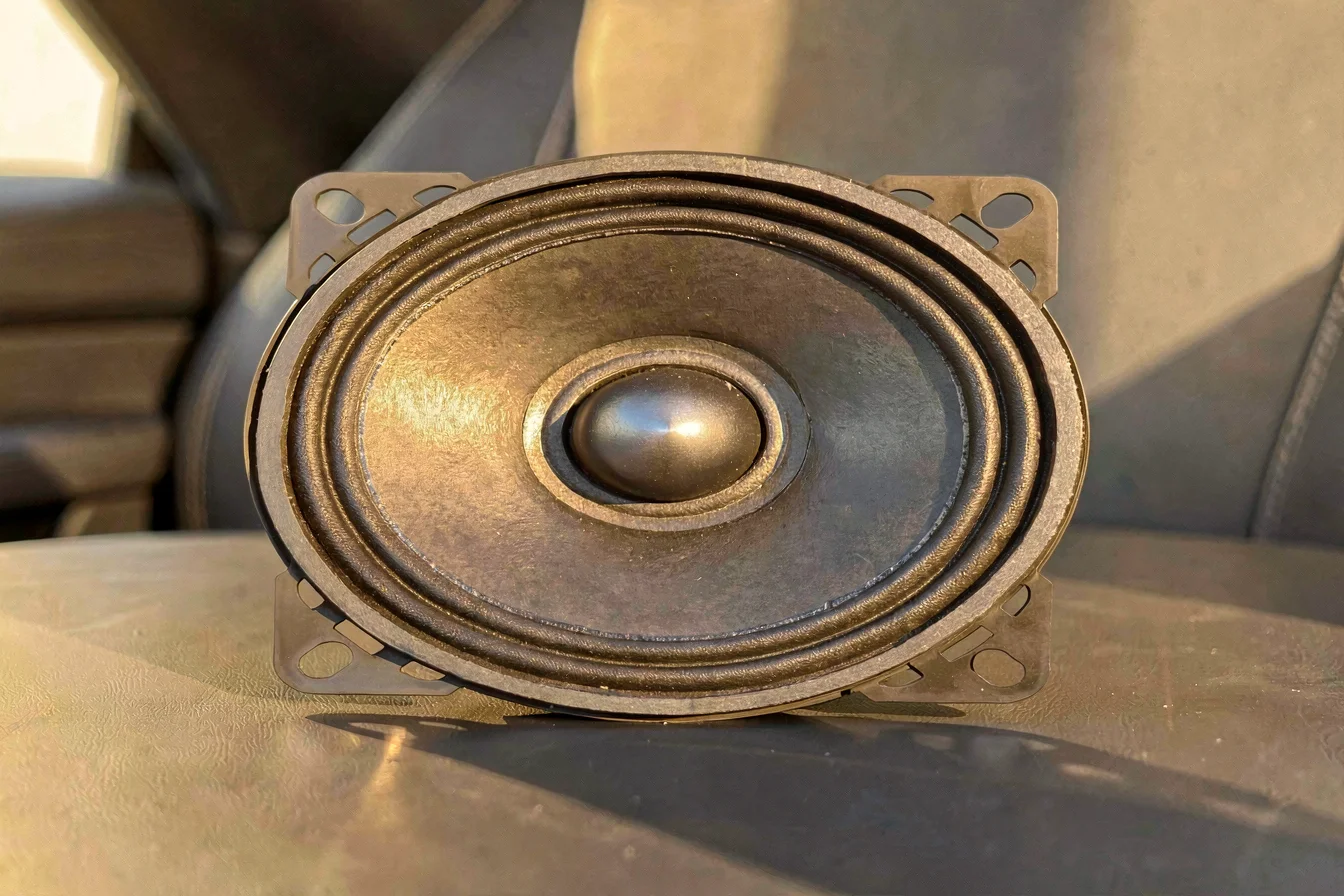
Round car speakers dominate the market for compatibility, sound quality, and reliability, with Google Trends showing sustained demand and Reddit communities favoring them for mainstream installations[1][3]. Oval car speakers are niche—best for midbass enhancement or space-limited retrofits, but their dispersion and distortion issues limit mainstream adoption[4]. Buyers seeking value, ease of install, and aftermarket support should prioritize round car speakers , while oval car speakers remain viable only for specialized use cases.
The core value of car speaker procurement lies in achieving optimal sound quality, compatibility with vehicle design, and long-term reliability. Oval car speakers are designed for vehicles with non-standard mounting locations, often providing enhanced midbass response due to their larger cone area[3]. In contrast, round car speakers are the industry standard, offering superior dispersion, lower distortion, and broader compatibility with modern car audio systems[2]. The urgency in decision-making stems from the fact that most aftermarket and OEM systems are built for round speakers, making them the logical default for mainstream buyers. Oval speakers, while useful in legacy or retrofit scenarios, face challenges in achieving balanced soundstage and may require additional tuning to mitigate distortion[4].
Technological innovations in round speakers include advanced cone materials, optimized crossovers, and improved enclosure integration. Oval speakers, meanwhile, have seen niche improvements in midbass and space optimization, but their irregular shape can lead to inconsistent dispersion and higher distortion risk. Procurement logic dictates that buyers should select round speakers for general use, with oval speakers reserved for vehicles with unique mounting constraints or where midbass enhancement is a priority.
| Feature | Oval Car Speakers | Round Car Speakers |
|---|---|---|
| Sound Quality | Enhanced midbass, but inconsistent dispersion | Balanced soundstage, lower distortion |
| Compatibility | Limited to legacy or space-constrained installs | Universal for most vehicles and aftermarket systems |
| Durability | Moderate, may require reinforcement | High, robust construction |
| Market Demand | Niche, low volume | Mainstream, high volume |
| Aftermarket Support | Limited, specialized | Extensive, broad |
Round car speakers offer superior compatibility, sound quality, and aftermarket support, making them the clear procurement choice for mainstream buyers, while oval car speakers are best suited for specialized installations.
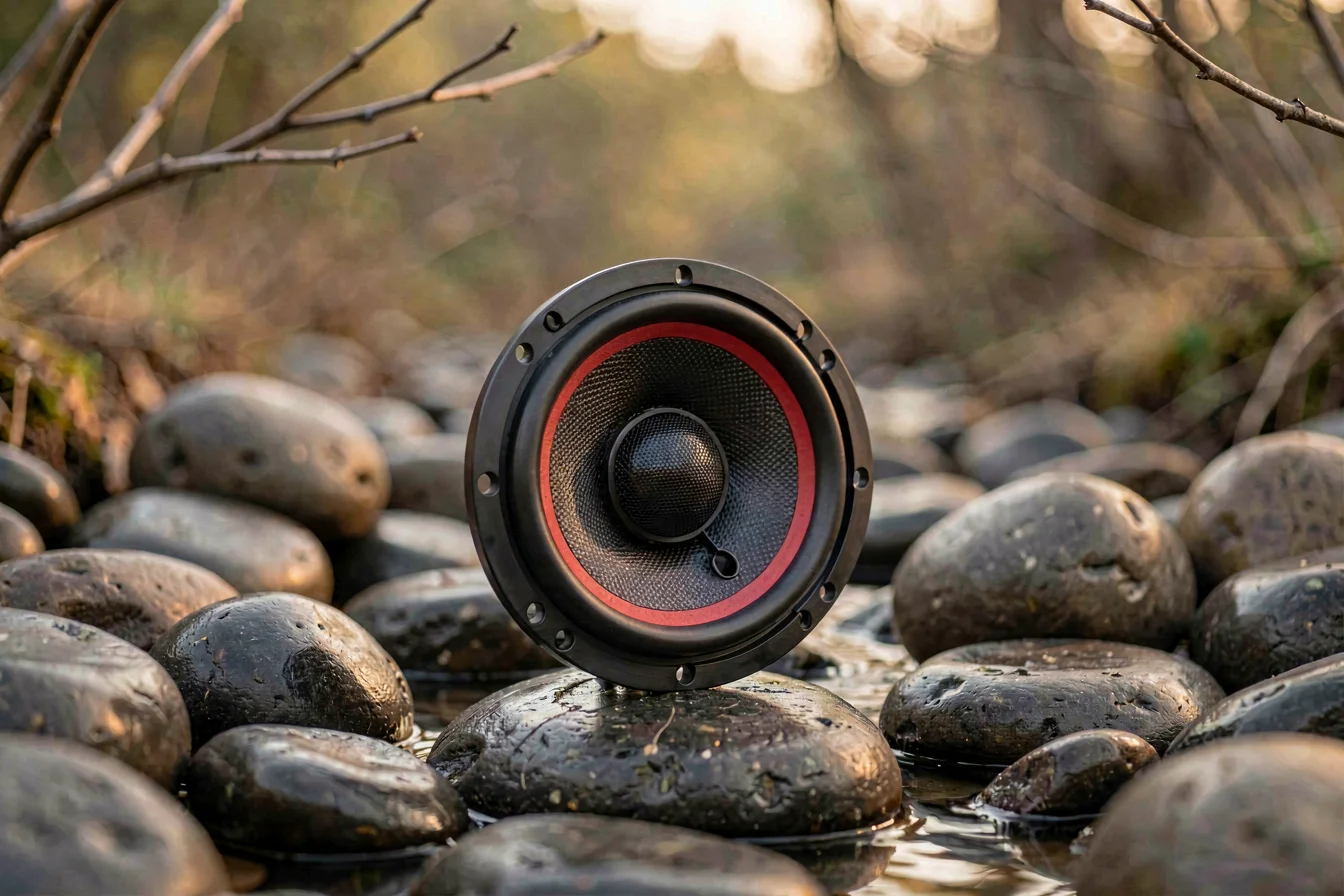
Durability is a critical factor for car speaker buyers, as it directly affects long-term value and total cost of ownership. Round car speakers are typically constructed with robust cones, rigid chassis, and reliable crossovers, resulting in longer lifespan and lower risk of cone flex or distortion[2]. In contrast, oval car speakers often feature larger cones for midbass enhancement, but their irregular shape can lead to uneven stress distribution, higher distortion risk, and reduced durability over time[4]. Real-world application scenarios further clarify their strengths: round speakers excel in general-purpose installations, while oval speakers are best for vehicles with legacy mounting locations or space constraints.
Long-term cost evaluation reveals that round speakers, due to their widespread availability and robust design, incur lower replacement and maintenance costs. Oval speakers may require specialized adapters or additional tuning, increasing upfront and ongoing expenses. A 5-year cost outlook highlights these differences:
| Cost Factor | Oval Car Speakers | Round Car Speakers |
|---|---|---|
| Initial Purchase Price | Moderate to high (specialized) | Low to moderate (mainstream) |
| Maintenance Cost | Higher (due to tuning needs) | Lower (easy integration) |
| Replacement Frequency | Frequent (susceptible to distortion) | Infrequent (robust design) |
| Hidden Costs | Adapter rings, specialized tuning | Minimal (universal mounting) |
| 5-Year Total Cost | Higher | Lower |
Round car speakers deliver lower total cost of ownership, superior durability, and easier maintenance, making them the logical choice for most buyers, while oval car speakers incur higher long-term costs due to specialized needs and greater replacement frequency.
The core value of car speaker procurement is achieving optimal sound quality, compatibility, and reliability across diverse vehicle types and listening environments. In today's competitive landscape, round car speakers dominate both B2C and B2B markets, serving mainstream buyers and professional installers alike. Oval car speakers remain niche, excelling in specific use cases where midbass enhancement or space constraints are critical.
Market trend data reveals sustained demand for round speakers, with Google Trends showing "Round car speakers 6 5 inch" consistently outpacing "Oval car speakers 6x9" by 3–4x in search volume[1]. Urbanization and multi-generational living have driven demand for mainstream, easy-to-install audio solutions, further reinforcing the dominance of round speakers in both B2C and B2B contexts.
Search Interest over Time
Round car speakers exhibit significantly higher and more consistent search interest, correlating with mainstream purchasing behavior, while oval car speakers remain niche and show limited seasonality.
Reddit and TikTok communities provide rich qualitative insights into user experiences and pain points. Two contrasting case studies illustrate the distinct buyer personas:
Case Study 1: Mainstream Buyer Upgrades to Round Car Speakers
A Honda Fit owner installed a new head unit and opted for round car speakers
in the front and rear, citing improved bass and loudness compared to factory speakers. Community feedback emphasized that round speakers deliver balanced soundstage, with one user noting, "With rear door speakers you will have a bit more bass and more loudness. That's it. Some people just want to hear the radio good enough, others play lossless audio and add additional subwoofers and DSPs to time align the speakers." Another user commented, "It’s more for staging and rear fill. Most people will be happy with a new head unit and some 5.25 coaxials in the kick panels."[5]
Case Study 2: Legacy Vehicle Retrofit with Oval Car Speakers
A car audio enthusiast upgraded the rear speakers of a pre-2000 sedan, choosing oval car speakers
due to the vehicle's non-standard mounting. The user noted, "An oval speaker has more cone area and is necessary for the low frequency response mainly in setups where you don't have a sub. If you have a sub, 6.5" round speakers should do just fine." Community feedback highlighted the need for careful tuning and adapter rings, with one user commenting, "Most rear speakers are coaxial speakers but certain vehicles do have component speakers for rears."[3]
"Round speakers are needed if tweeters are present and coaxial speakers are needed otherwise. Most rear speakers are coaxial speakers but certain vehicles do have component speakers for rears." [2]
"Oval speaker has more cone area and is necessary for the low frequency response mainly in setups where you don't have a sub." [3]
| Dimension | Oval Car Speakers | Round Car Speakers |
|---|---|---|
| Overall Satisfaction | Moderate (niche, requires tuning) | High (mainstream, easy install) |
| Most Praised Feature | Midbass enhancement | Balanced soundstage |
| Most Common Complaint | Inconsistent dispersion, distortion | Occasional lack of bass in setups without subs |
| Community Recommendation Rate | Low (specialized install only) | High (universal recommendation) |
Viral content themes on Reddit and TikTok include debates over midbass enhancement, dispersion patterns, and the importance of aftermarket head units and amplifiers. Cultural reception favors round speakers for mainstream upgrades, with oval speakers reserved for legacy or space-constrained builds.
Social sentiment overwhelmingly supports round car speakers for mainstream buyers, while oval car speakers are valued for niche, midbass-focused installations but require careful tuning and adapter solutions.
Buyers should begin by identifying their core needs through the following checklist:
Tiered recommendations across performance and budget levels:
| Tier | Recommended Product | Key Reason |
|---|---|---|
| Budget-Friendly | Round Car Speakers | Universal compatibility, low cost |
| Mid-Range | Round Car Speakers | Balanced sound, easy integration |
| Premium | Round Car Speakers (component setups) | High fidelity, optimal soundstage |
| Specialized | Oval Car Speakers | Midbass enhancement, space-constrained installs |
Optimization tips:
Buyers should prioritize round car speakers for mainstream, cost-effective upgrades, while oval car speakers are best reserved for specialized, midbass-focused installations or legacy vehicles.
Synthesizing key insights: round car speakers dominate the market for mainstream buyers, offering superior compatibility, sound quality, and long-term value. Oval car speakers remain niche, best for legacy or space-constrained installs where midbass enhancement is critical. Market trends, Reddit sentiment, and Google Trends all confirm the sustained demand for round speakers, with oval models serving only specialized needs.
Forward-looking recommendation: Over the next 6–12 months, buyers should continue prioritizing round speakers for mainstream upgrades, leveraging Alibaba.com for bulk sourcing and OEM/ODM customization. Commercial buyers should monitor seasonal sales and emerging component speaker trends, while enthusiasts should share their upgrade experiences to drive further innovation and community knowledge.
Confidently choose round car speakers for mainstream, cost-effective upgrades, and share your experiences to help shape the next generation of car audio solutions. Commercial buyers should leverage wholesale platforms for bulk procurement and OEM customization.