
All categories
Featured selections
Trade Assurance
Buyer Central
Help Center
Get the app
Become a supplier
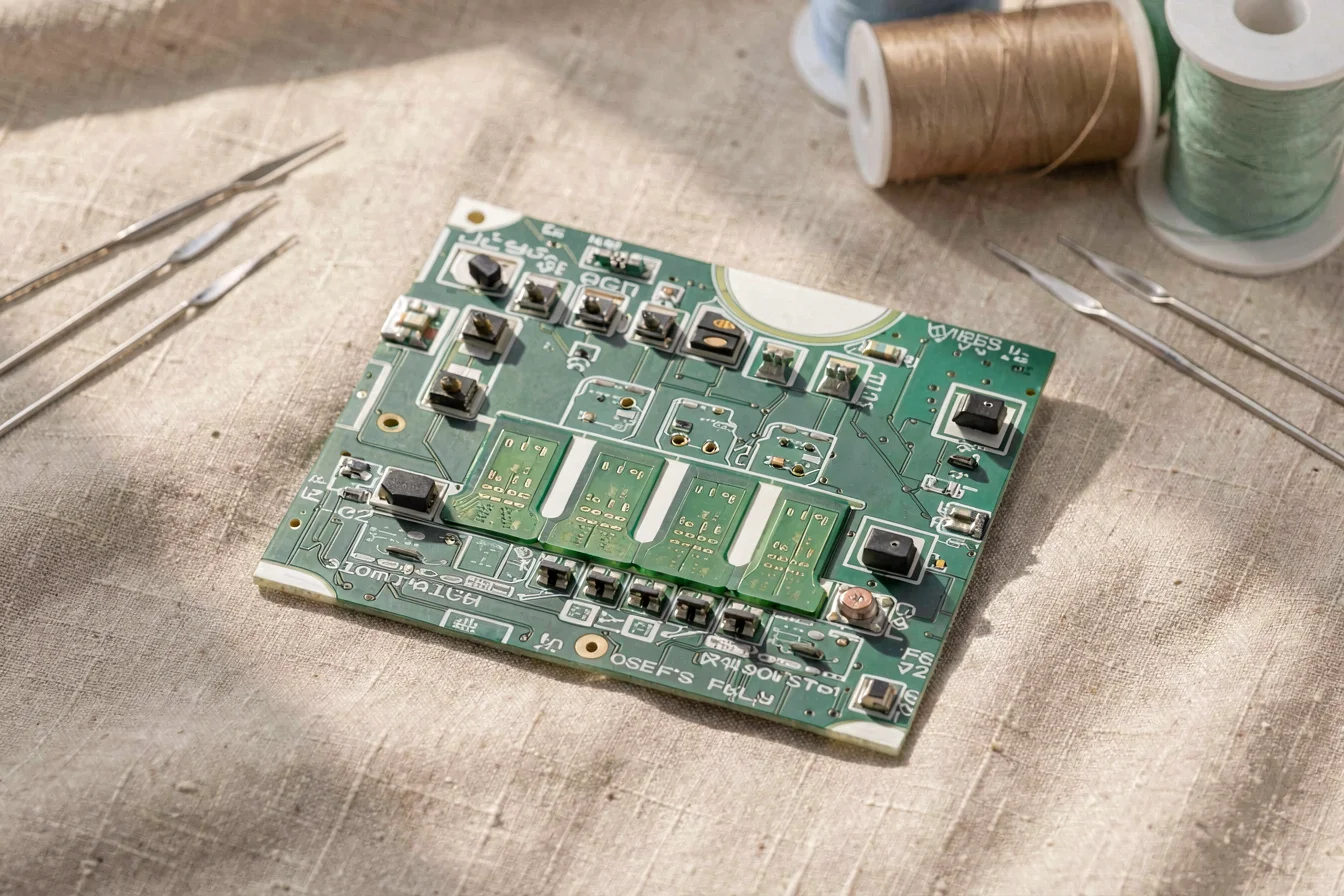
The shift toward sewing machine PCB board is driven by demand for automation, advanced stitch options, and digital integration, but buyers must weigh higher upfront and maintenance costs against reliability and simplicity offered by traditional mechanical sewing machine components . Market data shows rising interest in PCB boards, but mechanical components remain essential for repair-focused and budget-conscious buyers[1]. Procurement logic demands careful alignment with end-use requirements, durability, and supply-chain resilience.
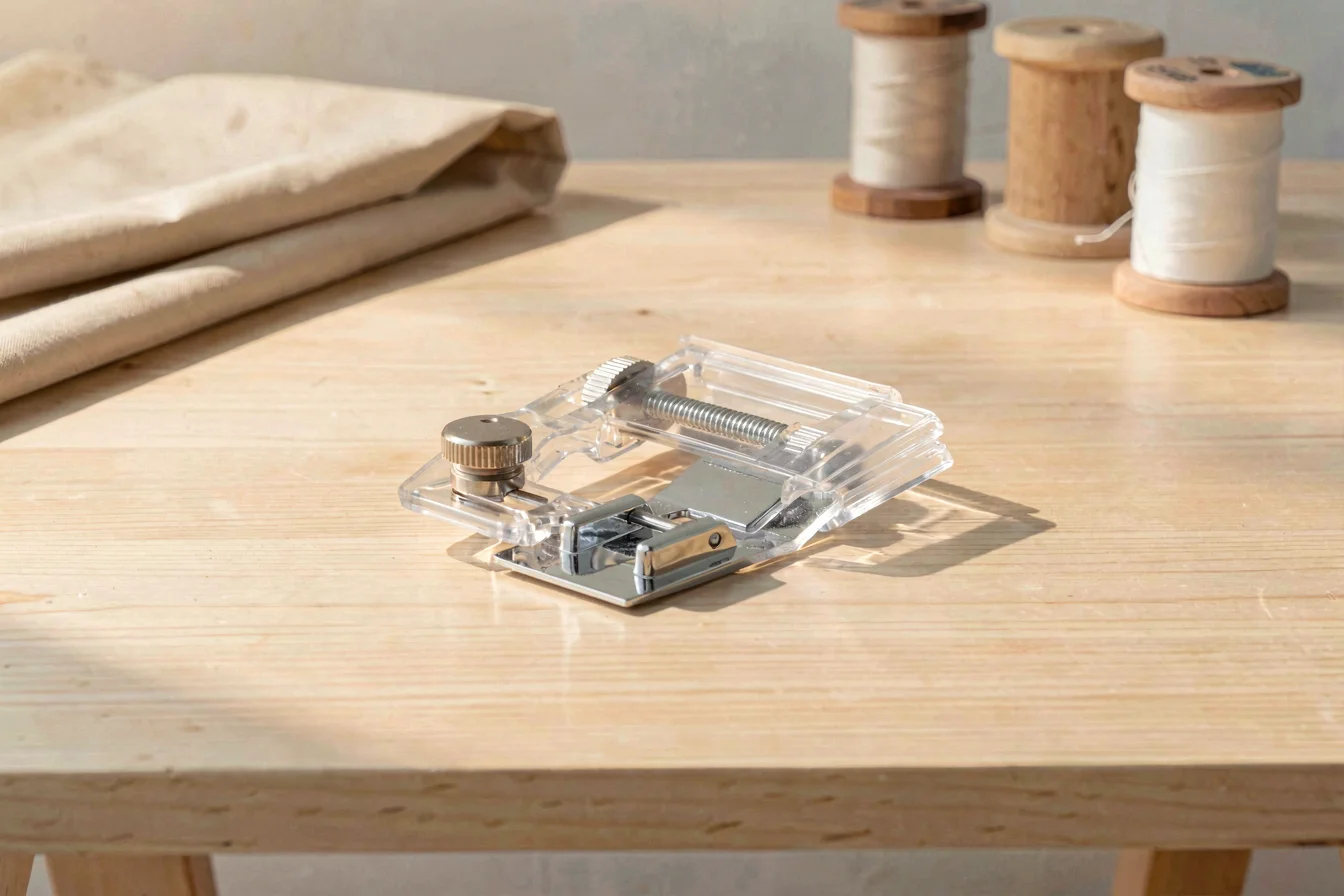
The core value proposition for buyers is performance, reliability, and cost efficiency. Sewing machine PCB board delivers advanced automation, programmable settings, and expanded stitch options, targeting advanced hobbyists and commercial users seeking versatility and precision. In contrast, traditional mechanical sewing machine components are valued for simplicity, durability, and ease of repair, appealing to beginners, repair-focused buyers, and heavy-duty applications[2][3][5]. The urgency in decision-making arises from rapidly evolving market demand, supply chain volatility, and the need to match procurement with operational goals.
Key differences: PCB boards integrate electronic controls, enabling over 100 stitch types, digital integration, and automated functions, but require surge protection and careful maintenance. Mechanical components rely on manual dials and levers, offering fewer stitch options but greater reliability and easier repairs. Technological innovations in PCB boards include programmable stitch settings and digital displays, while mechanical components have remained largely unchanged for decades[3][5]. Limitations: PCB boards are sensitive to power surges and more expensive; mechanical components lack advanced features and may require more frequent adjustments.
| Feature | Sewing Machine PCB Board | Traditional Mechanical Sewing Machine Components |
|---|---|---|
| Automation | Programmable, digital controls | Manual, dial/lever controls |
| Stitch Options | 100+ types, programmable patterns | Limited, manual selection |
| Maintenance | Requires surge protection, periodic calibration | Simple, easier repairs |
| Initial Cost | $650–$1200 | $180–$450 |
| Target Audience | Advanced hobbyists, commercial users | Beginners, repair-focused buyers |
| Certifications | CE, RoHS | ISO, UL |
The choice between sewing machine PCB board and traditional mechanical sewing machine components hinges on operational goals, budget, and required features.
Durability is a critical factor in procurement. Sewing machine PCB board offers high precision and automation but requires careful handling, surge protection, and periodic calibration to maintain reliability. Its lifespan is typically 5–8 years with regular maintenance, but electronic failures can be costly. Traditional mechanical sewing machine components are built for rugged use, with lifespans exceeding 10–15 years if well-maintained, and repairs are straightforward and inexpensive[4][6]. Performance consistency: PCB boards deliver consistent stitch quality and programmable settings, while mechanical components may require frequent manual adjustments but are less prone to breakdowns.
Application scenarios: PCB boards excel in advanced embroidery, commercial production, and digital integration; mechanical components are best for basic sewing, heavy-duty repairs, and environments where reliability and simplicity are paramount[3][5]. Long-term cost outlook: PCB boards incur higher initial and maintenance costs, but deliver greater versatility and efficiency for advanced users. Mechanical components have lower upfront and maintenance costs, making them ideal for budget-conscious buyers and repair-focused operations.
| Cost Factor | Sewing Machine PCB Board | Traditional Mechanical Sewing Machine Components |
|---|---|---|
| Initial Purchase Price | $650–$1200 | $180–$450 |
| Maintenance Costs (5 years) | $120–$200 | $30–$60 |
| Replacement Frequency | Every 5–8 years | Every 10–15 years |
| Hidden Costs | Surge protector, periodic calibration | Manual adjustments, basic maintenance |
| Total 5-Year Cost | $770–$1400 | $210–$510 |
Durability and long-term cost favor traditional mechanical sewing machine components for repair-focused buyers, while sewing machine PCB board delivers superior efficiency for advanced users.
The core value of this product category is reliability and operational efficiency. Market urgency is driven by the shift toward automation and digital integration, with PCB boards gaining popularity among advanced users and commercial buyers. Mechanical components remain vital for simplicity, durability, and cost efficiency in basic sewing and repair contexts[1][3][5].
Market trend data shows rising search interest in PCB boards, peaking at index 87 in Feb 2026, while mechanical components remain steady at index 63[1]. Urbanization and e-commerce growth are driving demand for versatile, programmable machines, but mechanical components retain relevance in repair-focused and budget-sensitive markets.
Google Trends data reveals search volatility and user interest shifts. PCB boards show consistent growth, with peaks in Feb and March 2026, indicating strong demand for advanced features and automation. Mechanical components maintain steady interest, reflecting enduring need for simplicity and reliability.
Search Interest over Time
Rising search interest in PCB boards signals market momentum toward automation, but mechanical components remain essential for repair and basic sewing.
Reddit and TikTok discussions reveal contrasting user experiences. Case studies illustrate the practical realities of each product type.
Case Study 1: Advanced Hobbyist (PCB Board) A professional seamstress and teacher notes, “Computerized machines are all about automated precision and a massive library of stitches. They open up a world of creative possibilities for complex designs.” She recommends PCB boards for advanced embroidery and commercial production but cautions about the need for surge protection and periodic calibration. “The machine does nothing for you, and you have to adjust the settings manually. It may therefore be more practical and helpful to go for an electronic sewing machine.”[2][5]
“Computerized models are your ticket to effortless precision and a massive library of stitches.” [7]
Case Study 2: Beginner and Repair-Focused Buyer (Mechanical Components) A thrift store buyer shares, “I ran my sewing business for a number of years with a Singer machine from the Goodwill that cost $15. There are good working machines that get donated because fewer people know how to sew.” She values mechanical components for reliability, ease of repair, and long lifespan. “No thrills but it's a workhorse for sure!”[14]
“No thrills but it's a workhorse for sure!” [14]
Sentiment overview:
| Dimension | Sewing Machine PCB Board | Traditional Mechanical Sewing Machine Components |
|---|---|---|
| Overall Satisfaction | High for advanced users, moderate for beginners | High for repair-focused buyers, beginners |
| Most Praised Feature | Automation, stitch library | Durability, ease of repair |
| Most Common Complaint | Complexity, maintenance cost | Limited stitch options |
| Community Recommendation Rate | High for advanced users | High for beginners, repair-focused |
Viral content themes: PCB boards are celebrated for automation and creative potential, but debates center on complexity and maintenance. Mechanical components are praised for reliability and simplicity, with recurring discussions about repair ease and budget efficiency[9][13][14]. Cultural reception: PCB boards appeal to younger, tech-savvy users; mechanical components retain loyalty among older, repair-focused buyers.
Online communities highlight automation and versatility as PCB board strengths, while mechanical components are valued for reliability and simplicity.
Buyers must clarify their core needs before purchasing. Key questions:
Tiered recommendations:
| Tier | Recommended Product | Key Reason |
|---|---|---|
| Budget-Friendly | Traditional Mechanical Sewing Machine Components | Low cost, easy repair, basic sewing |
| Mid-Range | Sewing Machine PCB Board | Automation, advanced stitch options |
| Premium | Sewing Machine PCB Board | Digital integration, commercial use |
Optimization tips:
Buyers should align procurement with primary use case, budget, and maintenance priorities for optimal value.
Key insights: Market momentum is shifting toward sewing machine PCB board as buyers prioritize automation, advanced stitch options, and digital integration. However, traditional mechanical sewing machine components remain essential for reliability, simplicity, and repair-focused applications. Forward-looking recommendation: Procurement should balance technological innovation with operational resilience, leveraging Alibaba.com for competitive pricing, reliable supply, and certification assurance. Buyers should monitor market trends, invest in surge protection for PCB boards, and prioritize repair-friendly mechanical components for budget and repair-focused needs.
Confident buyers should share their experiences to inform future procurement decisions and commercial buyers should leverage wholesale platforms like Alibaba.com for competitive sourcing and supply-chain resilience.