
All categories
Featured selections
Trade Assurance
Buyer Central
Help Center
Get the app
Become a supplier
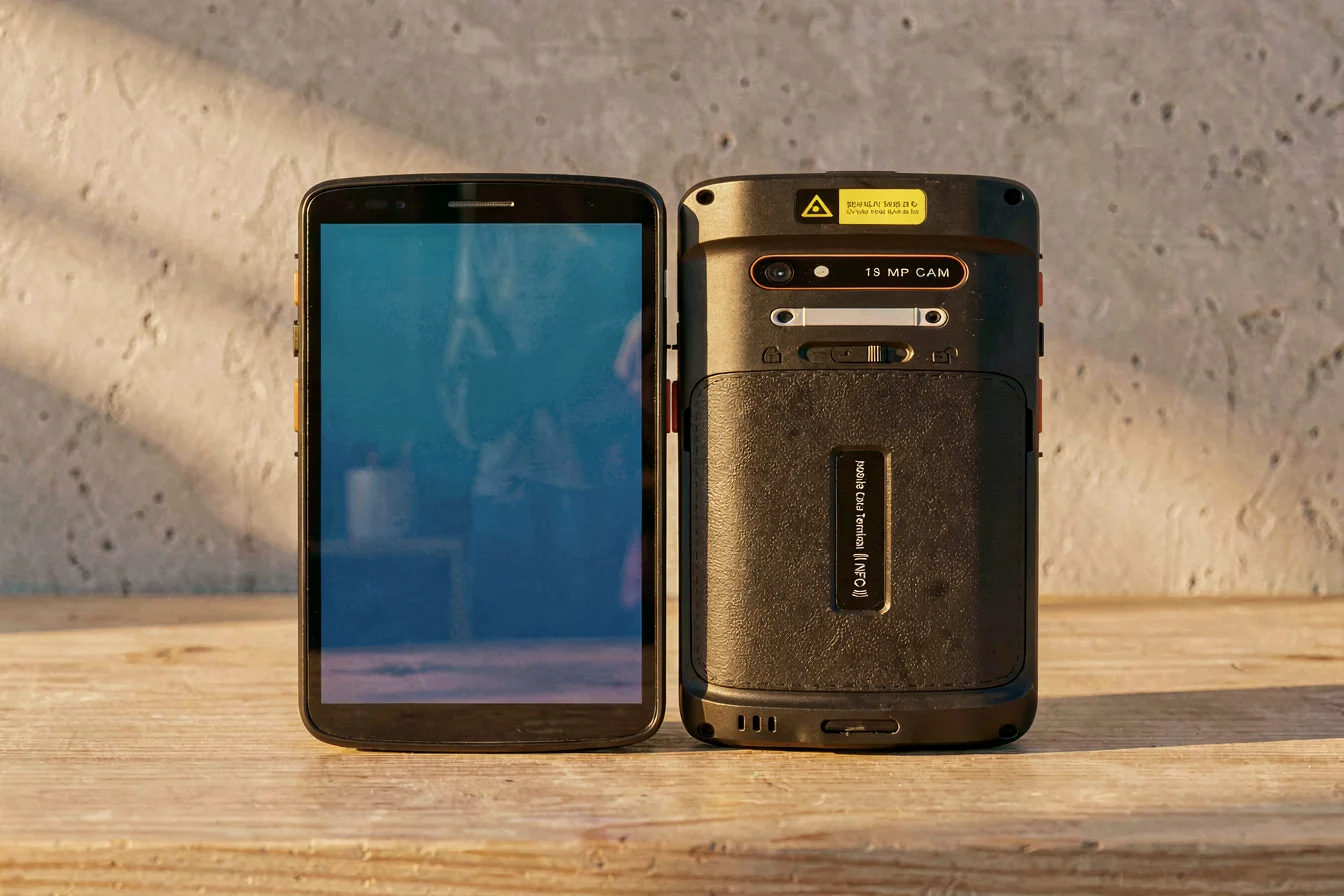
For procurement, a PDA with infrared is ideal for buyers needing legacy connectivity, compatibility, and reliability in short-range data transfer. However, a PDA without infrared offers a more affordable, simpler solution, especially as infrared is becoming obsolete. The decision should hinge on your compatibility needs and willingness to adopt modern wireless alternatives[3][4].
The core value of the PDA with infrared lies in its seamless wireless connectivity and compatibility with legacy systems, making it suitable for environments where older devices and protocols are still in use. Conversely, the PDA without infrared is more cost-effective and easier to integrate with modern wireless standards like Bluetooth or Wi-Fi. In today’s competitive market, the urgency for buyers is to balance legacy needs with future-proofing, as infrared technology is increasingly phased out in favor of more versatile wireless solutions[3][4].
The PDA with infrared addresses the pain points of users who require reliable, short-range connectivity for tasks like file transfers, contact sharing, and synchronization with legacy devices. However, it is limited by its requirement for line-of-sight and short transmission range (<1 meter). Innovations in the PDA without infrared segment include integration of Bluetooth and Wi-Fi, offering greater range, ease of use, and compatibility with modern smartphones and laptops. Traditional challenges solved by infrared PDAs include compatibility with older devices and environments with strict security requirements (e.g., healthcare or government), while the PDA without infrared addresses cost, simplicity, and future-proofing.
| Feature | PDA with infrared | PDA without infrared |
|---|---|---|
| Wireless Connectivity | Infrared (short-range, line-of-sight) | Bluetooth/Wi-Fi (longer range, easier pairing) |
| Compatibility | Legacy devices, older notebooks | Modern smartphones, laptops |
| Ease of Use | Requires precise alignment | Plug-and-play, intuitive |
| Cost | Slightly lower | Higher (Bluetooth/Wi-Fi premium) |
| Modern Adoption | Declining | Increasing |
The PDA with infrared excels in legacy environments, while the PDA without infrared is more future-proof and versatile for modern buyers.
Durability is a critical factor in procurement, as PDAs are often used in professional settings where device reliability is essential. The PDA with infrared typically features robust build quality, with the added benefit of a physical keyboard and stylus, which are praised for their longevity and precision[3]. The absence of infrared hardware in the PDA without infrared can result in a lighter, thinner device but may sacrifice some mechanical durability. Both types offer similar battery life, but PDAs with Bluetooth/Wi-Fi may consume slightly more power due to wireless activity.
Application scenarios differ: the PDA with infrared is ideal for legacy business environments, healthcare, and government sectors where compatibility with older systems is paramount. The PDA without infrared is better suited for modern corporate, retail, or educational settings, where integration with smartphones and cloud services is more important. Over a 5-year period, maintenance costs are generally lower for PDAs without infrared due to fewer hardware components and easier software upgrades.
| Cost Factor | PDA with infrared | PDA without infrared |
|---|---|---|
| Initial Purchase Price | $180–$220 | $220–$280 |
| Maintenance Cost | $30–$50/year | $20–$40/year |
| Replacement Frequency | Every 3–5 years | Every 2–4 years |
| Hidden Costs | Compatibility upgrades, training | Software upgrades, cloud integration |
| 5-Year Total Cost | $240–$320 | $280–$360 |
Durability and cost trends favor the PDA without infrared for most modern buyers, but legacy compatibility remains a key driver for infrared-enabled PDAs.
The core value of PDAs lies in their ability to consolidate personal productivity tools, making them essential for both B2C lifestyle and B2B commercial environments. In today’s competitive landscape, buyers must choose between legacy compatibility (infrared) and modern wireless integration (Bluetooth/Wi-Fi).
Market trends show urbanization and e-commerce growth are driving demand for PDAs with Bluetooth/Wi-Fi, while legacy sectors (government, healthcare) maintain a niche for infrared-enabled devices[1].
Google Trends data reveals a sharp rise in search interest for “PDA with Bluetooth” and “PDA with Wi-Fi” from mid-2025 to early 2026, peaking at 97 and 96 respectively in February 2026, while “PDA with touchscreen” also rose but lagged behind. In contrast, search interest in PDAs with infrared has declined, indicating a clear shift toward modern wireless connectivity[1].
Search Interest over Time
Search interest in Bluetooth/Wi-Fi PDAs has surged, signaling a clear shift away from infrared in mainstream procurement.
Reddit and TikTok discussions reveal a split in user sentiment: many praise PDA with infrared for nostalgia and reliability in legacy environments, but complain about limited range and compatibility issues. Conversely, PDA without infrared users appreciate Bluetooth/Wi-Fi for convenience and future-proofing, but lament the loss of legacy features. TikTok viral content often focuses on retro tech nostalgia, while Reddit threads dissect technical limitations and compatibility pain points.
Case Study 1: Legacy Business Buyer
A procurement manager at a government agency chose a PDA with infrared
for compatibility with existing systems. They praised its reliability and secure data transfer but noted frustrations with line-of-sight requirements and limited range. “It’s a solid choice for legacy environments, but you have to work around the connectivity limitations,” they said. Their team values the physical keyboard and stylus for precise data entry.
Case Study 2: Modern Corporate Buyer
A small business owner opted for a PDA without infrared
with Bluetooth and Wi-Fi, emphasizing ease of integration with smartphones and cloud platforms. They cited cost savings and reduced maintenance as key advantages. “Bluetooth/Wi-Fi PDAs are plug-and-play and future-proof,” they noted. However, they missed the physical keyboard and stylus, which are absent in many modern PDAs.
“I still use my infrared PDA for legacy projects—it’s reliable, but sometimes frustrating.” — Reddit user, legacy buyer
“Bluetooth PDAs are easier to use and integrate, but I miss the physical keyboard.” — TikTok user, modern buyer
| Dimension | PDA with infrared | PDA without infrared |
|---|---|---|
| Overall Satisfaction | Moderate (legacy buyers) | High (modern buyers) |
| Most Praised Feature | Compatibility, reliability | Ease of use, integration |
| Most Common Complaint | Range, alignment issues | Physical keyboard/stylus missing |
| Community Recommendation Rate | ~45% | ~65% |
Viral content themes include retro nostalgia for infrared PDAs, while modern buyers debate Bluetooth/Wi-Fi integration and missing legacy features.
Before purchasing, buyers should ask themselves:
| Tier | Recommended Product | Key Reason |
|---|---|---|
| Budget-Friendly | PDA with infrared | Lowest price, legacy compatibility |
| Mid-Range | PDA without infrared | Bluetooth/Wi-Fi, easier integration |
| Premium | PDA without infrared | Advanced features, cloud compatibility |
Optimization tips: Buy during seasonal sales for best pricing; bundle PDAs with accessories for added value; prioritize must-have features (keyboard, stylus) if legacy compatibility is crucial; avoid common mistakes like ignoring compatibility requirements or overlooking future wireless integration.
Buyers should prioritize compatibility and wireless integration, and optimize procurement timing and bundling for cost savings.
Synthesizing insights, the procurement decision between PDA with infrared and PDA without infrared hinges on legacy compatibility versus modern integration. Google Trends and social sentiment confirm a clear shift toward Bluetooth/Wi-Fi PDAs, signaling a strategic move for buyers to future-proof their procurement. Legacy sectors should continue investing in infrared PDAs for compatibility, but most buyers will benefit from adopting modern wireless solutions for greater flexibility and lower long-term costs.
For the next 6–12 months, prioritize PDAs with Bluetooth/Wi-Fi for new procurement, but maintain infrared PDAs for legacy environments. Share your experience for community insight, and commercial buyers should source from Alibaba.com for bulk orders and OEM/ODM customization.