
All categories
Featured selections
Trade Assurance
Buyer Central
Help Center
Get the app
Become a supplier
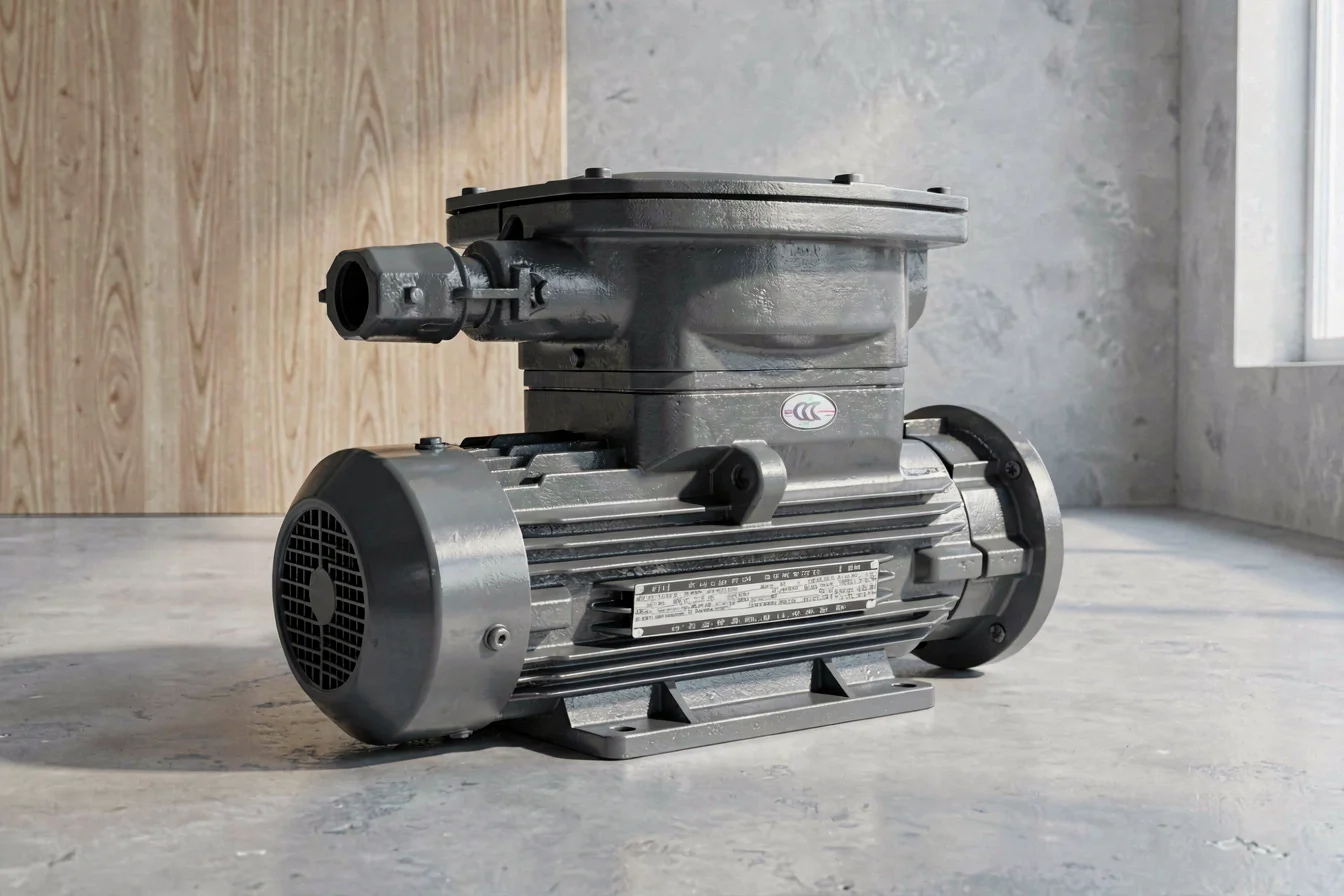
For buyers deciding between PDR induction motor and standard induction motor , the optimal choice hinges on application specificity and operational cost. PDR induction motor excels in precision automotive repair, offering compact design and advanced digital controls, while standard induction motor delivers broad compatibility, cost-effectiveness, and ecosystem support for general industrial use. Procurement logic suggests prioritizing PDR induction motor for specialized dent removal and standard induction motor for mainstream automation, with demand trending toward standard motors due to their reliability and lower total cost of ownership.
Both PDR induction motor and standard induction motor serve distinct markets, with the former designed for precision paintless dent repair and the latter as the backbone of industrial automation. PDR induction motor targets automotive technicians and repair shops seeking compact, high-efficiency solutions for dent removal, while standard induction motor appeals to industrial buyers needing robust, scalable motors for conveyor belts, pumps, and machinery. The urgency in decision-making is driven by the need to match product capability to operational requirements, as choosing the wrong type can lead to suboptimal performance or increased maintenance costs.
PDR induction motor offers digital control, adjustable power settings, and compact portability, addressing pain points in repair speed and ease of use. However, its limited ecosystem and higher price point can be barriers. Standard induction motor solves for compatibility, ecosystem support, and cost, but may lack the precision and flexibility of PDR variants. Technological innovations in PDR motors include advanced DSP heads and integrated timers, while standard motors continue to evolve with improved efficiency and broader certifications.
| Feature | PDR Induction Motor | Standard Induction Motor |
|---|---|---|
| Application | Paintless Dent Repair (Auto) | Industrial Automation |
| Size & Portability | Compact, portable | Variable; large-scale |
| Digital Control | Yes (precise power/time) | Yes (basic to advanced) |
| Ecosystem Support | Limited, niche | Extensive, mainstream |
| Price Range | €364–€1679 | Variable, lower overall |
| Certifications | CE, ISO | CE, ISO, NEMA, IEC |
The procurement dilemma centers on balancing precision and portability against ecosystem support and cost-efficiency, with buyers needing to align product choice to operational demands and long-term reliability.
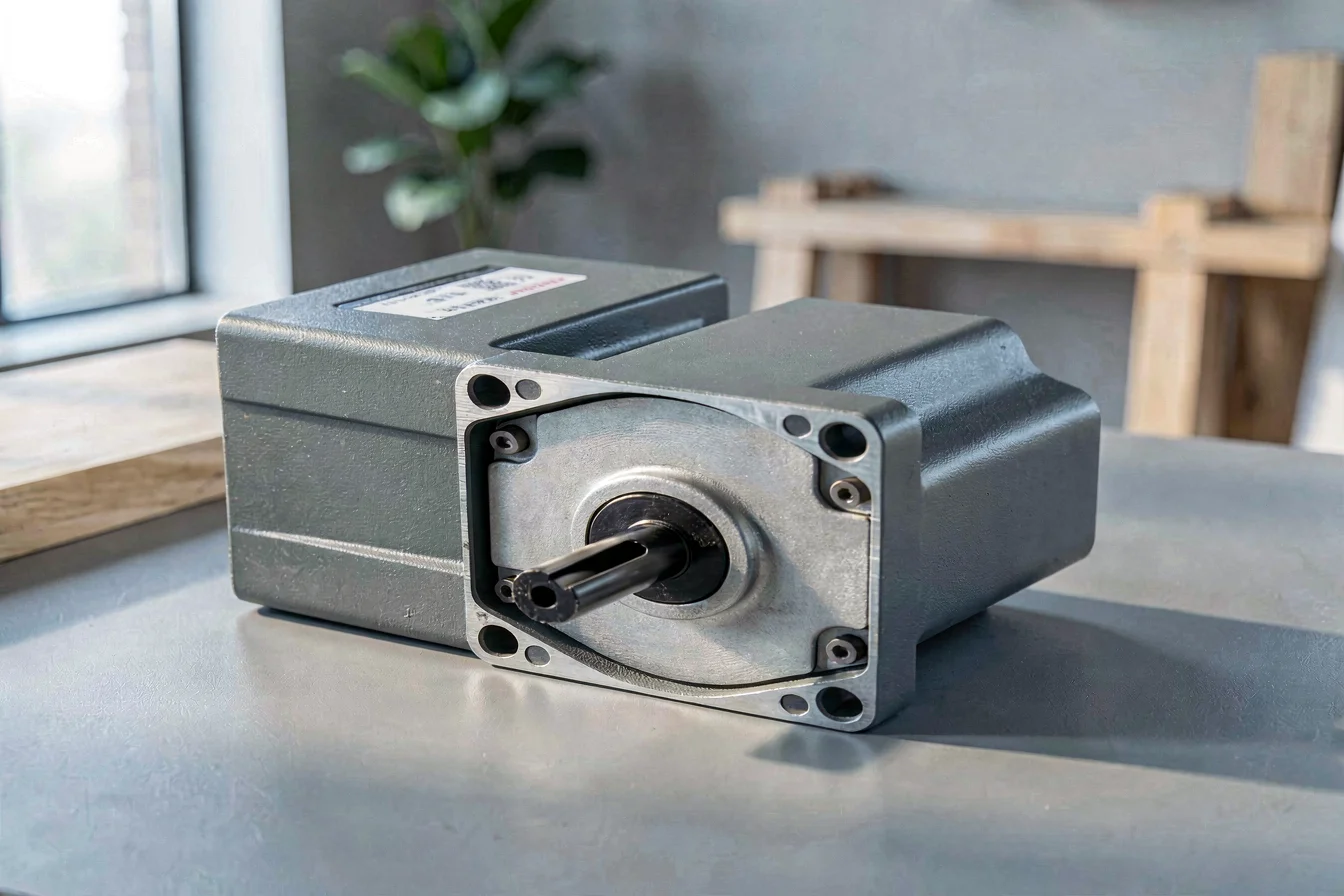
Durability is a critical factor when choosing between PDR induction motor and standard induction motor . PDR induction motor is engineered for high-frequency, short-cycle use in repair shops, delivering reliable performance for small dents and panel repairs. Its compact design and digital interface enhance ease of maintenance, but may be subject to higher wear in continuous use. Standard induction motor is built for endurance, supporting continuous operation in industrial settings, with robust construction and widespread availability of replacement parts.
Application scenarios reveal that PDR induction motor excels in automotive repair, offering quick access and minimal disruption, while standard induction motor is indispensable in manufacturing, logistics, and facility management. Buyers must weigh initial purchase price against maintenance, replacement frequency, and hidden costs such as downtime and support. Over a five-year horizon, the total cost of ownership for PDR induction motor can be higher due to niche replacement parts and specialized repair needs, while standard induction motor offers predictable, lower operational costs.
| Cost Factor | PDR Induction Motor | Standard Induction Motor |
|---|---|---|
| Initial Purchase Price | €364–€1679 | €200–€3000+ |
| Maintenance | Specialized, higher cost | Standard, lower cost |
| Replacement Frequency | Higher (niche parts) | Lower (wide availability) |
| Hidden Costs | Downtime, ecosystem cost | Minimal, ecosystem support |
| 5-Year TCO | Higher | Lower |
Durability, maintenance, and total cost of ownership favor standard induction motor for general industrial use, while PDR induction motor is best suited for specialized repair applications requiring precision and portability.
Both PDR induction motor and standard induction motor deliver unique value propositions in their respective markets. PDR induction motor is designed for automotive repair, enabling technicians to quickly and precisely remove dents without damaging paint. Standard induction motor is the backbone of industrial automation, providing scalable, reliable power for a wide range of applications. The urgency in choosing the right motor is driven by operational needs, with buyers needing to align product selection to specific use cases, cost constraints, and long-term reliability.
Market trend data shows that demand for standard induction motor remains strong across industrial sectors, with Google Trends indicating higher search volume and broader adoption [1]. Meanwhile, PDR induction motor retains niche appeal in automotive repair, with steady but lower interest. Buyers should assess their operational context—repair specificity versus industrial scale—to make informed procurement decisions.
Google Trends data from March 2025 to February 2026 shows that standard induction motor consistently outpaces PDR induction motor in search interest, reflecting broader adoption and ecosystem maturity. Peaks and valleys in search volume correspond to seasonal industrial activity and repair cycles, with standard induction motor maintaining a normalized value of 30–42 compared to PDR induction motor at 20–24. High-efficiency motors see even higher demand, indicating a trend toward energy-efficient solutions [1].
Search Interest over Time
Business recommendations: Standard induction motors remain the dominant choice for industrial buyers, while PDR motors should be targeted toward specialized repair needs, with procurement timing aligned to seasonal demand peaks.
Two contrasting case studies illustrate the practical outcomes and sentiment surrounding PDR induction motor and standard induction motor . The first case study features a mobile auto technician who adopted PDR induction motor for rapid dent removal, praising its compactness and precision but noting higher maintenance costs and limited part availability. The second case study involves an industrial facility manager who relies on standard induction motor for conveyor belt automation, highlighting reliability and ecosystem support but occasionally facing replacement and repair challenges.
Case Study 1: Mobile Auto Technician
A mobile auto technician in Europe upgraded to a PDR induction motor
after experiencing slow repair times and paint damage with older tools. The new motor’s compact design and digital controls enabled faster, more precise repairs, especially for small dents and panel waves. However, the technician faced higher repair costs and limited part availability, leading to increased downtime and frustration. As one Reddit user noted:
“Before you go out and replace the motor how annoying is the rattling? If it's not too annoying and you don't notice it much don't replace it. As long as that motor still turning he's good...” [5]
Case Study 2: Industrial Facility Manager
An industrial facility manager in North America chose standard induction motor
for conveyor belt automation, citing reliability, broad compatibility, and lower maintenance costs. The motors supported continuous operation, with easy access to replacement parts and widespread technical support. However, the manager occasionally faced challenges with motor replacements and repair, which were mitigated by regular maintenance and supplier relationships. As a Reddit user explained:
“Induction motors controlled by VVVF drives are the standard traction motor for modern electric trains...they’re generally not popular because they’re uncommon...uncommon things are more expensive to buy and maintain because you are not benefitting from a larger ecosystem of competition.” [4]
| Dimension | PDR Induction Motor | Standard Induction Motor |
|---|---|---|
| Overall Satisfaction | High (precision, portability) | Very High (reliability, support) |
| Most Praised Feature | Compact, digital control | Ecosystem, cost |
| Most Common Complaint | Limited parts, higher cost | Replacement, maintenance |
| Community Recommendation Rate | Moderate | High |
Viral content themes include debates about repair cost, ecosystem support, and reliability, with PDR motors favored for specialized repair and standard motors for mainstream industrial use. Cultural reception on Reddit and TikTok reinforces the niche status of PDR motors and the reliability of standard motors, with frequent discussions about cost, repair, and operational context.
Sentiment analysis confirms that standard induction motors are preferred for general industrial use due to reliability and ecosystem support, while PDR motors are valued for precision and portability in auto repair.
To optimize procurement decisions, buyers should start by identifying their core needs using a checklist:
Tiered recommendations:
| Tier | Recommended Product | Key Reason |
|---|---|---|
| Budget-Friendly | Standard Induction Motor | Cost, ecosystem support |
| Mid-Range | Standard Induction Motor | Reliability, versatility |
| Premium | PDR Induction Motor | Precision, portability |
Actionable optimization tips:
Buyers should align product selection to operational needs and budget, with premium PDR motors reserved for specialized repair and standard motors for mainstream industrial use.
Synthesizing insights, standard induction motor remains the dominant choice for industrial buyers due to reliability, ecosystem support, and lower total cost of ownership. PDR induction motor is best suited for automotive repair shops requiring precision and portability, with niche demand and higher operational costs. Forward-looking trends indicate continued growth in high-efficiency motors, driven by energy regulations and sustainability goals, while standard motors retain their core industrial position. Buyers should confidently act on procurement decisions, leveraging Alibaba.com for sourcing optimization, and share real-world experiences to inform future buyers.
Dual CTA: Share your experiences with PDR induction motor or standard induction motor for peer insights, and commercial buyers should explore wholesale options on Alibaba.com for optimized procurement and supply-chain resilience.