
All categories
Featured selections
Trade Assurance
Buyer Central
Help Center
Get the app
Become a supplier
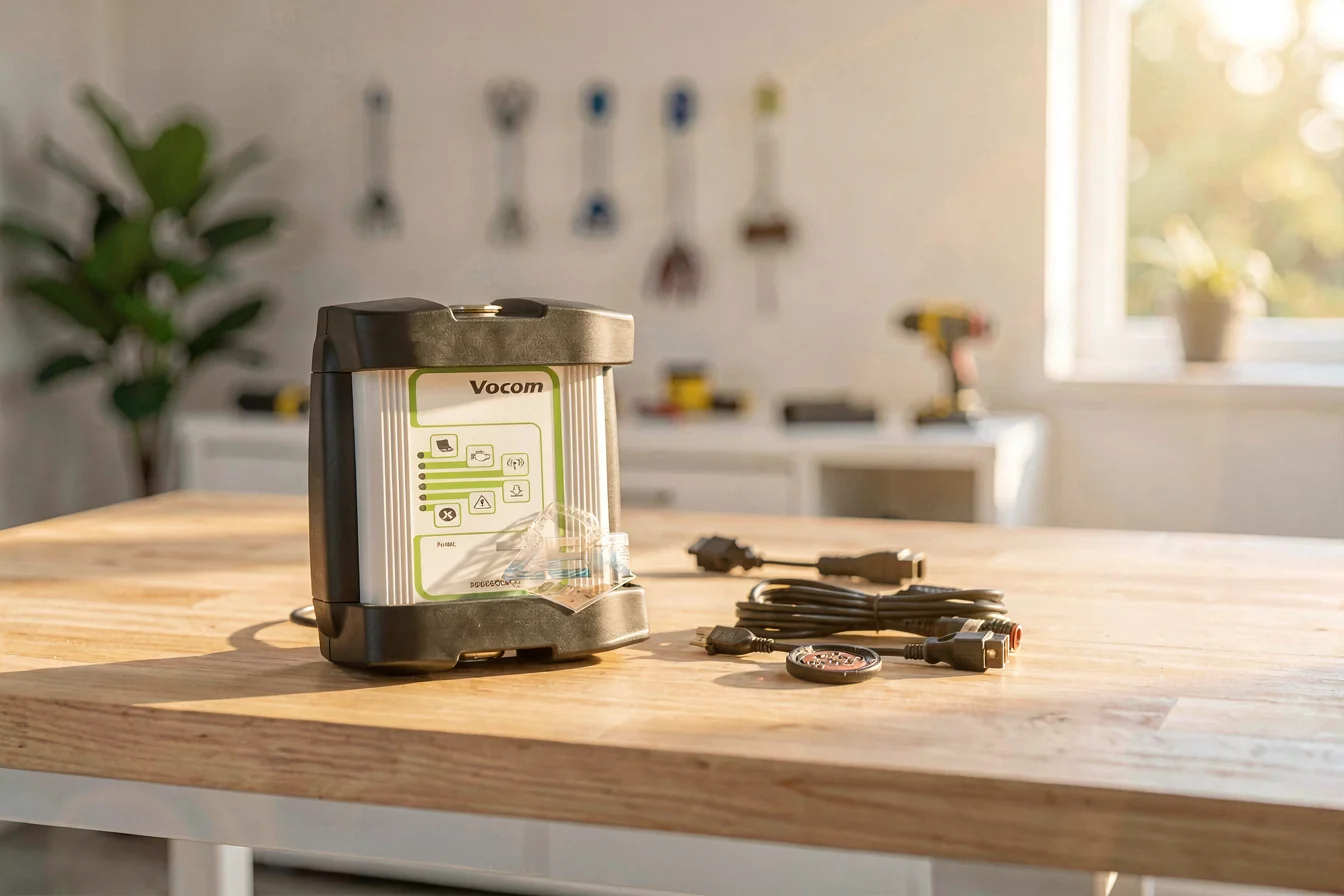
For Volvo vehicle owners and professional mechanics, the Volvo Diagnostic Tool is the optimal procurement choice, offering superior brand-specific compatibility, bidirectional control, and advanced coding features essential for modern Volvo models. The Penta Diagnostic Tool, while effective for marine engines and older Volvo Penta systems, lacks the depth and coverage needed for newer automotive platforms, especially SPA/CMA models. Given rising search interest and demand for Volvo-specific tools, buyers should prioritize Volvo Diagnostic Tools for reliable diagnostics, coding, and long-term cost efficiency[1][3].
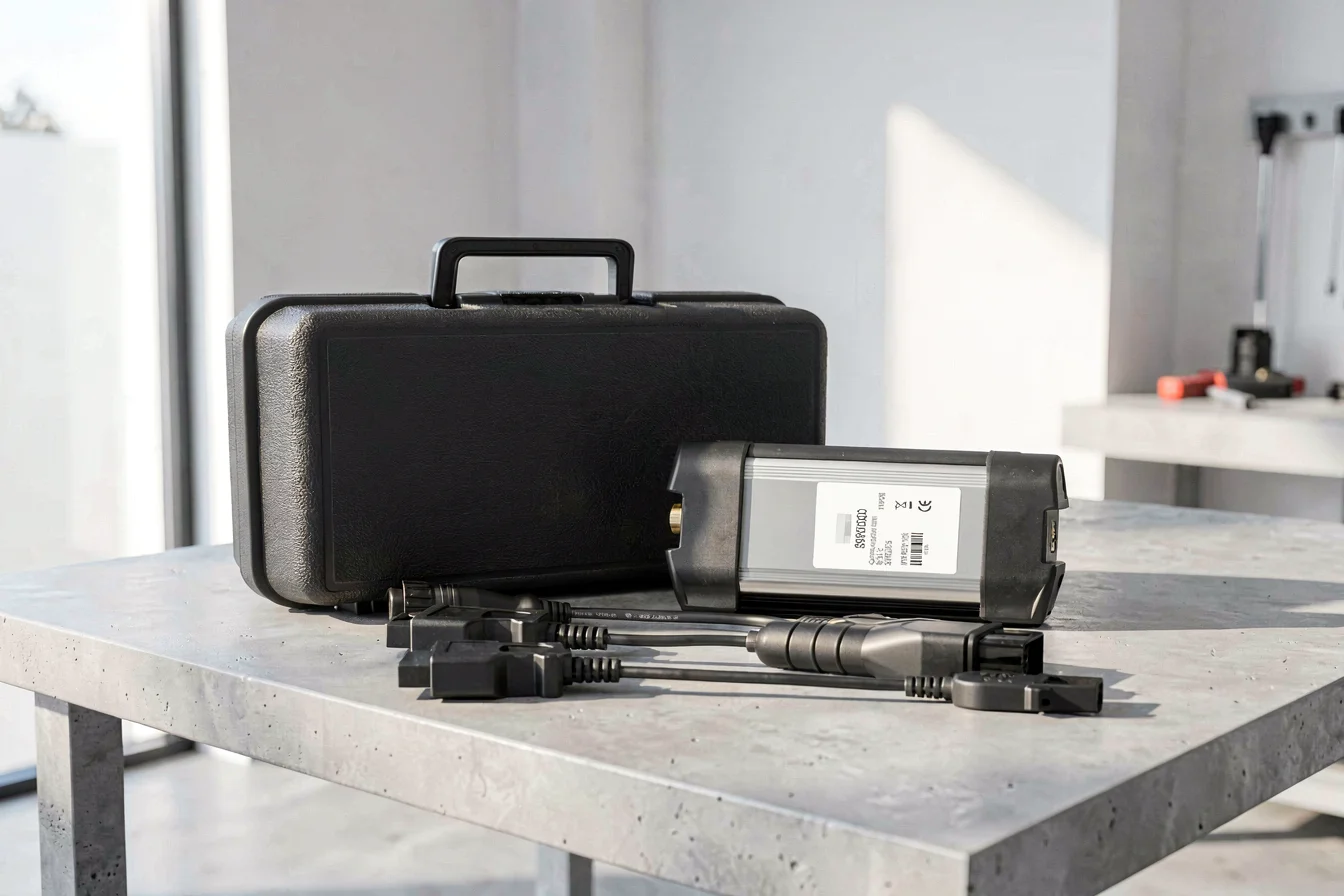
Volvo Diagnostic Tools are engineered specifically for Volvo automotive platforms, delivering deep system access, bidirectional control, and advanced coding capabilities for modern SPA/CMA models, while Penta Diagnostic Tools are optimized for marine inboard engines and older Volvo Penta systems, with limited coverage for automotive vehicles[2][3]. The urgency for informed procurement is driven by the increasing complexity of Volvo's electronic systems, tighter dealer access, and rising subscription costs for generic tools. Volvo Diagnostic Tools are essential for buyers needing full-system diagnostics, coding, and adaptation—especially for newer models with locked-down dealer functions. Penta Diagnostic Tools serve niche marine markets and legacy Volvo Penta engines but fall short on automotive compatibility and advanced features.
Traditional challenges solved by Volvo Diagnostic Tools include access to proprietary codes, bidirectional controls, and system coding for SPA/CMA vehicles, while Penta tools address marine engine diagnostics, basic resets, and legacy Volvo Penta compatibility. Innovations in Volvo Diagnostic Tools include mobile apps (V-Tool, VIDA), handheld scanners (iCarsoft VOL), and DoIP cable support, enabling direct dealer-level access without generic OBD limitations. Penta tools have remained focused on marine-specific functions, lacking updates for automotive platforms and newer Volvo models.
| Feature | Penta Diagnostic Tool | Volvo Diagnostic Tool |
|---|---|---|
| Target Platform | Marine, Volvo Penta inboard engines | Volvo automotive (SPA/CMA, legacy models) |
| Brand-Specific Coverage | Limited; marine only | Full; SPA/CMA, legacy, marine |
| Bidirectional Control | Basic; limited to marine | Advanced; full-system coding, resets |
| Dealer-Level Access | No | Yes (VIDA, V-Tool, iCarsoft VOL) |
| Subscription Costs | None; marine only | $20–$200/year (V-Tool, VIDA) |
| Hardware Compatibility | Marine-specific cables | DoIP, Bluetooth, handheld |
Durability is a critical factor for buyers, especially those investing in diagnostic tools for commercial or high-volume use. Volvo Diagnostic Tools are built for longevity, with robust hardware (DoIP cables, handheld scanners), regular software updates, and proven reliability across multiple Volvo models[3]. Penta Diagnostic Tools, while durable in marine contexts, lack automotive-grade updates and are less suited for high-frequency automotive diagnostics. Performance consistency is higher with Volvo Diagnostic Tools, particularly for newer SPA/CMA models, where system coding and bidirectional control are essential.
Application scenarios differ sharply: Volvo Diagnostic Tools excel in dealer-level diagnostics, coding, resets, and live data monitoring for automotive platforms, while Penta tools are best for marine engine troubleshooting and legacy Volvo Penta systems. Buyers should consider their use case—whether automotive, marine, or mixed—before procurement.
Long-term cost outlook is shaped by subscription fees, hardware replacement, and hidden costs like dealer diagnosis fees. Volvo Diagnostic Tools require subscriptions ($20–$200/year) and DoIP cables ($50–$200), but deliver value through dealer-level access and system coding. Penta tools have no subscription costs but limited automotive coverage, potentially increasing dealer fees and diagnostic delays.
| Cost Factor | Penta Diagnostic Tool | Volvo Diagnostic Tool |
|---|---|---|
| Initial Purchase | $100–$300 (marine-only) | $200–$500 (automotive, marine) |
| Subscription Fees | None | $20–$200/year |
| Hardware Replacement | Marine cables ($50–$100) | DoIP cables ($50–$200) |
| Dealer Diagnosis Fees | $198–$250 (if delayed) | Reduced with direct access |
| 5-Year Total Cost | $250–$600 | $400–$1000 |
The core value of diagnostic tools lies in their ability to streamline troubleshooting, reduce downtime, and enable coding for modern vehicles. Volvo Diagnostic Tools excel in automotive diagnostics, especially for SPA/CMA models, dealer-level coding, and bidirectional control. Penta Diagnostic Tools are best suited for marine engine diagnostics and legacy Volvo Penta systems.
Market trend data shows Volvo Diagnostic Tools are increasingly demanded for newer models, with search interest peaking around late 2025 and early 2026[1]. Urbanization and multi-generational living drive demand for reliable, dealer-level diagnostics, while e-commerce platforms like Alibaba.com enable bulk procurement and OEM customization for commercial buyers.
Google Trends data reveals Volvo Diagnostic Tool search interest consistently outpaces Penta Diagnostic Tool, with notable peaks in late 2025 and early 2026. This signals rising demand for brand-specific tools, especially among buyers targeting SPA/CMA models and dealer-level coding.
Search Interest over Time
Business recommendation: Buyers should prioritize Volvo Diagnostic Tools for high-search, high-demand periods, aligning procurement with new model launches and dealer-level coding needs[1].
Reddit and TikTok discussions highlight pain points around dealer fees, subscription fatigue, and limited generic OBD access for Volvo models. Users consistently praise brand-specific tools like VIDA, V-Tool, and iCarsoft VOL for dealer-level access, bidirectional control, and system coding. Penta Diagnostic Tools receive limited attention, mostly in marine contexts or legacy Volvo Penta engines.
Case Study 1: A Volvo owner on Reddit describes the frustration with dealer diagnosis fees and the relief of using a V-Tool mobile app for daily diagnostics and resets. "I went with a foxwell for a standalone bidirectional, it does all the normal stuff. 809ts is the model I think. You don't really need it for anything on spa though other than troubleshooting. There is no transmission fluid life reset like there was on the previous gen, you can do the oil serv"[3].
Case Study 2: A DIY mechanic details the transition from generic OBD tools to a professional scanner, emphasizing the value of bidirectional controls and dealer-level access. "I bought my Autel MK808BT 2 years ago, be... It can trigger ABS and other components, handles full-system diagnostics, and the lifetime updates plus fast support make it really easy to use—perfect for a home mechanic with a few different vehicles"[5].
"I went with a foxwell for a standalone bidirectional, it does all the normal stuff. 809ts is the model I think. You don't really need it for anything on spa though other than troubleshooting." [3]
"It can trigger ABS and other components, handles full-system diagnostics, and the lifetime updates plus fast support make it really easy to use—perfect for a home mechanic with a few different vehicles." [5]
| Dimension | Penta Diagnostic Tool | Volvo Diagnostic Tool |
|---|---|---|
| Overall Satisfaction | Moderate; marine-focused | High; automotive-focused |
| Most Praised Feature | Basic marine diagnostics | Dealer-level coding, bidirectional |
| Most Common Complaint | Limited automotive coverage | Subscription costs, dealer access |
| Community Recommendation Rate | Low; niche marine | High; automotive mainstream |
Social pulse: Viral content themes include subscription fatigue, dealer fees, and preference for mobile/handheld tools with lifetime updates. Recurring debate points center on dealer-level access, bidirectional controls, and the value of direct coding. Cultural reception favors Volvo Diagnostic Tools for mainstream automotive use, while Penta tools remain niche for marine.
Buyers should start by identifying their core needs: primary use case (automotive, marine, mixed), budget range ($100–$1000), must-have features (dealer-level coding, bidirectional control, mobile/handheld), and required coverage (SPA/CMA, legacy models). Key questions include: "Will I need dealer-level coding for newer Volvo models?" "Is marine engine diagnostics required?" "Am I willing to pay for subscription updates?"
Tiered recommendations:
| Tier | Recommended Product | Key Reason |
|---|---|---|
| Budget-Friendly | Penta Diagnostic Tool | Marine-focused, no subscription fees |
| Mid-Range | Volvo Diagnostic Tool | Automotive coverage, bidirectional control |
| Premium | Volvo Diagnostic Tool | Dealer-level coding, mobile/handheld |
Optimization tips: Buy during new model launches for best pricing, bundle with DoIP cables for full coverage, prioritize lifetime update support, avoid generic OBD tools for SPA/CMA models, and beware of subscription fatigue. Common mistakes include underestimating dealer fees, neglecting coverage for newer models, and failing to update hardware regularly.
Key insights: Volvo Diagnostic Tools are increasingly demanded for dealer-level coding, bidirectional control, and full-system diagnostics, especially for SPA/CMA models. Penta Diagnostic Tools remain niche for marine and legacy Volvo Penta engines. Future trends point toward higher demand for brand-specific tools, mobile/handheld scanners, and lifetime update support. Buyers should act confidently, prioritize Volvo Diagnostic Tools for mainstream automotive use, and share experiences to guide future procurement. Commercial buyers should leverage Alibaba.com for bulk sourcing, OEM customization, and supply-chain resilience.
Confident buyer action: Share your experiences with Volvo Diagnostic Tools and Penta Diagnostic Tools, and commercial buyers should source directly from Alibaba.com to secure optimal pricing, coverage, and supply-chain reliability.