
All categories
Featured selections
Trade Assurance
Buyer Central
Help Center
Get the app
Become a supplier
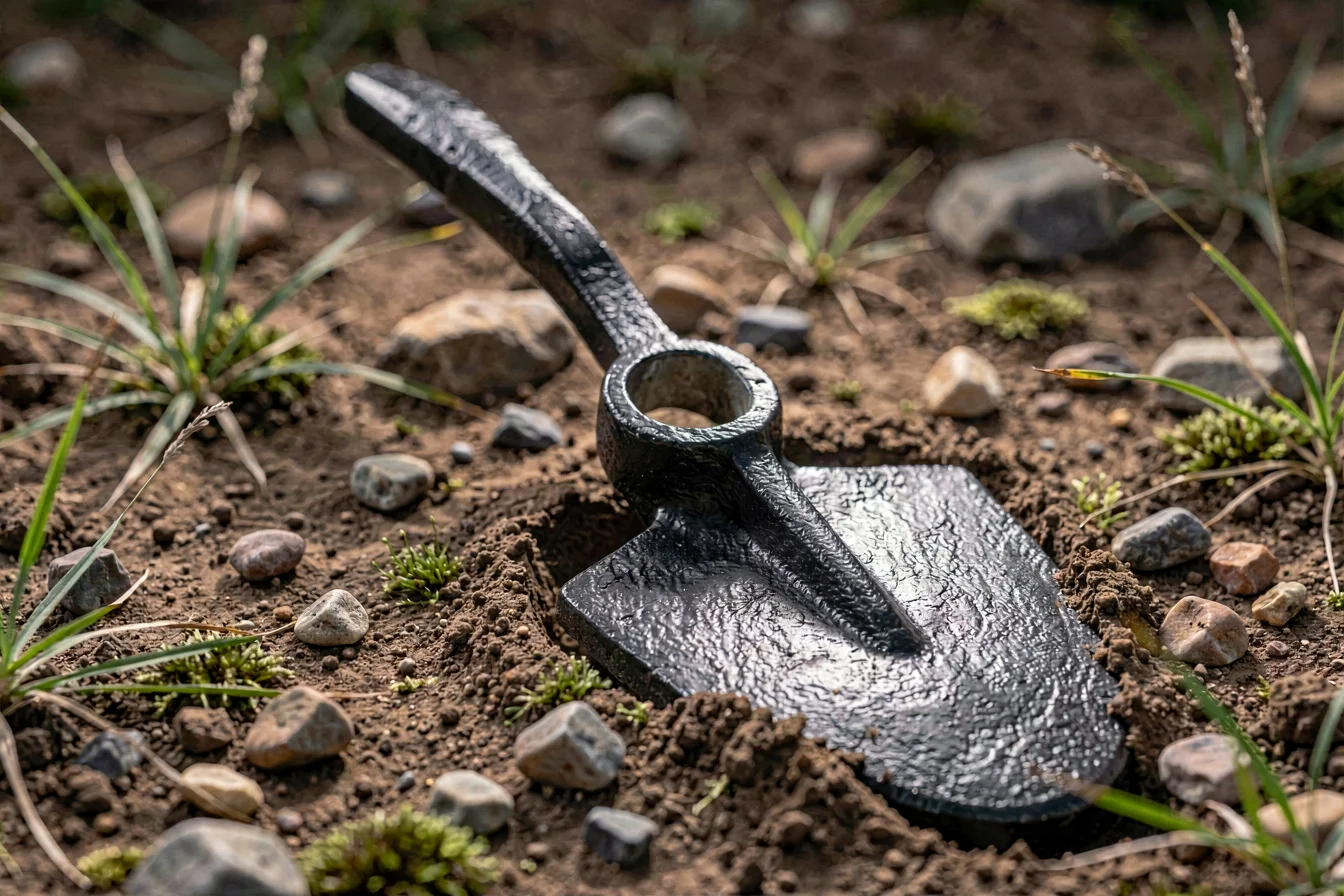
A pick axe excels at breaking hard surfaces, rocks, and compacted ground, making it ideal for mining and construction. A mattock offers versatility for digging, root removal, and landscaping, favored for mixed terrain and dense vegetation. Google Trends reveals rising demand for mattock , signaling its increasing relevance in landscaping and construction markets[1].
Both pick axe and mattock are essential for heavy-duty groundwork, but their design and application diverge. A pick axe features a pointed head for concentrated force, making it optimal for breaking hard surfaces, rocks, and concrete[2][7]. In contrast, a mattock combines an axe, adze, or pick with a horizontal blade, enabling versatile digging and root removal[3][5]. The urgency in choosing the right tool is driven by the terrain: rocky, compacted ground demands a pick axe , while mixed soil and dense vegetation call for a mattock . Recent innovations include fibreglass handles for improved durability and ergonomic grips for user comfort[4]. The procurement dilemma centers on matching tool strength and versatility to project needs—pick axe for precision, mattock for adaptability.
| Feature | Pick Axe | Mattock |
|---|---|---|
| Head Design | Pointed, chisel | Axe/adze/pick, horizontal |
| Best Use Case | Hard ground, rocks | Mixed soil, roots |
| Weight Range | 2.3–3.2 kg | 3–7 kg |
| Handle Material | Wood/fibreglass | Wood/fibreglass |
| Procurement Logic | Precision, durability | Versatility, adaptability |
The pick axe is superior for hard surfaces, while the mattock is better for mixed terrain and root-heavy soil, making procurement decisions highly context-dependent.
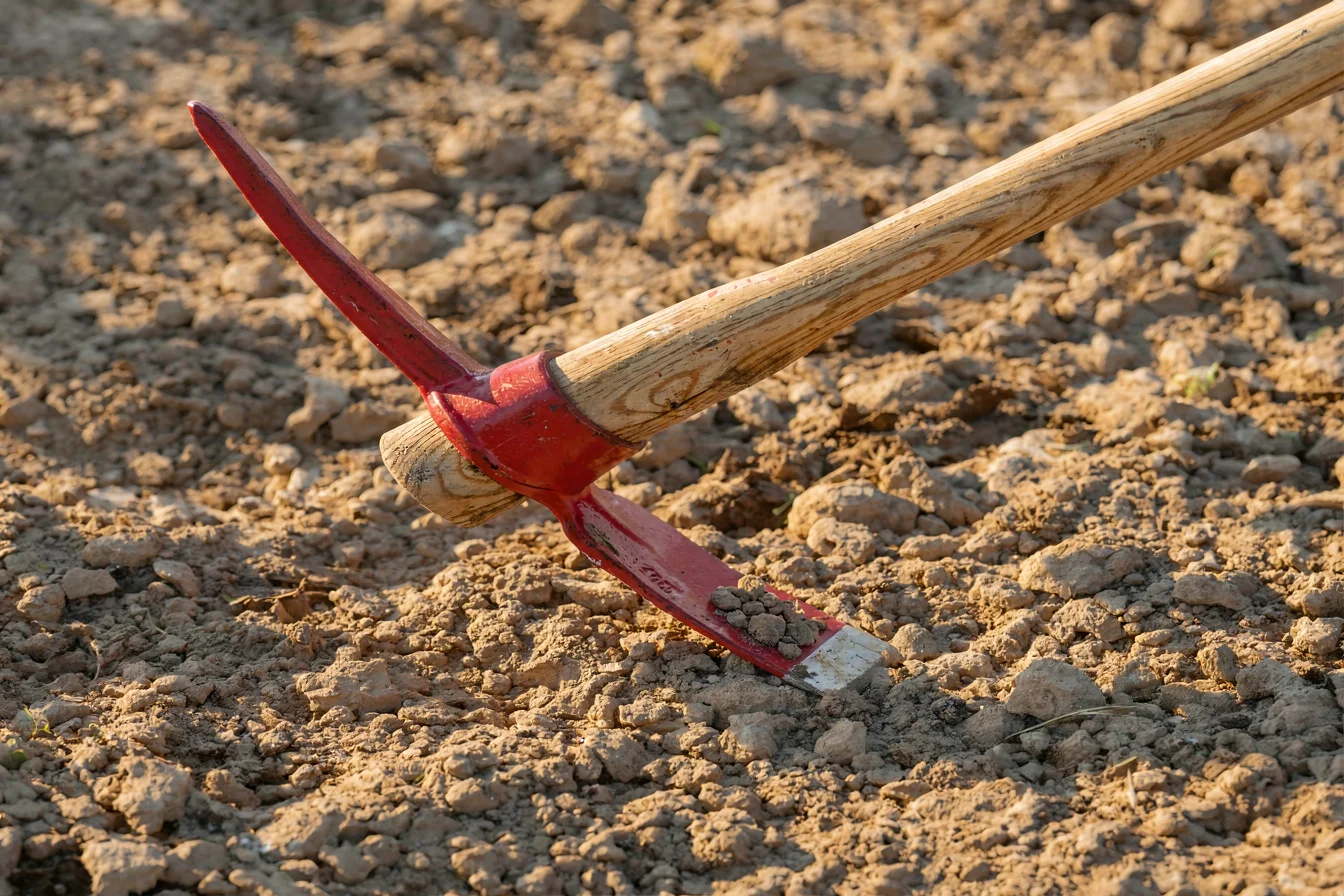
Durability is critical in heavy-duty groundwork. A pick axe typically features a forged steel head and a handle (wood or fibreglass), delivering robustness for breaking hard surfaces[4]. Its lifespan is high, especially when used for its intended purpose. A mattock is built for versatility, with a head weight of 3–7 kg and a handle designed for ergonomic comfort[3][4]. Mattock durability is often tested in mixed terrain and root-heavy soil, with users reporting exceptional longevity when handles are well-maintained or upgraded to fibreglass.
Application scenarios vary: pick axe is best for compacted ground, rocks, and construction; mattock excels in landscaping, root removal, and mixed soil. Over a five-year period, the total cost of ownership includes initial purchase price, maintenance, replacement frequency, and hidden costs such as ergonomic wear and replacement handles. Fibreglass handles reduce maintenance needs and increase lifespan, while wooden handles may require periodic oiling or replacement.
| Cost Factor | Pick Axe | Mattock |
|---|---|---|
| Initial Price | $20–$60 | $30–$90 |
| Maintenance | Low (handle care) | Low (fibreglass preferred) |
| Replacement Frequency | Rare | Rare (if handle maintained) |
| Hidden Costs | Ergonomic wear | Handle replacement |
| 5-Year Total Cost | $20–$80 | $30–$120 |
Mattock offers higher versatility and durability for mixed terrain, while pick axe delivers precision and lower total cost for hard ground projects.
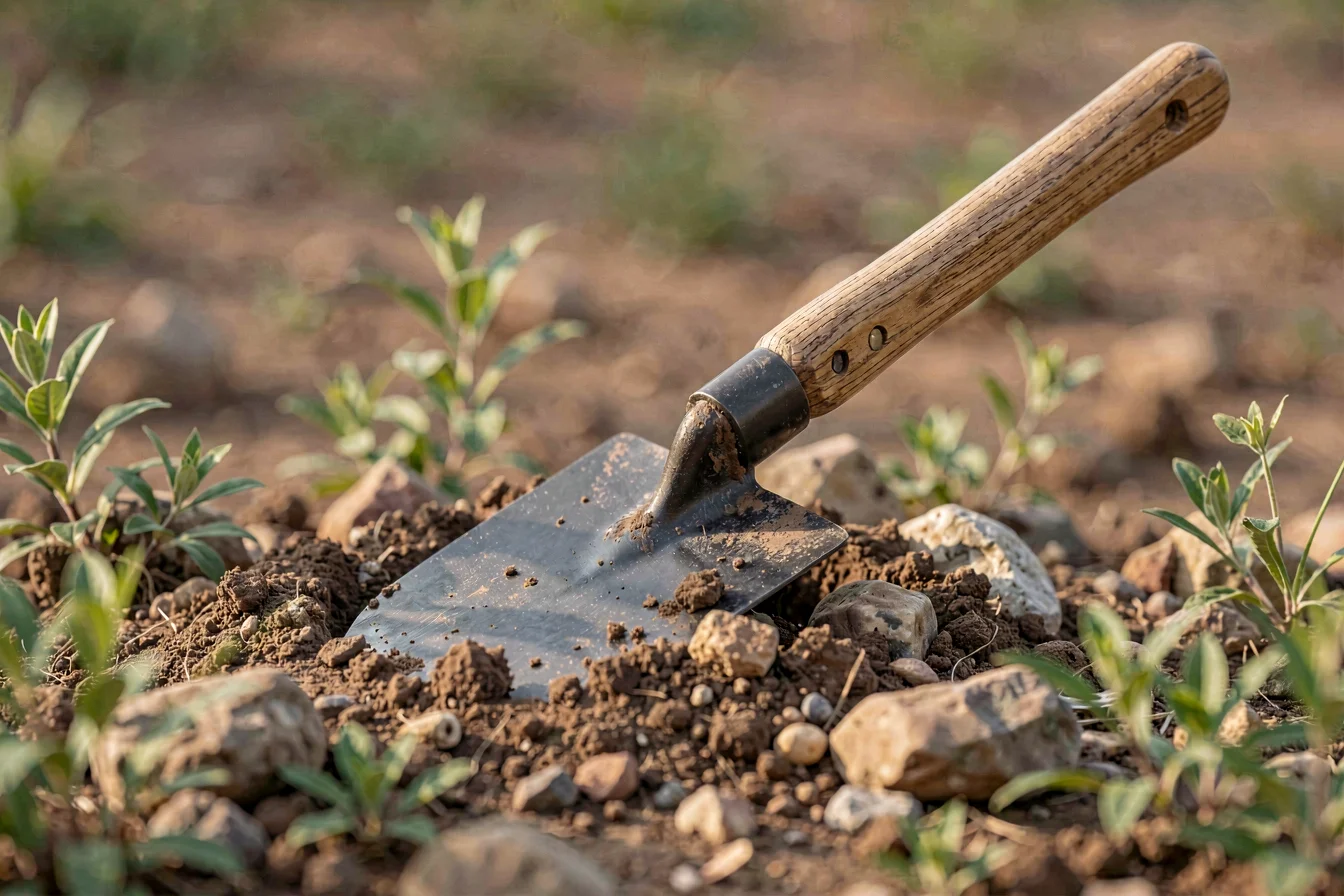
The core value of pick axe and mattock lies in their ability to tackle challenging groundwork, but their relevance is shaped by market trends and application scenarios. Urbanization, landscaping, and construction are driving demand for versatile tools. Pick axe is favored in mining, construction, and heavy-duty site preparation, while mattock is increasingly sought for landscaping, gardening, and root removal in mixed terrain.
Google Trends data shows a marked rise in interest for mattock from March 2025 through early 2026, peaking at 93 in January 2026, while pick axe remains steady at lower values[1]. This indicates a shift in demand towards versatile tools for landscaping and mixed terrain. Search volatility suggests seasonal spikes, with landscaping and renovation projects driving interest during spring and summer.
Search Interest over Time
Procurement strategy should prioritize mattock for landscaping and mixed terrain, while pick axe remains essential for mining and construction.
Case Study 1: A landscaping professional on Reddit shared, “I wanted to know the difference between these two. Can anyone guide me?” Community feedback emphasized mattock’s versatility for digging and root removal, while pick axe was praised for breaking hard surfaces. One user noted, “A mattock is better for mixed terrain, but a pick axe is superior for rocks.” Another highlighted, “It's not worth spending the money on expensive ones like Fiskars. Buy a cheap one. Soak the head end in linseed oil if it loosens and falls off.”[9]
Case Study 2: A construction worker posted, “Never underestimate the power of an 8 Pounder and a mattock. Took me a half hour to reduce this 3 foot by 15 foot concrete slab into rubble.” Community responses praised the mattock’s effectiveness, with one user saying, “John Henry would be proud,” and another adding, “Never underestimate the power of the person who can make those tools work like that. Kudos to you, very impressive.”[12]
“I think you need to change the block that is displayed know ther right corner is a stair you need to change to a half block...” [15]
“I have a slab I'd like to demo but never done this before. How do you do this?” [12]
| Dimension | Pick Axe | Mattock |
|---|---|---|
| Overall Satisfaction | High for hard surfaces | High for mixed terrain |
| Most Praised Feature | Precision, durability | Versatility, adaptability |
| Most Common Complaint | Handle wear, ergonomic strain | Head loosening, handle maintenance |
| Community Recommendation Rate | High for mining/construction | High for landscaping/gardening |
Viral content themes include DIY hacks for extending tool life, ergonomic tips, and comparisons between mattock and pick axe in challenging projects. Debate points center on cost-effectiveness, durability, and best use cases. Cultural reception favors mattock for versatility, pick axe for precision.
User feedback confirms mattock’s adaptability and pick axe’s precision, with social media highlighting practical tips for maximizing tool performance.
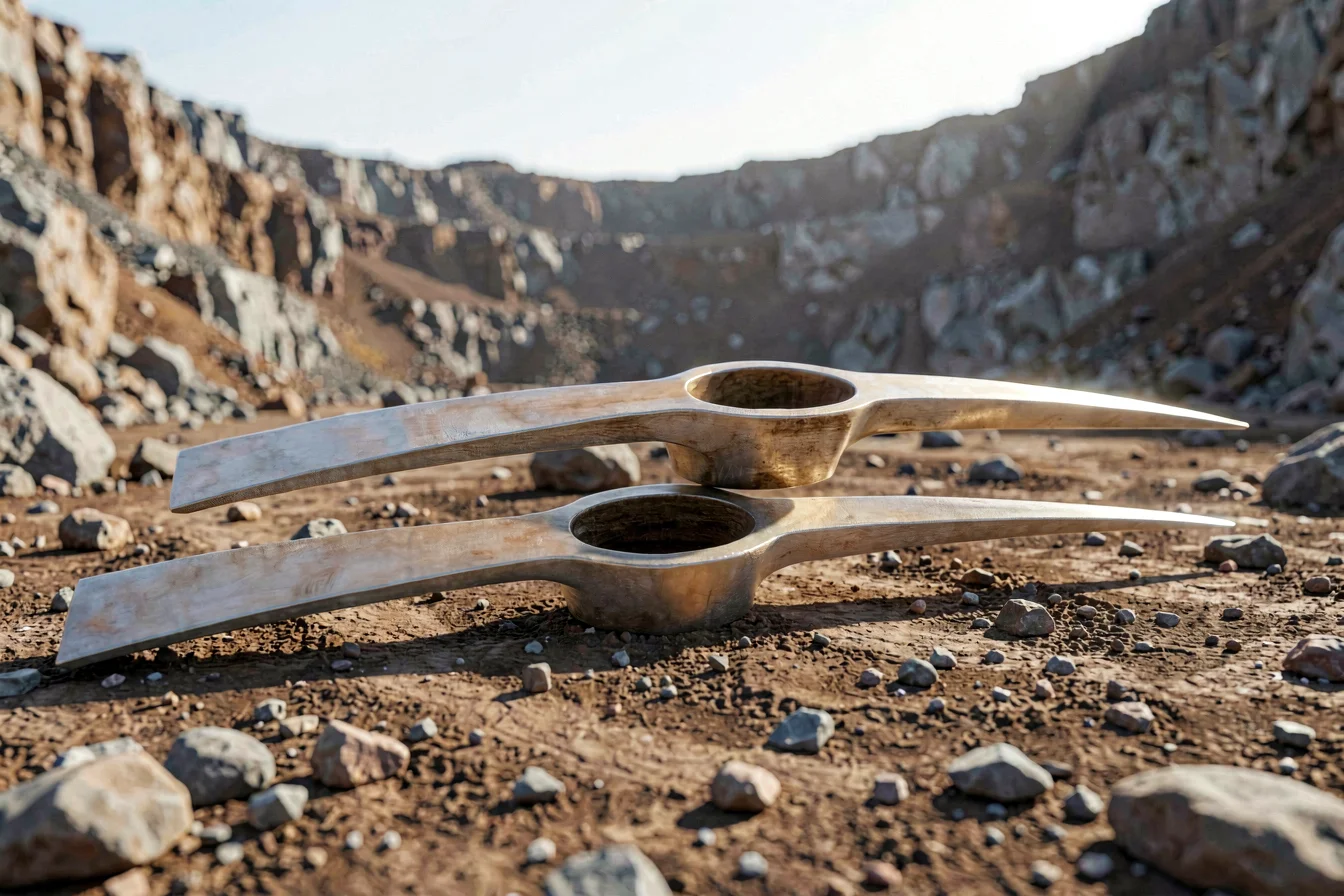
Buyers should start by identifying their core needs: primary use case, budget range, must-have vs. nice-to-have features. Key questions include:
| Tier | Recommended Product | Key Reason |
|---|---|---|
| Budget-Friendly | Mattock | Versatile for mixed terrain, lower maintenance |
| Mid-Range | Pick Axe | Precision for hard surfaces, ergonomic handles |
| Premium | Mattock (full-body metal, fibreglass handle) | Longest lifespan, superior durability |
Optimization tips: Buy during seasonal peaks (spring/summer) for best prices; bundle with ergonomic grips for comfort; prioritize fibreglass handles for reduced maintenance. Avoid common mistakes: buying oversized tools for small jobs, neglecting handle maintenance, and ignoring ergonomic fit.
Buyers should match tool to terrain and budget, prioritizing mattock for mixed terrain and pick axe for hard surfaces, with premium options for highest durability.
Synthesis: pick axe remains the tool of choice for breaking hard surfaces, rocks, and concrete, with steady demand in mining and construction. Mattock is gaining momentum for landscaping, gardening, and mixed terrain, driven by urbanization and e-commerce trends. Google Trends and social media confirm mattock’s rising popularity, signaling a shift towards versatile tools. For the next 6–12 months, buyers should prioritize mattock for landscaping and renovation projects, and pick axe for mining and construction. Forward-looking recommendations: invest in fibreglass handles for durability, bundle ergonomic grips for comfort, and monitor seasonal demand for optimal procurement.
Confident buyers should share experiences and feedback to optimize tool selection; commercial buyers should leverage Alibaba.com for wholesale sourcing and bulk procurement.