
All categories
Featured selections
Trade Assurance
Buyer Central
Help Center
Get the app
Become a supplier
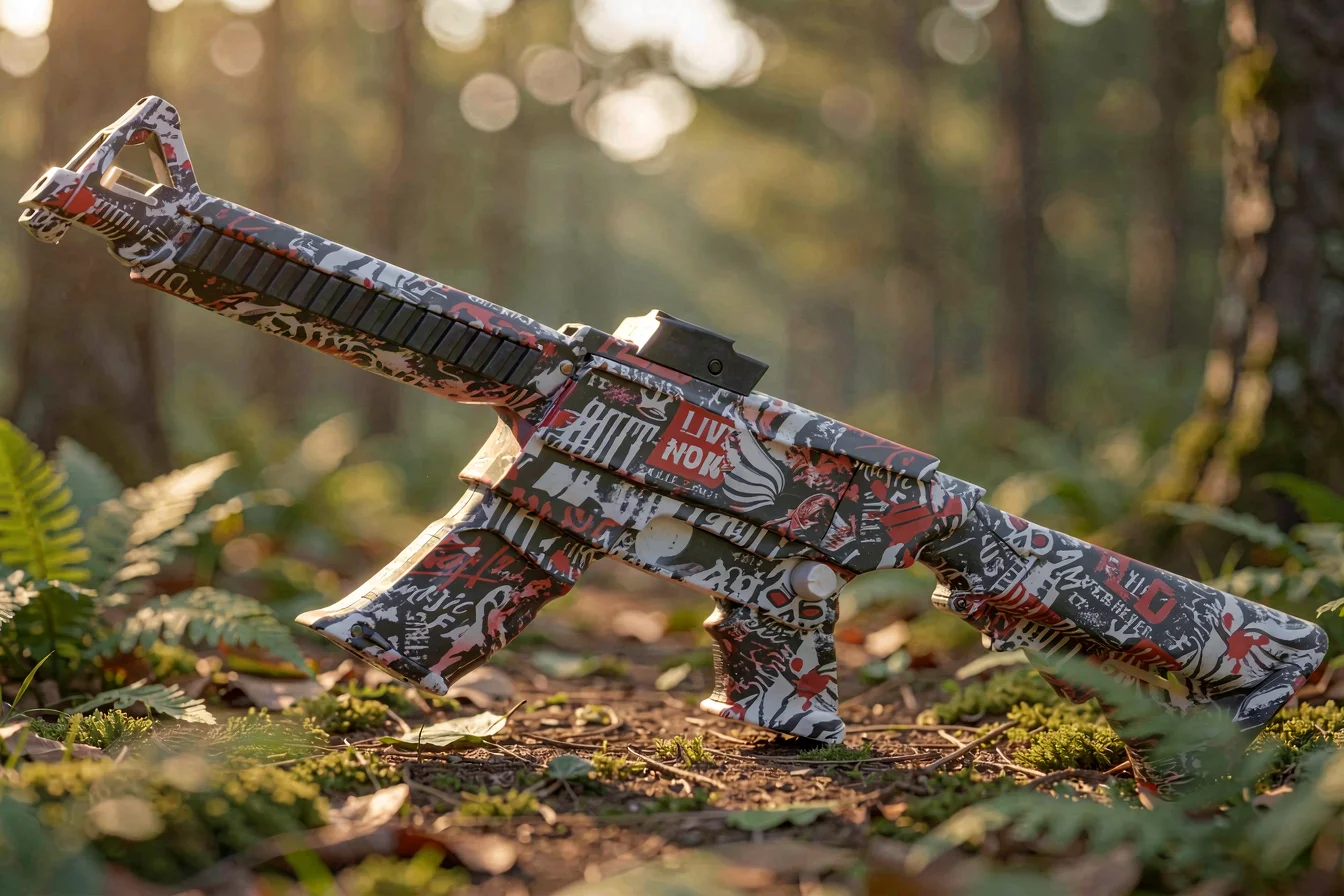
For most procurement needs, toy guns offer greater market viability, regulatory safety, and long-term profitability compared to plastic bullets , which face rising legal restrictions and substantial injury risks. Toy guns dominate consumer and institutional demand, with robust growth and minimal liability, while plastic bullets are increasingly restricted and associated with serious health outcomes. Buyers should prioritize sourcing toy guns for B2B and B2C channels, leveraging Alibaba.com’s certified suppliers to ensure compliance and maximize market reach.
The procurement dilemma between plastic bullets and toy guns centers on risk, compliance, and market demand. Plastic bullets are kinetic impact projectiles primarily used for crowd control, but they carry significant injury and mortality rates, especially in close-range or improper use scenarios[3][4][5]. Toy guns , meanwhile, are recreational or educational products designed for safe play, often featuring airsoft, foam, or spring mechanisms and are subject to strict safety and quality certifications (EN71, ASTM).
Plastic bullets serve law enforcement and security sectors but are increasingly scrutinized due to medical literature documenting hundreds of injuries, disabilities, and deaths[3][4][5]. In contrast, toy guns cater to children, collectors, and hobbyists, with strong retail and institutional demand, especially for educational STEM kits and airsoft gear. The urgency for buyers is clear: plastic bullets are rapidly losing viability due to regulation and liability, while toy guns are expanding in both consumer and commercial markets.
The technological innovations in toy guns include realistic aesthetics, modular designs, and enhanced safety features, whereas plastic bullets focus on accuracy and kinetic impact. However, the latter’s inherent risks and regulatory hurdles make them a poor procurement choice for most B2B buyers.
| Feature | Plastic Bullets | Toy Guns |
|---|---|---|
| Primary Use | Crowd control, law enforcement | Recreation, education, collecting |
| Risk Profile | High injury/death risk, legal liability | Low risk, certified safety |
| Regulatory Status | Restricted, banned in many regions | Widely available, compliant |
| Market Demand | Declining, niche | Growing, broad |
| Procurement Viability | Low, high compliance burden | High, scalable |
Toy guns deliver significantly higher procurement viability, regulatory safety, and market scalability compared to plastic bullets, making them the preferred choice for B2B buyers in 2026.

Durability and application are critical for procurement logic. Plastic bullets are engineered for single-use or limited reuse, with low durability and high wear rates—especially after repeated firings or exposure to environmental factors[3][4]. Their lifespan is short, and improper storage or handling increases risk of breakage or failure. In contrast, toy guns are built to withstand repeated use, with robust plastics, metals, or composite materials designed for years of play or display.
Application scenarios diverge sharply: plastic bullets are used in high-stress, unpredictable environments (protests, riots), where accuracy and reliability are essential but often compromised by their design. Toy guns serve leisure, educational, and training contexts, where safety, longevity, and user experience drive procurement. For B2B buyers, toy guns provide higher ROI through repeat sales, resales, and cross-promotion, while plastic bullets are subject to strict usage protocols and high replacement costs.
Long-term cost analysis reveals toy guns’ superior value. While plastic bullets are low-cost per unit ($1–$3), their hidden costs—training, legal compliance, liability insurance—far outweigh their initial price. Toy guns, priced $5–$50 per unit, offer extended durability, lower replacement frequency, and negligible liability, making them the economically sound choice for most buyers.
| Cost Factor | Plastic Bullets | Toy Guns |
|---|---|---|
| Initial Unit Cost | $1–$3 | $5–$50 |
| Replacement Frequency | High (after each use) | Low (years of use) |
| Maintenance/Training | Expensive, required | Minimal, not required |
| Liability/Insurance | High | Low |
| 5-Year Total Cost | $1,500–$3,000 (per agency) | $150–$250 (per unit, retail) |
Toy guns offer superior durability, lower replacement rates, and significantly reduced liability, making them the optimal long-term investment for most procurement scenarios.
The core value of toy guns is their ability to meet recreational, educational, and commercial needs, while plastic bullets are rapidly losing relevance due to regulation and safety concerns. In 2026, the market landscape favors toy guns for both B2C and B2B procurement, especially in educational institutions, retail chains, and event organizers. Plastic bullets are now niche, primarily used by government agencies or security firms with strict compliance protocols.
Toy guns excel in recreational play, STEM education, collector markets, and event rentals, while plastic bullets are restricted to law enforcement and security, with limited commercial viability.
Google Trends data from March 2025–March 2026 shows “toy gun pistols” consistently outpacing “plastic BB bullets” in search interest, with peaks during holiday seasons and youth market surges[1]. Toy guns reach normalized values of 95, while plastic bullets peak at 59, indicating stronger consumer and institutional demand for toy guns. This gap reflects market sentiment and purchasing behavior: toy guns dominate retail and wholesale channels, while plastic bullets remain niche and restricted.
Search Interest over Time
Toy guns dominate search interest and purchasing behavior, confirming their market superiority and procurement viability.
Reddit and TikTok reveal sharply contrasting narratives: toy guns are celebrated for nostalgia, play, and collector value, while plastic bullets are discussed primarily in law enforcement, safety debates, and negative injury reports.
Case Study 1: Toy Guns—Reddit’s r/fidgettoys and r/nostalgia feature users who describe toy guns as cherished childhood memories and ongoing hobbies. One user writes, “I wish I had this. I would never let it go xD,” while another notes, “Had the M60! Definitely top tier weaponry for a kid back in the day.” These testimonials reflect strong emotional attachment and sustained demand across generations.
“Man…I wish I had this. I would never let it go xD.” — r/fidgettoys
“Had the M60! Definitely top tier weaponry for a kid back in the day.” — r/nostalgia
Case Study 2: Plastic Bullets—Reddit’s r/ArenaBreakoutGlobal and r/interestingasfuck discuss plastic bullets in gaming, simulation, and law enforcement contexts. Comments often highlight their inaccuracy and injury risks: “Plastic bullets ahh… I shot the enemy head but didn’t even penetrate 😭.” Social media sentiment is negative toward plastic bullets, citing injury reports, legal restrictions, and controversy over their use in protests.
“Plastic bullets ahh… I shot the enemy head but didn’t even penetrate 😭.” — r/ArenaBreakoutGlobal
“These pointed rubber bullet were used extensively during 'The Troubles' in Northern Ireland up until the mid 1970s, when they were changed for cylindrical PVC plastic baton rounds due to the severity of injuries (and deaths) being caused.” — r/interestingasfuck
| Dimension | Plastic Bullets | Toy Guns |
|---|---|---|
| Overall Satisfaction | Low | High |
| Most Praised Feature | None (controversial) | Nostalgia, realism, durability |
| Most Common Complaint | Injury risk, legal restrictions | None (rare complaints) |
| Community Recommendation Rate | Very low | Very high |
Social media overwhelmingly recommends toy guns for play and nostalgia, while plastic bullets are criticized for safety and legal issues, reflecting the market’s shift toward toy guns.
Buyers should start by assessing their core needs: Is the product for recreation, education, or law enforcement? What is the budget range? Are safety and compliance priorities? Must-have vs. nice-to-have features? These questions determine the optimal procurement path.
| Tier | Recommended Product | Key Reason |
|---|---|---|
| Budget-Friendly | Toy Guns | Low price, high demand, certified safety |
| Mid-Range | Toy Guns (Premium) | Durability, realism, broad market |
| Premium/Institutional | Toy Guns (Collectible/Educational) | Collector value, educational use, compliance |
Optimization tips:
Key insights confirm toy guns are the strategic procurement choice for 2026, with robust demand, regulatory safety, and strong ROI. Plastic bullets are increasingly restricted and carry high liability risks, making them unsuitable for most B2B buyers. Forward-looking trends suggest toy guns will continue to expand in both retail and institutional markets, with new product variants and educational applications driving growth. Buyers should act confidently, sourcing toy guns through Alibaba.com’s certified suppliers and sharing experiences to drive market innovation.
In conclusion, toy guns deliver superior market viability, safety, and ROI, making them the optimal procurement choice for all buyers in 2026. Share your experiences with toy guns and leverage Alibaba.com to source certified, compliant products for maximum market impact.