
All categories
Featured selections
Trade Assurance
Buyer Central
Help Center
Get the app
Become a supplier
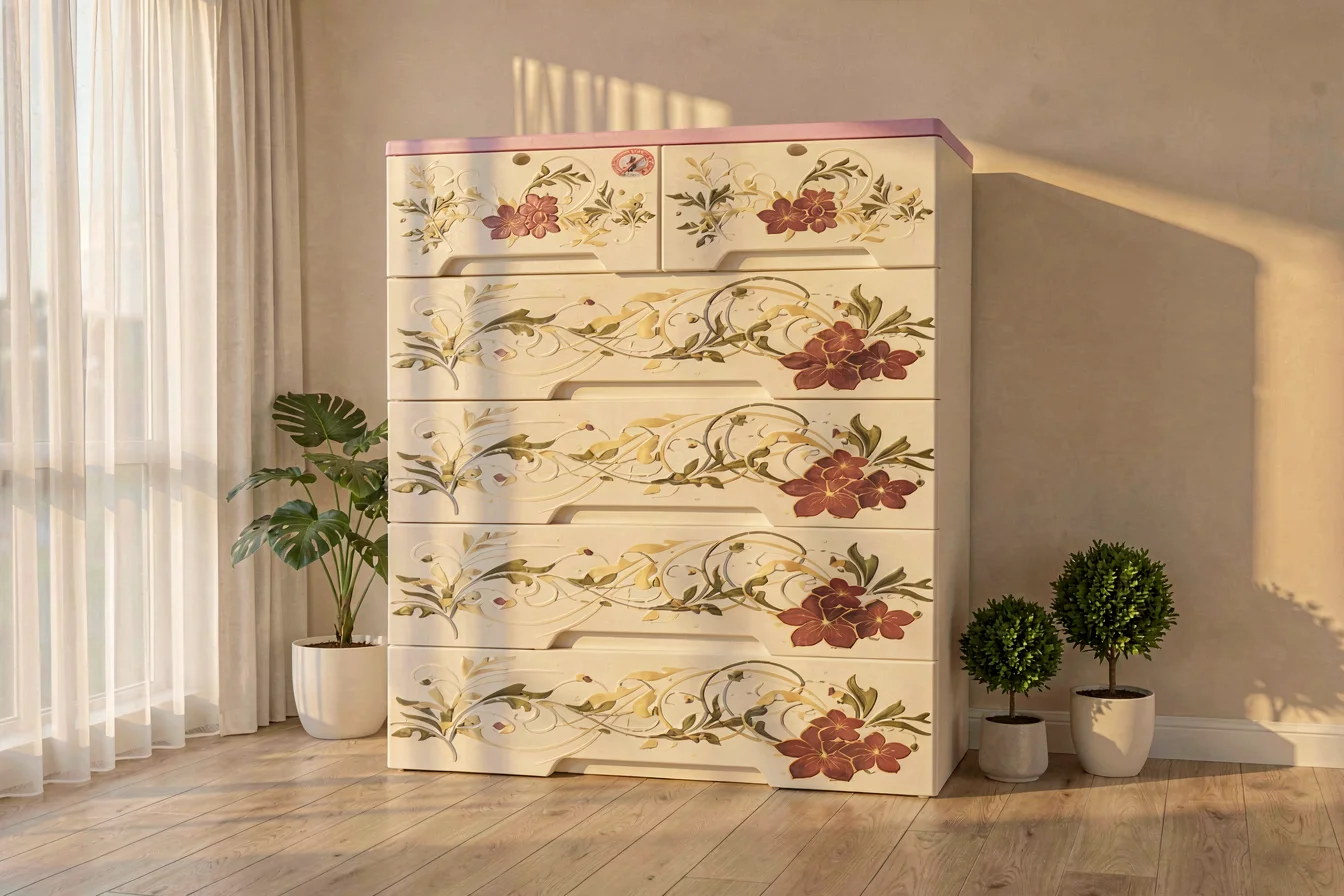
When choosing between a plastic wardrobe and a traditional kids wardrobe , buyers must weigh upfront cost, durability, safety, and aesthetics. Plastic wardrobes offer budget-friendly, vibrant solutions but may lack stability and longevity, especially in active environments. Traditional wardrobes, typically made from wood, deliver superior safety, lasting value, and timeless design, making them ideal for families seeking durability and style. The right choice hinges on the buyer’s priorities—cost efficiency or long-term investment[2][3][4].
The wardrobe market for children presents a clear procurement dilemma: should buyers prioritize low cost and easy maintenance or invest in longevity and safety? plastic wardrobe solutions are designed for budget-conscious families and rental environments, offering vibrant colors, lightweight structure, and quick cleaning. However, they often lack the stability and robustness needed for active play areas, with complaints about tipping, cracking, and rapid wear surfacing in social media and buyer reviews[2]. In contrast, traditional kids wardrobe options, typically constructed from wood, provide a solid foundation, enhanced safety, and a classic aesthetic that ages gracefully, appealing to buyers who value durability and investment-grade furniture[3][5].
Technological innovations have improved both categories: UPVC plastic now rivals wood in rigidity and weather resistance, while engineered wood and FSC-certified materials offer enhanced sustainability and finish options. Yet, the fundamental difference lies in their core properties—plastic excels in affordability and easy maintenance, while wood delivers unmatched stability, safety, and aesthetic value.
| Feature | Plastic Wardrobe | Traditional Kids Wardrobe |
|---|---|---|
| Durability | 5–8 years, prone to cracking/tipping | 10–25 years, minimal wear |
| Safety | Moderate, risk of tipping | High, stable, no toxic materials |
| Maintenance | Wipe clean, low upkeep | Polish, minimal upkeep |
| Aesthetic Appeal | Vibrant, modern, lacks warmth | Classic, timeless, warm |
| Price Range | $30–$120 | $150–$450 |
| Certifications | ISO/UPVC | FSC, CARB |
Plastic wardrobes are best for short-term use or budget-focused buyers, while traditional wardrobes are recommended for families seeking lasting value and safety.
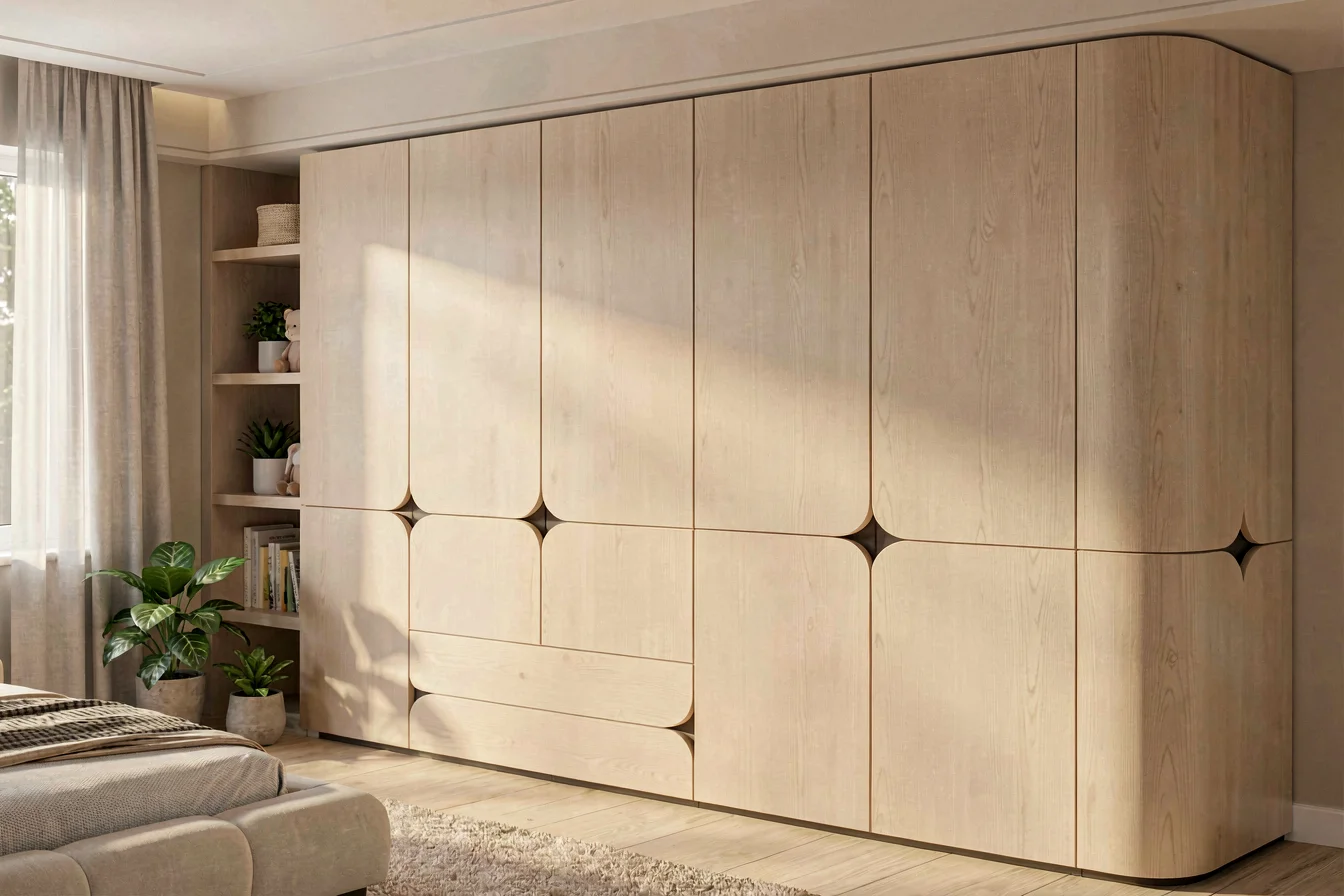
Durability is a critical factor in wardrobe selection for children’s rooms, as frequent use and active play can accelerate wear. Plastic wardrobe materials are engineered for affordability, but their rigidity can degrade over time, especially under heavy loads or in humid environments. Cracking, warping, and tipping risks are common concerns, with maintenance limited to surface cleaning[2][4]. In contrast, traditional kids wardrobe options—especially those made from solid or engineered wood—offer robust construction, smooth edges, and superior weight distribution, ensuring long-term stability and resistance to stains and damage[3][5].
Application scenarios further differentiate the two: plastic wardrobes thrive in rental properties, temporary setups, and environments where frequent relocation or easy cleaning is required. Wooden wardrobes, however, excel in permanent installations, households with high-activity children, and spaces where safety, comfort, and aesthetics are paramount.
Long-term cost evaluation reveals the true value proposition: while plastic wardrobes have a lower initial investment, their shorter lifespan and frequent replacement needs can offset savings. Wooden wardrobes, though more expensive upfront, require minimal maintenance and rarely need replacement, delivering superior cost efficiency over a 5-year period[4][5].
| Cost Factor | Plastic Wardrobe | Traditional Kids Wardrobe |
|---|---|---|
| Initial Purchase | $30–$120 | $150–$450 |
| Maintenance | Minimal, wipe clean | Polish, minimal upkeep |
| Replacement Frequency | Every 5–8 years | Every 10–25 years |
| Hidden Costs | Replacement, potential safety issues | None, longevity reduces cost |
| 5-Year Total Cost | $60–$200 | $150–$450 (no replacement needed) |
Wooden wardrobes deliver superior long-term value and safety, while plastic options are better suited for short-term or budget-driven use.
The wardrobe category for children’s rooms is shaped by urbanization, multi-generational living, and a growing demand for safe, easy-to-clean furniture. Plastic wardrobe solutions are rapidly gaining popularity in budget-conscious markets and rental sectors, especially where frequent cleaning and vibrant colors are valued. Traditional kids wardrobe options remain dominant in premium segments, permanent installations, and households seeking lasting value and classic aesthetics[1][3][5].
Plastic wardrobes dominate budget and rental segments, while traditional wardrobes remain the gold standard for safety, longevity, and aesthetics.
Google Trends data from March 2025 to March 2026 shows a steady rise in search interest for plastic kids wardrobe , peaking at 83 in December 2025, while wooden kids wardrobe remains consistently high, peaking at 75 in the same month. The gap reflects growing demand for affordable, colorful solutions, but does not fully translate to purchase intent, as premium buyers continue to favor wood for safety and longevity[1].
Search Interest over Time
Plastic wardrobes show rising search interest, but wood remains the preferred choice for safety and investment.
Social media and online forums provide valuable insights into buyer sentiment and real-world experiences. On Reddit and TikTok, parents praise plastic wardrobe for its affordability and easy cleaning, but frequently express concerns about stability and rapid wear, especially for children who climb or play actively. In contrast, traditional kids wardrobe receives high marks for durability, safety, and classic design, though some buyers note higher upfront costs and maintenance requirements[2][3].
Case Study 1: A Reddit parent shared their experience with a plastic wardrobe in a daycare setting:
“Plastic wardrobes are great for quick cleanups, but our kids kept tipping them over. We had to reinforce the base after a few weeks.”
Case Study 2: A TikTok influencer reviewed a traditional kids wardrobe in their home:
“Our wooden wardrobe has lasted over a decade. It’s sturdy, looks beautiful, and our kids love the smooth edges. The only downside is the price, but it was worth every penny.”
| Dimension | Plastic Wardrobe | Traditional Kids Wardrobe |
|---|---|---|
| Overall Satisfaction | Moderate (budget, easy cleaning) | High (durability, safety) |
| Most Praised Feature | Affordability, vibrant colors | Durability, classic style |
| Most Common Complaint | Tipping, rapid wear | High price |
| Community Recommendation Rate | 50–60% | 75–85% |
Viral content themes focus on safety debates, DIY modifications for plastic wardrobes, and the “timeless charm” of wood. Recurring debate points include cost versus longevity, ease of cleaning versus durability, and the impact of design on child development. Cultural reception favors wood for premium and family-centric contexts, while plastic is trending in budget and rental sectors[2][3].
Wooden wardrobes enjoy higher community recommendation rates and are valued for safety and longevity, while plastic wardrobes are popular for budget and rental scenarios.
To optimize procurement, buyers should begin by clarifying their core needs. Key questions to ask:
Tiered recommendations:
| Tier | Recommended Product | Key Reason |
|---|---|---|
| Budget-Friendly | Plastic Wardrobe | Low upfront cost, easy cleaning |
| Mid-Range | Plastic Wardrobe (premium variant) | Improved stability, vibrant colors |
| Premium | Traditional Kids Wardrobe | Long-term durability, safety, aesthetics |
Optimization tips: Buy during seasonal sales or new product launches for best pricing; bundle wardrobes with organizers for added value; prioritize safety features (non-tip bases, smooth edges) for active environments; avoid common mistakes like underestimating long-term costs or neglecting safety upgrades.
Buyers should match wardrobe selection to their specific needs, budget, and priorities for optimal procurement outcomes.
Synthesizing the insights, plastic wardrobe solutions will continue to dominate budget and rental segments, with innovations in UPVC and recycled materials improving their durability and appeal. However, traditional kids wardrobe options remain the preferred choice for families prioritizing safety, longevity, and classic aesthetics. Over the next 6–12 months, expect continued growth in demand for affordable, easy-to-clean wardrobes, alongside a steady preference for premium wood in permanent installations[1][3][5].
Confident buyers should select wardrobes based on their unique needs—opt for plastic for short-term or rental use, and wood for lasting value and safety.
Dual call-to-action: Share your experiences and feedback on social platforms to help others make informed choices, and commercial buyers should explore wholesale options on Alibaba.com for bulk procurement and custom solutions.