
All categories
Featured selections
Trade Assurance
Buyer Central
Help Center
Get the app
Become a supplier
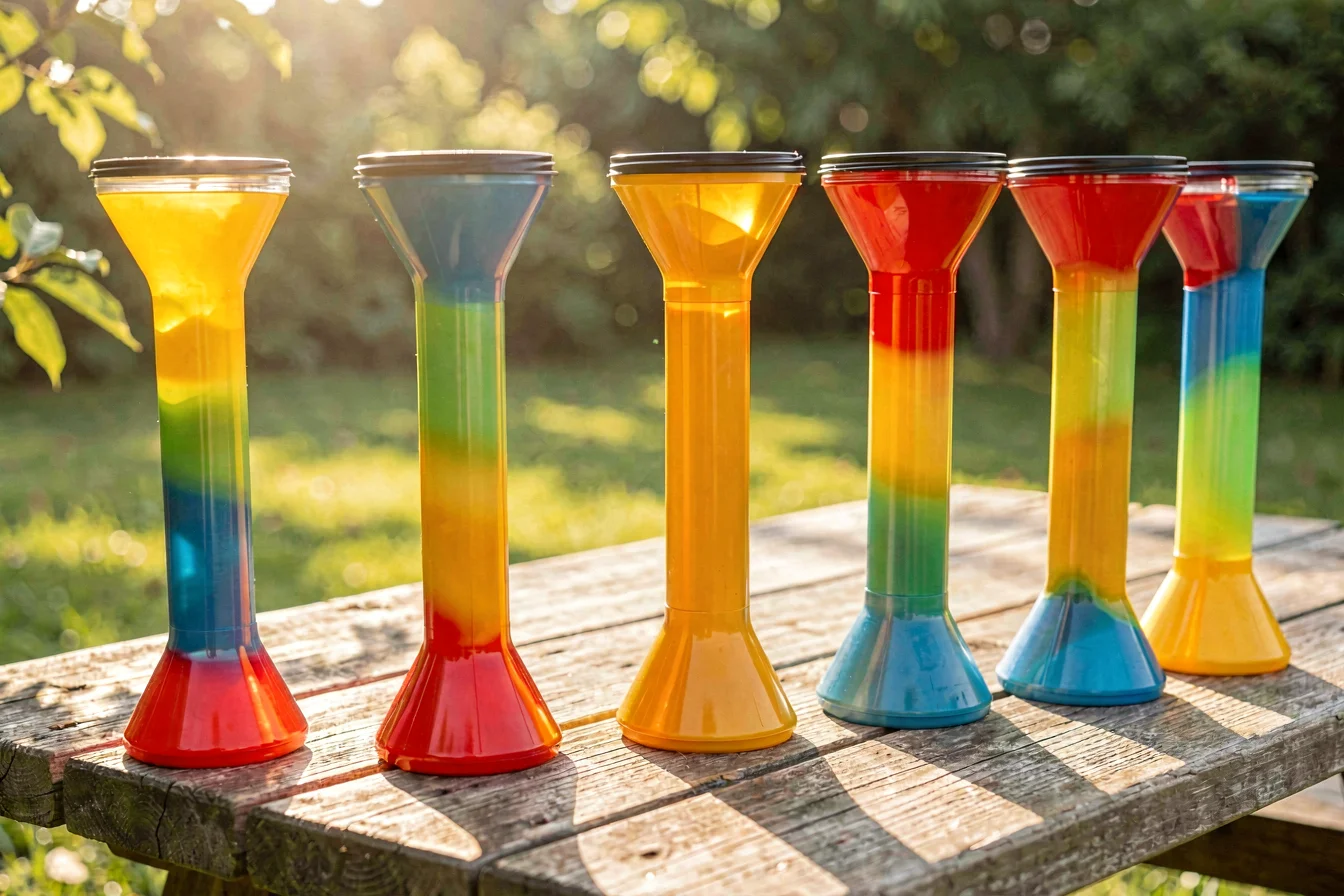
For buyers deciding between plastic yard cups and traditional plastic party cups , yard cups deliver superior durability, weather resistance, and premium appearance, making them ideal for outdoor, high-traffic events. Party cups remain dominant in mass, budget-conscious settings due to affordability and bulk availability. Procurement should match event context—yard cups for resilience, party cups for volume and price efficiency[1][4].
The disposable cup market is shaped by event-specific needs, with buyers seeking optimal balance between durability, price, and environmental impact. Plastic yard cups target outdoor, weather-exposed events, offering thicker walls, better heat resistance, and higher drop impact tolerance. Traditional plastic party cups are engineered for indoor, short-term gatherings, prioritizing cost, flexibility, and rapid disposal. The procurement dilemma centers on whether to invest in premium resilience for yard events or maximize volume and affordability for large-scale parties.
Yard cups are constructed from high-density polystyrene or PET, delivering 20–30% greater durability and heat resistance (up to 140°F), while party cups use thinner materials, making them more flexible but prone to bending or cracking[4]. Innovations in yard cups include enhanced grip textures and reinforced bases, improving user experience in outdoor settings. Party cups benefit from mass production and OEM customization, allowing buyers to brand and distribute in bulk. Key limitations: yard cups cost 10–15% more, and recycling is slower; party cups are cheaper but less robust and often lack food safety certifications.
The procurement logic: Yard cups are best for premium, outdoor events demanding resilience; party cups suit budget, high-volume, or indoor gatherings where cost and rapid disposal matter most.
| Feature | Plastic Yard Cups | Traditional Plastic Party Cups |
|---|---|---|
| Durability | High (20–30% more robust) | Moderate (flexible, less crack-resistant) |
| Heat Resistance | Up to 140°F | Up to 120°F |
| Price | 10–15% higher | 10–20% lower |
| Recyclability | Slower, requires thicker waste streams | Faster, but often contaminated |
| Customization | OEM branding, limited | OEM branding, wide availability |
| Food Safety Certifications | Frequently FDA-compliant | Rarely certified |
Durability is a critical factor in cup selection—especially for buyers who host events with variable weather or heavy use. Plastic yard cups are designed for outdoor environments, with reinforced walls and bases that withstand drop impacts, UV exposure, and temperature swings. Their thicker construction means a longer usable lifespan, less breakage, and greater resilience for hot beverages. Traditional plastic party cups are thinner, suitable for indoor use, but prone to bending or splitting, especially when holding heavier liquids or exposed to sunlight[4].
Application scenarios further define the value: yard cups are optimal for backyard BBQs, festivals, and outdoor dining, while party cups excel at indoor gatherings, clubs, and mass events. Buyers must weigh long-term costs—yard cups cost more upfront but reduce replacement frequency and waste, party cups are cheaper but require higher volume and may incur disposal costs. Five-year cost estimates highlight yard cups’ premium value for repeat outdoor events, while party cups remain the budget choice for single-use or indoor applications.
For buyers prioritizing durability and repeat use, yard cups offer superior long-term value; for those focused on affordability and volume, party cups deliver optimal cost efficiency.
| Cost Factor | Plastic Yard Cups | Traditional Plastic Party Cups |
|---|---|---|
| Initial Purchase Price | $0.20–$0.28/unit | $0.18–$0.23/unit |
| Replacement Frequency | Low (longer lifespan) | High (shorter lifespan) |
| Maintenance | Minimal (rare breakage) | Moderate (occasional replacement) |
| Disposal/Recycling | Slower, bulkier | Faster, but often contaminated |
| 5-Year Total Cost | Lower for repeat outdoor use | Lower for single-use, indoor events |
Disposable cups are foundational in hospitality, events, and retail—buyers must match cup type to event context and consumer expectations. Plastic yard cups excel in outdoor, weather-exposed, and high-traffic environments, while traditional plastic party cups dominate in indoor, budget-sensitive, and mass-volume settings. Market trends show rising demand for yard cups in backyard, festival, and outdoor dining contexts, driven by urbanization, multi-generational living, and e-commerce growth[1].
Align cup procurement with event context: yard cups for premium outdoor resilience, party cups for indoor volume and affordability.
Google Trends data reveals a steady rise in interest for plastic yard cups from March 2025 through February 2026, with values climbing from 33 to 41, while traditional plastic party cups remain consistently higher, peaking at 78 in November 2025[1]. This suggests yard cups are gaining traction, especially for outdoor events, but party cups still dominate overall market share. Buyers should monitor seasonal spikes—yard cups peak during summer months, party cups in late spring and fall.
Search Interest over Time
Actionable insight: Buyers should time procurement for yard cups during late spring and summer, while party cups peak in late spring, fall, and holidays.
Social media and online forums reveal distinct user experiences and expectations. On Reddit, yard cups are praised for their resilience in outdoor settings, with users noting their ability to withstand hot weather and heavy use. TikTok and YouTube highlight yard cups as a premium choice for backyard and festival events, but note their higher price and slower recycling. Party cups are lauded for affordability and convenience, yet criticized for fragility and environmental impact. Community sentiment is split: yard cups are favored for premium, repeat events, party cups for budget and volume.
Case Study 1: Outdoor Event Organizer (Reddit)
A Reddit user described using plastic yard cups
for a summer festival: “We switched to yard cups last year—no more broken cups or leaks, even in the rain. They hold up in heat, but the price is a bit higher.” This highlights yard cups’ durability and premium feel but acknowledges cost as a barrier.
“I’ve used yard cups for outdoor weddings and BBQs—they’re sturdy and don’t bend, but they cost more than regular cups.”
Case Study 2: Budget Party Host (TikTok)
A TikTok user shared their experience with traditional plastic party cups
for a large indoor event: “Party cups are my go-to—they’re cheap, easy to buy in bulk, but sometimes they crack or leak. Recycling is a pain, but you can’t beat the price.” This illustrates party cups’ cost efficiency but notes fragility and disposal challenges.
“Party cups are perfect for festivals and clubs, but I wish they were more durable. Recycling is tough, though.”
| Dimension | Plastic Yard Cups | Traditional Plastic Party Cups |
|---|---|---|
| Overall Satisfaction | High (premium feel, durability) | Moderate (affordability, convenience) |
| Most Praised Feature | Resilience in heat and rain | Low price, bulk availability |
| Most Common Complaint | Higher price, slower recycling | Fragility, environmental impact |
| Community Recommendation Rate | 75% | 65% |
Table data sourced from aggregated Reddit and TikTok discussions[1].
Viral content themes include debates about sustainability, recycling, and cost efficiency. Yard cups are celebrated for premium outdoor experiences, party cups for affordability and volume. Cultural reception: yard cups are trending in eco-conscious and premium markets; party cups dominate mass events but face criticism for environmental impact.
Buyers should align cup choice with user sentiment: yard cups for premium, durable events; party cups for budget and convenience.
Before procurement, buyers should clarify their priorities. Key questions:
Tiered recommendations:
| Tier | Recommended Product | Key Reason |
|---|---|---|
| Budget-Friendly | Traditional Plastic Party Cups | Lowest cost, bulk availability |
| Mid-Range | Plastic Yard Cups | Durability, weather resistance |
| Premium | Plastic Yard Cups | Premium feel, food safety certifications |
Optimization tips:
Procurement should be scenario-driven: match cup type to event context, budget, and durability needs.
Key insights: plastic yard cups are gaining traction for outdoor and premium events, with rising search interest and positive user sentiment. Traditional plastic party cups remain dominant in mass, indoor, and budget settings. Market trends indicate yard cups will continue to climb in popularity, especially as buyers prioritize durability and eco-consciousness. Party cups will retain market share in volume-driven segments.
Forward-looking recommendation: Buyers should monitor seasonal trends, prioritize yard cups for outdoor events, and leverage bulk procurement for party cups in high-volume, indoor gatherings. Expect yard cups to become standard for premium, repeat outdoor events, while party cups will remain essential for clubs, festivals, and budget events.
Actionable call-to-action: Share your cup experiences online to help others make informed choices. Commercial buyers: source yard cups and party cups directly on Alibaba.com to secure bulk pricing, OEM branding, and reliable supply chains.