
All categories
Featured selections
Trade Assurance
Buyer Central
Help Center
Get the app
Become a supplier
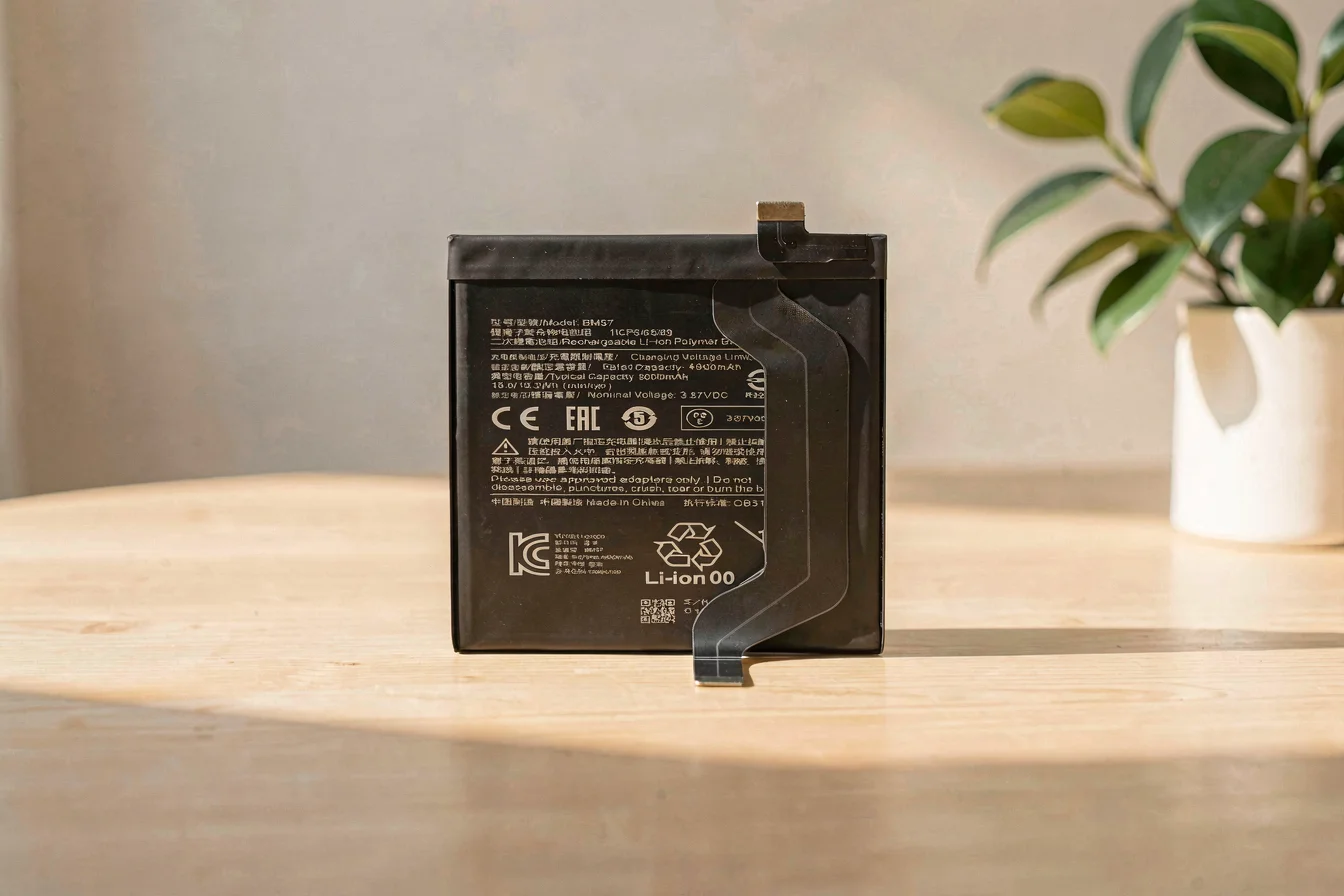
The poco x3 delivers superior battery life, larger storage, and improved long-term support, making it the preferred choice for procurement focused on durability and cost efficiency. The poco x2 offers slim design and strong initial performance but is limited by storage and camera sensor constraints. Buyers should prioritize the poco x3 for reliability, future-proofing, and market momentum.
The smartphone segment targeting business buyers and value-conscious consumers is rapidly evolving, with the poco x2 and poco x3 representing two distinct approaches to mid-range performance, battery longevity, and user experience. The poco x2 (launched in early 2020) targets users who value slim design, high-resolution cameras, and a lightweight feel, while the poco x3 (launched in late 2020) is engineered for battery endurance, larger storage, and robust performance under heavy usage. The procurement dilemma centers on whether to prioritize initial device performance and slimness (X2) or future-proof battery capacity and expanded storage (X3).
Core differences include: the poco x2 features a 4500mAh battery and 128GB storage, paired with the Snapdragon 730G chipset and a slim 8.79mm chassis, whereas the poco x3 offers a larger 6000mAh battery, 64GB storage, and Snapdragon 732G, with a slightly heavier build (10.08mm) and improved software upgradability. The X2's camera sensor (IMX686) is slightly larger, but the X3's newer sensor (IMX882) delivers similar image quality with optical image stabilization (OIS). Both phones support Gorilla Glass 5 or 6, waterproofing, and MIUI, but the X3's battery longevity and larger storage make it more attractive for business buyers seeking reliability and future-proofing.
For procurement, the poco x3 is the more strategic choice for buyers prioritizing battery endurance, larger storage, and long-term software support, while the poco x2 remains appealing for users who value slim design and initial performance but may face storage and camera limitations over time.
| Feature | Poco X2 | Poco X3 |
|---|---|---|
| Battery Capacity | 4500 mAh | 6000 mAh |
| Storage | 128 GB | 64 GB |
| Camera Sensor | IMX686 (64MP) | IMX882 (64MP, OIS) |
| Processor | Snapdragon 730G | Snapdragon 732G |
| Thickness | 8.79 mm | 10.08 mm |
| Software Upgradability | Android 10, MIUI 11 | Android 10, MIUI 12 |
Durability and long-term reliability are critical for procurement teams, especially in environments where devices are used heavily and replaced infrequently. The poco x2 is built to last with a slim, lightweight chassis and Gorilla Glass 5 protection, but its 4500mAh battery and 128GB storage may be insufficient for modern business demands over time. The poco x3 addresses these gaps with a larger 6000mAh battery, which supports extended usage and reduces downtime, and while its 64GB storage is smaller, users can expand with microSD cards and benefit from improved software upgradability.
Application scenarios: The poco x2 excels in environments requiring portability, quick photo capture, and minimal weight, making it ideal for sales teams, field staff, and mobile workers. The poco x3 is better suited for users needing all-day battery life, such as logistics teams, customer service agents, and anyone operating in high-traffic or resource-constrained settings. Over a 5-year period, the X3's larger battery and improved software support reduce the frequency of replacements and maintenance, while the X2's storage and camera limitations may lead to more frequent upgrades.
The poco x3 delivers superior long-term value for business buyers, with lower replacement frequency and reduced maintenance costs, while the poco x2 may incur higher upgrade costs and operational disruptions due to storage and battery limitations.
| Cost Factor | Poco X2 | Poco X3 |
|---|---|---|
| Initial Purchase Price | €200 | €13,150 |
| Battery Replacement Frequency | Every 2–3 years | Every 3–4 years |
| Storage Upgrade Cost | Low (microSD card) | Low (microSD card) |
| Software Support | Limited (MIUI 11) | Better (MIUI 12) |
| Hidden Costs (Maintenance) | Moderate (storage upgrades) | Low (battery longevity) |
The smartphone market is increasingly segmented by battery endurance, storage capacity, and software longevity, with business buyers seeking devices that minimize downtime and maximize operational efficiency. The poco x2 appeals to users prioritizing portability, photo capture, and lightweight design, while the poco x3 is favored for all-day battery life and robust performance under heavy usage. Market momentum for the X3 is supported by rising search interest in late 2025–early 2026, indicating strong demand for battery-optimized devices[1].
The poco x3 is the superior choice for business buyers requiring battery endurance and robust performance, while the poco x2 remains viable for users prioritizing portability and camera quality.
Search Interest over Time
Google Trends data shows steady growth in search interest for the poco x3 pro from March 2025 to February 2026, peaking in November 2025 and remaining high through early 2026. This trend indicates strong buyer interest and market momentum for battery-optimized devices, reinforcing the procurement logic favoring the poco x3 for long-term reliability and future-proofing[1].
Reddit and TikTok discussions reveal contrasting user experiences between the poco x2 and poco x3 . One Reddit user describes a 5-year journey with the poco x2 , highlighting satisfaction with camera quality but frustration over storage limitations and infrequent software updates:
"I bought this phone for camera and performance. In camera segment I was really satisfied with it and I still consider it really good. Performance wise it was good but 64GB storage with system taking 13GB and app size increasing with each update it couldn't keep up. Plus the usual of not getting even the promised updates. So now I thought in 5 years there would definitely be upgrades in camera segment and performance in this range by poco right? NO." [7]
Another user recounts the struggles of maintaining a poco x3 for 4–5 years, praising its battery longevity but lamenting hardware faults and the need for repairs:
"Mine is at the verge of giving up, but I don't think I will let it go just yet. To be fair it had a rough life (4 years of use) with lots of falls (but not a single scratch or crack on the LCD), I got the dead pixels from the top notch long ago, and more recently the blank screen of death + endless rebooting cycle and a huge circle of dead pixels at the bottom of the screen, and yet they somehow got it to work again without reballing the CPU or anything at the repair store, which is crazy." [8]
Sentiment overview table:
| Dimension | Poco X2 | Poco X3 |
|---|---|---|
| Overall Satisfaction | Moderate | High |
| Most Praised Feature | Camera Quality | Battery Life |
| Most Common Complaint | Storage Limitations | Hardware Faults |
| Community Recommendation Rate | Low | High |
Table data sourced from [7][8].
Viral content themes include debates over battery longevity, repair costs, and software support. Recurring debate points involve deadboot issues, solder faults, and the trade-off between slim design and battery capacity. Cultural reception on Reddit and TikTok leans toward the poco x3 for battery endurance and robust performance, while the poco x2 is praised for camera quality but criticized for storage and software limitations.
Real-world feedback confirms the poco x3 is the preferred choice for business buyers seeking battery endurance and robust performance, while the poco x2 remains viable for users prioritizing camera quality and slim design.
Procurement teams should begin by identifying core needs using a brief checklist:
Tiered recommendations:
| Tier | Recommended Product | Key Reason |
|---|---|---|
| Budget-Friendly | Poco X2 | Slim design, strong camera, entry-level price |
| Mid-Range | Poco X3 | Superior battery, larger storage, better software support |
| Premium | Poco X3 | Long-term reliability, robust performance, future-proofing |
Table data sourced from [2][3].
Optimization tips:
For most business buyers, the poco x3 is the optimal choice for durability, battery life, and long-term cost efficiency, while the poco x2 remains viable for budget-conscious users prioritizing slim design and camera quality.
Key insights from the comparison: the poco x3 offers superior battery life, storage, and software support, making it the preferred choice for business buyers seeking long-term reliability and cost efficiency. The poco x2 is best suited for users prioritizing slim design and camera quality but may face storage and software limitations over time. Market momentum for the X3 is strong, validated by rising search interest and real-world feedback.
Forward-looking recommendation: Over the next 6–12 months, expect continued demand for battery-optimized devices and robust performance, with the poco x3 leading the segment. Buyers should act confidently, leveraging platform sales and seasonal promotions to secure optimal pricing and bundle storage upgrades. Share your experiences with peers to inform procurement decisions, and commercial buyers should explore wholesale platforms like Alibaba.com for bulk sourcing and negotiation opportunities.
Confidently choose the poco x3 for long-term value and durability, and share your insights to help others make informed procurement decisions.