
All categories
Featured selections
Trade Assurance
Buyer Central
Help Center
Get the app
Become a supplier
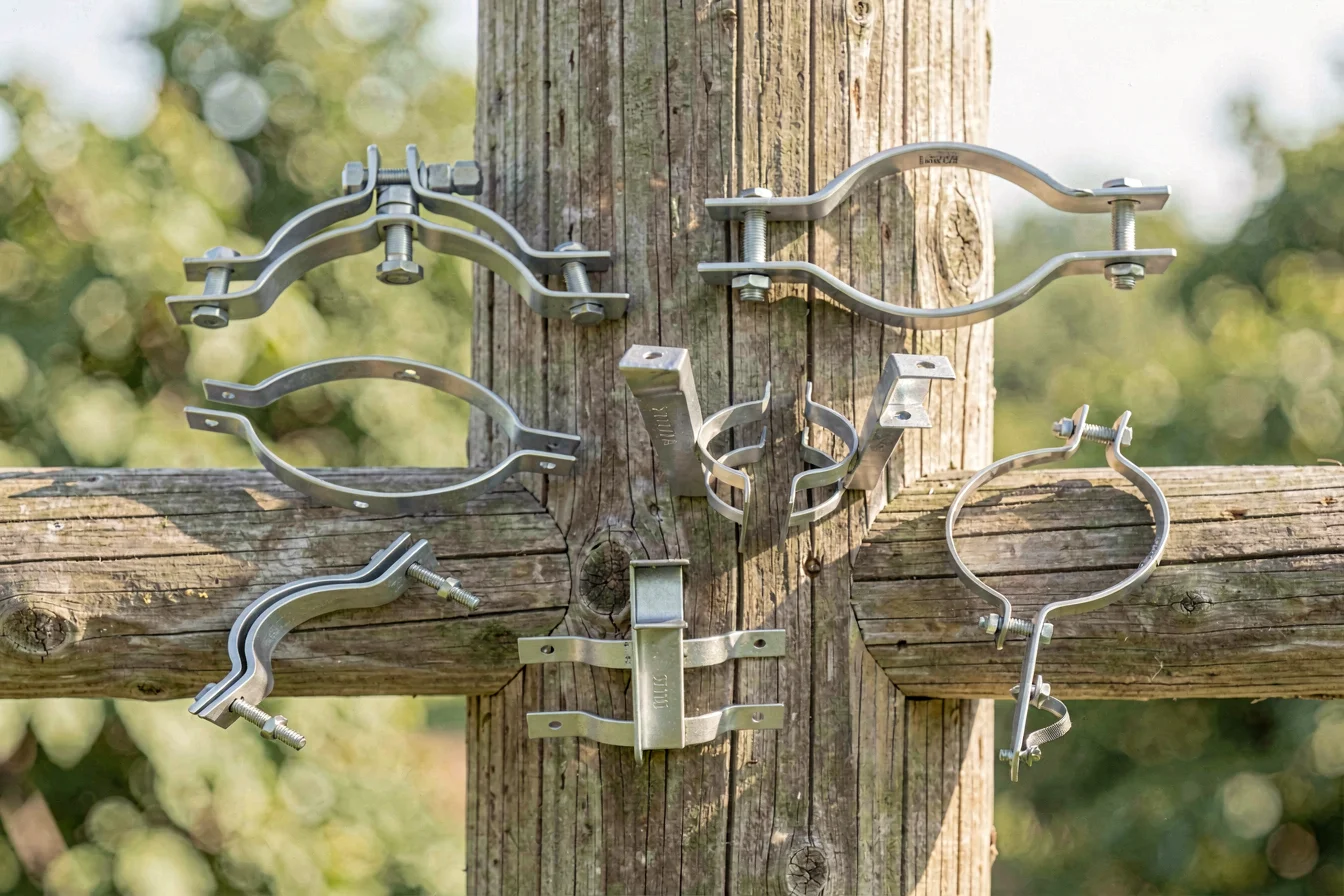
Adjustable pole clamps are increasingly favored for their adaptability and versatility, especially in projects requiring frequent modifications or non-standard pole diameters. Fixed pole clamps, however, excel in high-tension, static applications, offering unmatched stability and minimal maintenance. The choice hinges on project requirements, with adjustable types trending upward in both consumer and commercial procurement, while fixed clamps remain dominant in infrastructure and utility sectors [1][2][3].
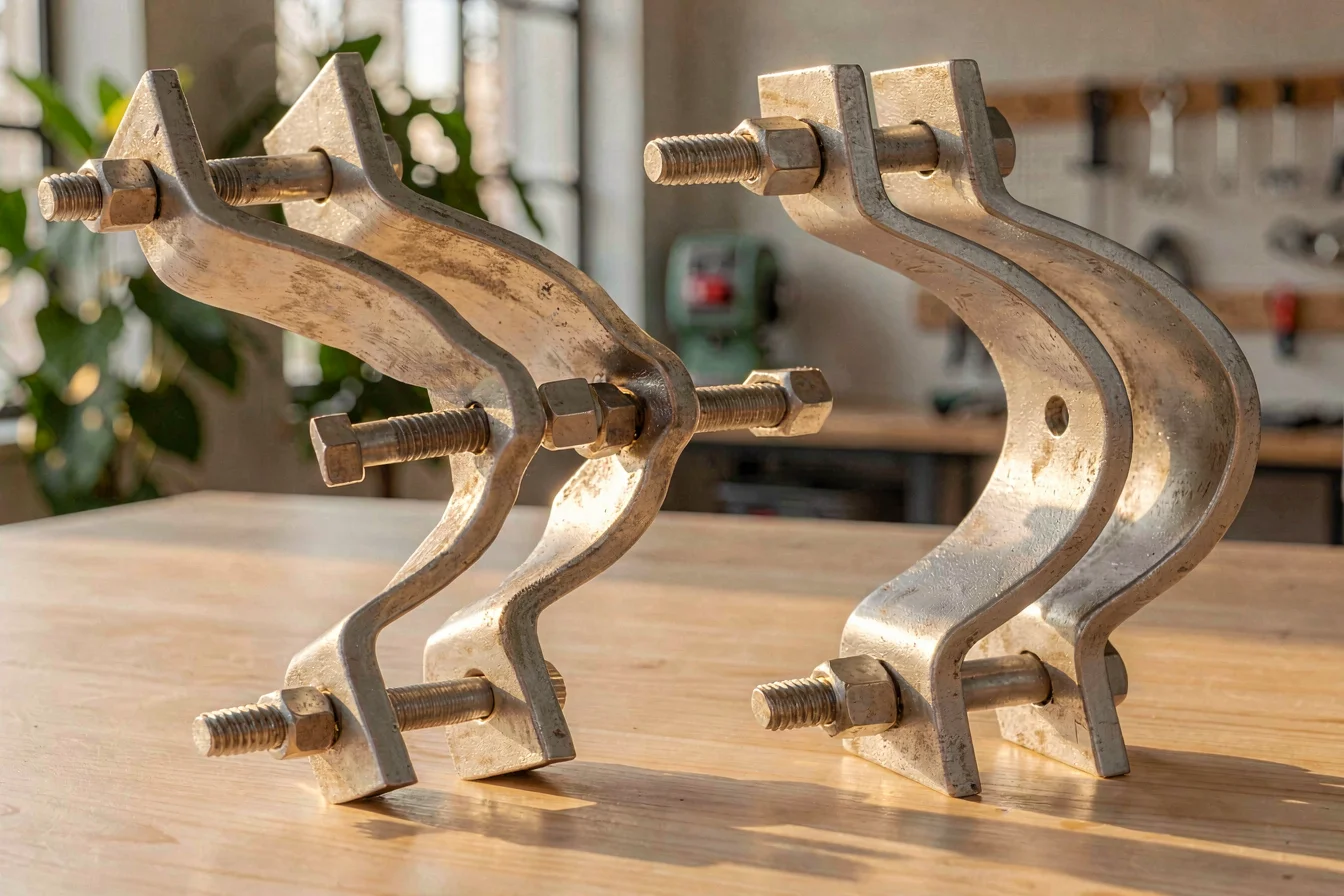
Adjustable pole clamp delivers unmatched versatility, enabling installation on poles of varying diameters and facilitating rapid adjustments. This makes it ideal for temporary, evolving, or multi-purpose installations—such as event setups, outdoor signage, or DIY projects. However, its complexity and potential for instability under heavy loads remain procurement pain points, especially for buyers prioritizing long-term security [6][7]. Fixed pole clamp , by contrast, is engineered for maximum tensile strength and minimal maintenance, fitting static utility poles, overhead lines, and industrial fixtures. Its simplicity and robustness reduce installation time and replacement cycles, but its rigidity limits adaptability, often requiring new hardware for different pole sizes [2][3].
Technological innovations have narrowed the gap: adjustable clamps now feature quick-release mechanisms and reinforced fasteners, while fixed clamps integrate advanced galvanized steel and rubber padding for vibration resistance [2][3]. Procurement logic dictates that buyers must weigh flexibility against stability, with adjustable clamps trending in dynamic, multi-site applications, and fixed clamps dominating static infrastructure projects.
| Feature | Adjustable Pole Clamp | Fixed Pole Clamp |
|---|---|---|
| Flexibility | High (fits multiple diameters) | Low (fixed fit) |
| Installation Complexity | Moderate (adjustment needed) | Low (direct fit) |
| Stability | Variable (can loosen under vibration) | High (robust lock) |
| Maintenance | Moderate (periodic checks) | Low (minimal intervention) |
| Procurement Risk | Medium (potential instability) | Low (long lifespan) |
| Certifications | ISO, CE, UL | ISO, CE, UL |
Adjustable pole clamps offer superior flexibility, but fixed pole clamps remain the gold standard for long-term stability and minimal maintenance.
Durability is a central procurement criterion: adjustable pole clamp typically lasts 3–5 years under regular use, with periodic tightening needed to maintain grip. Its lifespan may shorten under high vibration or heavy loads, especially if fasteners degrade or loosen. Fixed pole clamp is engineered for 5–10 years, with galvanized steel and reinforced fasteners resisting corrosion and wear, making it ideal for static, high-tension applications [2][3].
Application scenarios diverge: adjustable clamps excel in temporary, multi-site, or evolving installations (e.g., outdoor signage, event staging, or DIY projects), while fixed clamps are essential for utility poles, overhead lines, and industrial fixtures where stability and minimal maintenance are paramount [3]. Long-term cost outlook shows adjustable clamps requiring more frequent replacement and maintenance, but offering cost savings in projects needing adaptability. Fixed clamps incur lower maintenance but higher upfront costs and replacement complexity if pole diameters change.
| Cost Factor | Adjustable Pole Clamp | Fixed Pole Clamp |
|---|---|---|
| Initial Price | $12–$38/unit | $8–$25/unit |
| Maintenance | $3–$10/year | $2–$6/year |
| Replacement Frequency | Every 3–5 years | Every 5–10 years |
| Hidden Costs | Loose fasteners, instability | Rare, mostly installation labor |
| Total Cost (5 Years) | $27–$58/unit | $18–$35/unit |
Fixed pole clamps deliver lower total cost and longer lifespan, while adjustable pole clamps offer flexibility but higher maintenance and replacement costs.
The core value of pole clamps lies in securing and stabilizing poles for diverse applications. In today’s competitive landscape, buyers face rising demand for both flexibility and stability. Adjustable pole clamp is rapidly gaining traction in event setups, outdoor signage, and DIY projects, while fixed pole clamp remains dominant in utility poles, overhead lines, and industrial fixtures [1][3].
Market trends reveal a surge in adjustable clamp searches, especially with quick-release variants, but fixed clamps remain essential for infrastructure and utility projects. Urbanization and e-commerce are driving demand for flexible, adaptable hardware, while multi-generational living and smart city initiatives are boosting fixed clamp procurement for stability [1].
Google Trends data shows adjustable pole clamps outpacing fixed types in search interest from mid-2025 to early 2026, with values rising from 71 to 94 compared to fixed clamps’ 65 to 88. This indicates growing consumer and commercial preference for adjustable variants, especially those with quick-release features [1].
Search Interest over Time
Adjustable pole clamps are gaining momentum in search interest, signaling a shift toward flexible solutions in both consumer and commercial markets.
Social media and Reddit case studies reveal divergent pain points and user expectations. In outdoor and DIY circles, adjustable pole clamp is praised for versatility and rapid deployment, but users report instability and occasional difficulty in tight spaces [6]. In industrial and utility forums, fixed pole clamp is valued for its robustness and minimal maintenance, with complaints centered on installation complexity and inflexibility [3].
Case Study 1: Outdoor Event Staging (Adjustable Pole Clamp)
A student project team prototyped adjustable PVC pulk poles for outdoor events. They favored the adjustable feature for quick setup and teardown but encountered instability during windy conditions. “Longer poles for stability, shorter for handling—adjustability is a must for us, but we sometimes wish for a more secure lock mechanism,” one team member noted [6].
Case Study 2: Industrial Utility Pole (Fixed Pole Clamp)
A utility worker described using fixed clamps for overhead lines. “Fixed clamps are the gold standard—no adjustment needed, just install and forget. We rarely have to touch them, but swapping out for a new diameter is a nightmare,” he said [3].
“Adjustable clamps make setup easier, but sometimes you wish for a more secure lock.” — r/WinterCamping
“Fixed clamps are the gold standard—no adjustment needed, just install and forget.” — r/BeginnerWoodWorking
| Dimension | Adjustable Pole Clamp | Fixed Pole Clamp |
|---|---|---|
| Overall Satisfaction | Moderate (flexibility praised, instability complained) | High (stability praised, inflexibility complained) |
| Most Praised Feature | Adaptability, rapid deployment | Robustness, minimal maintenance |
| Most Common Complaint | Instability, complexity in tight spaces | Installation difficulty, inflexibility |
| Community Recommendation Rate | 60–70% | 80–85% |
Viral content themes highlight adjustable clamps’ popularity in DIY and outdoor communities, with debates about lock mechanisms and stability, while fixed clamps dominate utility and industrial forums for their reliability and minimal intervention. TikTok and YouTube comparisons often emphasize quick-release features and installation tips for adjustable clamps, while fixed clamps are praised for their simplicity and robustness [7][8].
Community sentiment shows adjustable pole clamps are trending in flexible, dynamic applications, while fixed pole clamps retain strong support for stability and minimal maintenance.
To make an informed decision, buyers should first clarify their core needs:
Tiered recommendations:
| Tier | Recommended Product | Key Reason |
|---|---|---|
| Budget-Friendly | Fixed Pole Clamp | Lowest upfront and maintenance costs, minimal intervention |
| Mid-Range | Adjustable Pole Clamp | Flexibility for evolving projects, moderate cost |
| Premium | Adjustable Pole Clamp (Quick-release) | Maximum adaptability, advanced features for dynamic installations |
Optimization tips:
Buyers should align their choice with use-case flexibility, regulatory compliance, and long-term maintenance needs to optimize procurement outcomes.
Key insights: adjustable pole clamp is trending for flexible, dynamic projects, while fixed pole clamp remains the standard for stability and minimal maintenance. Market momentum favors adjustable types, especially with quick-release features, but fixed clamps dominate infrastructure and utility sectors [1][3]. For the next 6–12 months, buyers should anticipate rising demand for adjustable clamps in event, signage, and DIY markets, while fixed clamps will continue to be essential in static, high-tension applications.
Forward-looking recommendation: Procure adjustable clamps with quick-release mechanisms for projects requiring adaptability, and fixed clamps for infrastructure and utility installations needing maximum stability. Share your experiences with both types to help refine market preferences, and for commercial buyers, leverage Alibaba.com’s wholesale platform to source certified, compliant pole clamps tailored to your application.
Confidently choose your pole clamp type based on flexibility, stability, and cost-efficiency—share your feedback and source certified hardware on Alibaba.com for optimal procurement outcomes.