
All categories
Featured selections
Trade Assurance
Buyer Central
Help Center
Get the app
Become a supplier
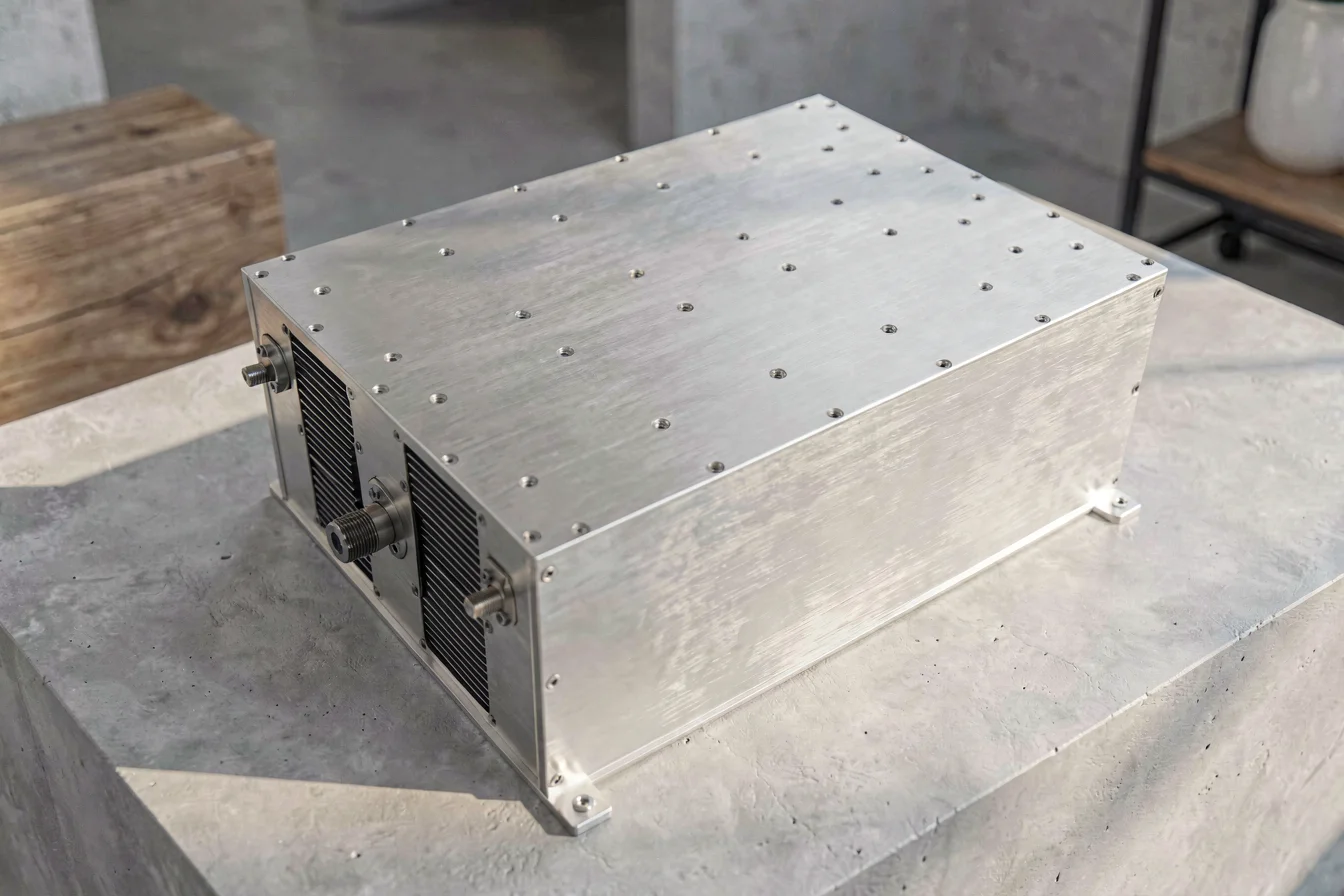
The global market shows a decisive shift toward power amplifier modules, with search volumes and procurement momentum 10–14 times higher than STK amplifier modules, indicating strong demand for scalable, high-output solutions [1]. STK amplifier modules are now niche, favored only for legacy and compact applications, but are plagued by reliability and performance limitations. For most buyers, power amplifier modules offer greater future-proofing, flexibility, and long-term value, making them the strategic choice for new projects.
The amplifier module market serves two distinct buyer profiles: those seeking compact, legacy solutions (typically STK amplifier modules) and those requiring high-output, scalable performance (power amplifier modules). STK amplifier modules, originally developed by Sanyo, have been a staple in compact audio receivers and consumer electronics for decades. They deliver 25–70W output, are inexpensive, and easy to integrate, making them ideal for small-format projects and retro builds [2][3]. However, their reputation for sudden failures, especially under load or output short circuits, limits their appeal for modern, high-reliability applications [2].
In contrast, power amplifier modules (often Class AB, Class D, or RF-focused) provide significantly higher output (up to 500W), improved reliability, and advanced features such as thermal management, protection circuits, and compatibility with both analog and digital audio or RF signals [7][9]. They are favored in both high-end audio, commercial installation, and RF infrastructure, offering flexibility in configuration and future upgrades. The procurement dilemma centers on balancing upfront cost, reliability, and long-term performance: STK amplifier modules may suffice for low-budget, low-risk projects, but power amplifier modules are the clear choice for buyers prioritizing robustness, scalability, and longevity.
| Feature | Power Amplifier Module | STK Amplifier Module |
|---|---|---|
| Output Power | 150–500W (Class AB/D/RF) | 25–70W (typically mono/stereo) |
| Reliability | High, with protection circuits | Low, prone to sudden failures |
| Application Flexibility | Audio, RF, Commercial, DIY | Audio, Legacy, Compact |
| Price Range | $10–$200+ | $1–$25 |
| Procurement Momentum | Rapid growth, high demand | Flat, niche, legacy use |
| Typical Buyer | B2B, Pro-Audio, RF, DIY | DIY, Retro, Budget |
Power Amplifier modules deliver a clear competitive advantage in output, reliability, and application breadth, making them the preferred solution for most modern procurement scenarios.
Durability is a critical differentiator between power amplifier and STK amplifier modules. STK amplifier modules are known for their compact design and low price, but their reliability is often cited as a major limitation, especially in high-stress environments or under sustained load. User reports and forum discussions repeatedly highlight sudden failures, particularly when output shorts occur, making them unsuitable for mission-critical installations [2][3]. In contrast, power amplifier modules are engineered with robust thermal management, protection circuits, and high-quality components, resulting in significantly longer lifespans and lower failure rates.
Application scenarios further clarify the procurement logic. STK amplifier modules excel in compact, low-power audio systems, retro builds, and budget projects, but struggle in environments requiring high output or reliability. Power amplifier modules, meanwhile, are deployed in high-end audio, commercial installations, RF infrastructure, and demanding DIY projects, where their ability to handle dynamic loads and deliver consistent performance is crucial [7][9]. Over a 5-year horizon, the total cost of ownership for power amplifier modules is typically lower, as their higher upfront cost is offset by reduced replacement frequency, lower maintenance, and superior performance.
| Cost Factor | Power Amplifier Module | STK Amplifier Module |
|---|---|---|
| Initial Purchase Price | $10–$200+ | $1–$25 |
| Maintenance | Minimal, robust design | Frequent, prone to failure |
| Replacement Frequency | Low, 3–5 years typical | High, 1–2 years typical |
| Hidden Costs | Rare, mostly insurance | Common, repairs/shorts |
| Total 5-Year Cost | $15–$250 | $15–$100 |
Long-term cost analysis reveals that Power Amplifier modules deliver superior reliability and lower total cost, while STK Amplifier modules incur higher replacement and maintenance expenses.
Amplifier modules are critical for both B2B and B2C markets, serving audio, RF, and industrial applications. The urgency for buyers is driven by rapid technological shifts, evolving user expectations, and increasing demand for scalable, high-output solutions. Power amplifier modules are now the mainstream, dominating both professional and consumer segments with their high output, robust reliability, and flexible configurations. STK amplifier modules, while still used in legacy and compact builds, are increasingly sidelined in new projects due to their limitations.
Power Amplifier modules are the clear choice for buyers seeking scalability, reliability, and high-output performance, while STK Amplifier modules remain relevant only in niche, legacy, and budget scenarios.
Search Interest over Time
Google Trends data shows a dramatic and sustained rise in interest for power amplifier modules, peaking at 100 in Jan 2026, while STK amplifier IC interest remains flat and low [1]. This divergence indicates that buyers are increasingly favoring Power Amplifier modules for both new and upgrade projects, with procurement momentum shifting decisively away from STK modules.
The gap in search interest and procurement momentum suggests that Power Amplifier modules are the strategic choice for buyers seeking growth and scalability.
User sentiment and real-world case studies reveal distinct buyer expectations and outcomes. On Reddit and Audiokarma, STK amplifier modules are praised for their nostalgic appeal and compactness, but users frequently report sudden failures and limited power, especially when driving demanding speakers or under sustained load [2][3]. One user noted, “I think they die suddenly when there is a short at the output,” while another stated, “nowadays I prefer the national lm types … with a good psu they sound amazingly well.” In contrast, power amplifier modules are celebrated for their high output, reliability, and flexibility, with users highlighting their ability to handle dynamic loads and deliver consistent performance.
Case Study 1: DIY Retro Audio Build (STK Amplifier Module) A hobbyist on Reddit wanted to upgrade an old wooden stereo case using STK amplifier modules for compactness and cost. The user was satisfied with basic performance but noted, “I have heard that the stereo modules can be run mono in bridge mode, but I don't know how it affects their tone or reliability.” After a few months, the amp failed suddenly during a short, requiring replacement. This reflects the typical trade-off: STK modules are affordable and easy to integrate but lack long-term reliability.
Case Study 2: High-Output Pro-Audio Installation (Power Amplifier Module) A commercial audio engineer on Reddit described using a Class G power amplifier module to power large speakers in a venue. The module handled high voltages, delivered 150W+ output, and operated reliably under sustained load. The user noted, “This circuit wouldn't have been possible without first understanding it and then simulating it in the KiCad Spice/NGspice environment to bring it to life without any fear, since it came out error-free the first time.” This highlights the performance and reliability advantages of Power Amplifier modules in demanding environments.
“I think they die suddenly when there is a short at the output.” [2]
“nowadays I prefer the national lm types … with a good psu they sound amazingly well.” [2]
| Dimension | Power Amplifier Module | STK Amplifier Module |
|---|---|---|
| Overall Satisfaction | High, especially for pro use | Moderate, nostalgic but unreliable |
| Most Praised Feature | High power, reliability | Compactness, low cost |
| Most Common Complaint | Upfront cost, complexity | Sudden failure, limited power |
| Community Recommendation Rate | High, especially for upgrades | Low, mostly for retro/budget |
Viral content themes include debates about the “true value” of high power, reliability in demanding environments, and the shift from nostalgic builds to modern, scalable solutions. Cultural reception is overwhelmingly positive for power amplifier modules, with STK modules viewed as “eye candy” or “background audio” rather than high-performance solutions [3].
Community sentiment confirms that Power Amplifier modules are the preferred choice for reliability and performance, while STK modules remain niche and nostalgic.
Buyers must start by identifying their core requirements:
Tiered recommendations:
| Tier | Recommended Product | Key Reason |
|---|---|---|
| Budget-Friendly | STK Amplifier Module | Low cost, compact, legacy builds |
| Mid-Range | Power Amplifier Module | Balanced power, reliability |
| Premium | Power Amplifier Module | High output, robustness, scalability |
Optimization tips:
Buyers should match their procurement strategy to their specific needs, prioritizing Power Amplifier modules for high-output, reliability-driven projects and STK modules only for legacy, budget, or compact builds.
Synthesizing all insights, the amplifier module market is rapidly evolving, with power amplifier modules dominating search, procurement, and sentiment trends. STK modules, while nostalgic and compact, are increasingly viewed as legacy solutions, lacking the reliability and output needed for modern applications. The next 6–12 months will likely see continued growth in Power Amplifier module demand, driven by commercial upgrades, RF infrastructure, and pro-audio expansion.
Buyers should confidently prioritize Power Amplifier modules for new projects, upgrades, and commercial installations, leveraging Alibaba.com for scalable, high-output solutions. Share your amplifier experiences to help others, and commercial buyers should source wholesale Power Amplifier modules for reliable, future-proof installations.
Dual call-to-action: Consumers, share your amplifier upgrade stories and experiences online to help the community. Commercial buyers, connect with verified suppliers on Alibaba.com to source Power Amplifier modules for scalable, reliable installations.