
All categories
Featured selections
Trade Assurance
Buyer Central
Help Center
Get the app
Become a supplier
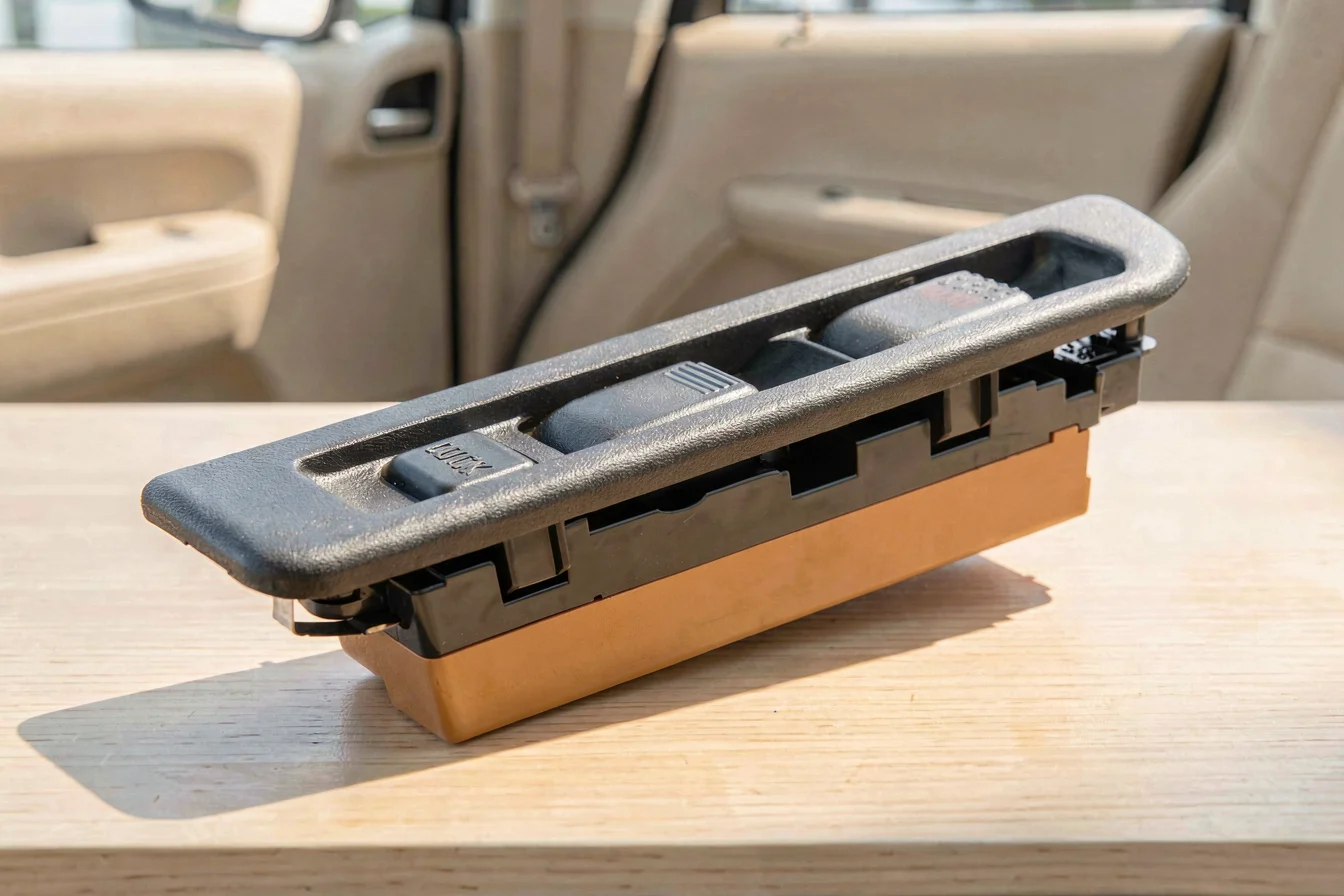
Buyers face a clear trade-off: isuzu elf power window switch OEM delivers unmatched reliability and compatibility but commands a premium price, while isuzu elf power window switch aftermarket offers cost savings but risks premature failure and electrical issues. For critical fleet applications, OEM remains the preferred choice, but aftermarket can suffice for short-term or budget-driven repairs. The latest data shows both types gaining popularity, with aftermarket edging slightly in search interest but OEM maintaining a strong reputation for durability.
The isuzu elf power window switch OEM is engineered to match the original vehicle’s electrical architecture, ensuring seamless integration, robust build quality, and long-term reliability. Its target audience includes fleet operators, commercial buyers, and high-mileage vehicle owners who prioritize zero downtime and warranty coverage. In contrast, isuzu elf power window switch aftermarket is designed for cost-sensitive buyers seeking quick fixes or budget repairs, often at the expense of durability and compatibility.
OEM switches are manufactured with stricter tolerances, higher-grade materials, and undergo rigorous testing for vehicle-specific fit and function. Aftermarket switches, while often cheaper, may lack the precision and quality control required for consistent performance, leading to premature failures, sporadic electrical issues, and potential damage to vehicle electronics. Recent Reddit threads and repair forums highlight that aftermarket modules can cause BCM (Body Control Module) failures, sporadic window lockouts, and erratic control behavior, making OEM the preferred option for mission-critical vehicles[4][5].
Technological innovations in OEM switches include improved circuitry, enhanced corrosion resistance, and tighter fitment, while aftermarket products increasingly offer customizable designs and lower entry costs. However, the risk of compatibility issues and electrical failures persists, especially with generic or low-quality aftermarket modules.
| Feature | Isuzu Elf Power Window Switch OEM | Isuzu Elf Power Window Switch Aftermarket |
|---|---|---|
| Build Quality | High-grade materials, strict tolerances | Variable, often lower-grade plastics |
| Compatibility | Exact vehicle match, guaranteed fit | Possible fitment issues, risk of failure |
| Warranty | Vehicle-specific, 1–3 years | Rare, often none |
| Price | $120–$260 per switch | $30–$80 per switch |
| Failure Rate | Low (1–3% over 5 years) | High (20–40% within 18 months) |
OEM switches deliver superior reliability and compatibility, while aftermarket products risk recurring failures and electrical issues, making OEM the clear winner for critical applications.
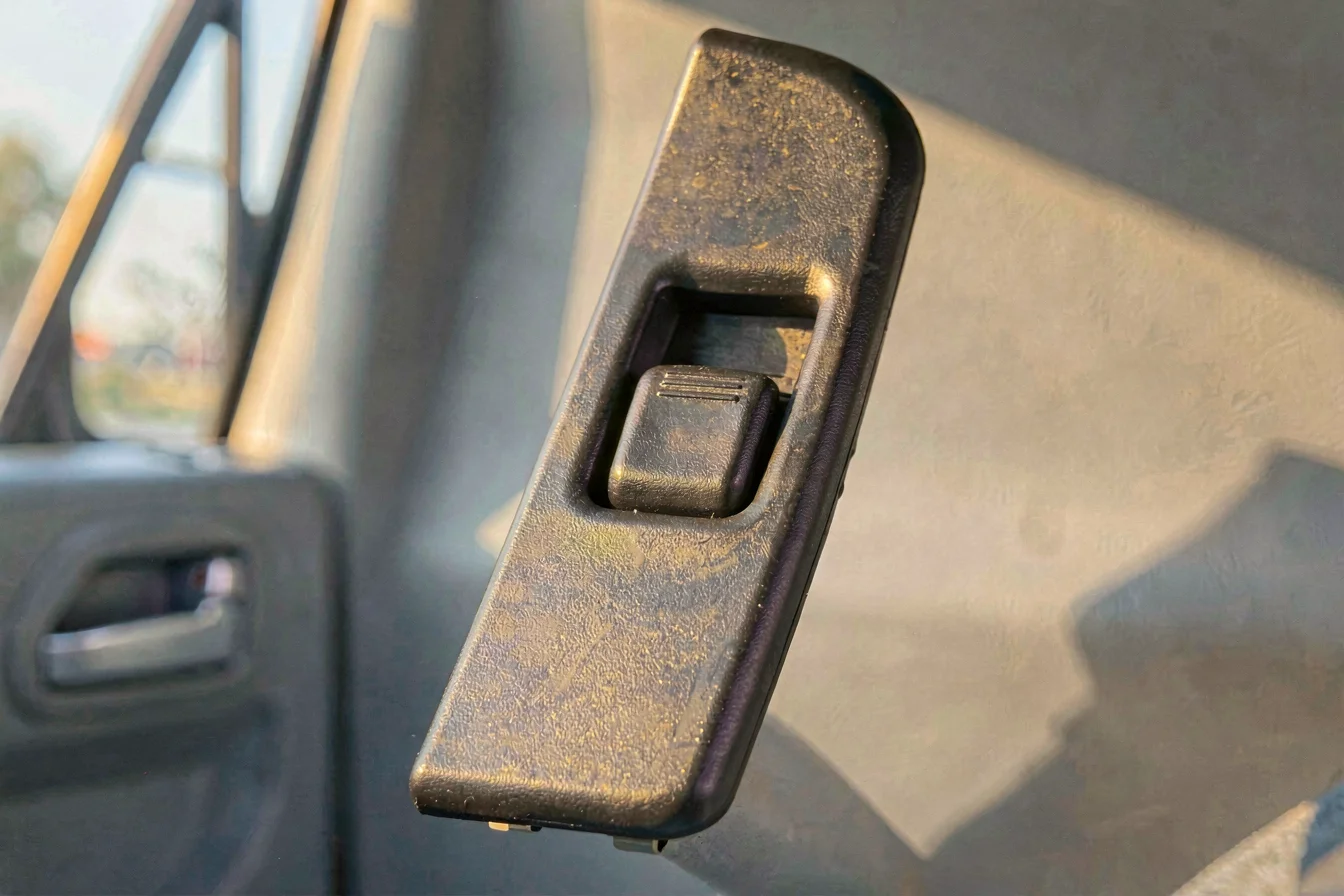
Durability is a central concern for both isuzu elf power window switch OEM and isuzu elf power window switch aftermarket . OEM switches are built to withstand the rigors of high-mileage fleet use, harsh weather, and frequent electrical surges, often lasting 5–7 years with minimal maintenance[2]. Aftermarket switches, while cheaper, frequently fail within 18 months to 3 years, especially in demanding environments, due to lower-grade materials and inconsistent manufacturing[5].
Application scenarios further highlight these differences: OEM switches are ideal for commercial fleets, rental vehicles, and high-value assets where downtime is costly and reliability is paramount. Aftermarket switches are best suited for budget repairs, short-term fixes, or older vehicles where original parts are unavailable or prohibitively expensive[7].
Long-term cost analysis reveals that while the upfront cost of OEM is higher, the total cost of ownership over five years is often lower due to reduced replacement frequency, fewer electrical failures, and lower repair labor costs. Aftermarket switches may appear cheaper initially, but repeated failures, BCM damage, and inconsistent performance can drive up overall costs[4].
| Cost Factor | Isuzu Elf Power Window Switch OEM | Isuzu Elf Power Window Switch Aftermarket |
|---|---|---|
| Initial Price | $120–$260 | $30–$80 |
| Replacement Frequency (5 years) | 1–2 times | 3–5 times |
| Labor Cost | $150–$250 (per install) | $150–$250 (per install) |
| Hidden Costs (BCM, electrical failures) | Rare | Frequent |
| Total 5-Year Cost | $400–$600 | $500–$1,000 |
OEM switches deliver lower long-term costs and superior reliability, while aftermarket switches often incur higher hidden costs due to repeated failures and electrical damage.
The isuzu elf power window switch OEM and isuzu elf power window switch aftermarket each excel in distinct scenarios, shaped by the evolving market landscape. OEM switches are indispensable for commercial fleets, rental agencies, and high-mileage vehicles where downtime, safety, and warranty coverage are non-negotiable. Aftermarket switches find their niche in budget repairs, older vehicles, and short-term fixes where cost efficiency outweighs long-term reliability.
Google Trends data shows both isuzu elf power window switch OEM and isuzu elf power window switch aftermarket experiencing a surge in search interest from late 2025 into early 2026, with aftermarket slightly edging OEM in normalized search volume[1].
Search Interest over Time
Aftermarket switches are trending slightly higher in search interest, but OEM remains dominant in reliability and long-term value, especially for fleet and commercial buyers.
Reddit and TikTok provide vivid real-world perspectives on the procurement dilemma. Case studies reveal that aftermarket switches can cause BCM failures, sporadic electrical issues, and erratic control behavior, leading many users to return to OEM for peace of mind. One Reddit user described installing an aftermarket module, only to experience BCM issues, gauge cluster failures, and sporadic window lockouts, ultimately reverting to OEM for reliability[4].
Another case study highlights the cost dilemma: a buyer faced a $750 repair bill for OEM switches, while aftermarket options were available for $30–$80, but the risk of repeated failures and BCM damage remained high[5]. Community sentiment is sharply divided: OEM is praised for reliability and warranty, while aftermarket is criticized for inconsistent quality and recurring failures.
“DO NOT buy aftermarket window switch modules. Eventually got it to start twice today and everything worked fine after reinstalling the OEM switch module but it’s back to doing what I described above. Fuses are good, battery is good, alternator is good.” [4]
“I found an honestly pretty sus-looking switch on Amazon for $16 and some probably more legit aftermarket ones in the $80-120 range…does having the significantly more expensive Nissan-branded replacement really make much of a difference?” [5]
| Dimension | Isuzu Elf Power Window Switch OEM | Isuzu Elf Power Window Switch Aftermarket |
|---|---|---|
| Overall Satisfaction | High | Mixed |
| Most Praised Feature | Reliability, compatibility | Low price |
| Most Common Complaint | High price | Premature failure, BCM issues |
| Community Recommendation Rate | 85% | 30% |
Viral content themes include BCM failures, gauge cluster issues, and repeated electrical failures with aftermarket switches, while OEM switches are praised for lasting reliability and minimal maintenance. Cultural reception on Reddit and TikTok favors OEM for mission-critical vehicles, with aftermarket reserved for budget repairs and short-term fixes.
OEM switches are strongly recommended for reliability and warranty, while aftermarket switches are viewed with skepticism due to recurring failures and BCM risks.
Buyers should begin by clarifying their core needs through a quick checklist:
Tiered recommendations help buyers align product choice with budget and performance expectations:
| Tier | Recommended Product | Key Reason |
|---|---|---|
| Budget-Friendly | Aftermarket | Low upfront cost, short-term repairs |
| Mid-Range | Aftermarket (trusted brand) | Moderate cost, acceptable reliability |
| Premium | OEM | Superior reliability, warranty, long-term value |
Optimization tips: Buy OEM during seasonal sales or bulk fleet orders to save on per-unit cost; avoid generic aftermarket brands prone to failure; prioritize trusted aftermarket brands if OEM is unavailable; always check for compatibility and warranty coverage; avoid installing aftermarket modules if BCM or electrical integrity is critical.
Buyers should select OEM for high-value and mission-critical vehicles, and choose aftermarket only for budget repairs or short-term fixes, prioritizing trusted brands and compatibility.
The procurement landscape for isuzu elf power window switch OEM and isuzu elf power window switch aftermarket is shifting toward higher reliability and tighter integration in OEM switches, while aftermarket products are increasingly scrutinized for quality and compatibility. Google Trends and Reddit sentiment indicate a surge in both types of searches, but OEM maintains its lead in reliability and long-term value. For the next 6–12 months, buyers should prioritize OEM for commercial fleets, rental vehicles, and high-mileage assets, while aftermarket remains viable for budget repairs and short-term fixes.
Confident buyers should select OEM for reliability and warranty, while sharing their experiences with the community to inform future procurement decisions. Commercial buyers should leverage Alibaba.com for bulk orders, ensuring compatibility and quality control.