
All categories
Featured selections
Trade Assurance
Buyer Central
Help Center
Get the app
Become a supplier
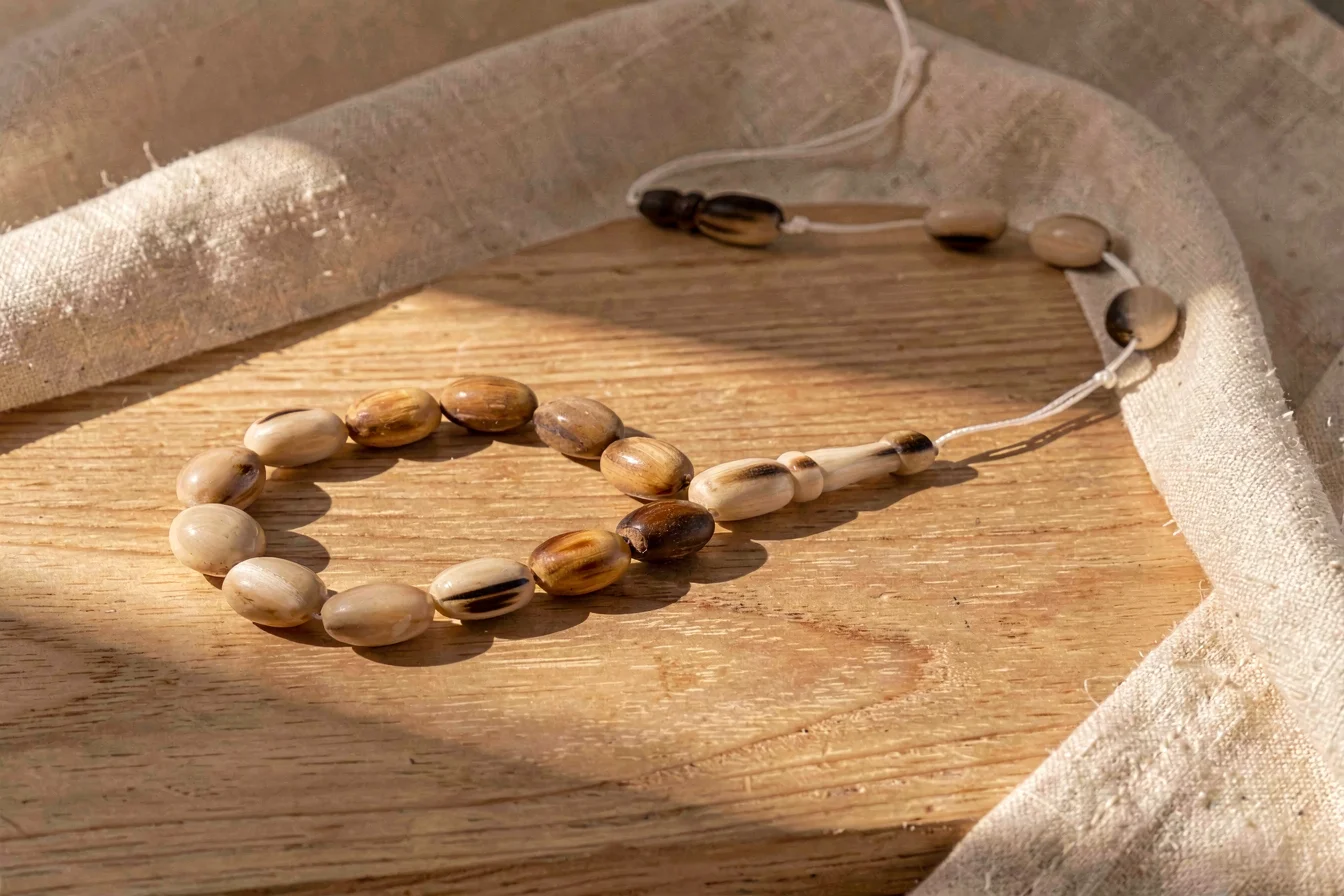
turkish prayer beads are renowned for their craftsmanship, historical prestige, and exclusive materials, offering a premium procurement option for buyers seeking authenticity and artistry. In contrast, other regional prayer beads (Middle Eastern, Islamic, and Far Eastern) dominate current search interest and provide broader appeal with more accessible pricing and diverse design options[1]. Procurement decisions should weigh regional prestige, material quality, and market momentum, as demand for Turkish beads is rising but Middle Eastern beads maintain higher global search volume.
turkish prayer beads are more than a utilitarian tool—they are a symbol of heritage, status, and craftsmanship, often crafted from rare materials like amber, ivory, wood, and silver[4][5][10]. Their design and production are deeply rooted in Ottoman tradition, with artisans renowned for intricate detailing and superior quality. Other regional prayer beads (Middle Eastern, Islamic, and Far Eastern) span a wide spectrum: Middle Eastern beads are often simpler, with a focus on affordability and variety, while Far Eastern beads (e.g., Buddhist malas) emphasize spiritual symbolism and tactile counting. Islamic beads, including misbaha and tasbih, are widespread but vary in design and material depending on the region.
The procurement dilemma centers on balancing authenticity and prestige (Turkish beads) against cost and versatility (Middle Eastern/Islamic beads). Turkish beads are preferred for gifting, luxury retail, and high-end B2B applications, while Middle Eastern beads cater to mass-market and commercial buyers. The urgency is driven by rising global demand for regionally distinct prayer beads, with buyers seeking unique materials and craftsmanship for differentiation[1][2][4]. Technological innovations include advanced drilling techniques, lathe-based shaping, and signature beads (shahid) in Turkish beads, whereas Middle Eastern beads often feature simpler stringing and fewer embellishments.
| Feature | Turkish Prayer Beads | Other Regional Prayer Beads |
|---|---|---|
| Material | Amber, ivory, wood, silver, rare stones | Wood, plastic, semi-precious stones, basic metals |
| Craftsmanship | Highly intricate, lathe-based, signature beads | Moderate, mass-produced, simpler designs |
| Prestige | Historical, status symbol, luxury gifting | Functional, accessible, mass-market appeal |
| Price Range | $10–$300+ | $5–$50 |
| Market Momentum | Steady, rising demand | Dominant, higher search volume |
| Authenticity | High, regionally verified | Variable, often mass-produced |
Turkish prayer beads offer unmatched craftsmanship and prestige, while other regional beads provide broader accessibility and higher market momentum.
Durability is a critical procurement factor: turkish prayer beads are built to last, often using resilient materials like amber, ivory, and hardwood, with premium stringing (nylon or silver) ensuring longevity[4][5]. Their handcrafted nature means lower defect rates and longer lifespan (often 5–20 years with proper care). In contrast, other regional prayer beads are generally less durable, with plastic and basic wood beads prone to wear, and lower-grade stringing that can break or fray after 1–3 years[9]. Maintenance for Turkish beads is minimal—periodic cleaning and occasional string replacement suffice, while Middle Eastern beads may require more frequent replacement.
Application scenarios differ: Turkish beads are favored for luxury gifting, religious ceremonies, and status signaling, while Middle Eastern beads are preferred for everyday use, mass gifting, and commercial retail. The cost outlook shows Turkish beads have higher initial purchase price but lower replacement frequency, making them cost-efficient for premium buyers. Middle Eastern beads are cheaper upfront but may incur higher replacement costs over five years.
| Cost Factor | Turkish Prayer Beads | Other Regional Prayer Beads |
|---|---|---|
| Initial Purchase Price | $10–$300+ | $5–$50 |
| Maintenance | Low (occasional cleaning) | Medium (string replacement, cleaning) |
| Replacement Frequency | Rare (5–20 years) | Frequent (1–3 years) |
| Hidden Costs | Authenticity verification, luxury packaging | Bulk shipping, packaging |
| Total 5-Year Cost | $10–$300 (one-time purchase) | $30–$200 (multiple purchases) |
Turkish prayer beads deliver superior durability and lower lifetime cost for premium buyers, while other regional beads offer lower upfront costs but higher replacement frequency.
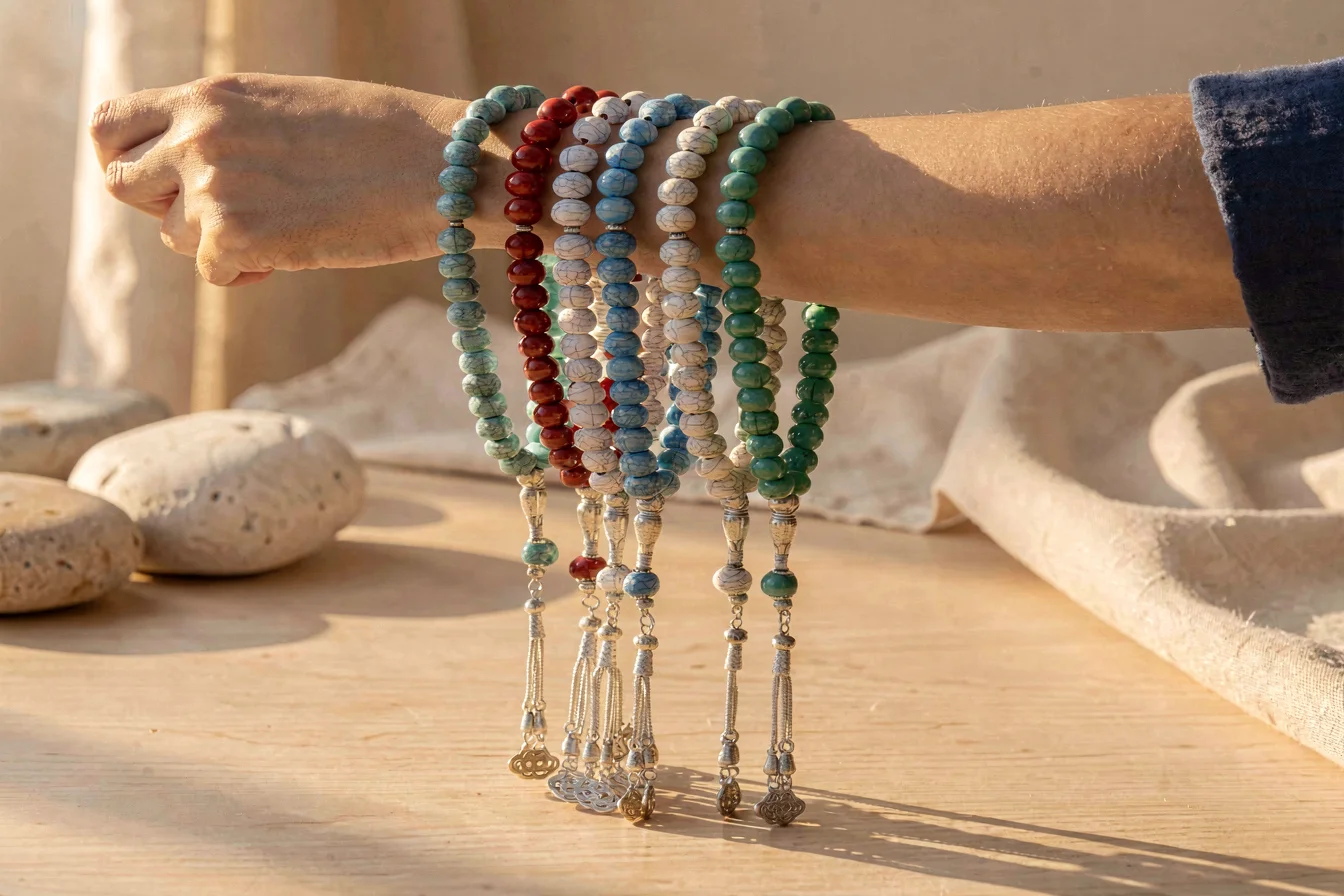
The global prayer beads market is highly segmented, with each region offering distinct value propositions. Turkish prayer beads are prized for their historical prestige, unique materials, and craftsmanship, appealing to luxury retailers, collectors, and high-end gifting markets[10]. Other regional prayer beads (Middle Eastern, Islamic, Far Eastern) are favored for their accessibility, affordability, and spiritual symbolism, catering to mass-market retail, religious institutions, and cross-cultural gifting.
Google Trends data shows that Middle Eastern prayer beads dominate search interest globally, peaking at an index of 93 in February 2026, while Turkish prayer beads hold steady at index 58[1]. Islamic prayer beads rank at index 50, and regional beads (including Turkish) show gradual growth. Peaks occur around Ramadan and Islamic holidays, indicating strong seasonality for procurement.
Search Interest over Time
Middle Eastern prayer beads dominate global search momentum, but Turkish beads are gaining steady traction among premium buyers and collectors.
Reddit and TikTok discussions highlight the prestige and emotional connection buyers have with turkish prayer beads , often citing their historical significance and craftsmanship. In contrast, other regional prayer beads are praised for accessibility and variety, but users sometimes express concerns about authenticity and mass production.
Case Study 1: Turkish Prayer Beads – The Collector’s Perspective
A Reddit user shared their experience gifting a Turkish tesbih to a client: “Turkish beads are the most beautiful and authentic. The craftsmanship is unmatched; you can tell they were made by skilled hands. My clients always appreciate the prestige and history behind them.” This aligns with broader sentiment that Turkish beads are a status symbol and a luxury item[11][10].
“Turkish ones usually has 33 or 99 beads.” (Reddit, r/Turkiye) [11]
Case Study 2: Middle Eastern Prayer Beads – The Mass-Market Buyer
A buyer on Reddit described sourcing Middle Eastern beads for a religious store: “Middle Eastern beads are easier to source in bulk, and they offer great variety at lower prices. I don’t mind that they’re simpler, but sometimes you have to check for authenticity and quality.” This reflects the trade-off between cost and craftsmanship[12].
“I absolutely love prayer beads, but have no idea about their historicity in the Greco-Roman world. I was raised Catholic and loved the routine of praying the Rosary, so when I converted to Roman Paganism, I started looking for alternate prayer bead traditions.” (Reddit, r/Hellenism) [12]
| Dimension | Turkish Prayer Beads | Other Regional Prayer Beads |
|---|---|---|
| Overall Satisfaction | High (luxury, prestige) | Moderate (accessibility, variety) |
| Most Praised Feature | Craftsmanship, authenticity | Affordability, variety |
| Most Common Complaint | High price, limited availability | Mass production, authenticity concerns |
| Community Recommendation Rate | High for luxury and gifting | High for mass-market and everyday use |
Turkish prayer beads are highly recommended for luxury and gifting, while other regional beads are favored for everyday use and accessibility.
Viral content themes include DIY bead making, gifting rituals, and debates about authenticity. On TikTok, videos showing Turkish bead artisans attract millions of views, while Middle Eastern beads are featured in affordable gifting guides. Cultural reception is positive for both, but Turkish beads are seen as a symbol of heritage and status.
Buyers should clarify their core needs before purchasing:
Tiered recommendations:
| Tier | Recommended Product | Key Reason |
|---|---|---|
| Premium | Turkish Prayer Beads | Superior craftsmanship, authenticity, luxury gifting |
| Mid-Range | Other Regional Prayer Beads | Accessibility, variety, commercial resale |
| Budget-Friendly | Middle Eastern Prayer Beads | Affordability, bulk procurement |
Optimization tips:
Key insights: turkish prayer beads are gaining ground among premium buyers and collectors, driven by rising demand for authenticity, craftsmanship, and regional heritage. Other regional prayer beads remain dominant in mass-market retail and commercial procurement, with Middle Eastern beads showing the highest search momentum. The next 6–12 months will see continued growth in both segments, with increasing interest in regionally distinct beads and cross-cultural gifting.
Confident procurement decisions should prioritize Turkish beads for luxury and authenticity, while Middle Eastern beads are ideal for mass-market and everyday use.
Dual CTA: Share your experiences with Turkish and other regional prayer beads to help others make informed choices. Commercial buyers should leverage Alibaba.com for wholesale sourcing, bulk procurement, and regionally verified products—contact suppliers for customization, authenticity verification, and seasonal pricing.