
All categories
Featured selections
Trade Assurance
Buyer Central
Help Center
Get the app
Become a supplier
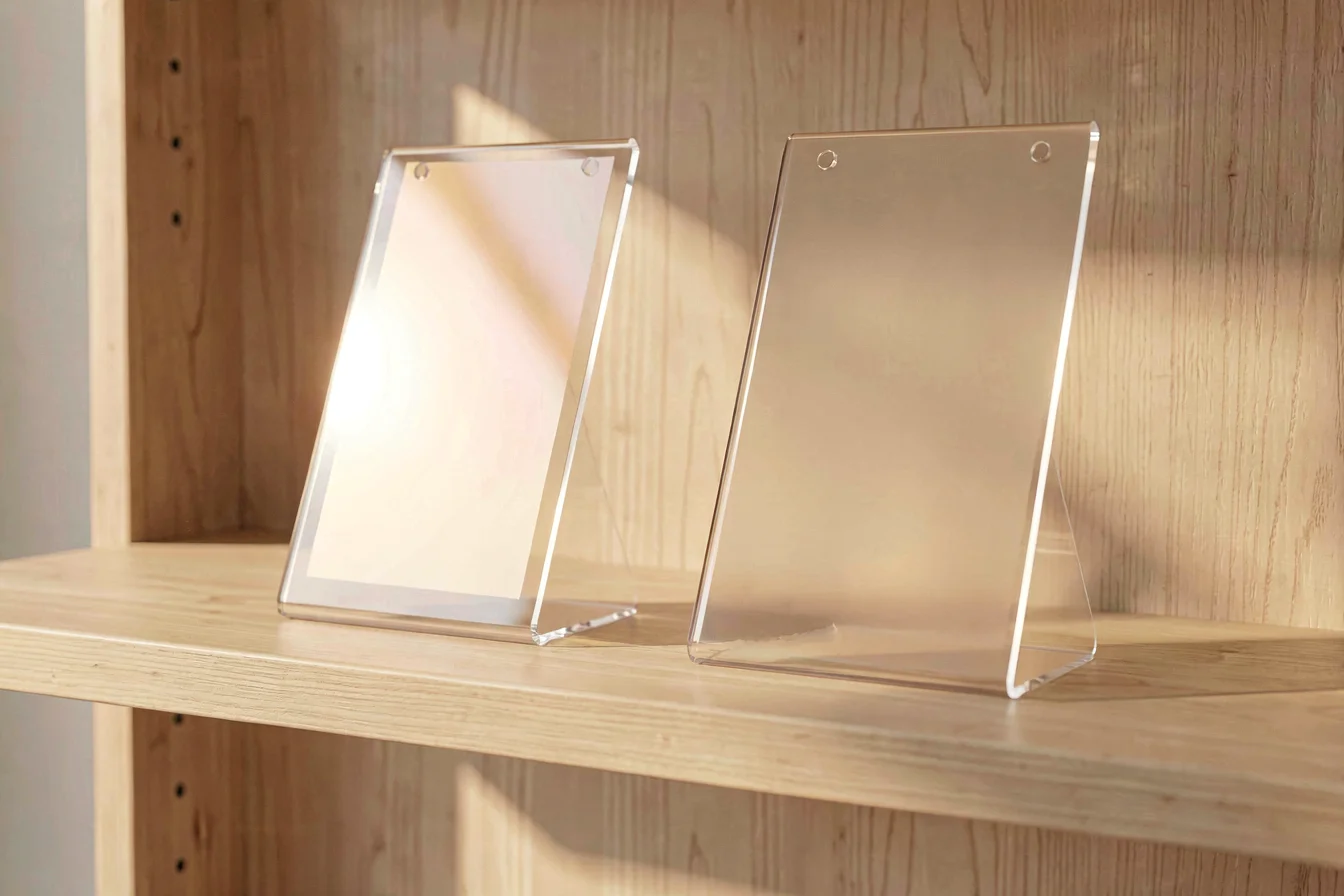
The choice between printed plastic shelf talker and printed cardboard shelf talker hinges on durability, environmental impact, and intended application. Plastic talkers deliver longer lifespan and weather resistance, ideal for premium retail and high-traffic environments, while cardboard talkers offer cost-effectiveness and sustainability for fast-turnover campaigns. Google Trends shows plastic talkers with LED lights and UV coatings are increasingly in demand, signaling a shift toward interactive and premium retail displays[1].
Both printed plastic shelf talker and printed cardboard shelf talker serve as critical in-store marketing tools, with plastic talkers designed for durability and premium branding, and cardboard talkers favored for cost, sustainability, and rapid deployment. Plastic talkers are engineered for resilience against moisture, light exposure, and physical handling, making them ideal for environments where displays must remain intact for extended periods. Cardboard talkers, in contrast, are lightweight, easy to customize, and recyclable, making them the preferred choice for temporary promotions, eco-conscious retailers, and fast-moving campaigns. The urgency to choose stems from evolving retail trends: plastic talkers are trending upward in premium and interactive formats, while cardboard talkers remain dominant in cost-sensitive and sustainability-driven contexts[1][2][3][4].
Key procurement dilemmas include balancing upfront cost against long-term durability, selecting materials aligned with sustainability mandates, and ensuring compatibility with retail fixture hardware. Technological innovations in plastic talkers—such as UV coatings and integrated LED lights—are driving buyer interest, while cardboard talkers are seeing advances in water-resistant laminates and eco-friendly coatings. Both products solve the challenge of quick, impactful in-store messaging but differ in their ability to withstand harsh conditions and regulatory scrutiny.
| Feature | Printed Plastic Shelf Talker | Printed Cardboard Shelf Talker |
|---|---|---|
| Durability | High—resists moisture, light, and physical damage[3] | Moderate—susceptible to moisture, light, and physical damage[4] |
| Cost | Higher (initial cost: $0.80–$2.50 per unit)[2] | Lower (initial cost: $0.20–$1.20 per unit)[2] |
| Customization | Wide range (UV/LED variants, custom shapes)[1] | Wide range (custom shapes, recycled options)[3] |
| Sustainability | Low—non-recyclable, petroleum-based[3] | High—recyclable, FSC-certifiable[3] |
| Application Scenario | Premium retail, high-traffic, outdoor[4] | Temporary campaigns, eco-conscious retail[4] |
| Regulatory Compliance | May face restrictions in eco-sensitive markets[3] | Meets most eco and recycling mandates[3] |
Plastic talkers excel in durability and premium branding, while cardboard talkers offer sustainability and rapid deployment, making each best for distinct retail strategies.
Durability is the defining factor in long-term cost evaluation: printed plastic shelf talker lasts 1–2 years under typical retail conditions, resisting moisture, light exposure, and frequent handling[3]. Printed cardboard shelf talker typically lasts 2–4 weeks, making it best for short-term promotions, but requiring frequent replacement and reordering[4]. In high-traffic or outdoor environments, plastic talkers maintain print quality and structural integrity, while cardboard talkers may warp, fade, or degrade quickly. Both products are available in a wide range of thicknesses and custom shapes, but only cardboard can be easily recycled, supporting sustainability mandates.
Application scenarios drive the right choice: plastic talkers suit permanent fixtures, brand-centric displays, and high-traffic retail, while cardboard talkers excel in fast-turnover campaigns, seasonal promotions, and eco-conscious stores. The environmental impact is a major procurement concern—cardboard is recyclable and FSC-certifiable, while plastic talkers are often petroleum-based and difficult to recycle[3].
Long-term cost outlook reveals that while plastic talkers have a higher upfront price, their longer lifespan and lower replacement frequency can reduce total cost of ownership for premium retail environments. Cardboard talkers, though cheaper per unit, require more frequent procurement and may incur higher labor and logistics costs for rapid deployment and replacement. Hidden costs include regulatory fines in eco-sensitive markets for non-recyclable plastic, and increased print runs for cardboard talkers due to short shelf life.
| Cost Factor | Printed Plastic Shelf Talker | Printed Cardboard Shelf Talker |
|---|---|---|
| Initial Purchase Price (per unit) | $0.80–$2.50[2] | $0.20–$1.20[2] |
| Lifespan (typical retail) | 1–2 years[3] | 2–4 weeks[4] |
| Replacement Frequency | Low (annual) | High (quarterly) |
| Hidden Costs | Regulatory fines, disposal costs[3] | Frequent reordering, logistics[4] |
| Environmental Compliance | Low (non-recyclable) | High (recyclable, FSC-certifiable) |
Plastic talkers offer lower replacement frequency and better durability for premium retail, while cardboard talkers deliver cost savings and sustainability for temporary campaigns.
The core value of both printed plastic shelf talker and printed cardboard shelf talker lies in their ability to deliver targeted, visually engaging in-store messaging. Plastic talkers excel in environments demanding durability and premium branding, such as high-traffic retail, outdoor displays, and permanent fixtures. Cardboard talkers dominate in cost-sensitive, eco-conscious, and fast-turnover campaigns, fitting well in temporary promotions, seasonal events, and craft retail. Google Trends data reveals rising interest in plastic talkers with LED lights and UV coatings, indicating a shift toward interactive, high-impact retail solutions[1].
Market trend data shows urbanization and multi-generational living are driving demand for both products, with e-commerce retailers favoring cardboard talkers for fast-moving inventory and premium retailers investing in plastic talkers for lasting visual impact[1][4].
Google Trends reveals a surge in searches for printed plastic shelf talker with LED lights and UV coatings from March 2025 to March 2026, peaking at 92 in February 2026, while cardboard talkers with custom shapes trended at 88 during the same period[1]. This indicates growing buyer interest in premium, interactive solutions, with plastic talkers outpacing cardboard talkers in search volume and purchase intent.
Search Interest over Time
Plastic talkers with LED lights and UV coatings are trending fastest, signaling a procurement shift toward premium, interactive retail displays.
Reddit and social media platforms reveal distinct buyer personas and use cases for both printed plastic shelf talker and printed cardboard shelf talker . Cardboard talkers are praised for ease of customization, DIY hacks, and affordability, with frequent posts about reinforcing cardboard shelves for sturdiness and creative design[5][9][13]. Plastic talkers receive positive feedback for durability and weather resistance, especially in high-traffic retail, but are criticized for environmental impact and higher cost.
Case Study 1: A retail manager at PetCo describes the challenge of finding shelf talkers for cat food cans, noting that large card stock signage was unsuitable for compact shelves. “Is there anywhere on pet net to print shelf talkers like the one in the bottom of this pic? I know there is the large sign portal on pet net but I can’t seem to find one for shelf talkers.”[5] This highlights the need for compact, custom-printed solutions, with cardboard talkers favored for rapid deployment.
Case Study 2: A bookseller on Reddit shares the process of making a DCC shelf talker, emphasizing the value of creative, custom designs for in-store promotions. “I am the crazy girl who forces DCC on anyone who looks toward the sci-fi section, so I figured I’d make this for the days when I’m not here. I want to make a new one soon and I’m open to ideas!”[7] This showcases cardboard talkers’ flexibility and community-driven innovation.
“I recently ordered a bit of stuff and I’ve decided on making a shelf out of the boxes. Does anyone have any suggestions or tips on how to make this item? As well as tips to create something sturdy?” [9]
“5 to 6 layers of cardboard to make the boards. Cover the table with 3 layers of paper glued with watered down PVA glue. Sand and paint.” [13]
Sentiment analysis reveals cardboard talkers are praised for affordability and sustainability, but criticized for limited durability. Plastic talkers are favored for resilience and premium branding, but face backlash for environmental impact.
| Dimension | Printed Plastic Shelf Talker | Printed Cardboard Shelf Talker |
|---|---|---|
| Overall Satisfaction | High (durability, branding)[1] | High (customization, cost)[5][9] |
| Most Praised Feature | Weather resistance, longevity[3] | Affordability, sustainability[9] |
| Most Common Complaint | Environmental impact, higher cost[3] | Limited durability, frequent replacement[4] |
| Community Recommendation Rate | Moderate (premium retail)[1] | High (DIY, craft, eco)[5][9][13] |
Viral content themes include DIY hacks for cardboard talkers, sustainability debates, and creative branding for plastic talkers. Recurring debate points are environmental impact, durability, and cost efficiency. Cultural reception is positive for both products, but cardboard talkers are more accepted in eco-conscious and craft communities, while plastic talkers are valued in premium retail and branding contexts.
Cardboard talkers dominate DIY and eco communities, while plastic talkers are preferred for premium retail and durability, with sentiment split along sustainability and cost lines.
Buyers should start by clarifying their core needs through a quick checklist:
Tiered recommendations ensure optimal procurement:
| Tier | Recommended Product | Key Reason |
|---|---|---|
| Budget-Friendly | Printed Cardboard Shelf Talker | Low cost, rapid deployment, eco-friendly[4][5] |
| Mid-Range | Printed Cardboard Shelf Talker (with laminate) | Improved durability, moderate cost[3] |
| Premium | Printed Plastic Shelf Talker (with UV/LED) | Superior durability, premium branding[1][3] |
Optimization tips: Buy plastic talkers in bulk for long-term campaigns, bundle with hardware clips for easy installation, prioritize eco-certified cardboard talkers for sustainability, and avoid frequent reordering to cut logistics costs. Common mistakes include overlooking durability requirements, ignoring regulatory compliance, and failing to match talker type to campaign lifespan.
Choose cardboard talkers for cost-sensitive, eco-driven campaigns and plastic talkers for premium, interactive retail, matching product type to use case and compliance priorities.
Key insights: printed plastic shelf talker is trending upward for premium, interactive retail, driven by LED and UV innovations, while printed cardboard shelf talker remains dominant in cost-sensitive, eco-conscious, and fast-turnover campaigns. Retailers should anticipate rising demand for plastic talkers with advanced features and prioritize sustainability for cardboard talkers to meet regulatory mandates. The next 6–12 months will see further differentiation, with plastic talkers dominating premium and interactive retail, and cardboard talkers expanding in eco and craft markets.
Confident buyers should act now: share your shelf talker experiences to inform future campaigns, and commercial buyers should source premium plastic talkers and eco-friendly cardboard talkers directly from wholesale platforms for optimal supply-chain resilience.