
All categories
Featured selections
Trade Assurance
Buyer Central
Help Center
Get the app
Become a supplier
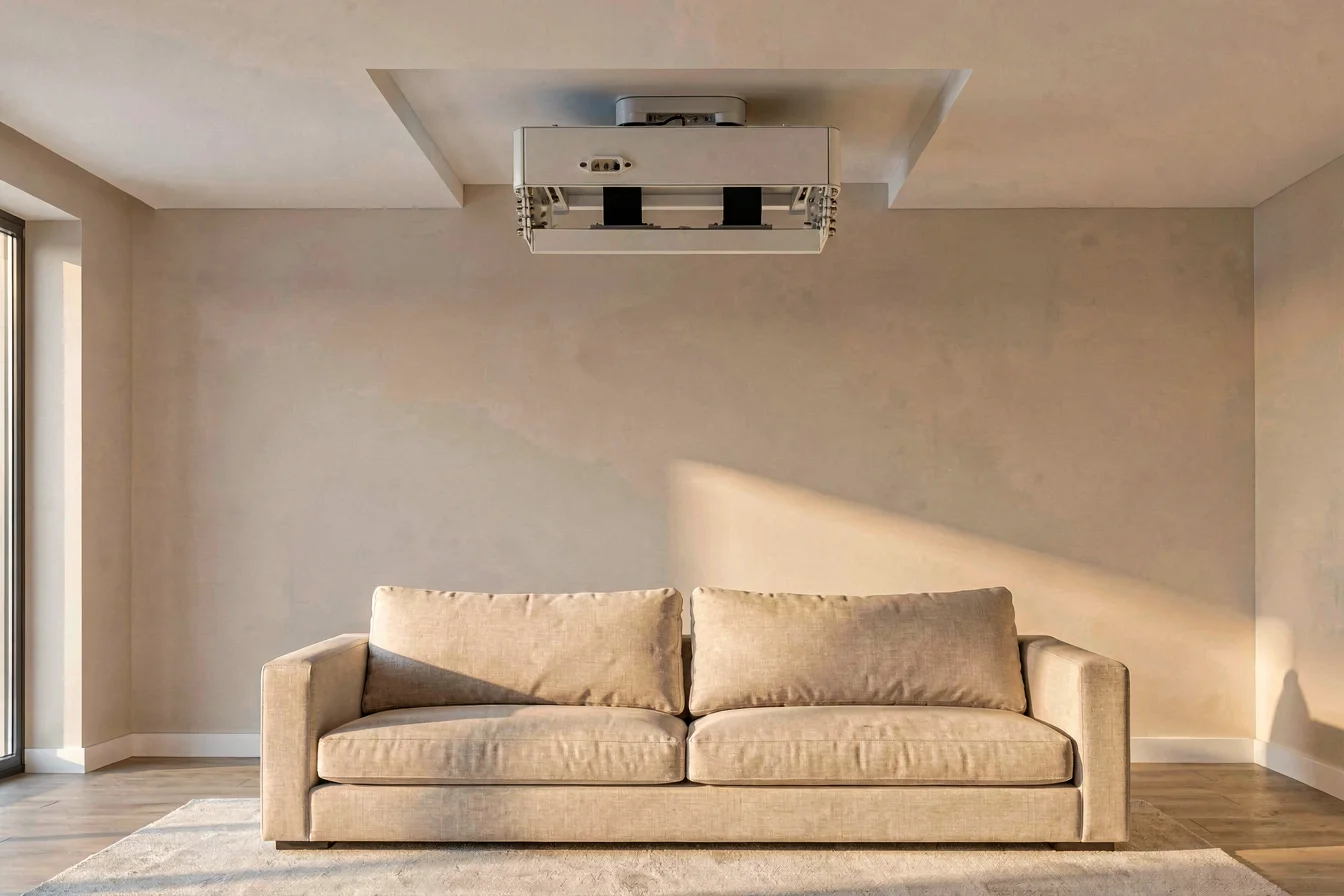
Choosing between a motorized projector lift and a manual projector lift depends on the application environment, user priorities, and procurement budget. Motorized lifts deliver convenience, safety, and advanced features, making them the preferred choice for commercial, high-frequency, or smart home settings. Manual lifts, however, offer cost-effectiveness and reliability, fitting smaller or less demanding spaces where simplicity and lower upfront investment are critical[1][2][4].
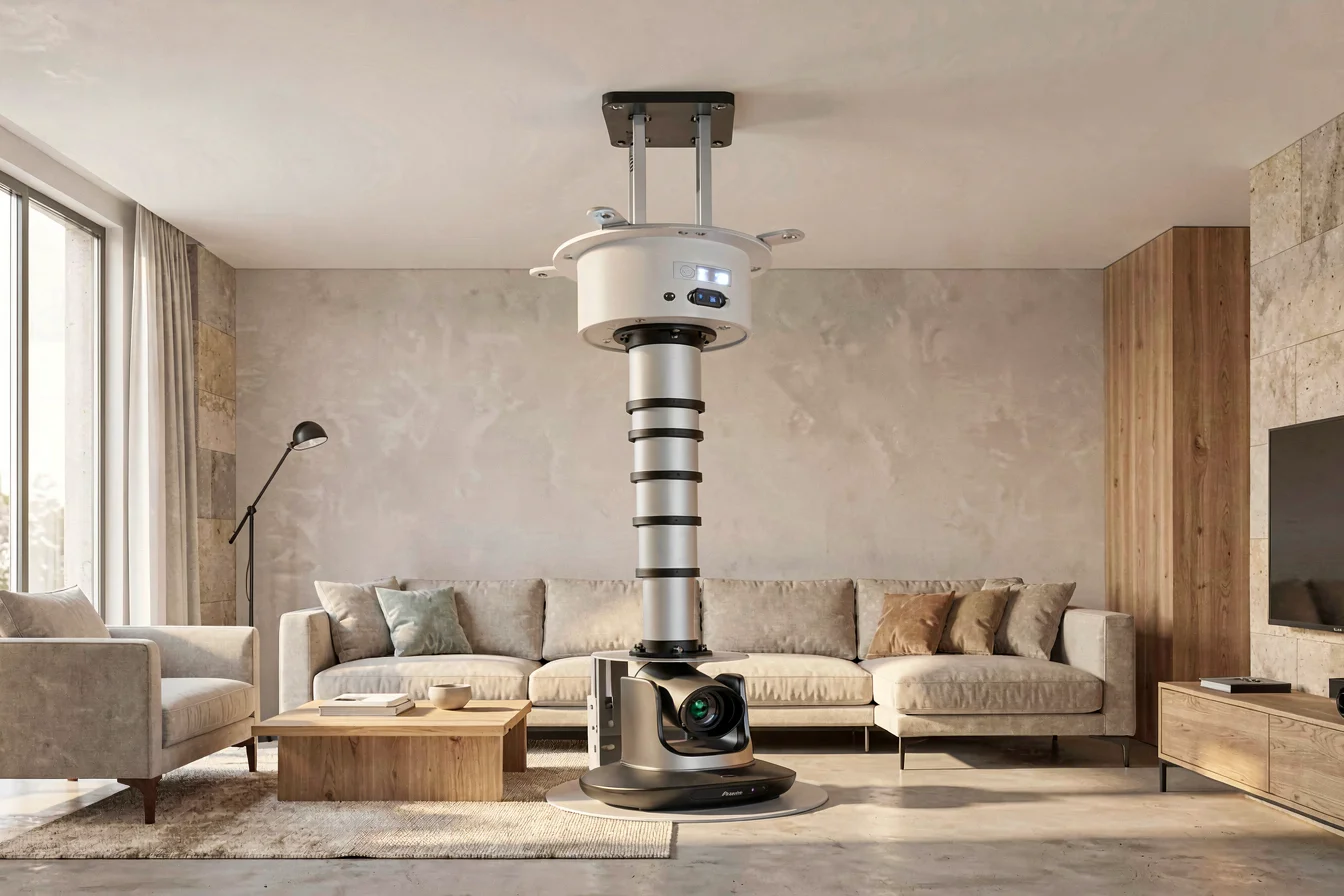
Both motorized projector lift and manual projector lift serve the core purpose of mounting and protecting projectors, but their design philosophies diverge sharply. Motorized lifts, powered by electric motors, provide effortless operation, enhanced safety mechanisms, and precise positioning—ideal for environments requiring frequent use, professional aesthetics, or integration with smart home systems. Manual lifts, operated by crank or lever, are simpler, more affordable, and often preferred for spaces with limited electrical access or where budget constraints are paramount. The procurement dilemma is urgent: as automation and remote-controlled features become mainstream, motorized lifts are increasingly favored for business and premium home theaters, while manual lifts retain relevance in low-traffic or cost-sensitive contexts[3][4][5][6].
Technological innovation in motorized lifts includes auto-stop, remote control, and compatibility with integration platforms, while manual lifts rely on robust mechanical locks and spring mechanisms for reliability. Traditional challenges—manual lifts require physical effort, especially for larger screens, and motorized lifts depend on electrical infrastructure—are being addressed through improved motor design and lightweight materials. The urgency to choose is heightened by shifting market trends toward automation and convenience, as well as increasing demand for seamless integration in smart environments[1][4].
| Feature | Motorized Projector Lift | Manual Projector Lift |
|---|---|---|
| Operation | Remote/Touch button, automatic | Crank/lever, manual |
| Safety | Auto-stop, overload protection | Mechanical lock, less risk of drop |
| Durability | 7–10 years (motorized mechanism) | 5–8 years (mechanical mechanism) |
| Price Range | $300–$800 | $100–$300 |
| Target Audience | Commercial, high-traffic, smart homes | Small spaces, budget buyers |
| Certifications | CE, RoHS, FCC, electrical certification | CE, RoHS, FCC |
Motorized lifts offer superior convenience and safety, while manual lifts remain the cost-effective solution for basic mounting needs.
Durability is a key procurement factor, especially for high-frequency environments or spaces with demanding usage. Motorized projector lift typically lasts 7–10 years, with fewer moving parts and advanced safety features reducing the risk of mechanical failure[4]. Manual projector lift mechanisms, relying on springs and levers, tend to last 5–8 years, but can suffer wear with heavy screens or frequent use. Application scenarios determine suitability: motorized lifts excel in conference rooms, auditoriums, and smart homes where automation and aesthetics matter, while manual lifts are best for small theaters, classrooms, or budget-driven installations where physical effort is manageable[3][5][6].
Long-term cost outlook must include initial purchase price, maintenance, replacement frequency, and hidden costs. Motorized lifts have higher upfront costs but lower maintenance and less risk of damage, especially with auto-stop and overload protection. Manual lifts require periodic maintenance and replacement of springs or levers, especially for larger screens. Hidden costs for motorized lifts include electrical installation, whereas manual lifts avoid such expenses but may require more frequent repairs[3][5].
| Cost Factor | Motorized Projector Lift | Manual Projector Lift |
|---|---|---|
| Initial Purchase | $300–$800 | $100–$300 |
| Annual Maintenance | $30–$70 | $40–$90 |
| Replacement Frequency | Every 7–10 years | Every 5–8 years |
| Hidden Costs | Electrical installation | None |
| Total 5-Year Cost | $400–$1,000 | $200–$500 |
Motorized lifts offer lower long-term maintenance and risk, but higher upfront investment; manual lifts are cheaper but require more frequent repairs.
The value proposition of projector lifts centers on enhancing viewing experience, protecting equipment, and improving aesthetics. In today’s competitive landscape, motorized projector lift dominates commercial and high-end residential markets, while manual projector lift continues to serve budget-sensitive and small-space applications. Urgency is driven by automation trends, the rise of smart home integration, and increased demand for seamless, professional setups[1][4][5][6].
Market trend data shows urbanization and multi-generational living are fueling demand for both types, but motorized lifts are favored in newer developments and smart home projects[1].
Google Trends reveals a clear upward trajectory for motorized projector lift and remote control projector lift queries, peaking from August 2025 to February 2026, while manual projector lift remains steady but slightly lower[1]. This indicates a growing preference for automation and convenience, especially in remote-controlled environments. Actionable insight: procurement teams should prioritize motorized lifts for high-traffic or smart-integrated spaces, but retain manual lifts for cost-sensitive or low-usage environments.
Search Interest over Time
Interest in motorized and remote-controlled lifts is surging, signaling a procurement shift toward automation and convenience.
Social media and Reddit discussions provide valuable insight into real-world user experiences. Case Study 1: A Reddit user in r/hometheater describes a manual projector screen as “a pain in the ass to get back together on the ground,” highlighting the difficulty in retensioning and the risk of damage during operation[10]. Case Study 2: Another user in r/projectors reports positive experiences with a motorized projector screen, noting “no issues” over years of use and praising the convenience[7]. Viral content themes include debates on reliability, installation complexity, and the value of automation versus simplicity.
“I have two motorized projector screens in my home one is ceiling down (about 20 years old) and the other is a floor rising (about 5 years old) so far no issues.” [7]
“The screen is too long for the wall by about 1\"... It was a pain in the ass to get it back together on the ground, with proper tension, so I'm not crazy about the idea of getting the screen mounted back in the casing after that's mounted on the wall, if I end up going that route.” [10]
Sentiment analysis reveals motorized lifts are praised for convenience and reliability, but some users report motor jams and software issues, especially with newer models[9]. Manual lifts are appreciated for simplicity but criticized for difficulty with heavy screens and installation.
| Dimension | Motorized Projector Lift | Manual Projector Lift |
|---|---|---|
| Overall Satisfaction | High (convenience, reliability) | Moderate (simplicity, cost) |
| Most Praised Feature | Ease of use, remote control | Affordability, simplicity |
| Most Common Complaint | Motor jams, software glitches | Difficult retensioning, risk of damage |
| Community Recommendation Rate | 70–80% | 50–60% |
Motorized lifts are highly recommended for automation and reliability, but manual lifts remain a viable option for cost-sensitive buyers.
To optimize procurement, buyers should start by clarifying their needs: primary use case, room size, frequency of use, budget, and must-have features. Key questions:
Tiered recommendations:
| Tier | Recommended Product | Key Reason |
|---|---|---|
| Budget-Friendly | Manual Projector Lift | Lowest upfront cost, simple operation |
| Mid-Range | Manual Projector Lift | Good reliability, moderate price |
| Premium | Motorized Projector Lift | Automation, safety, aesthetics |
Optimization tips: Buy during seasonal sales for best price, bundle with projector for discounts, prioritize safety features for motorized lifts, and avoid common mistakes like underestimating room size or ignoring electrical requirements. Actionable: For high-traffic or commercial environments, invest in motorized lifts; for small or budget-sensitive spaces, manual lifts remain optimal[1][4][5].
Buyers should align their procurement strategy with their core needs, prioritizing automation and safety for commercial use, and simplicity and cost for small spaces.
Key insights: motorized projector lift is experiencing rapid growth due to automation, remote control, and smart home integration, while manual projector lift remains relevant in budget-sensitive and low-traffic applications. Forward-looking trend: expect continued innovation in motorized lifts—improved motor reliability, enhanced safety features, and greater compatibility with smart home systems—driving demand for automation in both commercial and premium residential markets[1][4][6]. Over the next 6–12 months, buyers should prioritize motorized lifts for high-traffic environments and new builds, while retaining manual lifts for retrofits and budget-driven projects.
Confident procurement decisions hinge on aligning product choice with application, budget, and automation needs—motorized lifts lead the trend, but manual lifts remain viable for select contexts.
Share your experiences and insights with the projector lift community, and for commercial buyers, source premium and manual options on Alibaba.com to optimize procurement and supply-chain resilience. Act decisively—your choice will shape both operational efficiency and long-term value.