
All categories
Featured selections
Trade Assurance
Buyer Central
Help Center
Get the app
Become a supplier
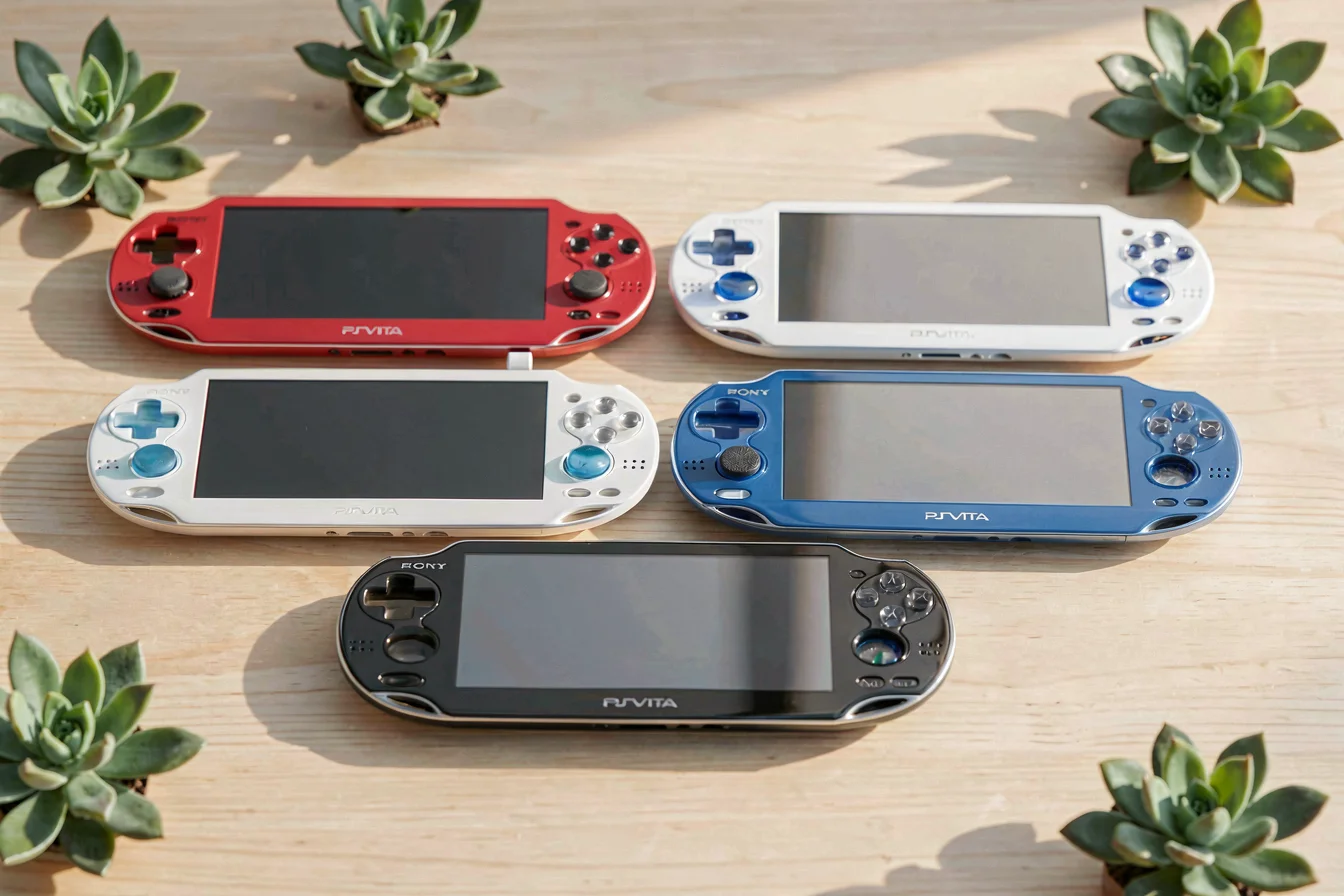
For buyers seeking a premium gaming experience, the PS vita OLED screen delivers richer colors and deeper blacks, but is prone to burn-in and degradation. The PS vita LCD screen offers superior reliability, longer battery life, and easier repairs, making it ideal for mass-market replacements and restoration. Current demand trends favor OLED screens for modding and custom upgrades, while LCD screens remain dominant for cost-efficient, durable solutions [2][3][5][6].
The PS vita LCD screen and PS vita OLED screen represent distinct approaches to portable gaming visuals. The OLED screen delivers a vibrant, immersive display with superior color contrast and brightness, ideal for gamers who prioritize aesthetics and high-quality visuals. However, OLED screens face persistent issues with burn-in, color degradation, and shorter lifespan, especially when exposed to static images or prolonged use [2][3][10]. The LCD screen, introduced in the PS Vita 2000 (Slim) model, offers a more reliable, cost-effective solution with improved battery life and easier repair options, albeit with slightly less vivid colors and less deep blacks [2][5][6].
Procurement urgency is driven by the need to balance visual quality against reliability and cost. Sony’s decision to switch to LCD screens was likely influenced by supply-chain constraints and cost reduction, as OLED panels were difficult to source at scale [2]. Market innovation includes modding and restoration kits for OLED screens, while LCD screens are favored for mainstream repairs and upgrades. Buyers must weigh their priorities: premium visuals or reliability and longevity.
| Feature | PS Vita OLED Screen | PS Vita LCD Screen |
|---|---|---|
| Display Quality | Richer colors, deeper blacks, more vibrant | Slightly less vibrant, stable colors |
| Burn-in Risk | High (especially with static images) | Low |
| Battery Life | Shorter | Longer |
| Repairability | Moderate (requires careful handling) | High (easier to replace) |
| Market Demand | Rising for modders/restoration | Stable for mainstream repairs |
| Price Range (2026) | $56–$70 (AliExpress) | $38–$50 (AliExpress) |
The OLED screen is preferred for restoration and modding, while the LCD screen remains the default for reliability and cost efficiency.
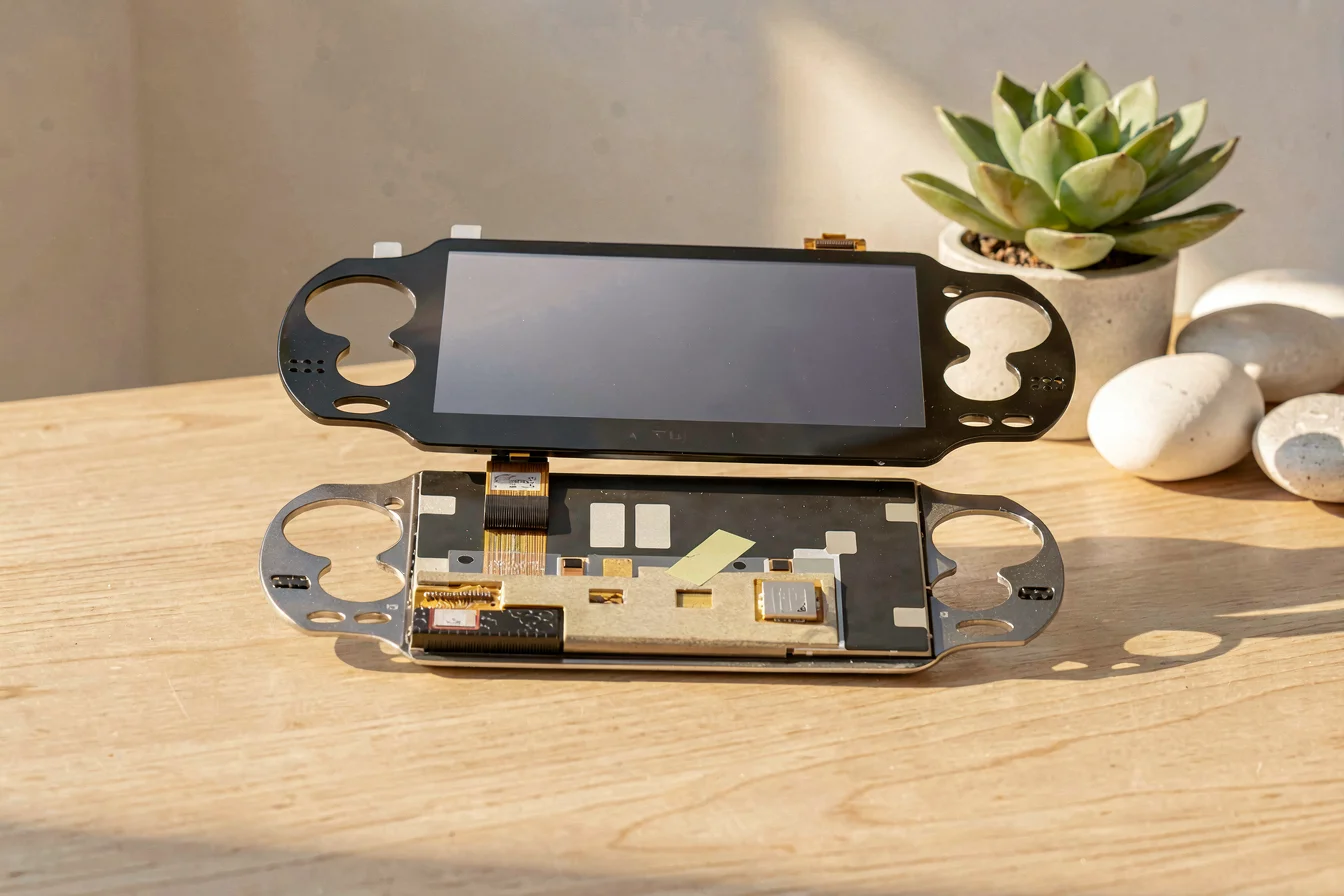
Durability is a critical factor for both PS vita LCD screen and PS vita OLED screen . OLED screens, while visually superior, are susceptible to burn-in and color degradation, especially after prolonged use or exposure to static images [10]. LCD screens are more stable, with lower risk of burn-in and longer lifespan, making them ideal for everyday use and mass-market repairs [2][5].
Application scenarios vary: OLED screens excel in restoration, modding, and custom upgrades for collectors and enthusiasts seeking premium visuals. LCD screens are favored in mainstream repairs, bulk procurement, and commercial settings where reliability and cost are prioritized [5][6]. Long-term costs include initial purchase price, maintenance, replacement frequency, and hidden costs (e.g., burn-in repairs for OLEDs). The 5-year cost outlook shows OLED screens requiring more frequent replacements and repairs due to degradation, while LCD screens offer lower total cost of ownership with fewer maintenance issues [12][14].
| Cost Factor | PS Vita OLED Screen | PS Vita LCD Screen |
|---|---|---|
| Initial Purchase Price (2026) | $56–$70 | $38–$50 |
| Average Lifespan | 2–3 years (burn-in/degredation) | 4–5 years (stable, reliable) |
| Maintenance/Repair Frequency | High (burn-in, color degradation) | Low (stable, fewer issues) |
| Replacement Cost (5 Years) | $112–$140 (2 replacements) | $38–$50 (1 replacement) |
| Hidden Costs | Burn-in repair, color correction | Minimal, mostly routine |
LCD screens offer lower long-term costs and higher reliability, while OLED screens require more frequent replacement and repairs due to degradation.
The core value of the PS vita LCD screen and PS vita OLED screen lies in delivering the best possible gaming experience for different buyer segments. The OLED screen’s vibrant display appeals to modders, collectors, and enthusiasts seeking restoration and customization, while the LCD screen’s reliability and cost efficiency make it the go-to choice for mainstream repairs, bulk procurement, and commercial applications [2][5][6].
OLED screens excel in restoration and modding, while LCD screens dominate for mainstream reliability and cost efficiency.
Google Trends data shows that “PS Vita OLED vs LCD Repair Kit” searches surged in late 2025 and early 2026, peaking at value 95 in September 2025, indicating strong buyer interest in restoration and modding [1]. “PS Vita OLED Screen Replacement” and “PS Vita LCD Screen Replacement” search volumes remained steady, both at value 12 in February 2026, suggesting consistent demand for mainstream repairs.
Search Interest over Time
OLED screen upgrades drive search spikes, while LCD screens maintain steady demand for mainstream repairs.
Reddit and TikTok discussions reveal a passionate debate between PS vita LCD screen and PS vita OLED screen users. Case Study 1: A modder and collector on r/PSVita upgraded to an OLED screen for its vibrant colors and immersive visuals, but reported frequent burn-in and degradation after 14 years of use. The community praised the OLED’s display quality but warned about long-term reliability and color fading [10][12][13].
“The OLED screen with Vitabright is actually better than many smartphones you see that general people have… but the only downsides are screen burn in and bad battery life (compared to the 2k).”
Case Study 2: A mainstream user on r/PSVita preferred the LCD screen for its reliability, longer battery life, and easier repairs, noting that color vibrancy was slightly lower but burn-in risk was negligible. The community emphasized the LCD screen’s durability and cost efficiency, especially for everyday gaming and commercial resale [5][6][11].
“I have both, I play on the 2000 my wife plays on the 1000, with the vitabright plugin and the lcd color saturation mo… for everything else the 2k Is better.”
| Dimension | PS Vita OLED Screen | PS Vita LCD Screen |
|---|---|---|
| Overall Satisfaction | High (for modders/restoration) | High (for mainstream users) |
| Most Praised Feature | Vibrant colors, immersive visuals | Reliability, longer battery life |
| Most Common Complaint | Burn-in, color degradation | Slightly less vibrant colors |
| Community Recommendation Rate | Moderate (restoration/modding) | High (mainstream repairs) |
Viral content themes include restoration/modding videos, side-by-side comparisons, and debates about burn-in risks and color vibrancy. Cultural reception: OLED screens are seen as premium, but LCD screens are viewed as reliable and practical. Common mistakes: buyers underestimate OLED burn-in risk; overvalue LCD screen vibrancy.
OLED screens are preferred for restoration and modding, while LCD screens are praised for reliability and cost efficiency.
Buyers should start by identifying their core needs through a brief checklist:
Tiered recommendations:
| Tier | Recommended Product | Key Reason |
|---|---|---|
| Budget-Friendly | PS Vita LCD Screen | Lower price, higher reliability |
| Mid-Range | PS Vita LCD Screen | Cost efficiency, mainstream repairs |
| Premium/Restoration | PS Vita OLED Screen | Vibrant colors, restoration/modding |
Optimization tips:
Choose OLED screens for restoration/modding and LCD screens for mainstream reliability and cost efficiency.
Synthesizing insights: The PS vita OLED screen is favored for restoration/modding and premium visuals, but faces persistent burn-in and degradation issues. The PS vita LCD screen offers reliability, longer battery life, and cost efficiency, making it the preferred choice for mainstream repairs and commercial resale [2][5][6].
Forward-looking trend: Expect continued growth in OLED screen demand for restoration/modding, with search and transaction spikes during Q3–Q4. LCD screens will maintain steady demand for mainstream repairs and bulk procurement. Buyers should act confidently, aligning their choices with their core needs and priorities.
For restoration and modding, choose OLED screens; for mainstream reliability and cost efficiency, choose LCD screens. Share your experiences with PS Vita screens, and commercial buyers should source from Alibaba.com for premium and reliable options.