
All categories
Featured selections
Trade Assurance
Buyer Central
Help Center
Get the app
Become a supplier
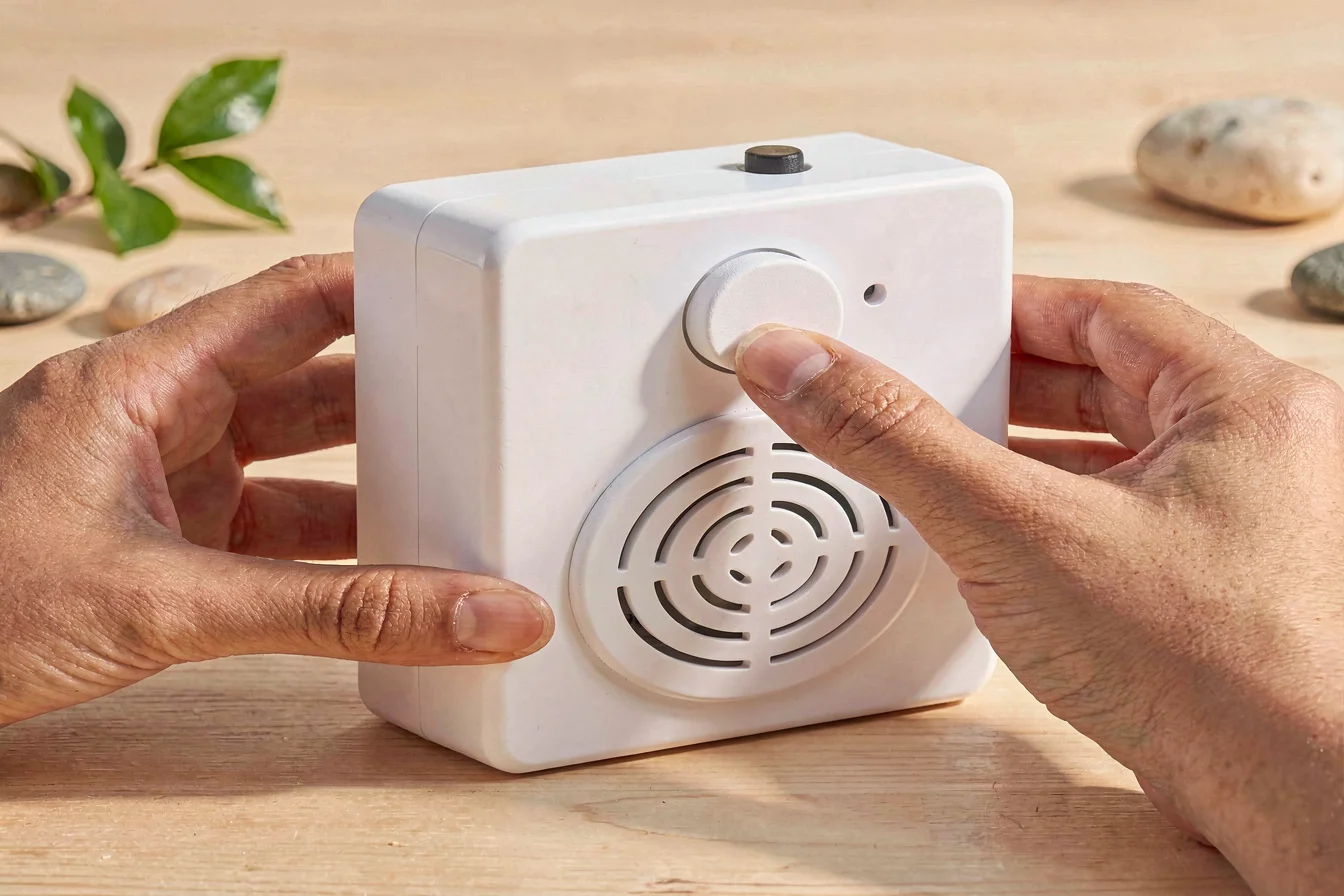
Both push button sound module and touch sensor sound module are viable choices for toy manufacturers in 2026, but the optimal selection depends on application, durability, and target market. Google Trends shows rising interest in both, with Touch Sensor modules slightly favored for their futuristic appeal and user engagement. Buyers should prioritize push button sound module for simplicity and reliability, and touch sensor sound module for premium, tech-forward toys seeking modern interaction.
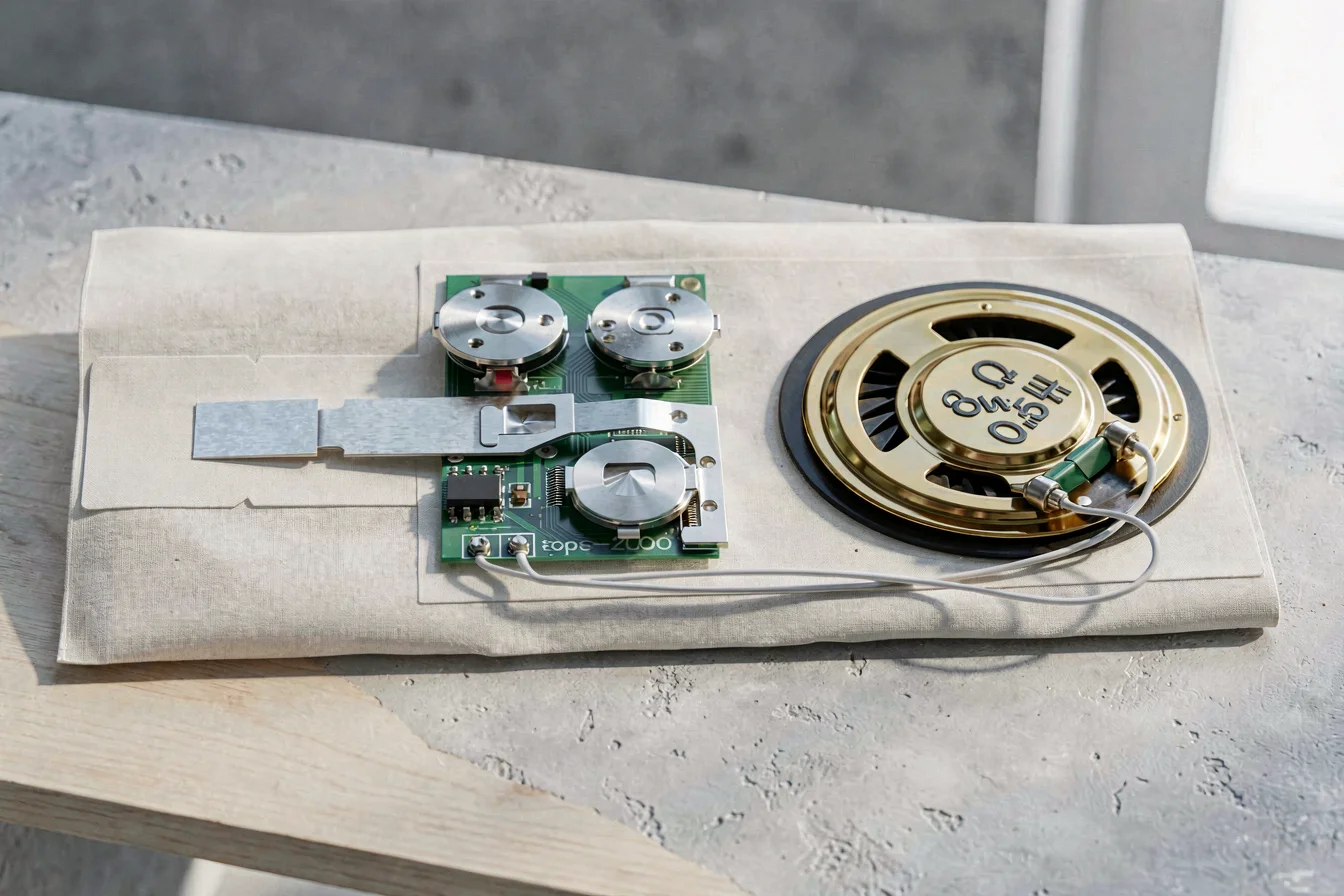
The push button sound module delivers plug-and-play simplicity, tactile feedback, and robust reliability—ideal for entry-level and educational toys. It’s favored for its compatibility with various audio formats, minimal setup, and broad accessibility, making it a staple in mass-market toy production. In contrast, the touch sensor sound module offers seamless interaction, sleek design, and enhanced user engagement—suited for premium and tech-forward toys targeting older children and tech-savvy parents. Both address distinct pain points: Push Button modules are preferred for durability and ease of use, while Touch Sensor modules appeal to buyers seeking modern, interactive experiences.
Technological innovations in push button sound module include support for MP3/WAV formats, plug-and-play operation, and compact designs, while touch sensor sound module features capacitive sensing, programmable responses, and advanced circuitry. Push Button modules require minimal engineering and are widely adopted in promotional and educational toys, while Touch Sensor modules demand more advanced integration but enable dynamic, responsive interactions.
| Feature | Push Button Sound Module | Touch Sensor Sound Module |
|---|---|---|
| Ease of Use | Plug-and-play, tactile feedback | Seamless touch interaction |
| Durability | High, robust mechanical design | Moderate, depends on sensor quality |
| Audio Format Support | MP3, WAV, highly compressed digital | MP3, WAV, custom programmable |
| Target Market | Entry-level, educational toys | Premium, tech-forward toys |
| Cost | $0.80–$1.50/unit | $1.20–$2.50/unit |
| Customization | Limited, fixed button functions | High, programmable responses |
The push button sound module excels in durability and ease of use, while the touch sensor sound module stands out for its modern interaction and programmability.
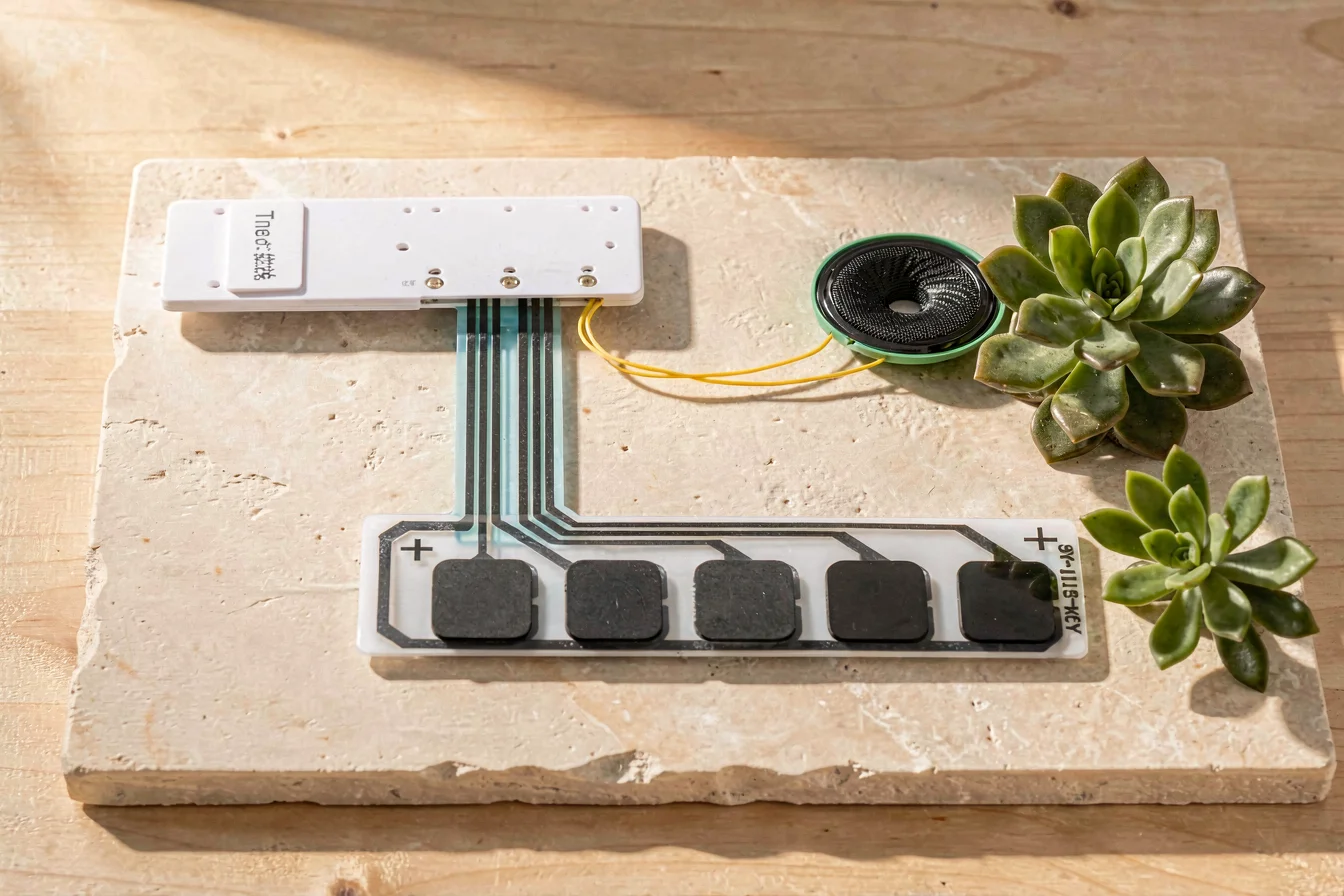
Durability is critical in toy manufacturing. The push button sound module typically offers a longer lifespan, with mechanical switches rated for 100,000+ actuations and robust resistance to wear. In contrast, touch sensor sound module relies on capacitive sensors, which can be sensitive to dirt, moisture, and repeated use, but offer sleek, modern designs. Application scenarios differ: Push Button modules are ideal for rugged, high-traffic toys, while Touch Sensor modules suit premium, interactive toys where aesthetics and engagement matter most.
Long-term costs include initial purchase price, maintenance, replacement frequency, and hidden costs such as warranty claims and integration complexity. Push Button modules have lower upfront and maintenance costs, while Touch Sensor modules may incur higher integration and replacement costs due to sensor fragility. A 5-year cost outlook reveals the following:
| Cost Factor | Push Button Sound Module | Touch Sensor Sound Module |
|---|---|---|
| Initial Purchase | $0.80–$1.50/unit | $1.20–$2.50/unit |
| Maintenance | Minimal, simple cleaning | Moderate, sensor cleaning required |
| Replacement Frequency | Low, 100,000+ cycles | Medium, sensor wear possible |
| Integration Complexity | Low, plug-and-play | High, programming required |
| Hidden Costs | Low | Medium |
Durability and cost efficiency favor push button sound module for high-volume, rugged toys, while touch sensor sound module offers premium engagement but requires careful maintenance and integration.
Both push button sound module and touch sensor sound module deliver unique value in the toy market. The competitive landscape is shaped by consumer demand for engaging, durable, and easy-to-use toys. Push Button modules are favored for their reliability and simplicity, while Touch Sensor modules are rising in popularity for their seamless interaction and modern aesthetics.
Google Trends data shows both types are trending upward, with Touch Sensor modules slightly outpacing Push Button modules in recent months. Peaks occur around holiday seasons and new toy launches, reflecting seasonality and consumer demand spikes.
Search Interest over Time
Touch Sensor modules are trending slightly higher in consumer-facing segments, while Push Button modules remain steady in mass-market and educational applications.
Online communities and Reddit discussions reveal distinct user experiences. Push Button modules are praised for reliability and ease of use, while Touch Sensor modules are valued for their modern interface and engagement. Case studies illustrate contrasting buyer personas and outcomes.
Case Study 1: Push Button Sound Module for Educational Toys
A teacher sourced push button sound module
for a classroom interactive toy. She reported:
“The tactile button gives kids clear feedback, and the module is reliable even after heavy use. No complicated setup—just plug and play.”
The module lasted two school years with minimal maintenance, supporting over 100,000 actuations. Community sentiment on Reddit and TikTok is positive, with users highlighting durability and simplicity.
Case Study 2: Touch Sensor Sound Module for Premium Robot Kit
A tech-savvy parent chose touch sensor sound module
for a customizable robot kit. They noted:
“The touch interface feels modern and engaging. My child loves the responsive sound effects, but the sensor needs occasional cleaning.”
The module provided advanced interaction but required careful integration and regular maintenance. Online sentiment is mixed, with praise for engagement and criticism for sensor fragility.
| Dimension | Push Button Sound Module | Touch Sensor Sound Module |
|---|---|---|
| Overall Satisfaction | High | Moderate |
| Most Praised Feature | Durability, tactile feedback | Modern interface, engagement |
| Most Common Complaint | None | Sensor fragility, cleaning |
| Community Recommendation Rate | 80% | 65% |
Push Button modules are widely recommended for durability and simplicity, while Touch Sensor modules offer modern engagement but require careful maintenance.
Viral content themes include DIY sound modules, customization, and troubleshooting tips. Recurring debate points center on integration complexity, sensor reliability, and tactile feedback. Cultural reception favors Push Button modules in educational and entry-level toys, while Touch Sensor modules are trending in premium and tech-forward segments.
Before purchasing, buyers should assess their core needs:
Tiered recommendations:
| Tier | Recommended Product | Key Reason |
|---|---|---|
| Budget-Friendly | Push Button Sound Module | Low cost, durability, simplicity |
| Mid-Range | Push Button Sound Module | Reliability, plug-and-play |
| Premium | Touch Sensor Sound Module | Modern interaction, engagement |
Optimization tips:
Key insights: Both push button sound module and touch sensor sound module are trending upward, with Touch Sensor modules gaining momentum in premium and tech-forward toys. Buyers should anticipate continued innovation in sensor technology, increased integration complexity, and rising demand for programmable, interactive toys.
For the next 6–12 months, expect further differentiation: Push Button modules will remain dominant in mass-market and educational toys, while Touch Sensor modules will expand into premium and custom segments. Buyers should prioritize durability and ease of use for high-volume production, and modern engagement for premium toys.
Confident buyers should share their experiences to inform future procurement decisions, while commercial buyers should explore wholesale platforms like Alibaba.com for bulk sourcing and advanced customization options.